Conditions in March
March marks a sweet spot for diving in Mexico, offering a delightful blend of comfortable surface conditions and vibrant underwater activity. While much of the northern hemisphere is still shaking off winter’s chill, Mexico’s dive destinations are basking in glorious sunshine, with air temperatures reliably hovering between 25-30°C (77-86°F). This means you can enjoy your surface intervals in a t-shirt or light shorts, soaking up the sun without the oppressive humidity that can sometimes characterize summer months. Sea conditions are generally calm and settled, especially on the Caribbean side and the Sea of Cortez. Winds are typically lighter than in the earlier dry season, making for smoother boat rides and more accessible dive sites. Of course, the Pacific coast can always surprise with a rogue swell, but March still delivers some of its best days.
Water temperatures in March vary significantly depending on your chosen dive region. In the Caribbean Sea, around the Yucatan Peninsula (think Cozumel, Playa del Carmen, and the cenotes), you can expect a very pleasant 26-28°C (79-82°F). This is warm enough for longer dives in minimal exposure protection. Visibility here is consistently excellent, often exceeding 30 meters (100 feet), thanks to the clear, nutrient-poor waters. The currents around Cozumel, while famous for drift diving, are generally moderate in March, providing exhilarating rides without being overly challenging. In the Sea of Cortez, further north, water temperatures are slightly cooler but still very comfortable, typically 22-25°C (72-77°F). Visibility in the Sea of Cortez can range from 15-25 meters (50-80 feet), sometimes reaching 30 meters on exceptional days. On the Pacific side, particularly around the Revillagigedo Archipelago (Socorro Islands), water temperatures are at their coolest for the season, ranging from 21-24°C (70-75°F). This cooler water is precisely what attracts the big pelagics, but does necessitate thicker wetsuits. Visibility at Socorro is usually superb, often 25-40 meters (80-130 feet), providing incredible panoramic views of the open ocean action.
What you will see
March is truly a banner month for marine life sightings across Mexico, especially if your heart beats for pelagics. In the Revillagigedo Archipelago, often dubbed Mexico’s "Little Galapagos," March sits firmly within the prime season for giant oceanic manta rays. These magnificent creatures are incredibly curious here, often interacting closely with divers in what many describe as a life-changing experience. You'll also encounter multiple species of sharks, including silvertips, Galapagos sharks, whitetips, and even occasional hammerheads. Humpback whales are still present in good numbers during March, engaging in their breeding and calving rituals, so you might hear their haunting songs underwater or even have a distant sighting from the dive boat. Whale sharks, though more common in later months, can sometimes make an early appearance on the Pacific side, particularly around Baja California Sur.
Moving to the Sea of Cortez, often called the "Aquarium of the World," March reveals a vibrant ecosystem. Sea lions are a guaranteed highlight, particularly around Isla Espíritu Santo, where playful pups will glide and swirl around you in a dazzling display of underwater acrobatics. You'll see schooling jacks and barracuda, and the vibrant reef life of the protected marine parks thrives under the mild conditions. Eels, octopuses, and a myriad of reef fish add to the kaleidoscope of colors. If you're lucky, you might spot Mobula rays, often in large schooling aggregations, performing spectacular aerial breaches. For macro enthusiasts, the Sea of Cortez also offers nudibranchs, seahorses, and crab species tucked away in crevices.
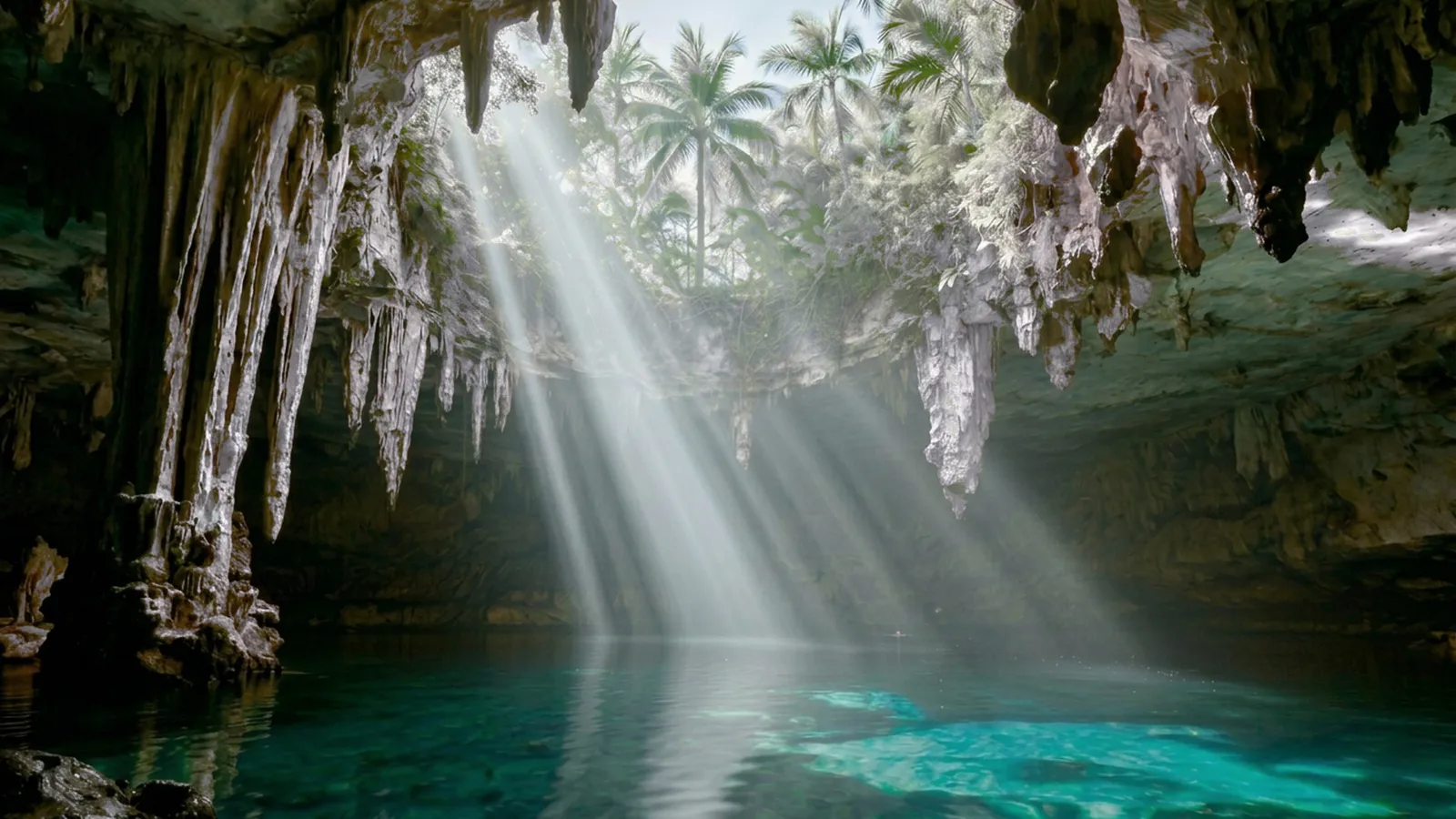
On the Caribbean side, March is an excellent time for reef diving and exploring the magical cenotes. The Mesoamerican Barrier Reef, the second-largest barrier reef system in the world, is home to healthy coral gardens teeming with colorful reef fish, turtles, nurse sharks, and various rays. Drift diving in Cozumel, with its dramatic walls and vibrant sponges, is always a treat. For a truly unique experience, the Yucatan Peninsula's cenotes offer crystal-clear freshwater diving in ancient cave systems. While not teeming with marine life, the surreal light beams, intricate stalactites and stalagmites, and haloclines create an otherworldly adventure you won't forget. You might spot a small cave fish or two, but the draw here is the geological wonder itself.
Top dive sites this month
For large pelagic encounters, your absolute top choice in March has to be the Revillagigedo Archipelago, specifically diving around San Benedicto Island, Roca Partida, and Socorro Island itself. This is where you’ll consistently encounter giant oceanic manta rays, multiple shark species, and potentially humpback whales. Access is exclusively via liveaboard, and the trip is an adventure in itself. Closer to shore, but still on the Pacific side, the waters around Cabo Pulmo National Park in the Sea of Cortez are outstanding. This protected marine reserve is famed for its massive schools of jacks, reef sharks, and general abundance of marine life, thriving thanks to strict conservation efforts. It's a testament to how marine life can rebound when given a chance.
In the Caribbean, Cozumel remains a perennial favorite, and March’s mild currents provide fantastic drift dives along its famous walls like Palancar Reef, Santa Rosa Wall, and Colombia Reef. The visibility is usually stellar, and the abundance of healthy corals and reef fish is enchanting. Not to be overlooked, the otherworldly experience of diving the Cenotes of the Yucatan Peninsula, such as Dos Ojos, Chac Mool, or Angelita, is also a must-do in March. The stable weather means easy access to these jungle-shrouded sinkholes, and the surreal underwater landscapes are simply breathtaking. While not a "dive site" in the traditional sense, a liveaboard journey through the Sea of Cortez exploring places like Isla Espíritu Santo and Los Islotes will guarantee incredible encounters with playful sea lions, vast schools of fish, and vibrant reef ecosystems.
Practical tips for your trip
Given the varied water temperatures across Mexico in March, your wetsuit choice will depend heavily on your intended destination. For the warmer Caribbean waters and cenotes, a 3mm full suit or even a shorty might suffice for most divers. However, if you're heading to the Sea of Cortez, a 5mm full suit is recommended for comfort during longer dives. For the cooler waters of the Revillagigedo Archipelago, a 5mm or even 7mm full suit, possibly with a hooded vest, is highly advisable to stay warm and fully enjoy your dives. Remember, you'll be doing multiple dives a day, and even a slight chill can accumulate.
March is an excellent month for divers of all levels, but certain destinations lean towards the more experienced. Cozumel's drift dives can be enjoyed by confident intermediates, while the cenotes are suitable for all certified divers, often requiring only Open Water certification if diving in cavern zones with a qualified guide. The Sea of Cortez offers a mix, with some sites being very beginner-friendly and others requiring more experience. However, the Revillagigedo Archipelago is definitely geared towards advanced or even experienced divers due to exposed open ocean conditions, potentially stronger currents, and deeper dives requiring good buoyancy control. Liveaboards for Socorro book up far in advance, so plan at least 6-12 months ahead for March voyages. Other liveaboard options in the Sea of Cortez are also popular but typically have more availability closer to the date.
When packing, think layers. Light clothing for topside, but ensure you have appropriate exposure protection for your dives. Reef-safe sunscreen is a must, and a wide-brimmed hat will offer good protection from the strong Mexican sun. For liveaboard trips, consider motion sickness medication if you're prone to it, especially for the longer crossings to Socorro. Don't forget your certification cards and logbook! Mexico takes marine conservation seriously, especially in protected areas, so be mindful of local regulations regarding touching marine life and leaving nothing but bubbles. Prepare for magnificent encounters and an unforgettable dive holiday; March truly delivers on Mexico’s promise as a world-class dive destination.