Conditions in August
So, you're thinking about diving in Mexico in August? Excellent choice, but let's set some expectations. August falls firmly in Mexico's shoulder season, transitioning from the dry, cooler months into the wetter, warmer period, particularly on the Pacific side. Over on the Yucatán Peninsula and the Caribbean, you're looking at the heart of the wet season. This means higher humidity, more frequent (though often short and intense) rain showers, and a higher chance of tropical storms or even hurricanes, especially later in the month. Hurricane season officially runs from June to November, and August is definitely within that window, so flexibility in your travel plans and good travel insurance are always recommended.
Despite the rain, air temperatures are warm and lovely, typically ranging from 28-33°C (82-91°F) across the country. Sea temperatures follow suit, hovering delightfully between 28-30°C (82-86°F), making for incredibly comfortable diving with minimal thermal protection needed. Visibility can be a bit of a mixed bag; in areas like the Riviera Maya, it generally remains excellent, often exceeding 30 meters (100 feet) in the Caribbean. However, localized heavy rains can temporarily reduce it in shallower coastal areas or cenotes due to run-off, though it usually clears quickly. On the Pacific side, such as in Baja California Sur, visibility might be slightly lower than in the peak dry season, averaging around 15-25 meters, but still very respectable.
Currents are typically mild to moderate in most popular dive spots in August. Locations like the Socorro Islands are outside of their diving season in August due to rough conditions and protected marine life cycles, so forget about that for now. For the sites that are accessible, you won't encounter anything too challenging for intermediate divers. The general sea state can be calm, but remember that the possibility of tropical depressions or storms means you should always keep an eye on weather forecasts.
What you will see
August is a fantastic month for certain species in Mexico, particularly on the Caribbean side and parts of the Pacific coastline. In the Riviera Maya, you'll still be seeing plenty of your typical reef residents: colorful parrotfish, inquisitive moray eels, gracefully cruising nurse sharks, and vibrant schooling fish. Keep an eye out for sea turtles – green turtles, Hawksbills, and loggerheads – which are quite common throughout the year, but August often sees more activity as nesting season winds down and juveniles are more present. The stunning coral gardens, from Cozumel's Palancar Reef to the lesser-dived areas off Akumal, are bursting with life, with healthy hard and soft corals thriving in the warm waters.
For pelagic enthusiasts, August on the Pacific side, particularly around the Revillagigedo Archipelago (Socorro), is out of season. However, you can still find some pelagic action elsewhere. Around the Baja California Sur region, the warm waters can attract schooling mobula rays to specific areas, though these aggregations are more predictable in spring and early summer. However, you might still get lucky with opportunistic sightings. Whale sharks, while their peak season is later, can sometimes be spotted around Isla Holbox or Isla Mujeres on the Caribbean side, especially in early August, as they feed on plankton blooms. This isn't a guarantee like the later months, but it's a possibility that adds an exciting element to your dive trip.
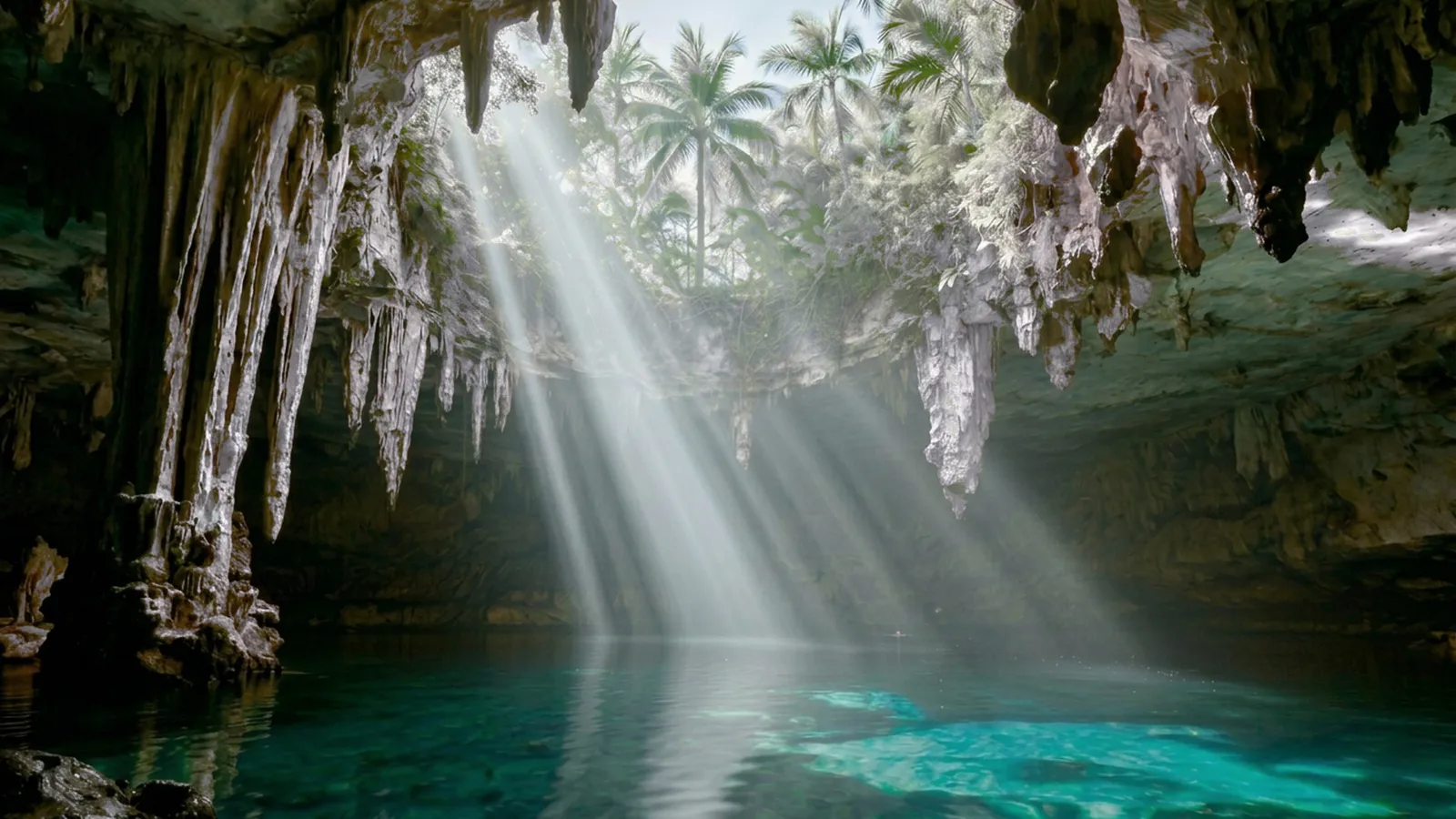
Macro lovers won't be disappointed either. The rich biodiversity of Mexico's reefs ensures a constant array of smaller critters. Look closely among the corals for various nudibranchs, gobies, blennies, and shrimp. The cenotes of the Yucatán Peninsula offer a completely different visual feast – the ethereal light beams, dramatic stalactite and stalagmite formations, and absolutely crystal-clear freshwater visibility make them a truly unique diving experience. While marine life is limited to catfish and some crustaceans in the cenotes, the geological beauty is a sight in itself.
Top dive sites this month
Given the conditions, your best bets for diving in Mexico in August are primarily on the Caribbean side. Cozumel National Marine Park remains a premier destination. Its spectacular wall dives like Palancar Reef, Santa Rosa Wall, and Columbia Wall offer breathtaking drop-offs, swim-throughs, and an abundance of marine life. The clarity here is consistently astonishing, and the drift diving makes for effortless exploration. You'll find yourself gliding past massive coral formations teeming with fish, turtles, and resident nurse sharks.
Another must-visit is the Yucatán Peninsula's cenotes. These freshwater sinkholes, such as Dos Ojos, Chac Mool, or Gran Cenote, offer a unique and otherworldly diving experience that is unaffected by surface weather. The visibility, typically 40 meters (130 feet) or more, is unrivaled, and the intricate cave systems with their stalactites and stalagmites are simply mesmerizing. While not teeming with marine life as reefs are, the geological wonders and the play of light are unforgettable. For a different vibe, explore the reefs off Playa del Carmen; while sometimes busier, sites like Tortugas Reef or Mama Viña shipwreck offer good reef diving and opportunities to spot larger marine life. On the Pacific side, La Paz in Baja California Sur can still offer some good diving around Espiritu Santo Island, with chances to encounter sea lions, though August is the warmer, less plankton-rich time, so visibility may vary.
Practical tips for your trip
Considering the warm water temperatures of 28-30°C (82-86°F), a 3mm shorty or full wetsuit is typically all you'll need for most dives in August. Some divers, particularly those who run cold or are doing multiple dives a day, might prefer a 3mm full suit for added sun protection and comfort, but anything thicker would likely be too warm. This month definitely suits a wide range of divers. Beginners will appreciate the warm, calm waters and excellent visibility found on many Caribbean reef sites, as well as the unique, current-free environment of the cenotes. More experienced divers can enjoy the drift dives of Cozumel or explore deeper sections of the cenote systems (with appropriate cave or cavern diving certifications).
Liveaboard availability for areas like Socorro is non-existent in August as it's outside the diving season. However, for exploring the Yucatán Peninsula and Cozumel, you’ll find plenty of options for day boats and land-based diving packages. While you won't encounter traditional liveaboards in the Caribbean like you would in other parts of the world, many resorts offer multi-day dive packages. Booking in advance is always wise, especially for popular dive centers and specific operators. Pack light, breathable clothing, sun protection (including reef-safe sunscreen), reliable insect repellent, and definitely a rain jacket or umbrella – you'll be glad you have it! Also, it's crucial to be aware of the potential for tropical storms or hurricanes. Keep an eye on local weather advisories and have travel insurance that covers cancellations or re-routing due to weather. Flexibility is key when traveling during this period.
Year-round overview for Mexico
Frequently asked questions
Is August a good month to dive in Mexico?
What can you see diving in Mexico in August?
Should I book a Mexico liveaboard for August or wait?
Find a liveaboard for August
Compare available Mexico liveaboards departing in August.
Search and Book