Conditions in September
Diving in Mexico during September offers a unique, albeit sometimes challenging, experience characterized by the tail end of the hurricane season, particularly in the Caribbean and Yucatan Peninsula. Don't let that deter you though; many incredible dive opportunities still abound, especially on the Pacific coast. On the Caribbean side, while hurricane risk is highest in August and September, the storms themselves don't linger for the entire month. When they do pass, they can bring heavy rainfall and rough seas for a few days, leading to temporary reductions in visibility and potential dive site closures. However, between these systems, you can experience fantastic conditions with calm waters and bright sunshine.
Water temperatures across Mexico remain delightfully warm in September. In the Caribbean, you're looking at a consistent 28-30°C (82-86°F), perfect for long dives in just a swimsuit or a thin rashguard. On the Pacific side, particularly around Baja California and Socorro, temperatures range from a very comfortable 24-27°C (75-81°F). Visibility can be a mixed bag; in the Caribbean, it generally averages 20-30 meters (65-100 feet), but can drop after heavy rains. The cenotes, however, are largely unaffected by surface weather, maintaining their crystal-clear visibility, often exceeding 40 meters (130 feet). On the Pacific side, expect excellent visibility, frequently reaching 25-40 meters (80-130 feet), especially around the pelagic hotspots. Currents are generally manageable but can pick up at exposed sites, particularly in the open ocean around Guadalupe Island or Socorro, requiring experience for optimal enjoyment.
What you will see
September is a truly special month for pelagic encounters in Mexico, particularly on the Pacific coast. This is prime season for Guadalupe Island's great white sharks. If you've ever dreamt of seeing these magnificent predators up close in their natural environment, September is one of your best bets. The water is clear, and the sharks are actively hunting. Moving further south to the Revillagigedo Archipelago, or Socorro as it's more commonly known, you'll still find abundant giant oceanic manta rays. These gentle giants are curious and often interact closely with divers. Although the humpback whale season is still a few months off, you might catch early arrivals, and dolphins are a near-constant companion.
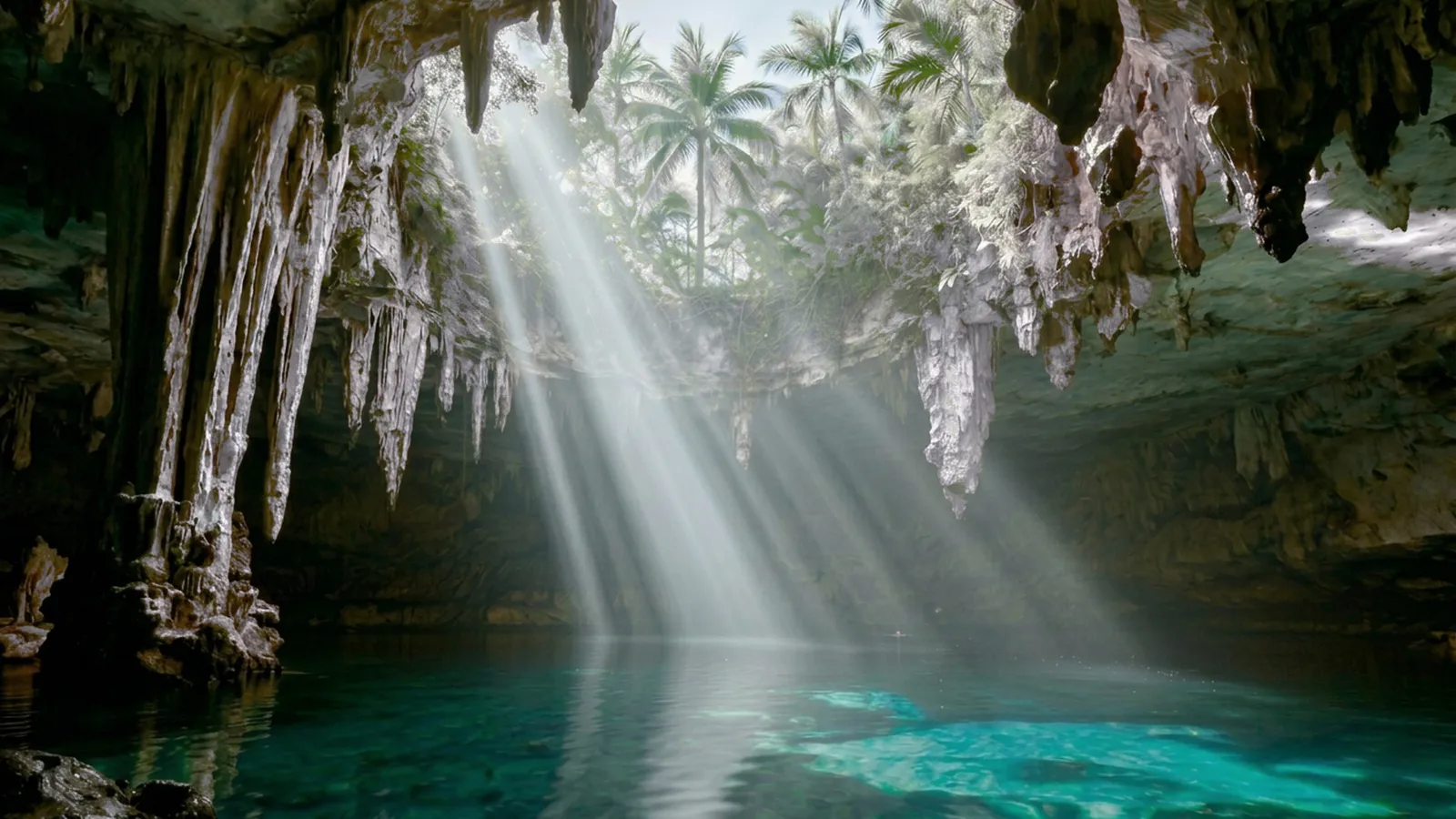
While the Caribbean side might be quieter for massive pelagic migrations in September, it offers its own unique charm. The reefs are teeming with life, from colorful nudibranchs and sea slugs for the macro enthusiasts to larger reef residents like barracuda, groupers, and moray eels. Cozumel's drift dives can be breathtaking, with vibrant coral formations and schooling fish providing a dynamic underwater landscape. For something truly extraordinary, the Yucatán Peninsula's cenotes offer an otherworldly experience. You'll navigate through stunning stalactites and stalagmites, observing unique cave-dwelling species and the mesmerizing halocline where fresh and salt water meet, providing a diving experience unlike any other on Earth.
Top dive sites this month
For those seeking the ultimate thrill, Guadalupe Island is an undisputed heavyweight in September. Located off the coast of Baja California, this volcanic island is world-renowned for its cage diving encounters with great white sharks. The clear, cool waters and consistent shark presence make it a bucket-list destination for many. You'll observe these apex predators from the safety of a cage, often coming within feet of the magnificent animals. It’s an unforgettable experience for the truly adventurous diver.
If Guadalupe isn't on your radar, or you prefer warmer waters and giant manta encounters, the Revillagigedo Archipelago (Socorro Island) remains a fantastic choice in September. While the peak season for humpbacks is later, the large aggregations of giant oceanic manta rays are still present and eager to interact. You’ll also encounter several species of sharks, including hammerheads, silkies, and Galapagos sharks, along with pods of oceanic dolphins. For something completely different and immune to surface weather, plunge into the ancient world of the Cenotes of the Yucatán Peninsula. Sites like Dos Ojos, Chac Mool, and Angelita offer incredible cavern and cave diving experiences, with stunning light effects, clear water, and unique geological formations, perfect for explorers of all levels.
Practical tips for your trip
Given the varied water temperatures across Mexico in September, your wetsuit choice will depend on your destination. For the Caribbean and cenotes, a 3mm shorty or even just a rashguard is usually sufficient, as the water is very warm. If you're heading to Socorro, a 5mm full wetsuit is recommended to stay comfortable during longer dives. For the cooler waters of Guadalupe Island, particularly during cage dives where you might be less active, a 7mm full wetsuit is a must, and some might even prefer a drysuit. Remember to pack layers for evenings on liveaboards, especially in more northern regions.
September diving in Mexico provides options for all experience levels, but some destinations cater more to advanced divers. Guadalupe is exclusively for cage diving, requiring no prior dive experience but a strong sense of adventure. Socorro, with its open ocean exposure and potential currents, is best suited for experienced divers comfortable in dynamic environments. The Caribbean reefs offer a mix of easy and more challenging drift dives, suitable for most certified divers. The cenotes range from straightforward cavern dives perfect for beginners to advanced cave diving for specialized certifications. Liveaboard availability tends to be good in September, as it's technically shoulder season for some areas before the true peak. Booking in advance is always wise, especially for popular itineraries like Guadalupe. Remember to pack reef-safe sunscreen, a good quality dive computer, your certification cards, and any personal medications. Also, be aware of the potential for travel disruptions due to tropical weather on the Caribbean side, so flexible flights and comprehensive travel insurance are highly recommended.
Year-round overview for Mexico
Frequently asked questions
Is September a good month to dive in Mexico?
What can you see diving in Mexico in September?
Should I book a Mexico liveaboard for September or wait?
Find a liveaboard for September
Compare available Mexico liveaboards departing in September.
Search and Book