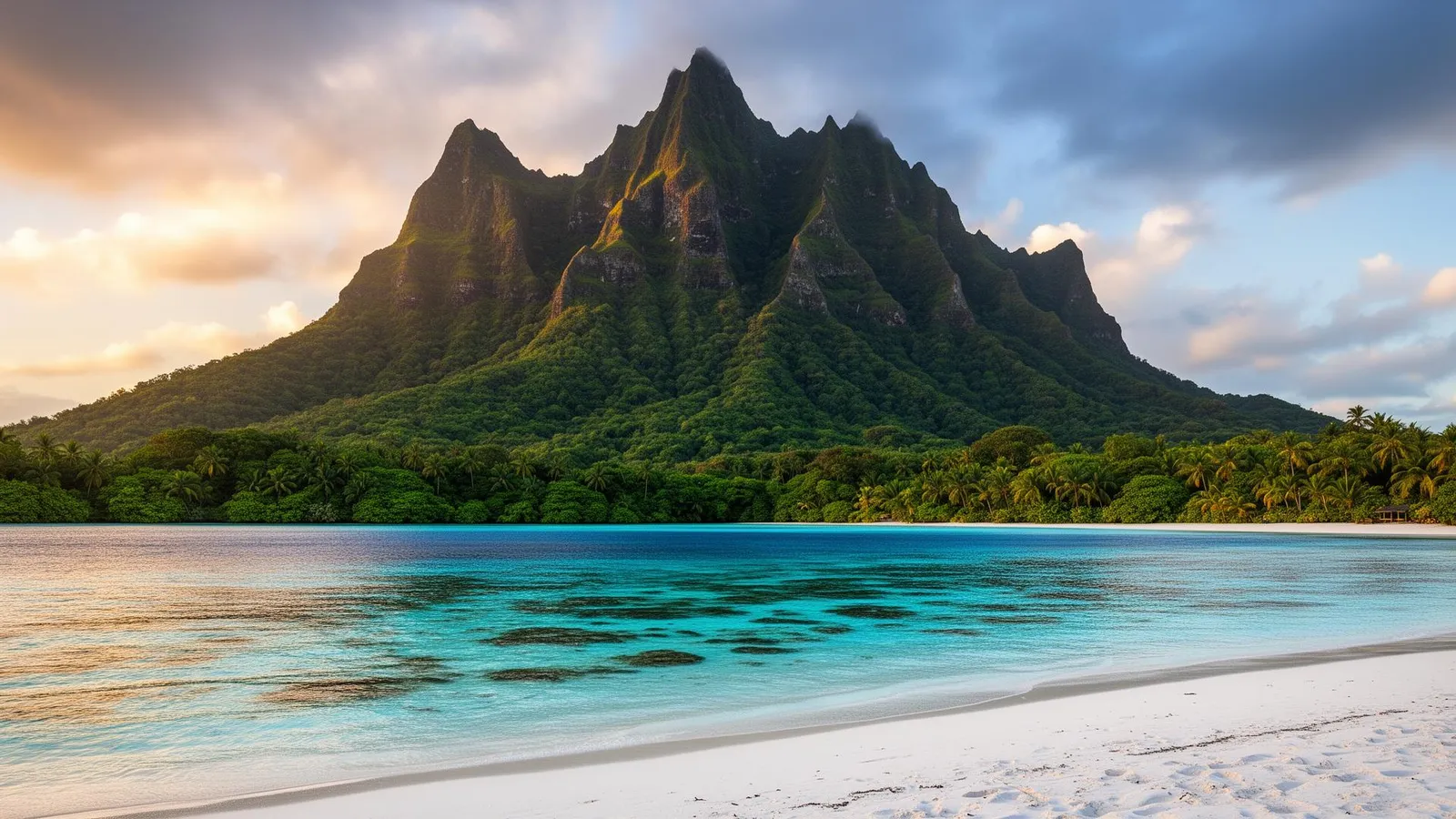
Conditions in September
September in French Polynesia is simply sublime, sitting right in the sweet spot between the cooler dry season and the warmer, wetter months. You're catching the tail end of the dry season here, which means you can generally expect fantastic weather above and below the surface. Air temperatures hover comfortably around 26-28°C (79-82°F), with plenty of sunshine and a refreshing breeze. It’s the kind of weather that makes you want to live out of a sarong.
Diving conditions during September are typically excellent. The sea is often calm, with minimal choppiness, making for smooth sailing and comfortable entries and exits from your liveaboard. Water temperatures are a very pleasant 26-27°C (79-81°F), so you won't be shivering even on longer dives. Visibility is usually phenomenal, often exceeding 30 meters, sometimes even pushing past 40 meters in the lagoons and channels. Imagine crystal-clear water where you can see for what feels like forever; that’s what you’re in for!
While currents can always be a factor in French Polynesia, especially in the famed passes (which are precisely where all the action is!), September generally doesn't see the strongest currents of the year. This makes for exhilarating drift dives without being overly challenging for experienced divers. However, always be prepared for a good workout in the passes, as the incoming and outgoing tides create the nutrient-rich flows that attract the big stuff!
What you will see
September is a prime month for pelagic encounters in French Polynesia. The passes of the Tuamotus are literally bursting with life. You're almost guaranteed to encounter numerous reef sharks – grey reef sharks, blacktip reef sharks, whitetip reef sharks – sometimes in astounding numbers, forming "shark walls" as they patrol the channels. Along with the resident shark populations, hammerheads are a real possibility, especially during this time of year, often cruising in the deeper sections of the passes. Keep your eyes peeled for the majestic silvertips and the occasional oceanic whitetip in more exposed areas.
Mantas are another big draw in September. While they can be seen year-round, September often brings excellent opportunities to interact with both oceanic and reef mantas at cleaning stations and feeding grounds. You might also encounter large schools of Jacks, barracudas, and fusiliers swirling in immense formations. For those who love the bigger creatures, humpback whales are still present in French Polynesian waters until late October, so September offers a fantastic chance to spot them from the liveaboard or even hear their haunting songs underwater while diving. While not a whale-diving destination, their presence adds an extra layer of magic to the trip.
And it's not all about the big stuff! While French Polynesia is renowned for its pelagics, the reefs themselves are thriving. You’ll find vibrant hard and soft corals, teeming with colourful reef fish such as butterflyfish, angelfish, parrotfish, and anemonefish. While macro isn't the primary focus here, you can still find nudibranchs, flatworms, and various crustaceans if you take the time to look closely. The sheer abundance of fish life, from tiny chromis to massive Napoleon wrasse, makes every dive a visual feast. The seasonal aggregations of schooling fish in the passes during September are truly a highlight, creating a dynamic and nutrient-rich environment for the entire food chain.
Top dive sites this month
For September diving, the Tuamotu Archipelago is absolutely where you want to be. Its deep channels, known as "passes," are the lifeblood of the atolls and the reason for the unparalleled pelagic action. Fakarava's Tetamanu Pass (South Pass) and Garuae Pass (North Pass) are legendary. Tetamanu, in particular, is famous for its "shark wall" and you have an excellent chance of witnessing huge gatherings of grey reef sharks, especially during the full or new moon periods, which often fall in September. Garuae, being the widest pass in French Polynesia, offers incredible drift dives with eagle rays, mantas, and schooling fish.
Another absolute must-visit is Rangiroa's Tiputa Pass. This pass rivals Fakarava for its sheer abundance of marine life. Here you can expect thrilling drift dives with countless sharks, bottlenose dolphins (who often swim playfully with divers!), barracudas, and eagle rays. The "Oceanic Channel" outside the pass is also fantastic for spotting larger pelagics in the blue. Further south, the atolls of Manihi and Ahe also offer superb diving in September, often with fewer divers but equally impressive encounters with sharks, rays, and abundant reef fish. Exploring these remote atolls via liveaboard is truly the best way to experience the full grandeur of the Tuamotus in prime conditions.
Practical tips for your trip
Given the comfortable water temperatures of 26-27°C (79-81°F) in September, most divers will be perfectly comfortable in a 3mm full wetsuit. If you tend to get cold easily or plan on doing multiple dives a day, a 5mm suit might offer a bit more warmth. Some choose a 3mm shorty, but with the exposed passes and longer drift dives, a full suit provides better protection from potential minor scrapes and sun exposure. Remember, while the surface is warm, you’ll still be spending a good chunk of time underwater!
September is fantastic for both experienced and advanced divers. While there are certainly some easier lagoon dives, much of the iconic French Polynesia diving involves exhilarating drift dives through passes with strong currents. Therefore, good buoyancy control and comfort with currents are highly recommended. If you’re a newer diver, don’t be discouraged, but perhaps aim for a liveaboard that caters to a wider range of experience levels, or one with excellent dive guides who can assist you in more challenging conditions. Liveaboard availability in September can be tight as it's a very popular month, so booking well in advance (6-12 months out) is crucial to secure your spot on your dream vessel.
Beyond your diving gear, pack light, breathable clothing for above deck. Sun protection is paramount – think reef-safe sunscreens, wide-brimmed hats, and rash guards. A good camera setup is a must, whether it's for stunning wide-angle shots of shark walls or capturing the vibrant reef life. Don't forget motion sickness medication if you're prone to it, just in case of any choppier crossings. Finally, embrace the remote beauty! Internet connectivity can be spotty in the Tuamotus, which is part of the charm – it allows you to truly disconnect and immerse yourself in the incredible underwater world.
Year-round overview for French Polynesia
Frequently asked questions
Is September a good month to dive in French Polynesia?
What can you see diving in French Polynesia in September?
Should I book a French Polynesia liveaboard for September or wait?
Find a liveaboard for September
Compare available French Polynesia liveaboards departing in September.
Search and Book