Conditions in July
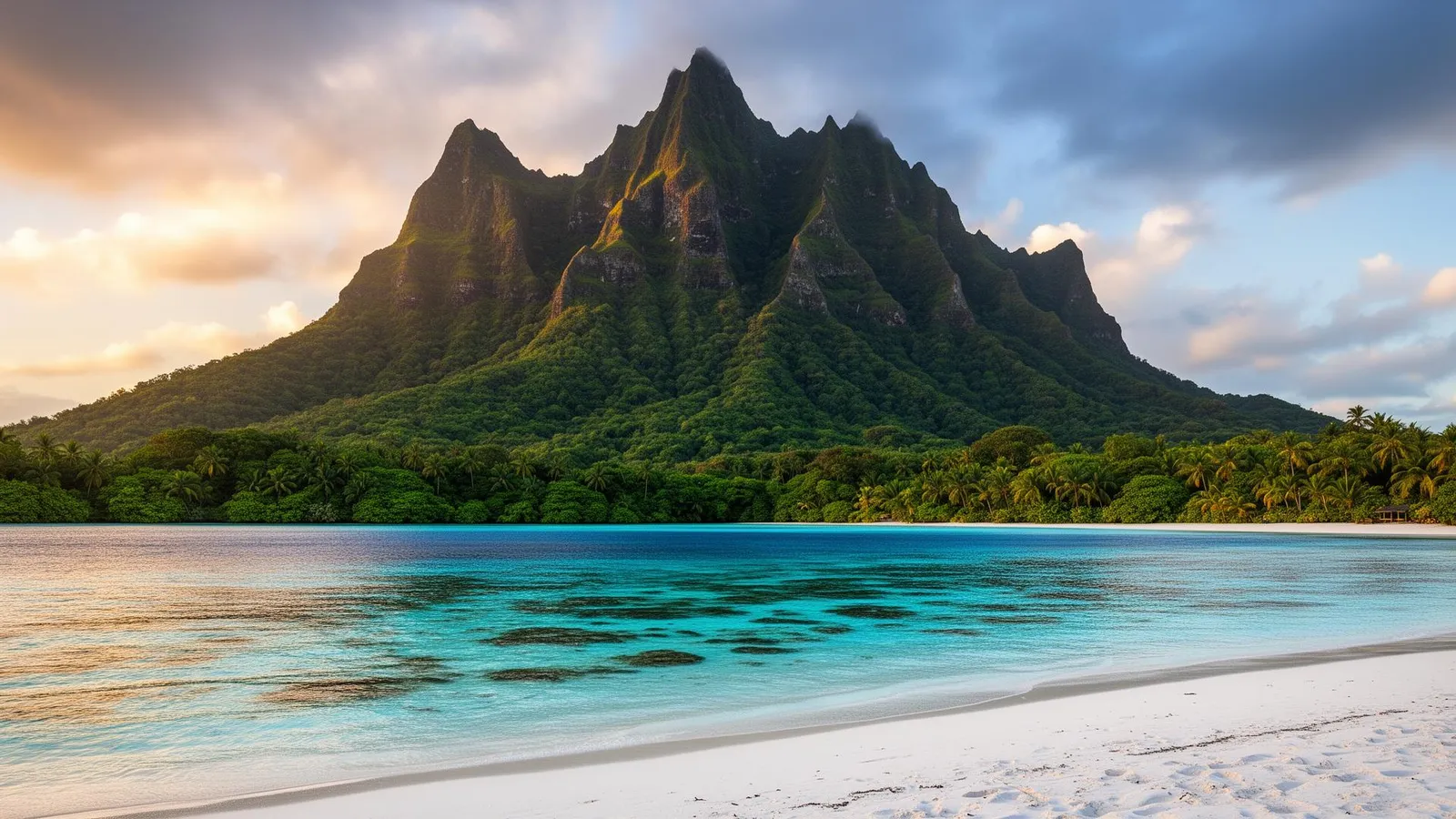
July in French Polynesia ushers in the dry season, marking some of the most pleasant diving conditions of the year. Picture this: brilliant sunshine, gentle trade winds, and calm seas, creating an idyllic backdrop for your underwater adventures. Air temperatures hover comfortably around 26-28°C (79-82°F), making surface intervals just as enjoyable as the dives themselves. This time of year generally sees lower humidity compared to the wetter months, meaning you'll feel refreshed and invigorated both in and out of the water.
Underwater, the conditions are equally inviting. Water temperatures average a balmy 25-27°C (77-81°F) across most of the archipelagos, so a 3mm shorty or full suit is usually sufficient for most divers, though some might prefer a 5mm for multiple dives or if they chill easily. Visibility during July is often exceptional, frequently exceeding 30 meters (nearly 100 feet) and sometimes pushing beyond 40 meters (130 feet) in areas like the Tuamotus. This crystal-clear water allows for breathtaking views of the vibrant coral gardens and the abundant marine life a huge distance away.
Currents, particularly in the Tuamotu atolls, remain a defining characteristic of French Polynesia diving. While they can be exhilarating, especially around pass entrances, July's dry season often brings more predictable and manageable conditions. Experienced dive guides will meticulously plan drift dives through these passes, taking full advantage of the currents to bring pelagic action directly to you. Even with gentler conditions, a reef hook can be a useful tool to have, allowing you to comfortably observe the spectacle without fighting the flow.
What you will see
July is an exceptional month for pelagic encounters in French Polynesia. The passes of the Tuamotu atolls, in particular, are natural magnets for large marine life due to the nutrient-rich currents. You can expect to be greeted by an impressive array of sharks – think grey reef sharks in their hundreds, patrolling the pass entrances, often joined by blacktip, whitetip, and even the occasional silvertip or tiger shark. Watching these powerful predators in their natural ballet is an unforgettable experience unique to this region. Keep an eye out for schooling barracuda and jacks, which frequently swirl in massive formations, creating a mesmerizing spectacle.
This isn't just a shark-lover's paradise, though. Divers in July frequently encounter majestic manta rays gracefully gliding through the cleaning stations and feeding areas. While not a specific "manta season" like some other destinations, the consistent conditions and rich plankton blooms of the dry season offer reliable sightings. Humpback whales begin their migratory journey to the warmer waters of French Polynesia for breeding and calving during this period, and while underwater encounters are prohibited, you might be lucky enough to hear their haunting calls during a dive or spot them breaching from your liveaboard.
Beyond the big stuff, the vibrant coral reefs teem with smaller, equally captivating life. Expect to see an explosion of colorful reef fish, from vivid parrotfish and angelfish to numerous species of anemonefish. Moray eels, snappers, sweetlips, and groupers are ubiquitous. Macro lovers won't be disappointed either; while French Polynesia is renowned for its pelagics, careful searching reveals nudibranchs, flatworms, and various crustaceans nestled amongst the hard and soft corals. The consistent visibility in July only enhances the opportunities for fantastic underwater photography, allowing you to capture both the grand scale of the pelagics and the intricate beauty of the reef.
Top dive sites this month
Without a doubt, the Tuamotu Archipelago reigns supreme for diving in July, offering unparalleled pelagic action. The iconic Tiputa Pass in Rangiroa is a must-visit. Here, the incoming and outgoing currents act as conveyor belts for nutrients, attracting hundreds of grey reef sharks, bottlenose dolphins (often playful and interactive), manta rays, and huge schools of pelagic fish. Diving the pass is an exhilarating roller-coaster ride that promises adrenaline-pumping encounters. Just a short boat ride away, the celestial phenomenon of the "Blue Edge" offers incredible visibility and chances for deeper pelagic sightings.
Another jewel in the Tuamotu crown is Fakarava. Its two main passes, Tumakohua Pass (South Pass) and Garuae Pass (North Pass), are UNESCO Biosphere Reserves and teeming with life. Tumakohua Pass is famed for its "Wall of Sharks," where literally hundreds of grey reef sharks gather in a dense aggregation – an experience that will stay with you forever. Garuae Pass, the widest pass in French Polynesia, offers spectacular drift dives with regular sightings of eagle rays, marbled groupers, and more sharks. For those looking for a slightly different experience, the smaller and less-frequented atolls like Ahe or Manihi also provide excellent diving, often with pristine reefs and the chance for more intimate encounters with marine life away from the crowds.
Practical tips for your trip
For July diving in French Polynesia, a 3mm full wetsuit is a good all-rounder, providing protection against the sun and any potential mild chills during longer dives. If you tend to get cold easily or plan on multiple daily dives, a 5mm suit might offer more comfort. This month is particularly well-suited for intermediate to advanced divers who are comfortable with drift diving and managing currents, especially in the Tuamotu passes. While there are calmer sites suitable for beginners in the Society Islands (like Bora Bora or Moorea), the best pelagic action requires some experience.
Liveaboard availability in July can be competitive, as it's peak season. We highly recommend booking your Blue Rides liveaboard well in advance – ideally 6-12 months out – to secure your preferred dates and vessel. Given the remote nature of some atolls, having dive insurance is non-negotiable. Don't forget reef-safe sunscreen, a wide-brimmed hat, and insect repellent for evenings. Consider investing in a good underwater camera setup; the visibility and marine life during July provide incredible photo opportunities. Finally, relax and prepare for an unforgettable adventure; French Polynesia in July truly delivers on its promise of world-class diving amidst stunning natural beauty.
Year-round overview for French Polynesia
Frequently asked questions
Is July a good month to dive in French Polynesia?
What can you see diving in French Polynesia in July?
Should I book a French Polynesia liveaboard for July or wait?
Find a liveaboard for July
Compare available French Polynesia liveaboards departing in July.
Search and Book