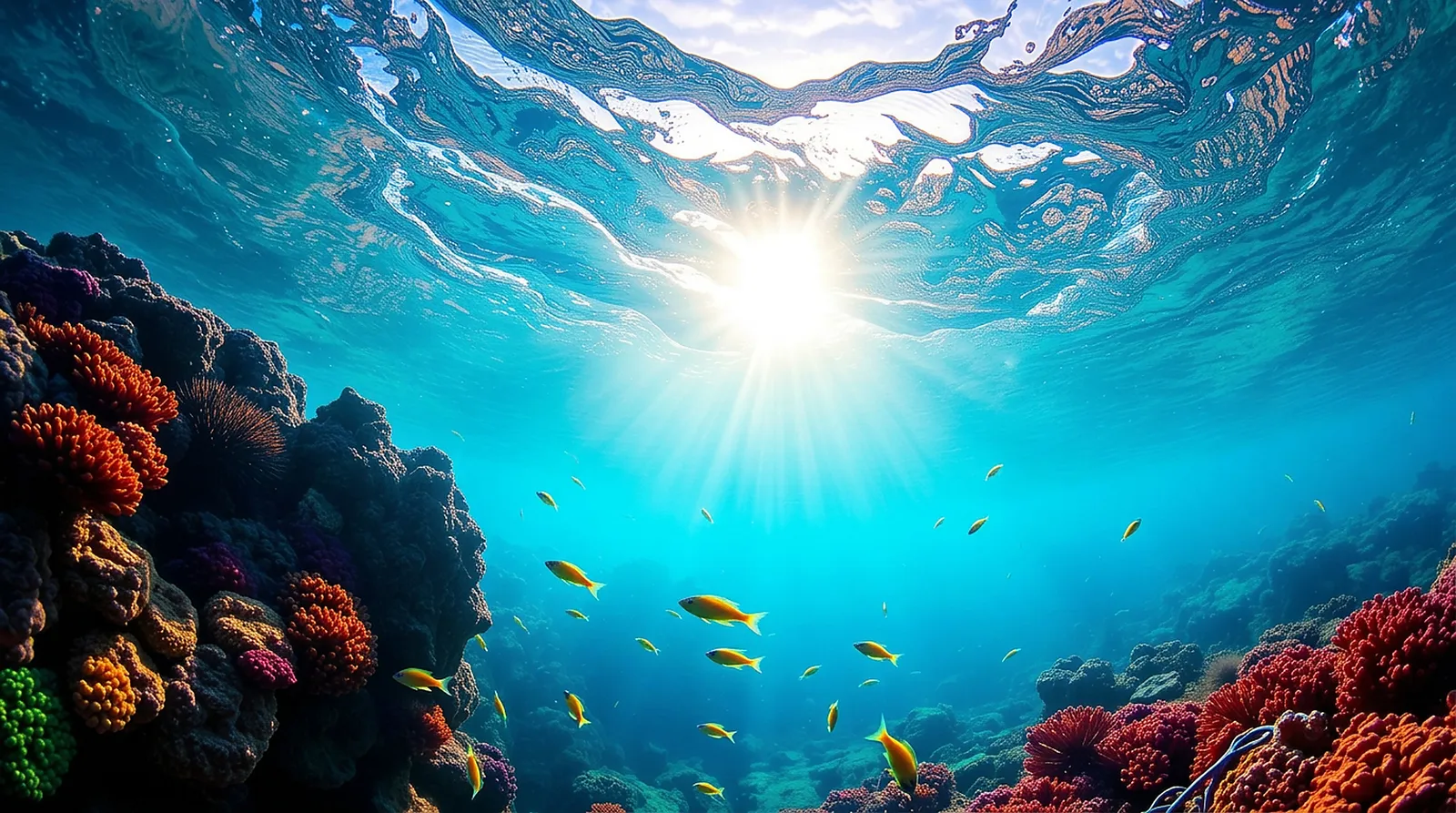
Conditions in July
July in Australia offers a varied diving experience, largely dependent on which part of this vast continent you decide to explore. If you’re yearning for the warm embrace of the tropics, North Queensland, including the Great Barrier Reef, is heading into its dry season. This means generally calm seas and clear skies, a real treat for liveaboard expeditions. Expect water temperatures in the northern sections, like around Osprey Reef and the Ribbon Reefs, to hover comfortably between 24-27°C (75-80°F). As you move south along the Great Barrier Reef, temperatures can dip slightly to 22-24°C (72-75°F). Visibility across the reef system is typically excellent during July, often exceeding 20-30 meters (65-100 feet), thanks to reduced rainfall and calmer conditions that allow suspended sediments to settle.
However, if you're venturing further south, say to New South Wales or South Australia, you're looking at winter diving. Here, water temperatures can be significantly cooler, ranging from 16-20°C (61-68°F) in NSW and even colder in South Australia, around 12-16°C (54-61°F). While the air temperature might be crisp, the colder waters often bring incredible marine life. Visibility in these southern regions can still be very good, frequently in the 15-25 meter (50-80 foot) range, especially around offshore sites. Currents are generally predictable, but specific dive sites, particularly those exposed to open ocean, might experience stronger flows, perfect for drift diving if you’re up for it.
What you will see
July is a phenomenal month for pelagic encounters across Australia. On the Great Barrier Reef, especially in the Coral Sea around Osprey Reef, you’ll be in shark central. Expect thrilling encounters with grey reef sharks, silvertips, and sometimes oceanic whitetips as they cruise the coral walls. This time of year also sees increased activity from potato cod and various schooling fish. If you’re lucky, you might even spot dwarf minke whales, which migrate through the northern Great Barrier Reef between June and August. While the full minke whale season peaks slightly later, July offers promising early opportunities for these gentle giants, often providing incredible in-water interaction opportunities.
Venturing to the Coral Sea, specifically destinations like Osprey Reef, also increases your chances of spotting hammerhead sharks and even marlin. The nutrient-rich currents during this period attract a denser population of larger predators. For macro enthusiasts, the colder southern waters don't disappoint. In areas like Jervis Bay in New South Wales or the waters off Port Stephens, you can find a dazzling array of nudibranchs, seahorses, and cuttlefish. South Australia, around the Eyre Peninsula, is a prime location in July for encounters with the incredibly unique leafy sea dragon, a master of camouflage that thrives in the kelp forests. This is also the tail end of the giant cuttlefish aggregation around Whyalla, although numbers might be tapering off by July, early July can still yield sightings.
Top dive sites this month
For an unparalleled experience in July, you simply cannot miss the Ribbon Reefs and Osprey Reef in North Queensland. These sites on the northern Great Barrier Reef are arguably at their best during the dry season. The famous Cod Hole at the Ribbon Reefs, with its resident potato cods, provides guaranteed close-up encounters, while Osprey Reef’s North Horn is renowned for its shark feeds and spectacular wall diving, teeming with grey reef sharks, silvertips, and barracudas. The relatively calm conditions and exceptional visibility make these sites perfect for exploring their vibrant coral gardens and dramatic drop-offs.
Further south, for those seeking unique temperate water encounters, the waters around the Port Lincoln region in South Australia are a must-visit. Specifically, Neptune Islands offers thrilling encounters with magnificent great white sharks, often viewed from a cage for an adrenaline-pumping experience. For the macro and temperate coral aficionados, Jervis Bay in New South Wales, particularly sites like The Docks or The Arch, will reward you with an incredible diversity of marine life, including vast sponge gardens, nudibranchs, and schooling fish, all easily accessible from Sydney.
Practical tips for your trip
Given the varied conditions in July, packing the right wetsuit is crucial. For the northern Great Barrier Reef, a 3mm full-length wetsuit should be perfectly adequate, offering comfort and sun protection. If you’re heading to southern Queensland or northern New South Wales, a 5mm suit would be more appropriate. For the colder waters of southern NSW and especially South Australia, a sturdy 7mm wetsuit, possibly with a hooded vest or drysuit, is highly recommended to stay comfortable during longer dives in water as low as 12-16°C.
July is an excellent month for both beginners and experienced divers on the Great Barrier Reef due to the generally calm conditions. However, the advanced sites like Osprey Reef and Neptune Islands are best suited for experienced divers comfortable with deeper dives, currents, or cage diving. Liveaboard availability on the Great Barrier Reef is generally good in July, though booking in advance is always wise as it's peak season for ideal weather. For southern destinations, demand for specific experiences like great white shark diving can be high, so secure your spot early. Don't forget reef-safe sunscreen, a good hat, and motion sickness medication if you're prone to it, especially on longer journeys to offshore reefs. Be aware that flights and accommodation in popular tourist areas might see increased prices during this winter school holiday period, so plan diligently.