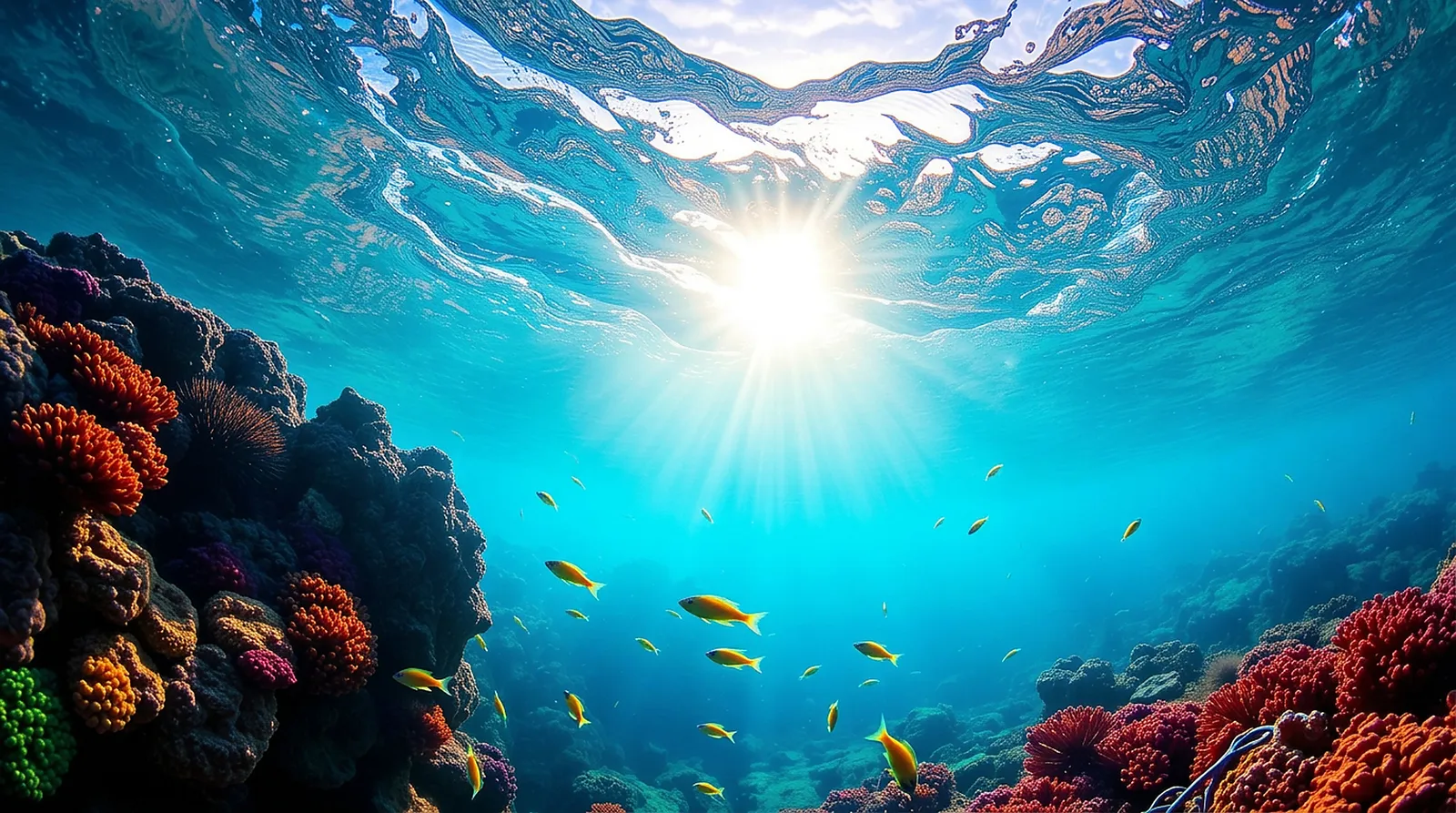
Conditions in September
September in Australia marks a fantastic crossover period for divers, as spring blossoms across much of the continent. While the northern tropics are shaking off the last vestiges of the dry season, the southern temperate zones are warming up, creating a diverse range of diving conditions depending on where you drop anchor. Up north, particularly around the Great Barrier Reef, you can expect glorious weather with minimal rainfall and calmer seas. Water temperatures on the inner GBR will typically hover around 26-28°C (79-82°F), making for incredibly comfortable diving, often in just a 3mm shorty or even a rash guard. Visibility generally reaches impressive highs, frequently exceeding 20-30 meters (65-100 feet), thanks to reduced runoff and settled conditions. Currents are usually mild to moderate, allowing for relaxed drifts and ample time to explore the vibrant reef systems.
Moving south, say towards Byron Bay or even further down to South Australia, September might still feel a little crisp, but it's a magnificent time to explore the temperate waters without the peak summer crowds. Water temperatures here will be cooler, ranging from 18-22°C (64-72°F) in places like Port Lincoln, making a 5mm or even a 7mm wetsuit a wise choice. Visibility can still be excellent, often in the 15-25 meter (50-80 feet) range, especially on days with good weather. The potential for stronger currents exists in some southern sites, so checking local conditions and being comfortable with drift diving is always a good idea. Overall, September offers a superb balance of pleasant surface conditions and excellent underwater clarity across most of Australia’s dive regions, albeit with a temperature gradient from north to south.
What you will see
September is prime time for marine life encounters across Australia, with specific highlights emerging in different regions. On the Great Barrier Reef, the warmer, settled waters of early spring create an explosion of activity. You'll be treated to the usual kaleidoscopic reef fish, vibrant corals, and a good chance of encountering reef sharks – white tips and black tips are common, while grey reef sharks patrol the outer walls. This month also sees an increase in humpback whale sightings on their migratory journey south, often with their calves. While underwater encounters are rare and highly regulated, their songs can sometimes be heard through the water, and surface breaches are a breathtaking sight from the liveaboard. Expect plenty of green sea turtles, loggerheads, and hawksbills gracefully navigating the reef.
Further south, around the Neptune Islands near Port Lincoln in South Australia, September marks the beginning of the prime season for cage diving with great white sharks. While not for the faint of heart, it's an unparalleled opportunity to witness these majestic apex predators in their natural environment. For those preferring a slightly lessadrenaline-fueled experience, areas like Wolfe Rock near Byron Bay start to see early migrations of grey nurse sharks gathering, offering incredible non-cage diving opportunities. And let's not forget the macro life: the vibrant nudibranchs, pipefish, and cleverly camouflaged critters that inhabit the temperate reefs are plentiful and a joy for any discerning photographer. This is a month of significant pelagic movements, from whales to sharks, making every dive a potential surprise.
Top dive sites this month
For unparalleled experiences in September, several Australian dive sites stand out. On the Great Barrier Reef, a trip to the remote Ribbon Reefs, accessible typically via liveaboard from Cairns or Port Douglas, is highly recommended. Sites like Cod Hole offer guaranteed encounters with incredibly friendly potato cod, while the pristine coral gardens, walls, and bommies are teeming with life. The Outer Reef sites such as Osprey Reef, known for its sheer walls and resident pelagics including hammerheads, are magnificent. This area also provides excellent chances to spot manta rays beginning to frequent the cleaning stations more regularly as the water warms.
Moving south, for those seeking the ultimate thrill, the Neptune Islands in South Australia are THE place for great white shark encounters within their natural habitat. Book well in advance for this unique experience. Away from the large predators, the reefs around Byron Bay, particularly Julian Rocks Marine Park, offer fantastic diving. Here you can expect to see large numbers of grey nurse sharks, turtles, wobbegongs, and an incredible array of temperate and tropical fish species converging. The diverse ecosystems make it a truly special place to dive in September.
Practical tips for your trip
When planning your September dive trip to Australia, consider your tolerance for temperature. For the northern Great Barrier Reef, a 3mm shorty or even just a rash guard will be sufficient in the 26-28°C (79-82°F) waters. However, if you're heading south, be prepared with a 5mm or even 7mm full wetsuit, possibly with a hood, especially for multiple dives a day in waters that can dip to 18°C (64°F). This month generally suits all levels of divers. Beginners will revel in the calm, clear conditions of the inner GBR, while advanced divers can explore the deeper outer reefs or specific pelagic hotspots.
Liveaboard availability in September is generally good, as it falls between the peak humpback whale season (ending in August) and the build-up to summer's festive season. However, popular routes, especially to the Ribbon Reefs or specific great white shark expeditions, can book out months in advance, so early booking with Blue Rides is always advisable. Essential packing includes reef-safe sunscreen, a good quality hat, insect repellent (especially if you're venturing onshore in the tropics), and polarized sunglasses. Don't forget your certification cards and logbook. While September offers excellent conditions, always be aware of local marine park regulations, especially regarding interaction with marine wildlife, and respect the fragile ecosystems you are visiting. Enjoy the magnificent Australian underwater world!
Year-round overview for Australia
Frequently asked questions
Is September a good month to dive in Australia?
What can you see diving in Australia in September?
Should I book a Australia liveaboard for September or wait?
Find a liveaboard for September
Compare available Australia liveaboards departing in September.
Search and Book