Conditions in September
So, you're eyeing Papua New Guinea for a dive trip in September? Smart move! This month often falls just after the peak dry season, offering a sweet spot in terms of weather and sea conditions. You can generally expect calm seas, particularly in areas like New Britain and Milne Bay. While the official "dry" season usually runs from May to October, September tends to bring a nice balance – fewer high winds than earlier in the year, and not yet the full onset of the monsoon in most regions. Air temperatures will be a balmy 28-32°C (82-90°F), perfect for topside exploration as well as diving.
Water temperatures across PNG in September are consistently warm, hovering around a very comfortable 27-29°C (81-84°F). This means you won’t be shivering underwater, allowing you to really focus on the incredible marine life. Visibility is generally excellent, often exceeding 20-30 meters in the better sites, and sometimes pushing 40 meters or more in pristine areas with less localized runoff. Currents can be present and are often a key factor for bringing in pelagic action, but they are typically manageable and predictable, especially when diving with experienced liveaboard crews who know the local conditions inside out.
What you will see
September in Papua New Guinea is a truly special time for marine biodiversity. While mantas aren't typically found in large, consistent aggregations akin to those in other global hotspots like Raja Ampat or Hanifaru Bay, the nutrient-rich waters do mean you have a good chance of encountering them, along with eagle rays, as they cruise past reefs. This month is particularly promising for shark encounters. You can expect to see various reef sharks – white-tips, black-tips, and grey reef sharks – patrolling the coral gardens. If you're lucky, and often in areas with stronger currents, you might even spot silvertips or hammerheads. The Witu Islands, for instance, are known for their shark activity.
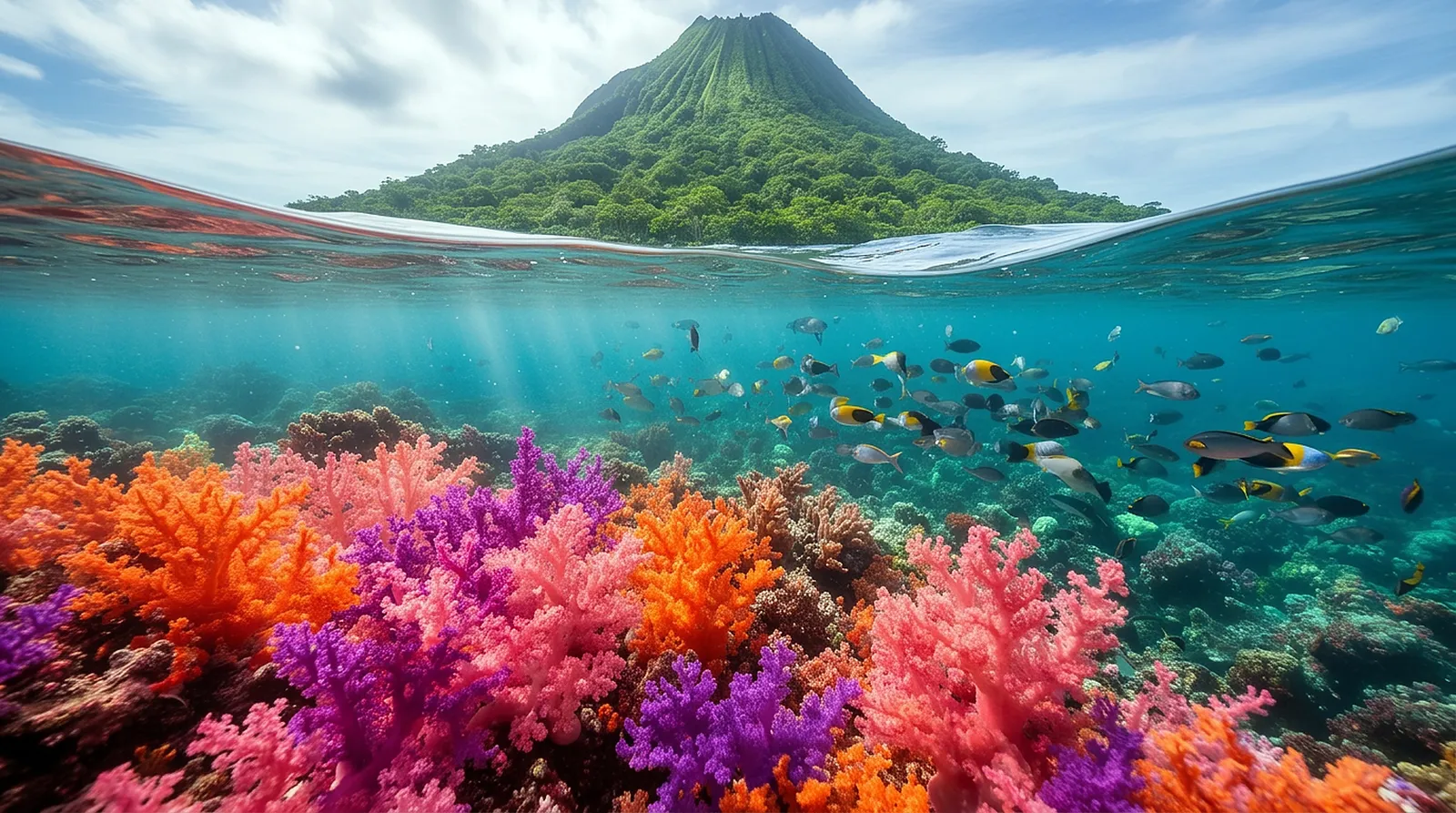
Beyond the larger predators, September is prime time for the dazzling array of smaller life that makes PNG famous. The macro scene here is legendary, and you’ll find an abundance of critters: pygmy seahorses clinging to gorgonians, vibrant nudibranchs of every imaginable color, various species of ghost pipefish, and a multitude of pipefish and rare blennies hidden in the reefs. Ribbon eels, anemonefish, and a vast diversity of crustaceans are practically guaranteed sightings. The sheer volume and health of the coral reefs themselves are a spectacle, from immense hard coral formations to soft coral gardens bursting with color, providing habitat for endless reef fish.
While specific large animal migrations aren't as prominent in September as in some other locations, the consistent healthy ecosystem ensures a constant stream of life. Oceanic pelagics like tuna and barracuda are always a possibility, particularly on deeper dives or at sites exposed to the open ocean. Remember, PNG diving is less about predictable large aggregations and more about the incredible diversity and pristine nature of its reefs.
Top dive sites this month
For a September dive trip, the waters around New Britain and Milne Bay offer some of the most rewarding experiences. In New Britain, particularly along the Kimbe Bay area, you absolutely must visit sites like Walindi Plantation Resort's House Reef (easily one of the best house reefs in the world), offering incredible diversity and macro subjects almost at your doorstep. Further out, sites like Bradford Shoals are phenomenal pinnacles attracting pelagics and boasting stunning coral formations. Restorf Island is another gem, offering a mix of reef and occasional bigger stuff.
Transitioning to Milne Bay, you'll be treated to a different but equally captivating underwater world. The area around Fingers (near Samarai Island) is renowned for its vibrant soft corals and dense reef fish populations, making it a photographer's dream. For wreck enthusiasts, Blackjack (B-17F Catalina) is an iconic dive, steeped in history and now an artificial reef teeming with life. And for those who love critter hunting, the muck diving around Dinah's Beach near Alotau is world-class, consistently delivering rare and unusual finds. These regions provide an excellent cross-section of PNG's diverse diving, all performing brilliantly in September.
Practical tips for your trip
Given the consistently warm water temperatures of 27-29°C (81-84°F) in September, a 3mm shorty or full wetsuit will be more than adequate for most divers. Some experienced warm-water divers might even prefer just a rash guard for protection against the sun and minor scrapes. This month is fantastic for divers of all experience levels. While some sites might have currents that are better suited for advanced divers, liveaboard itineraries are typically designed to offer a mix, ensuring beginners can enjoy the calmer, shallower reefs while experienced divers can tackle the more exhilarating drift dives and pinnacles.
Liveaboard availability in September can start to fill up, as it's still considered a prime time for diving before the more significant monsoon patterns affect some regions later in the year. It’s always savvy to book your liveaboard well in advance – ideally 6-12 months out – to secure your preferred vessel and cabin type. Aside from your standard dive gear, definitely pack plenty of reef-safe sunscreen, a good wide-brimmed hat, and insect repellent, as mosquitoes can be present, especially on land excursions. Remember to bring any personal medications you might need, as accessibility to pharmacies can be limited in remote areas. Finally, be aware that while PNG is incredibly rewarding, it is a developing nation; patience and flexibility with schedules and services will greatly enhance your overall experience.
Year-round overview for Papua New Guinea
Frequently asked questions
Is September a good month to dive in Papua New Guinea?
What can you see diving in Papua New Guinea in September?
Should I book a Papua New Guinea liveaboard for September or wait?
Find a liveaboard for September
Compare available Papua New Guinea liveaboards departing in September.
Search and Book