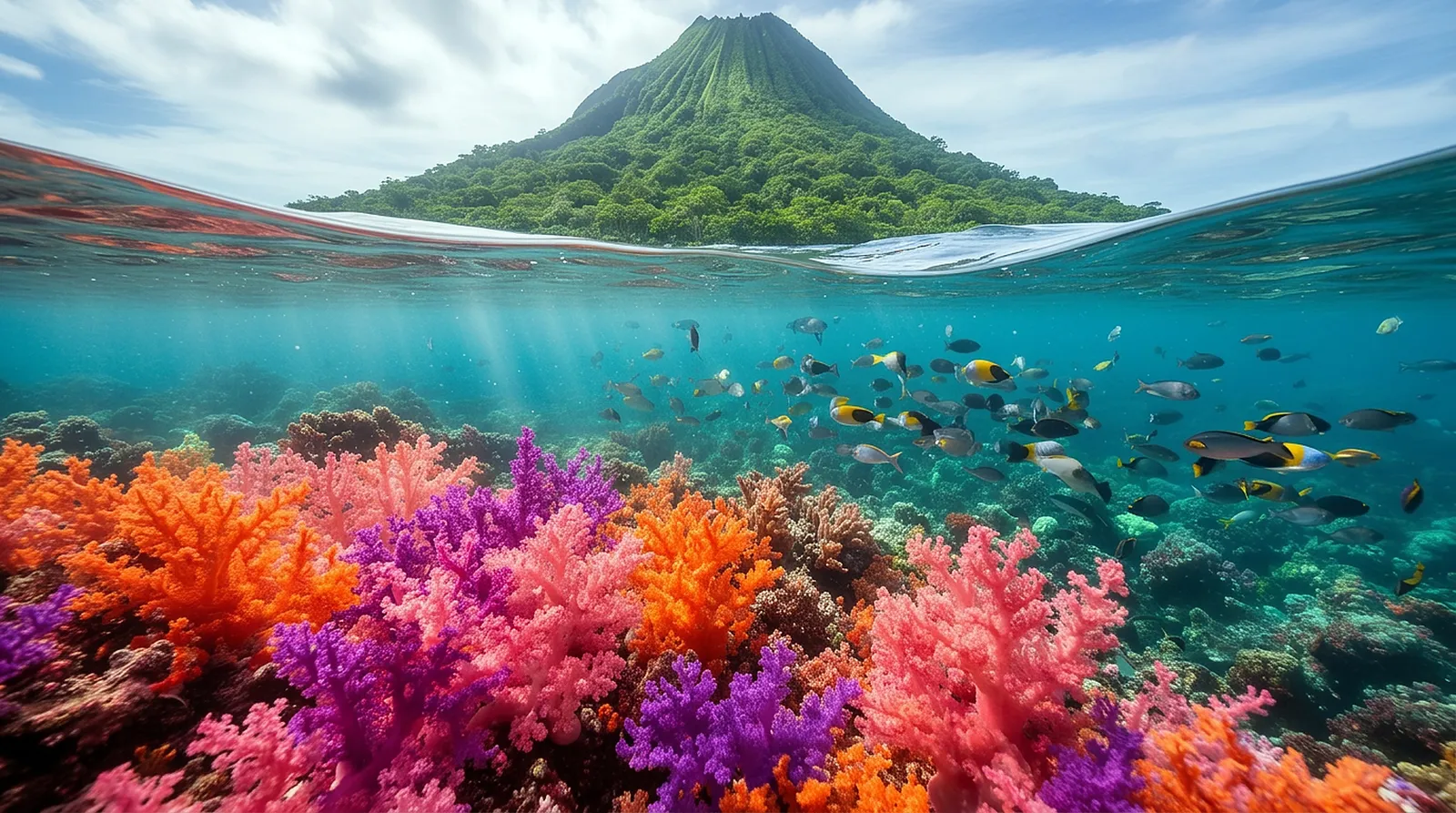
Conditions in January
Diving Papua New Guinea in January is a unique experience, often coinciding with the country's wet season. Don't let the "wet season" moniker deter you, though; this period brings its own set of advantages. You'll find the air temperatures warm and humid, typically ranging from 28-32°C (82-90°F). While there can be more rainfall, particularly in the afternoons, it rarely impacts diving sessions significantly. The beauty of this time is that rain often clears quickly, leaving behind pristine conditions. Sea states can vary, with some calmer protected areas and potentially choppier conditions in more exposed regions. Generally, though, the inner reefs and bays remain quite sheltered.
Water temperatures are consistently warm throughout January across most dive regions, hovering around a pleasant 28-30°C (82-86°F). This means you can comfortably dive with a thin wetsuit or even a rashguard for sun protection. Visibility can be a mixed bag; while it's generally good, ranging from 15-30 meters (50-100 feet), some localized runoffs from heavy rain can temporarily reduce it closer to shore, particularly in specific bays. However, once you're on the outer reefs or further offshore, visibility typically remains excellent. Currents are, as always in PNG, a factor; you'll encounter a range from gentle drifts to stronger flows, depending on the dive site and tidal movements. Your experienced liveaboard crew will always guide you to the most suitable sites.
What you will see
January diving in Papua New Guinea is an absolute treat for those seeking diverse marine life. While big pelagics are a year-round highlight, this month can be particularly rewarding. You can expect to encounter various shark species, including grey reef sharks, whitetip reef sharks, and even hammerheads in certain regions, especially around deeper walls and seamounts. Manta rays are often sighted gliding gracefully in known cleaning stations, particularly around areas like the Bismarck Sea. The nutrient-rich waters brought by the season can sometimes lead to an increase in baitfish swarms, attracting larger predators, creating spectacular feeding frenzies.
Beyond the impressive pelagics, Papua New Guinea truly shines for its incredible biodiversity, and January is no exception. Macro enthusiasts will be in heaven, with an abundance of flamboyant nudibranchs, vibrant pygmy seahorses, and countless species of colourful pipefish and frogfish camouflaged amongst the corals. The healthy, thriving reefs are bursting with life, offering endless photographic opportunities. Keep an eye out for unique critters like the elusive Rhinopias. While seasonal aggregations are constantly monitored, January doesn't typically feature specific, massive aggregations like whale sharks in other parts of the world, but the general richness of the reef system more than makes up for it.
Top dive sites this month
For January, the Bismarck Sea, particularly around the Kimbe Bay and Witu Islands region, is an exceptional choice. Kimbe Bay is famous for its pristine coral reefs and incredible biodiversity, offering a mix of vibrant walls, bommies, and muck diving sites. In January, the sheltered nature of the bay often provides excellent conditions, and you're likely to encounter a fantastic array of fish life, sharks, and macro subjects. Further out, the Witu Islands are known for their healthy reefs, pelagic encounters, and often clearer waters, providing a slightly different, more exposed, but equally rewarding diving experience.
Another fantastic option for January is the Milne Bay Province in the southeast. While known for its excellent muck diving year-round, January's conditions often highlight the smaller, unusual creatures that thrive in these environments. Sites like the famous "Dinah's Beach" (also known as Lauadi), "Crinoid Heaven," and "Caesar's Passage" offer unparalleled opportunities for macro photography and discovering rare critters. The sheltered bays here minimise any impact from potential wet season weather, ensuring consistently good diving.
Practical tips for your trip
Considering the warm water temperatures of 28-30°C (82-86°F) in January, a 3mm shorty wetsuit or even just a rash guard and board shorts will be perfectly adequate for most divers. If you tend to get cold easily or plan on doing multiple dives a day, a full 3mm suit might offer a bit more comfort and sun protection. This month is generally suitable for all levels of divers, from beginners to advanced. While some dive sites may have stronger currents, liveaboards carefully select sites suitable for the group's experience level, and there are plenty of sheltered, calmer reefs perfect for less experienced divers or those looking for a relaxing drift.
Liveaboard availability in January can be good, as it falls outside of the absolute peak dry season. However, PNG is a niche destination, so booking in advance is always recommended to secure your preferred vessel and itinerary. What to pack? Lightweight, breathable clothing is essential for topside comfort. Bring a good reef-safe sunscreen, a wide-brimmed hat, and insect repellent. Remember that PNG has a relatively remote infrastructure, especially outside of major towns, so pack any essential medications. Be aware that while English is widely spoken, a general respect for local customs and traditions will enhance your experience. Embrace the occasional rain shower; it's part of the authentic PNG adventure and often leads to vibrant, healthy reefs beneath the surface!
Year-round overview for Papua New Guinea
Frequently asked questions
Is January a good month to dive in Papua New Guinea?
What can you see diving in Papua New Guinea in January?
Should I book a Papua New Guinea liveaboard for January or wait?
Find a liveaboard for January
Compare available Papua New Guinea liveaboards departing in January.
Search and Book