Conditions in January
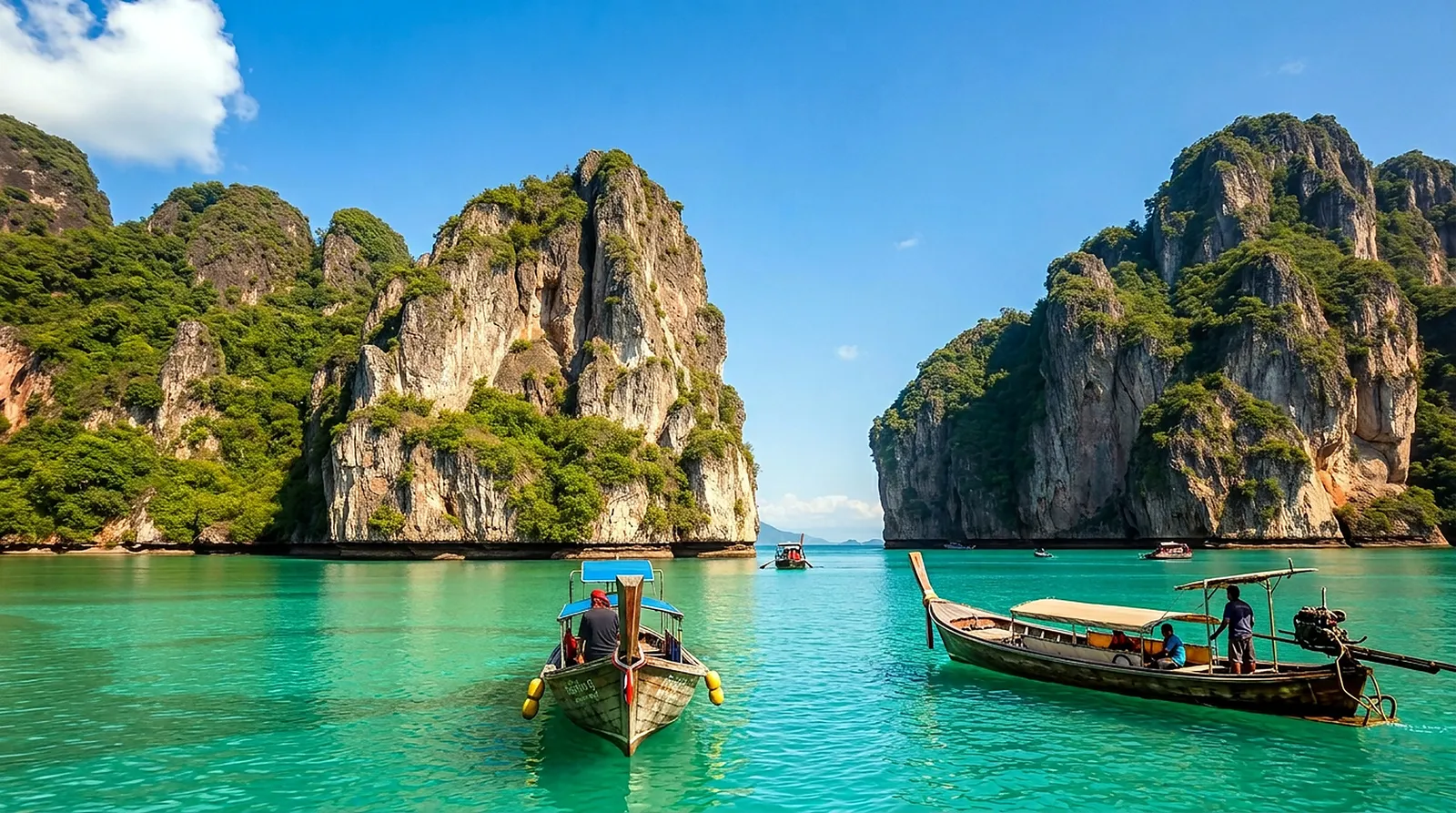
Welcome to the vibrant underwater world of the Philippines in January! If you're dreaming of escaping the winter chill, you've picked an excellent time to explore this diver's paradise. January falls squarely within the dry season for much of the archipelago, particularly the central and western regions which host many of the premier dive destinations. This means you can generally expect clear, sunny skies and calm seas – perfect conditions for liveaboard adventures and stress-free diving. While the northeast monsoon (Amihan) is still active, its impact is mostly felt on the eastern seaboard, which typically experiences stronger winds and choppier conditions during this period. However, for areas like Palawan, Cebu, and Bohol, January is prime time.
Water temperatures across the Philippines in January are wonderfully warm and consistent, usually ranging from a comfortable 26°C to 28°C (79°F to 82°F). This means a 3mm shorty or full suit is more than adequate for most divers, though some might prefer a 5mm for longer or multiple daily dives, especially if you're prone to feeling the cold. Visibility is generally excellent, often exceeding 20-30 meters (65-100 feet) in many popular spots due to the settled weather and absence of heavy rainfall. Of course, local conditions can always vary, especially in channels or areas with strong currents that stir up the seabed, but crystal-clear waters are the norm. Current strengths are also variable; you'll encounter everything from gentle drifts to exhilarating rushes, depending on the dive site and tidal movements. Many of the Philippines' most famous sites are current-dependent, as these bring in the nutrient-rich waters that attract the big stuff!
What you will see
January in the Philippines is a truly spectacular month for marine life. While the whale shark season in Donsol dwindles by December and picks up again later in the year, other pelagic encounters are in full swing. This is a fantastic time for manta ray sightings, especially in destinations known for their cleaning stations. Imagine hovering motionless as these graceful giants glide majestically overhead, or witnessing them feeding in nutrient-rich waters. Sharks are also a common sight, with reef sharks (grey, white-tip, black-tip) being ubiquitous, and thresher sharks at Malapascua are reliably present at their cleaning stations, offering incredible early morning encounters. Lucky divers might even spot hammerheads or oceanic white-tips in certain exposed areas, particularly around offshore atolls.
Beyond the large pelagics, the Philippines' reefs are teeming with an incredible diversity of marine life. January brings vibrant reef fish, from colourful anthias and fusiliers to camouflaged scorpionfish and moray eels. Macro enthusiasts will be in heaven, as the country is a global hotspot for critters. Look out for flamboyant flame scallops, various species of frogfish, pygmy seahorses clinging to gorgonian corals, several types of nudibranchs in every imaginable colour, and countless shrimp and crab species hiding in the coral. Seasonal aggregations aren't as pronounced as in some other months, but generally, the calm conditions and optimal water chemistry mean that reefs are buzzing with activity. You'll find healthy coral gardens, both soft and hard, providing shelter and food for a myriad of creatures, ensuring every dive brings a new discovery.
Top dive sites this month
For an unforgettable dive trip in January, you absolutely must consider a liveaboard journey to the Tubbataha Reefs Natural Park. While the season officially opens in March, some liveaboards start offering trips in late February, so it's worth checking availability if your January visit extends into February. Tubbataha, a UNESCO World Heritage site, is simply breathtaking, famed for its pristine reefs, massive schools of fish, and abundant pelagics, including reef sharks, mantas, and even whale sharks. If Tubbataha is just out of reach for January, then the Visayas region is an absolute must-do, offering phenomenal diving experiences.
Specifically, Malapascua Island, off the northern tip of Cebu, is world-renowned for its guaranteed pelagic sightings of thresher sharks at Monad Shoal, a truly unique experience that you won't find anywhere else. The early morning dives are cold and dark, but seeing these majestic sharks up close is worth every second. Close by, you can explore the incredible walls and macro life around Gato Island. Another top spot for January is the area around Moalboal, Cebu, famous for its sardine run at Panagsama Beach, where millions of sardines form mesmerizing, ever-changing bait balls right off the shore. Lastly, consider the dive sites around Balicasag Island near Bohol, which offer spectacular walls, healthy coral gardens, and frequent encounters with green turtles. The reefs here are vibrant, and visibility is typically excellent, making it a fantastic addition to any January itinerary.
Practical tips for your trip
As mentioned, a 3mm wetsuit is usually sufficient for most divers in January's balmy waters, though a 5mm might be preferred for those who get cold easily or plan on extended periods in the water. This month is fantastic for all levels of divers. Beginners will appreciate the generally calm conditions and excellent visibility in many areas, which make learning and exploring a joy. Advanced divers will relish the opportunities for pelagic encounters and drift dives in areas like Moalboal or Balicasag. Liveaboard availability in January can be competitive, especially for the more popular routes and boats, as it's a peak season. So, planning and booking your trip well in advance – ideally 6 to 12 months out – is highly recommended to secure your preferred itinerary and cabin.
When it comes to packing, think light and tropical. Breathable clothing, swimwear, reef-safe sunscreen, a good hat, and insect repellent are essentials. Don't forget your dive computer, your preferred mask, and maybe even a torch for those captivating night dives. Remember that some dive sites, particularly those with stronger currents, might require a reef hook or finger spool, so it's a good idea to have your own. As for things to be aware of, internet connectivity can be spotty in more remote dive resorts or on some liveaboards, so be prepared to disconnect and fully immerse yourself in the experience. While English is widely spoken in tourist areas, learning a few basic Filipino phrases can always enhance your interactions. January is generally a safe and spectacular time to dive in the Philippines, so get ready for an unforgettable adventure!
Year-round overview for the Philippines
Frequently asked questions
Is January a good month to dive in the Philippines?
What can you see diving in the Philippines in January?
Should I book a the Philippines liveaboard for January or wait?
Find a liveaboard for January
Compare available the Philippines liveaboards departing in January.
Search and Book