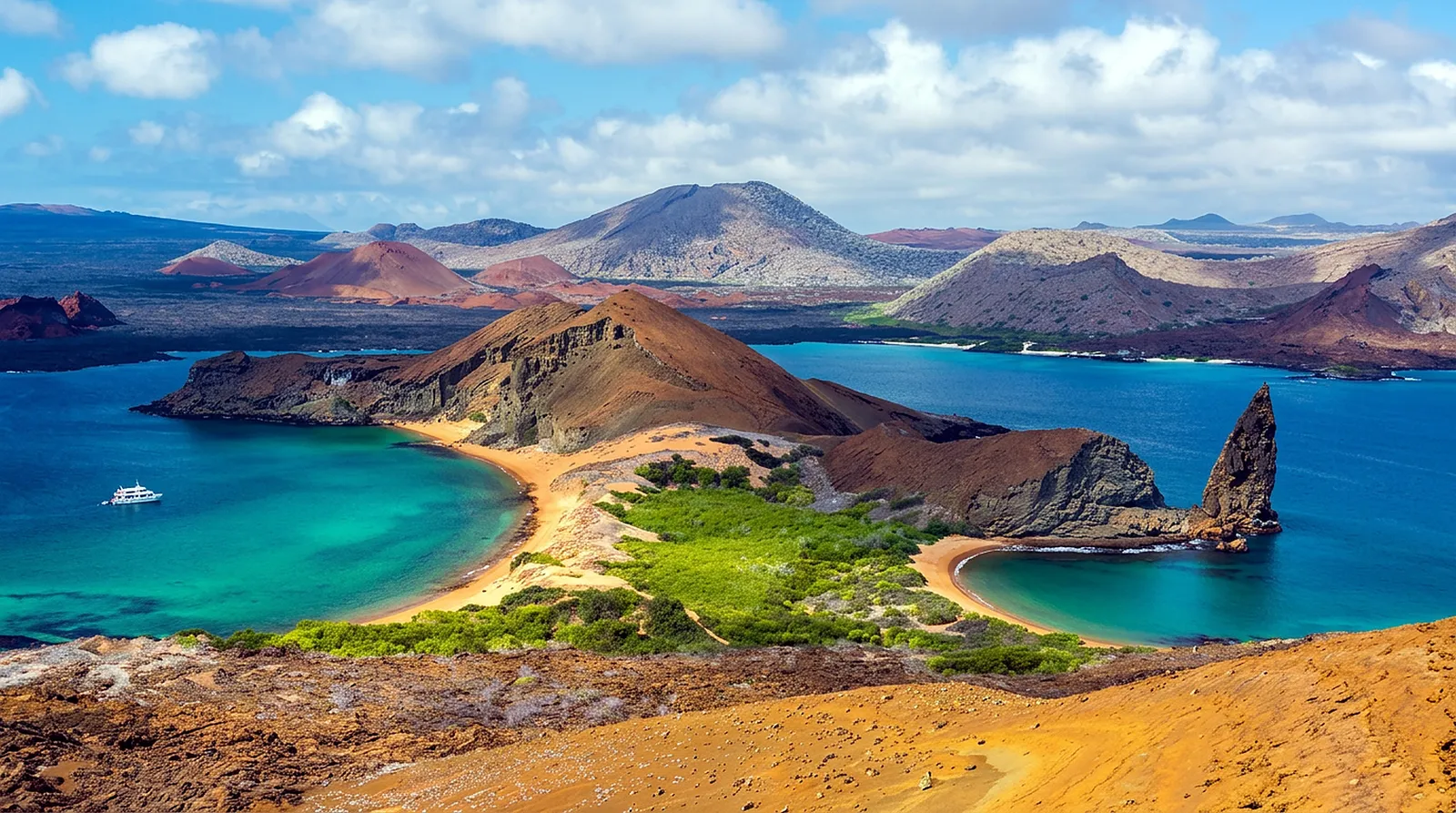
Conditions in January
January marks the transition from the warmer, wetter season to the cooler, drier season in Galápagos, offering a unique blend of conditions for divers. Generally, you can expect the water temperatures to be on the warmer side, ranging from 23-26°C (73-79°F). This is a welcome change from the colder months, making for more comfortable dives, though a good 3mm or 5mm wetsuit is still advisable, especially for multiple dives a day. The air temperature is also pleasant, averaging around 27-30°C (80-86°F) with occasional showers as the intertropical convergence zone shifts.
Visibility during January can vary. While the warmer waters often mean more plankton, which can reduce visibility in some areas, you can still anticipate decent conditions, typically ranging from 10-20 meters (30-65 feet). Certain dive sites, particularly those more exposed to oceanic currents, may offer clearer conditions. Sea state is generally calmer compared to the breezier dry season months, making for smoother liveaboard journeys between islands, though you should always be prepared for some swell, especially around the exposed northern islands like Wolf and Darwin. Currents can be strong, as is typical for Galápagos, often necessitating negative entries and drift diving techniques.
What you will see
January is an incredible time for pelagic encounters in Galápagos, as the warmer water temperatures often bring richer food sources. This attracts a magnificent array of marine life. You can expect thrilling interactions with large schools of hammerhead sharks, particularly at iconic sites like Wolf and Darwin Islands. These graceful predators are a staple of Galápagos diving, and their aggregations in January can be truly breathtaking. Look out for Galápagos sharks and silky sharks too, often cruising along the current lines.
Beyond the sharks, manta rays become more prevalent in the warmer waters. While not guaranteed, encounters with these majestic giants, sometimes in cleaning stations, are a real possibility. Eagle rays are also common, often seen gliding gracefully through the water. Keep an eye out for curious Galápagos sea lions, who are always eager to play with divers, and don't be surprised to spot green sea turtles and hawksbill turtles leisurely moving through the reef. Macro enthusiasts will still find plenty to appreciate, with various nudibranchs, colorful reef fish, and endemic species providing smaller, intricate details to observe.
January also falls within the mating and nesting season for many bird species on the islands, which, while not directly related to underwater sightings, adds to the overall wildlife spectacle. Underwater, you might encounter large schools of Jacks and barracuda, creating mesmerizing formations. The rich biodiversity of Galápagos means that every dive offers the potential for unique and unforgettable sightings, making January a prime month for experiencing the archipelago's famous marine wonders.
Top dive sites this month
While Galápagos offers exceptional diving year-round, January particularly highlights the prowess of the northernmost islands. Wolf Island and Darwin Island are, without a doubt, the stars of the show. These remote outposts are renowned for their incredible pelagic action, and in January, the warmer waters often mean more abundant food and thus, more sharks. You'll likely encounter massive schools of hammerheads at sites like Darwin's Arch and Shark Bay, along with Galápagos sharks, silky sharks, and potentially whale sharks, though their peak season is later. The strong currents here make for exhilarating drift dives and are a playground for large marine life.
Additionally, sites around Gardner Islet and Española Island can offer excellent opportunities for encounters with a diverse range of reef fish, eagle rays, and playful sea lions. While not as famous for megafauna aggregations as the northern islands, these southern sites provide a complementary experience with vibrant reef life and a chance to witness the unique behavior of the local marine ecosystem. For a chance to encounter manta rays in the shallower, calmer waters, exploring areas around Isabela Island can be highly rewarding in January.
Practical tips for your trip
For diving in Galápagos in January, a 5mm wetsuit is generally recommended. While the water can be warmer than in the cool season, multiple dives a day, especially with strong currents, can lead to chilling. An open-cell or semi-dry 5mm suit will provide ample insulation and comfort. Consider bringing a hood or a hooded vest for added warmth, particularly for extended dives. This month is generally well-suited for intermediate to advanced divers. The presence of strong currents and the need for negative entries at sites like Wolf and Darwin mean that comfort in challenging conditions is beneficial. While beginners can certainly dive in Galápagos, those without drift diving experience might find the northern sites a bit overwhelming.
Liveaboard availability in January can be competitive, as it's a popular time to visit. Booking well in advance (6-12 months) is highly advisable to secure your preferred itinerary and vessel. Don't forget to pack reef-safe sunscreen, a wide-brimmed hat, and insect repellent for your surface intervals and land excursions. Motion sickness medication is also a good idea, as ocean crossings can be choppy. Be aware that the Galápagos National Park has strict regulations to protect its unique ecosystem, so always follow your dive guide's instructions and maintain a respectful distance from all wildlife. Embrace the unpredictable nature of marine encounters; while certain sightings are probable, the ocean always holds surprises.
Year-round overview for the Galápagos
Frequently asked questions
Is January a good month to dive in the Galápagos?
What can you see diving in the Galápagos in January?
Should I book a the Galápagos liveaboard for January or wait?
Find a liveaboard for January
Compare available the Galápagos liveaboards departing in January.
Search and Book