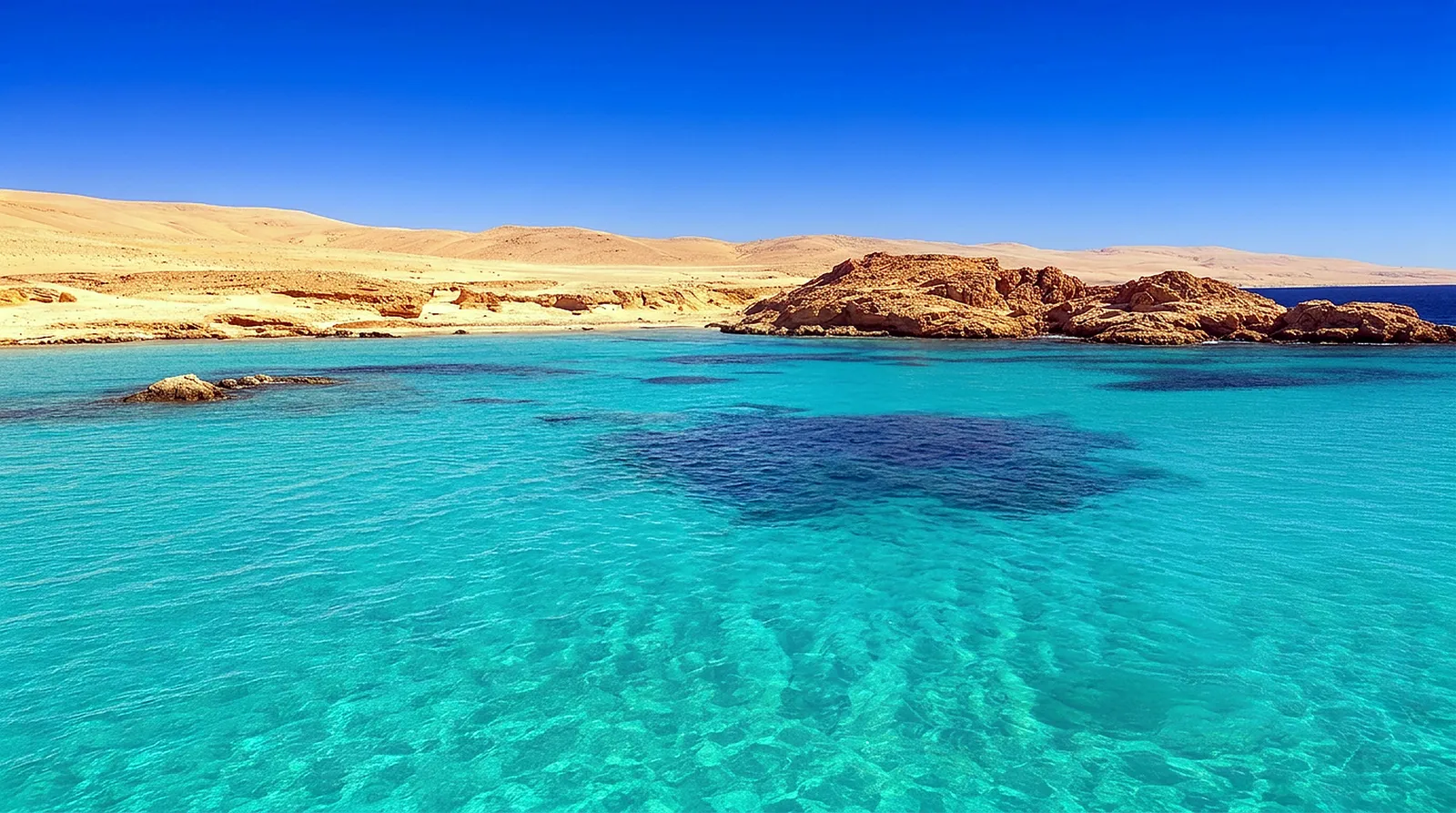
Conditions in January
You're thinking of escaping the winter chill for some Egyptian sunshine and world-class diving? January in the Red Sea is a fantastic choice, offering a unique set of conditions that can be incredibly rewarding for the keen diver. This time of year generally brings cooler air temperatures, typically ranging from a pleasant 20-25°C (68-77°F) during the day, dropping to about 12-18°C (54-64°F) overnight. While you might need a light jacket for après-dive evenings, the days are usually bright and sunny, perfect for soaking up some vitamin D between dives.
The sea state in January can be a mixed bag; it's generally calmer around the more sheltered northern dive sites closer to Hurghada or Sharm El Sheikh. However, venturing south to the offshore reefs like the Brothers Islands or Daedalus can sometimes mean encountering choppier conditions and stronger winds. Liveaboards are excellently equipped to handle this, ensuring your comfort. Water temperatures average around 22-24°C (72-75°F) – not bathwater warm, but certainly comfortable with the right exposure suit. Visibility is often phenomenal, frequently exceeding 30 meters (100 feet), thanks to fewer plankton blooms and generally stable conditions. Currents vary from mild to strong, especially on the offshore walls, which often contribute to the incredible pelagic action you'll be hoping for.
What you will see
January in the Red Sea is prime time for big fish encounters, making it particularly exciting for those seeking pelagic action. The cooler water temperatures and unique oceanic currents of this season often attract a greater abundance of sharks and other large marine life to the offshore reefs. You have excellent chances of spotting oceanic whitetip sharks cruising the thermoclines at sites like the Brothers Islands. These magnificent creatures are often curious, providing unforgettable encounters. Hammerhead sharks, while never guaranteed, are more commonly sighted in January, especially around Daedalus Reef where their distinctive silhouettes cut through the blue.
Beyond the iconic sharks, you'll find an abundance of reef sharks – grey reef and white-tip reef sharks are frequently seen patrolling the drop-offs. Spanish dancers and other nudibranchs are also more prevalent in the cooler water, adding a touch of vibrant macro life to the otherwise grand pelagic stage. Schooling barracuda, trevally, and large tuna are regular fixtures, often forming impressive tornadoes of silver. The vibrant hard and soft corals are always a highlight in the Red Sea, and in January, they are as stunning as ever, providing a colourful backdrop to the marine drama unfolding around them.
Top dive sites this month
For an epic January Red Sea adventure, you absolutely must prioritize the offshore marine parks. The undeniable champions for this month are the Brothers Islands (Big Brother and Little Brother). These remote islands are famous for their healthy coral reefs, deep walls, and consistent sightings of oceanic whitetip sharks, especially around the wrecks of the Numidia and Aida. The currents here funnel nutrients, attracting large schools of fish and subsequently, their predators.
Another must-visit is Daedalus Reef. This isolated circular reef offers steep walls covered in vibrant soft corals and is a known aggregation point for hammerhead sharks. Early morning dives increase your chances of witnessing these majestic creatures. Finally, Elphinstone Reef, accessible from Marsa Alam, rounds out the top three. Known for its challenging currents and spectacular drop-offs, Elphinstone also offers excellent opportunities for oceanic whitetips and occasionally hammerheads, alongside resident grey reef sharks. Doing these sites by liveaboard is the only practical way, maximizing your dive time on these world-class reefs.
Practical tips for your trip
Given the water temperature of 22-24°C (72-75°F), a 5mm wetsuit is highly recommended for comfort and warmth, especially if you plan on doing multiple dives a day. Some divers might even prefer a 7mm or a 5mm with a hood or vest for extended bottom times. Don't forget a warm jacket for surface intervals and evenings, as air temperatures can drop. January diving in Egypt is best suited for intermediate to advanced divers due to the potential for stronger currents and the exposure on offshore reefs. Entry-level divers might find the conditions, particularly at the marine parks, a bit challenging, though there are plenty of sheltered, easier dive sites closer to shore if you opt for a day boat operation.
Liveaboard availability in January can be good, as it falls just outside the peak holiday rush, but booking in advance is always wise to secure your preferred boat and itinerary. Pack layers for both on and off the boat, including a good windbreaker. Sunscreen, a wide-brimmed hat, and sunglasses are essential, even in winter. Remember to bring any personal medications, seasickness remedies (just in case!), and your dive certification and insurance documents. While Egypt is generally very safe, it's always smart to stay informed about local customs and travel advisories. Get ready for an unforgettable winter escape, exchanging cold weather for incredible underwater encounters in the magical Red Sea!
Year-round overview for Egypt
Frequently asked questions
Is January a good month to dive in Egypt?
What can you see diving in Egypt in January?
Should I book a Egypt liveaboard for January or wait?
Find a liveaboard for January
Compare available Egypt liveaboards departing in January.
Search and Book