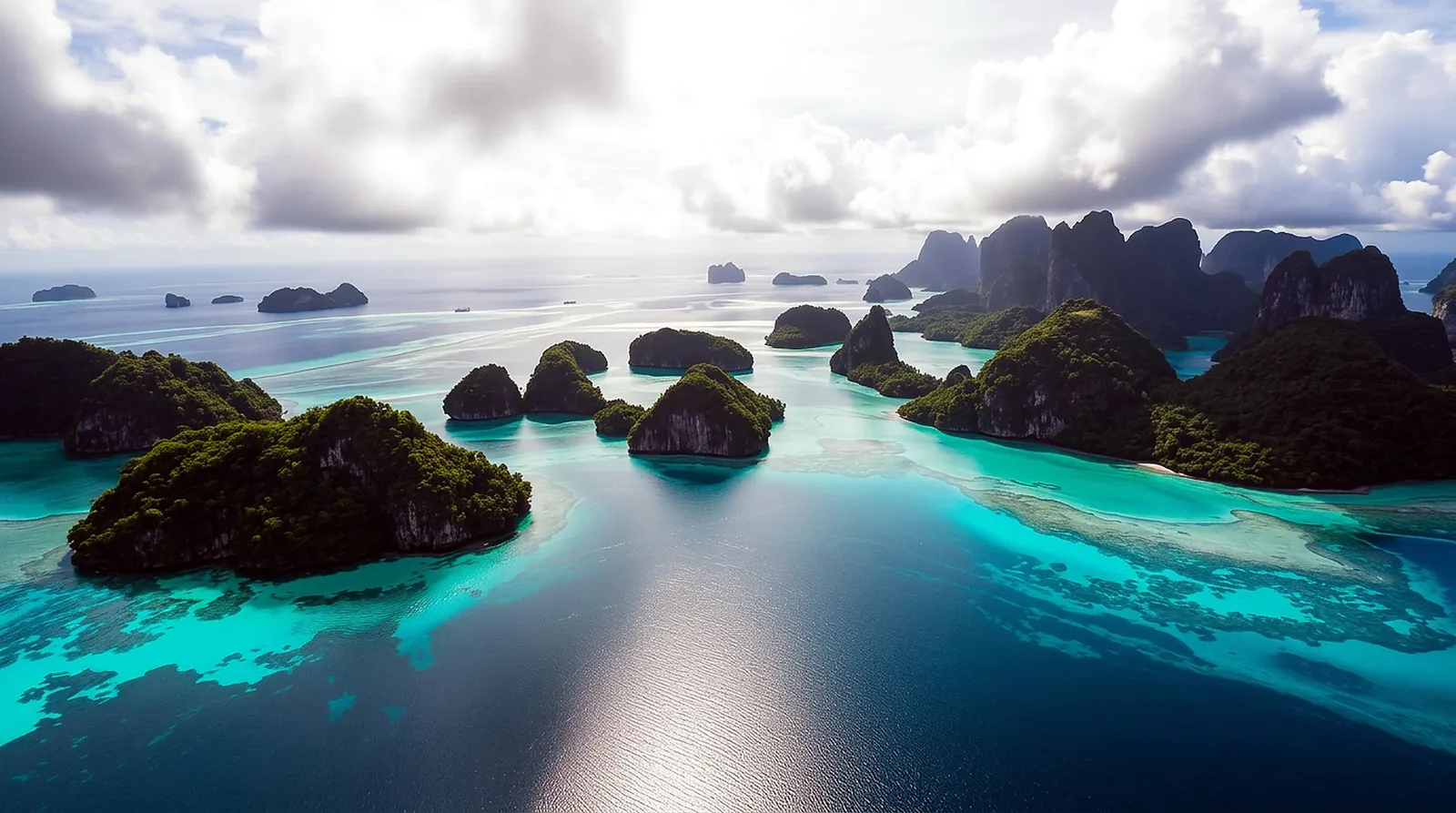
Conditions in January
So, you are dreaming of escaping the winter chill and diving into the vibrant waters of Indonesia in January? Excellent choice, but let's dive into the realities of what you can expect. January falls right in the middle of Indonesia's wet season, meaning you're likely to encounter more rain. Don't fret too much, though; these are typically tropical downpours that can be intense but often don't last all day, especially in the eastern reaches. The good news is that the air temperatures remain consistently warm and humid, usually hovering around 27-32°C (81-90°F).
When it comes to sea conditions, January presents a mixed bag. The western parts of Indonesia, often including popular destinations like Bali and parts of Lombok, can experience rougher seas and stronger winds due to the northwest monsoon. This can lead to decreased visibility and more challenging diving conditions, and some sites may even be inaccessible. However, as you move further east, towards areas like Raja Ampat, the Banda Sea, and Komodo, the monsoon's impact lessens considerably. Here, you'll still find relatively calm waters, though occasional squalls are possible. Water temperatures across the archipelago are generally balmy, ranging from 27-30°C (81-86°F), making for incredibly comfortable diving without thick wetsuits.
Visibility is perhaps the most variable factor in January. In areas heavily affected by the monsoon, runoff from rivers can reduce visibility significantly. However, in the eastern regions, especially around Raja Ampat, visibility can still be excellent, often ranging from 15-30 meters (50-100 feet) or even more on a good day. Currents are a constant feature of Indonesian diving and can be strong in many areas regardless of the season. January is no exception, so expect exhilarating drift dives, particularly in sites known for nutrient-rich currents. Always be prepared for varying conditions and listen closely to your dive guides.
What you will see
January in Indonesia, particularly in the eastern regions, remains a prime time for marine encounters. Raja Ampat, for instance, lives up to its reputation as the epicenter of marine biodiversity year-round. You can expect to encounter an astonishing array of species, from tiny pygmy seahorses clinging to gorgonian fans to majestic manta rays gracefully gliding through cleaning stations. January is excellent for spotting multiple species of reef sharks, including blacktip, whitetip, and even the elusive wobbegong shark, often found camouflaged on the seafloor. Pelagic action is strong, with schools of barracuda, jacks, and tuna frequently seen swirling in the blue. Keep an eye out for resident dugongs in some areas, though these shy creatures require a bit of luck to spot.
While the western areas might have lower visibility, the eastern parts offer incredible opportunities. In Raja Ampat, sites like Manta Ridge and Blue Magic are consistently active with manta rays, and you might even witness them being cleaned by smaller fish. The coral reefs themselves are a spectacle of vibrant colors, teeming with an unparalleled density of fish species. Macro enthusiasts will be in heaven, discovering a wealth of nudibranchs, flamboyant cuttlefish, and various crustaceans hidden amongst the corals. The vibrant soft corals, gorgonian fans, and sponges create a backdrop that is as beautiful as the creatures within it.
Even for Komodo, while it's technically the wet season, the liveaboard operations still run and can offer fantastic diving. You'll still encounter Komodo's signature strong currents and the pelagic life that thrives in them, including reef sharks, eagle rays, and schooling fish. And of course, the ever-present chance of seeing those magnificent Komodo dragons on land is always a bonus. For those who brave the potential for rain, the reward is often fewer crowds and still-incredible marine life encounters that are truly world-class.
Top dive sites this month
For January, your absolute best bet for phenomenal diving in Indonesia is undoubtedly Raja Ampat. Its location in the Coral Triangle means it's less affected by the northwest monsoon that impacts other parts of the country, offering generally calm seas and excellent visibility. Dive sites like Cape Kri, known for its incredible fish diversity and density, Blue Magic, a consistent manta ray cleaning station, and Manta Ridge, another prime spot for multiple manta encounters, are still performing at their peak. You'll find vibrant soft corals, intricate hard coral gardens, and an abundance of macro life alongside thrilling pelagic action.
Another strong contender for January is the Banda Sea, often explored as part of longer itineraries connecting Raja Ampat or Komodo. While a bit more remote, the "Ring of Fire" region offers dramatic volcanic topography and nutrient-rich waters that attract a staggering array of marine life. Keep an eye out for larger pelagics and schooling fish. And don't rule out the eastern reaches of Komodo National Park. While the main season for Komodo is typically drier, liveaboards still operate in January, focusing on more sheltered sites. You can still expect thrilling drifts at sites like Castle Rock and Crystal Rock, with their aggregations of reef sharks, giant trevally, and schooling snappers, though conditions might be slightly more variable than in the peak dry season months.
Practical tips for your trip
Considering the consistently warm water temperatures, a 3mm shorty or full wetsuit is usually more than sufficient for diving in Indonesia during January. Some divers even opt for just a rash guard for protection against the sun and minor stings. This month is well-suited for all levels of divers, though those heading to Komodo or Raja Ampat should be comfortable with currents, as many of the best sites involve drift diving. Therefore, advanced open water certification and experience with stronger currents will enhance your enjoyment. If you're a beginner, look for itineraries that specifically cater to less current-intensive sites, or consider areas like many of Raja Ampat's sheltered bays which offer gentler conditions.
Given that January is part of the wet season, liveaboards in the eastern regions like Raja Ampat tend to be readily available, and you might even find some attractive deals compared to the absolute peak dry season. However, booking in advance is always wise, especially for popular boats or specific itineraries. When packing, think light and quick-drying clothes. A good quality waterproof jacket or poncho is essential for those occasional downpours, and sealable dry bags are a lifesaver for protecting electronics on tenders. Don't forget reef-safe sunscreen, a wide-brimmed hat, insect repellent, and motion sickness medication if you're prone to it, as some crossings can be choppy. Be aware that travel delays due to weather are slightly more common during the wet season, so build in some buffer days if your schedule is tight. Embrace the tropical climate, and you're in for an unforgettable adventure!
Year-round overview for Indonesia
Frequently asked questions
Is January a good month to dive in Indonesia?
What can you see diving in Indonesia in January?
Should I book a Indonesia liveaboard for January or wait?
Find a liveaboard for January
Compare available Indonesia liveaboards departing in January.
Search and Book