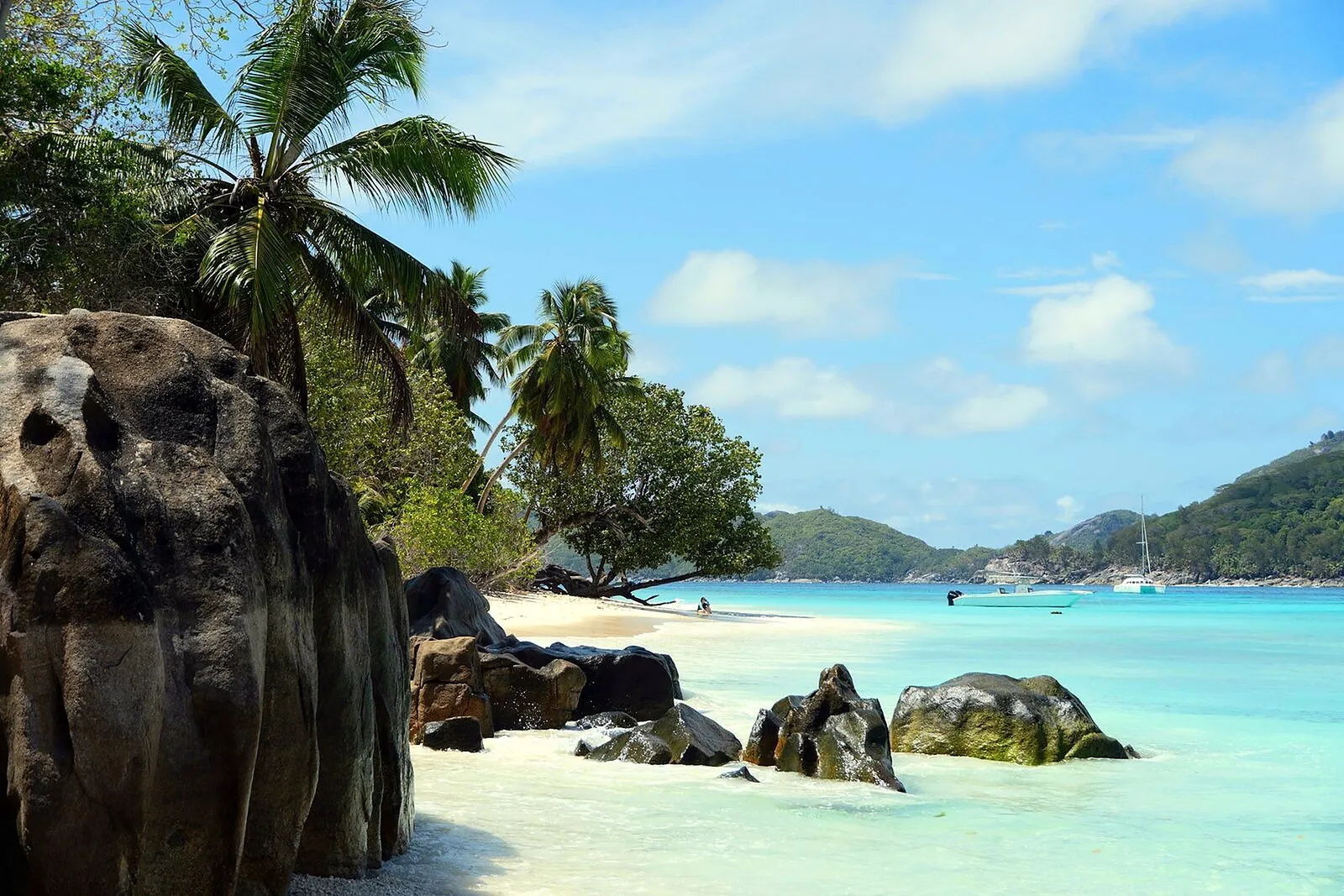
Conditions in January
So, you’re thinking about diving Seychelles in January? Alright, let’s talk brass tacks. January sits smack in the middle of the northwest monsoon season, and that comes with a distinct set of experiences for divers. Generally, this means warmer air and water temperatures, but also a higher chance of rain and stronger winds compared to the calmer southeast monsoon. Don't let that deter you though; many divers still find this a fantastic time to visit, especially if you prioritize certain marine encounters.
When it comes to the sea state, you can expect it to be a bit choppier than during the drier months. This can sometimes affect surface intervals and transfers between dive sites, so be prepared for a bit of motion. Water temperatures are blissfully warm, typically hovering around 28-29°C (82-84°F). This is fantastic for comfort, allowing you to often get away with a lighter wetsuit or even just a rash guard.
Visibility during January can be a mixed bag. While certain sites might still offer decent clarity, the increased plankton blooms, typical of warmer waters and monsoon currents, often reduce visibility compared to the peak dry season. You might be looking at around 10-20 meters on average, with occasional days dipping lower or spiking higher. Currents can also be more prominent and unpredictable, making some dives more suitable for experienced divers. But hey, these plankton blooms are exactly what attracts the big stuff, so it’s a trade-off many are happy to make!
What you will see
January in Seychelles is all about the pelagics, thanks to those nutrient-rich waters we just talked about. If you're a fan of big fish, this could be your golden ticket. Whale sharks, while never guaranteed, are cruising the deeper waters and feeding grounds, and January is considered one of the prime months for potential sightings, especially around the outer islands. Keep those eyes peeled in the blue, because you seriously don't want to miss that majestic encounter.
Besides the gentle giants, you're likely to encounter a host of other exciting marine life. Reef sharks – white-tip, black-tip, and grey reef sharks – are common residents on many dive sites. You’ll also have good chances to spot several species of rays, including eagle rays gracefully gliding by and robust reef manta rays at cleaning stations. Large schooling fish, such as barracuda and jacks, often form impressive tornadoes, particularly around deeper pinnacles and wreck sites.
While January might not be renowned for crystal-clear macro photography opportunities due to visibility, the abundance of nutrients also supports a vibrant reef ecosystem. Look closely and you'll still find plenty of reef inhabitants: colourful nudibranchs, crabs, shrimps hiding in anemones, and a dazzling array of reef fish including parrotfish, angelfish, and snappers. Don't forget to glance at the sand; stingrays and garden eels are often seen swaying in the current.
Top dive sites this month
Given the conditions and marine life activity, several regions and specific sites in Seychelles offer excellent diving in January, especially on a liveaboard that can move with the conditions. The Inner Islands are generally more sheltered and accessible. Sites around Mahé, including the Virgin Rocks, known for its strong currents and impressive rock formations that attract schooling fish and occasional pelagics, can be fantastic. Another Mahé favourite is the Ennerdale Wreck, a popular artificial reef where schooling fish, groupers, and even leopard sharks are frequently spotted. The wreck’s resident moral eels are also a highlight.
Moving further afield, the dive sites around Praslin and La Digue also shine. South Sister (often just "Sister Banks" or "Sister Rock") near La Digue is a granite pinnacle famous for attracting pelagics, including whale sharks and various reef sharks, during these months. Its deeper sections are particularly interesting. Similarly, Coco Island, a small marine park near La Digue, offers beautiful granite formations teeming with vibrant reef life and is another potential spot for larger reef creatures. These sites generally offer good reef diversity and chances for thrilling big fish encounters, making them solid choices for your January dive adventure.
Practical tips for your trip
When packing your wetsuit for January, you’ll be comfortable with a 3mm shorty or even just a rash guard for most dives, thanks to those toasty 28-29°C (82-84°F) waters. If you tend to get cold easily or plan on multiple dives a day, a full 3mm suit would be a sensible choice. This month is generally well-suited for all levels of divers. Beginners should stick to the more sheltered inner reefs and shallower sites. More experienced divers will appreciate the potential for stronger currents and the excitement of larger pelagic encounters that come with the season.
Liveaboard availability in Seychelles is generally good in January, sitting just outside the absolute peak holiday season, but it's always wise to book well in advance to secure your spot on your preferred vessel. Given the potential for choppier seas and increased rain, a liveaboard is often a fantastic choice, as it can chase the best conditions and move between islands, providing more diverse diving opportunities. Don’t forget to pack light rain gear, biodegradable sunscreen, and perhaps some motion sickness medication if you're prone to seasickness. While the visibility can be variable, the chance to see whale sharks and other large pelagics makes January a truly special time to explore the underwater world of Seychelles. You might just have your most epic dive yet!
Year-round overview for the Seychelles
Frequently asked questions
Is January a good month to dive in the Seychelles?
What can you see diving in the Seychelles in January?
Should I book a the Seychelles liveaboard for January or wait?
Find a liveaboard for January
Compare available the Seychelles liveaboards departing in January.
Search and Book