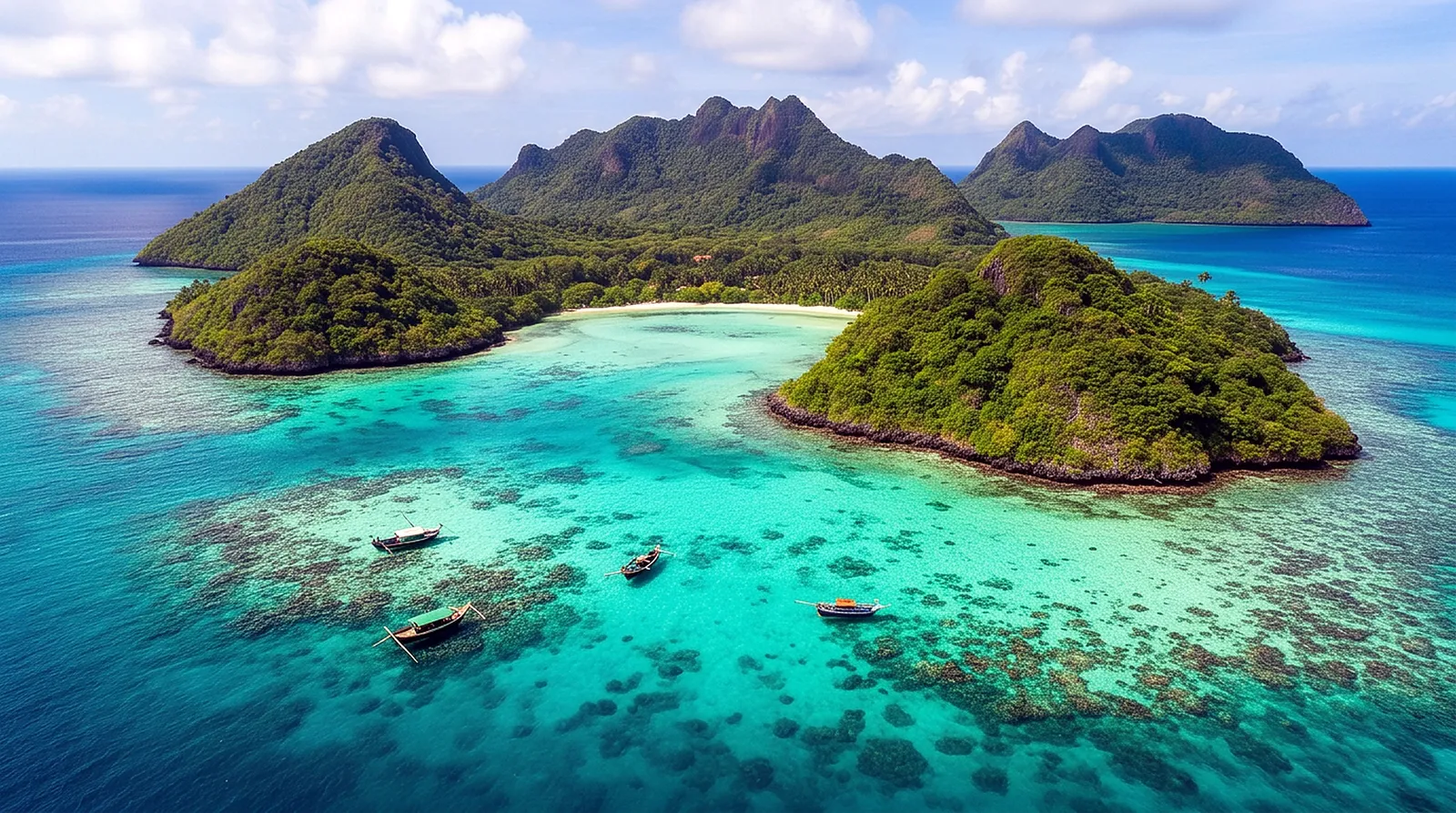
So, you're dreaming of escaping the winter chill and diving into the vibrant underwater world of Alor this January? Excellent choice! While December to February officially marks the wet season in this exquisite corner of Indonesia, Alor offers a unique charm during this period that savvy divers shouldn’t overlook. Blue Rides is here to give you the honest lowdown on what to expect when you embark on a liveaboard adventure to Alor during the first month of the year.
Conditions in January
January in Alor, being part of the wet season, does bring a different set of conditions compared to the dry season, but don't let that deter you. The air temperature is consistently warm, with occasional tropical downpours that are often short-lived and usually occur in the late afternoon or evening. These rains refresh the air and landscape, making for lush scenery. The sea state can be a bit more unpredictable than in the dry season, with some choppier passages possible, especially in more exposed areas. However, liveaboards are experts at finding sheltered coves and dive sites, so your comfort is always a priority.
Now, let's talk about the underwater experience. Water temperatures in January average around 29.3°C (85°F) around Kalabahi (Alor), though it's not uncommon to encounter cooler thermoclines, particularly in drift dives or areas with nutrient-rich upwellings. Visibility can vary, and while it might be slightly reduced compared to the peak dry season, it remains more than enough to appreciate Alor's stunning biodiversity. These nutrient-rich waters, often associated with plankton blooms, are precisely what attract the larger pelagic life, making January a potentially thrilling time for big fish encounters!
Currents are a defining feature of diving in Alor year-round, and January is no exception. You can expect anything from gentle drifts to exhilarating rides, especially in the passages between islands. These currents are vital for the health of Alor's reefs and the abundance of marine life. Your experienced dive guides will always assess the conditions carefully, planning dives to maximize enjoyment and safety, often using the currents to your advantage for spectacular drift dives.
What you will see
January in Alor is an exciting time for marine encounters, particularly for those who appreciate the smaller, more unusual inhabitants of the reef, alongside potential pelagic surprises. The increased plankton in the water during this season acts as a magnet for a diverse array of life. While manta rays and whales are more reliably sighted during the dry season, January still offers opportunities for pelagic sightings, especially around the deeper channels and pinnacles where currents are strongest. Keep your eyes peeled for schools of barracuda, trevally, and possibly even reef sharks cruising by. You might occasionally encounter sharks on deeper dives, though sightings are never guaranteed.
However, where January truly shines is in its macro life. The slightly reduced visibility can sometimes bring the focus inwards, revealing the incredible density of critters that call Alor home. Think pygmy seahorses camouflaged on gorgonian corals, various species of frogfish waiting patiently on sponges, and a dazzling array of nudibranchs, often in seasonal abundance. Critter hunting becomes a true adventure, with every crevice and coral head potentially holding a treasure. You'll find colourful mandarinfish performing their mating dance at dusk, flamboyant cuttlefish displaying their brilliant colours, and an impressive variety of pipefish, ghost pipefish, and anemonefish.
Unique to Alor, the vibrant and healthy reef ecosystems are always a highlight. The soft coral gardens are particularly resplendent with their polyps extended, feeding on the rich waters. Keep an eye out for interesting seasonal aggregations of schooling fish, though oceanic sunfish (mola mola) are typically spotted during other months. The biodiversity here is simply astounding, and January's conditions often make for a more intimate and focused exploration of the reef's smaller wonders.
Top dive sites this month
During January, certain dive sites in Alor truly come alive. For spectacular macro opportunities, Mucky Mosque is an absolute must. This renowned muck dive site, located near Kalabahi, is a treasure trove of rare and unusual critters, including various frogfish, flamboyant cuttlefish, and an array of nudibranchs. The slightly murkier water conditions of the wet season can even enhance the experience here, as the critters become more active in their feeding routines. Another excellent spot for macro enthusiasts is Clown Valley, particularly for its diverse anemonefish populations and other small reef dwellers.
For those seeking healthy coral reefs and opportunities for larger schools of fish, Shark & Barges (also known as Shark Bomb for an old WWII bomb found there) offers dramatic walls adorned with vibrant soft corals and the chance to see reef sharks and schooling fish. The currents here can be invigorating, but they bring in the nutrients that support such rich life. Additionally, the sites around Pura and Ternate Islands, such as The Cathedral or Ghost Ridge, remain fantastic choices. These areas tend to have more consistent conditions and offer stunning reef topography, beautiful hard and soft corals, and a good chance for pelagic encounters like tuna and barracuda, especially where the currents sweep through.
Practical tips for your trip
For your wetsuit in January, a 3mm full suit is generally sufficient for most divers, given the warm waters around Kalabahi (Alor) averaging 29.3°C (85°F). However, if you're prone to getting cold or plan on doing multiple long dives, especially drift dives where you might encounter cooler thermoclines, a 5mm suit or layering a rash guard under your 3mm could provide extra comfort. Don't forget your reef hook for those current-swept dives!
January diving in Alor is highly recommended for experienced and intermediate divers who are comfortable with currents. While some sheltered sites are suitable for beginners, the more exciting dives often involve varying current strengths. Therefore, having good buoyancy control and experience with drift diving will significantly enhance your enjoyment. Keep in mind that liveaboard availability might be slightly less during this lower travel season, so booking in advance is still wise, although you might find some excellent deals. There are fewer tourists during this period, offering a more serene and private experience.
When packing, remember your sun protection – reef-safe sunscreen, a hat, and sunglasses – as the sun is strong even on cloudy days. Bring light, breathable clothing for onshore excursions. During the wet season, quick-drying clothing can be a lifesaver. Importantly, while rain is often intermittent, having a lightweight rain jacket or poncho is a good idea. Liveaboards are well-equipped, but always bring any personal medications. Due to Alor's remote nature, a comprehensive first-aid kit is always a good addition. Finally, embrace the adventure! January in Alor offers a rich, diverse, and often more intimate diving experience for those willing to venture off-peak.
Regional notes
Each note applies only to the named region, not to the whole country.
- Kalabahi (Alor): Average sea temperature 29.3 °C (85 °F)