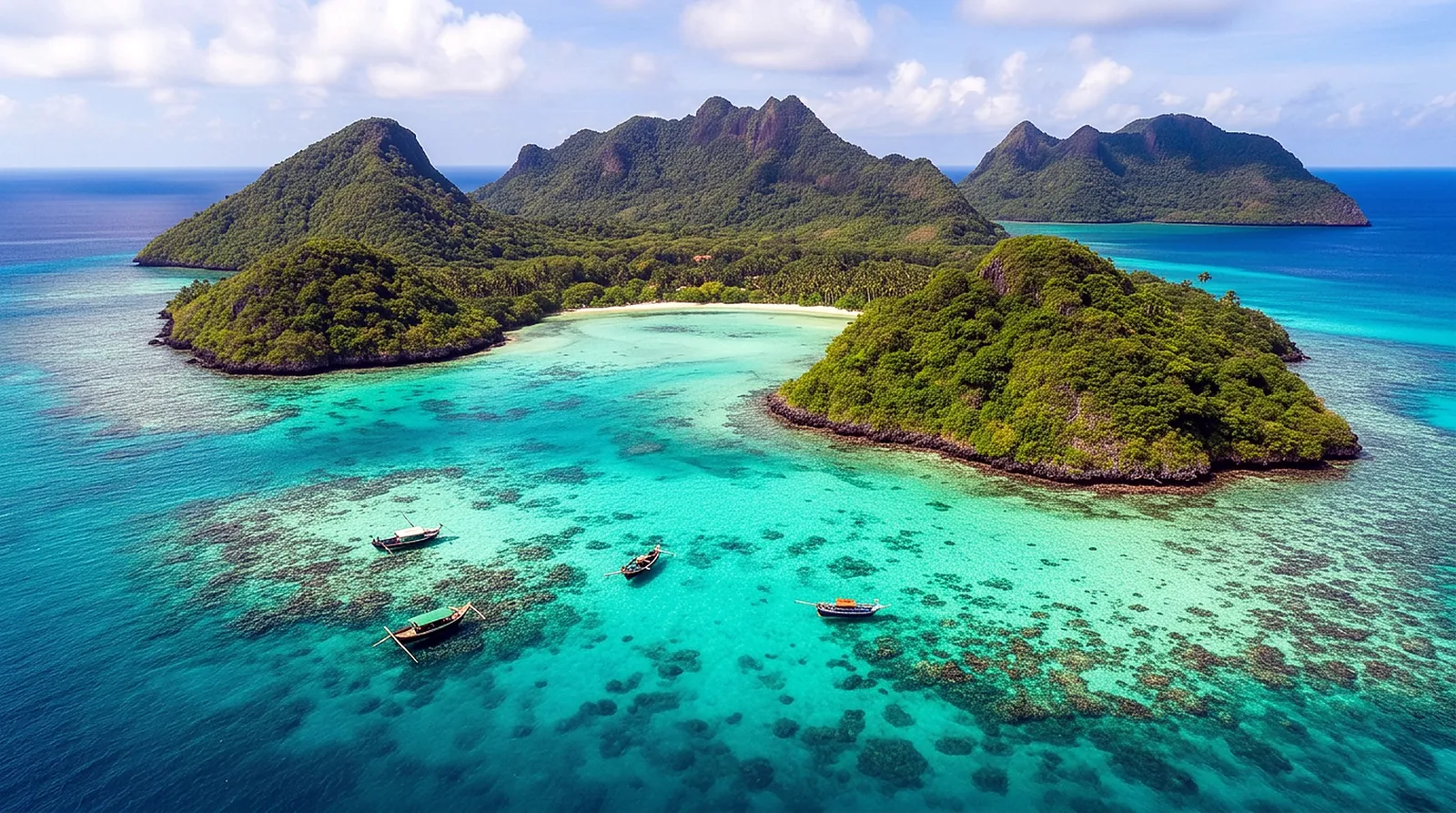
Conditions in July
Diving in Alor during July offers an experience that is both exhilarating and, at times, refreshingly challenging. This period falls squarely within Alor’s dry season, which translates to generally stable weather topside. You can expect plenty of sunshine and minimal rainfall, making for comfortable surface intervals and scenic transfers between dive sites. However, the true story of July in Alor unfolds beneath the waves. While the air temperature hovers pleasantly around 28-32°C (82-90°F), the underwater environment undergoes a significant change compared to other times of the year.
Sea state in July tends to be a mixed bag. Protected bays and channels often remain calm, providing relatively placid conditions for entry and exit. However, dive sites exposed to the open ocean, particularly those influenced by strong currents, can experience choppier surfaces and more pronounced swells. This is a crucial consideration for divers prone to seasickness. The major draw, and perhaps the most defining characteristic of Alor in July, are the cooler water temperatures. Expect a refreshing 22-26°C (72-79°F) on average, though upwellings can sometimes push temperatures down to a brisk 20°C (68°F) in certain locations. While this might sound chilly, it’s precisely these cooler, nutrient-rich waters that fuel the incredible marine life Alor is famous for. Visibility usually ranges from a crystal-clear 15 meters to an impressive 30 meters, though localized plankton blooms, while enhancing feeding opportunities for marine life, can occasionally reduce it temporarily.
Currents are an undeniable and often thrilling aspect of Alor diving, and July is no exception. In fact, due to the influence of the strong Indonesian Throughflow, you should be prepared for currents that can range from gentle drifts to exhilarating rushes, especially around channels and headlands. These currents are a double-edged sword: they demand good buoyancy control and experience, but they are also the primary reason Alor boasts such a vibrant and diverse ecosystem. You’ll often find yourself ‘hooking in’ to a reef to watch the action, or enjoying adrenaline-pumping drift dives. This is not the place for divers who are uncomfortable with moving water.
What you will see
July in Alor is primarily renowned for its high probability of encounters with pelagic species. The cooler, nutrient-rich waters that characterize this month act like a magnet for larger marine life. You’ll have an excellent chance of spotting various species of sharks, including reef sharks patrolling the outer walls and occasionally even hammerheads in deeper waters, though these require a good dose of luck and careful observation. Large schooling fish, such as barracudas, jacks, and fusiliers, are a common sight, often forming spectacular tornadoes that envelop divers. Keep your eyes peeled for dogtooth tuna and mackerel darting through the blue, offering dynamic hunting displays.
While manta rays are present in Alor year-round, July's productive waters often increase your chances of seeing them feeding gracefully in current-swept areas. Beyond the big stuff, Alor at this time is also a macro photographer's dream. The intricate reef systems and volcanic sands hide an incredible array of smaller critters. Expect to find an abundance of rare nudibranchs, dazzling pygmy seahorses clinging to gorgonian fans, and various species of frogfish masterfully camouflaged against sponges and corals. The volcanic black sands of certain dive sites are especially productive, yielding sightings of flamboyant cuttlefish, mimic octopuses, and a myriad of extraordinary bottom dwellers. The sheer biodiversity here is astounding, a direct result of Alor’s position at the confluence of major ocean currents.
Seasonal aggregations of schooling fish, particularly around the moon cycles when currents are strongest, can be truly mind-blowing. The sheer volume of life, from the smallest invertebrates to the largest pelagics, is a testament to the health and vitality of Alor’s marine environment. You'll witness vibrant, healthy coral reefs pulsating with life, providing shelter and sustenance for an incredible spectrum of species. From the vivid soft corals adorning walls to the hard coral gardens teeming with reef fish, every dive offers a visual feast.
Top dive sites this month
For pelagic action and dramatic current dives in July, you absolutely shouldn't miss "Babylon." Located in the Pantar Strait, this site is a magnet for larger fish, with strong currents often bringing in schooling barracuda, jacks, and reef sharks. It's a classic Alor drift dive that truly comes alive in the dry season. Similarly, "The Arch" is another must-visit for its unique topography and potential for encounters with bigger species; its dramatic underwater formations funnel nutrients and often attract pelagics, making for thrilling dives.
If macro life is high on your agenda, "Kalabahi Bay" sites are unparalleled, especially the muck diving areas within the bay. Sites like "Pertamina Pier" or "Clown Valley" offer world-class critter hunting. Here, amidst the volcanic sands and man-made structures, you'll discover a treasure trove of rare and unusual invertebrates and fish – think frogfish, nudibranchs galore, pipefish, and various species of octopuses. These sites provide a remarkable contrast to the current-swept outer reefs and are perfect for slower, more detailed exploration. Finally, for an all-around spectacular reef dive with a good chance of combined pelagic and reef fish action, "Shark Point" (despite its name, not a guaranteed shark sight, but generally active) offers vibrant coral gardens and opportunities to spot larger fish in deeper sections, making it a well-rounded choice for divers in July.
Practical tips for your trip
Given the cooler water temperatures of 20-26°C (68-79°F) in July, packing appropriate thermal protection is crucial. We highly recommend a 5mm full wetsuit, or at minimum a 3mm with a hooded vest, especially if you plan on doing multiple dives a day or are prone to feeling the cold. Booties are also a good idea for any shore entries or simply for added warmth. In terms of experience, July in Alor is best suited for intermediate to advanced divers. The prevailing strong currents and sometimes challenging conditions mean that excellent buoyancy control and comfort in current are essential. Beginners might find the conditions overwhelming, though some liveaboards do offer more sheltered options depending on the itinerary.
Liveaboard availability in July can be quite competitive, as this is a popular time to visit Alor due to the excellent pelagic sightings. It's highly advisable to book your trip well in advance – think 6 to 12 months ahead – to secure your preferred vessel and cabin. While Alor is a relatively remote destination, liveaboards handle most logistics, so you just need to focus on packing. Beyond your dive gear and wetsuit, consider bringing reef-safe sunscreen, a wide-brimmed hat, insect repellent for evenings, and any personal medications. Small, quick-dry towels are always handy. For photography enthusiasts, this is a prime time for both wide-angle (for pelagics and schooling fish) and macro lenses (for the abundant critters), so ensure your equipment is prepped for both.
A key thing to be aware of is that Alor, being quite uncrowded, has limited shore-based infrastructure, so a liveaboard is definitively the best way to experience its dive sites. Communication can be spotty, so be prepared for limited internet access once you’re underway – see it as a chance to truly disconnect! Finally, remember dive insurance is absolutely non-negotiable. With potentially strong currents and remote locations, having comprehensive coverage is vital for your peace of mind and safety. Be ready for some incredible diving, but always dive within your limits and listen to your dive guide’s briefings carefully.