Conditions in July
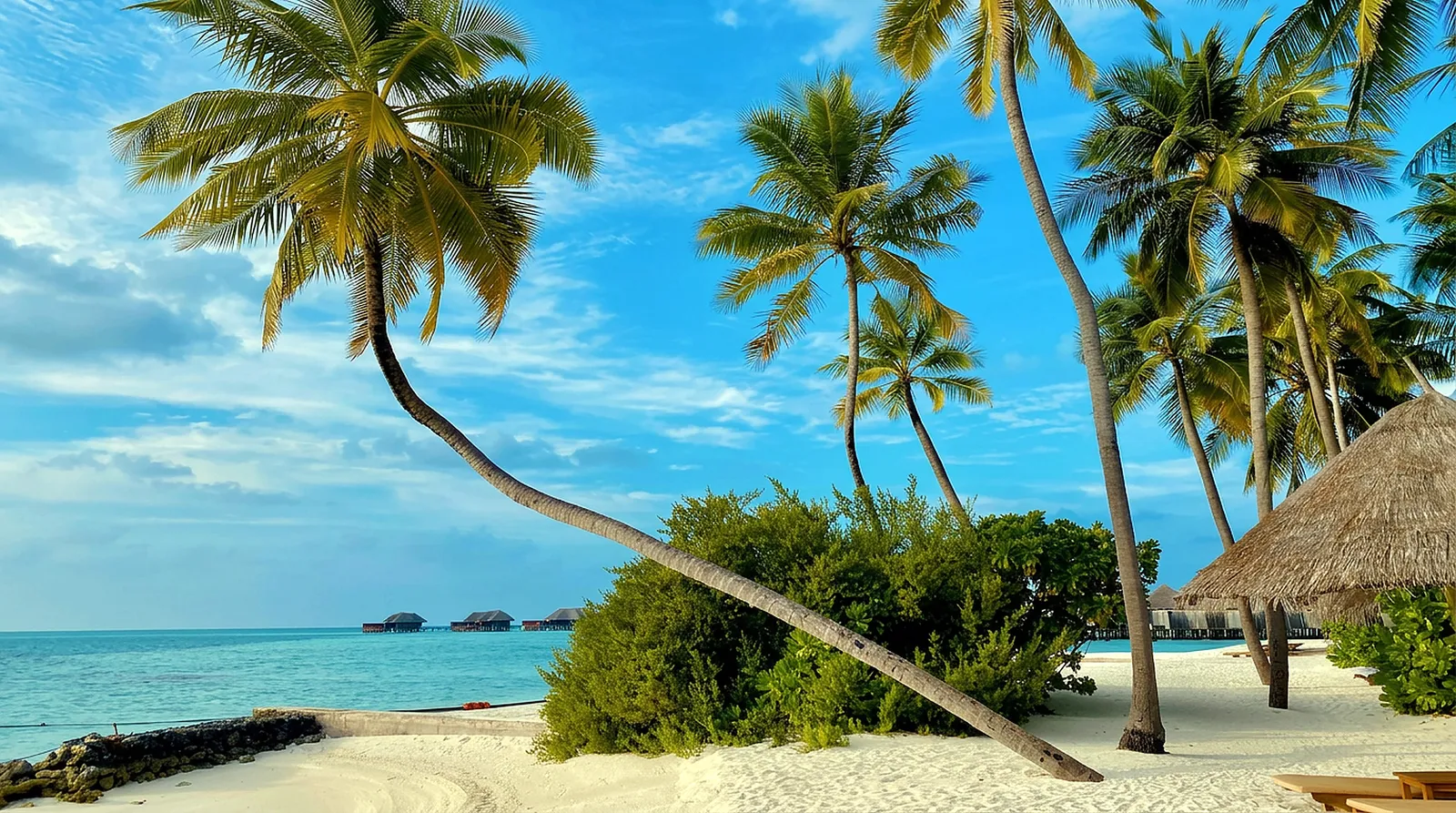
If you're dreaming of diving into a gin-clear, bath-warm ocean, then July in the Cayman Islands is calling your name. This is the heart of the Caribbean summer, and the conditions are about as good as they get. Expect water temperatures to hover consistently between 28-29°C (82-84°F). It’s so warm and inviting that you can spend hours underwater without the slightest chill. On the surface, the weather is classic tropical fare: hot, sunny days with high humidity, often punctuated by a brief, intense afternoon rain shower that quickly clears to reveal more sunshine. It’s perfect for lounging on the sun deck between dives.
The real star of the show in July is the sea state. The winds that can stir up the surface in winter are long gone, leaving the Caribbean Sea exceptionally calm. This is fantastic news, especially if you're planning a liveaboard trip. Crossings between Grand Cayman, Cayman Brac, and the legendary Little Cayman are smooth and comfortable. This calmness translates to phenomenal underwater visibility, which regularly exceeds 30 meters (100 feet) and can often push towards an incredible 40 meters (130 feet) on the outer walls. With minimal to no currents at most sites, you can relax and fully immerse yourself in the vertical landscapes.
While July falls within the official Atlantic hurricane season (June to November), the peak period for storm activity is typically later, from August to October. The chances of your trip being affected in July are relatively low, but it’s a possibility to be aware of. The trade-off for this small risk is access to all the premier dive sites across the three islands, including those on the exposed north shores which can be inaccessible during the winter months. It’s a month of supreme calm, warmth, and clarity, a perfect recipe for unforgettable diving.
What you will see
The Cayman Islands are revered for their dramatic walls and gin-clear water, and July’s conditions put this topography on full display. The marine life is a celebration of a healthy Caribbean reef ecosystem. You'll be spending your dives with an abundance of green and hawksbill turtles, often found munching on sponges or simply cruising along the reef top. Eagle rays are a common sight, soaring gracefully in the blue, sometimes in small squadrons. Keep a close watch along the sandy channels and reef edges for Southern Stingrays shuffling in the sand, and don’t be surprised to encounter resident Caribbean reef sharks patrolling the drop-offs. While not a primary shark-diving destination, their presence adds a thrill to the deep walls.
The reefs themselves are bursting with color and activity. Large schools of horse-eye jacks often form shimmering, swirling vortexes in the open water. Nassau and tiger groupers, the gentle giants of the reef, can be seen lurking under ledges or posing for photos at cleaning stations. The corals and sponges that adorn the famous walls are a spectacle in themselves, providing homes for a fantastic array of smaller critters. You’ll be charmed by schools of blue tangs, vibrant queen angelfish, and countless smaller reef fish that make every dive feel like you’re swimming through an aquarium. Look closer into the cracks and crevices for arrow crabs, banded coral shrimp, and the shy jawfish tending to its burrow.
While the Cayman Islands aren't known for huge seasonal aggregations of megafauna like manta rays or whale sharks, the sheer consistency and health of the marine environment are what make it special. It’s about the complete picture: the breathtaking walls that plummet into the abyss, the incredible clarity of the water, and the rich, reliable biodiversity that greets you on every single dive. From the friendly stingrays of Grand Cayman to the shy blacktip sharks of Little Cayman’s walls, the encounters are intimate and rewarding, making it a perfect destination for underwater photographers and anyone who appreciates a pristine marine world.
Top dive sites this month
July's calm seas open up the entire playbook of Cayman diving, allowing access to the most celebrated and remote sites across all three islands, best experienced from a liveaboard. Your journey has to include Little Cayman’s Bloody Bay Wall Marine Park. This is, without exaggeration, one of the most spectacular vertical drops on the planet. Sites like 'Mixing Bowl' and 'Great Wall West' are legendary. Here, the reef crest starts in just 5-6 meters of water before plunging vertically into the deep blue of the Cayman Trench. The wall is so festooned with vibrant sponges, sea fans, and healthy corals it looks like a hanging garden. The visibility here is often so good it can feel like you are flying.
Back on Grand Cayman, the world-famous USS Kittiwake wreck is a must-do. This former US Navy submarine rescue vessel was sunk intentionally to create an artificial reef, and she sits perfectly upright in shallow, clear water. Penetrating the five decks is easy and safe, allowing you to explore the mess hall, recompression chambers, and crew quarters. Another unmissable experience is Stingray City, a shallow dive (or snorkel) where you'll interact with dozens of habituated Southern Stingrays. It’s a unique and unforgettable encounter. For a taste of Grand Cayman's own dramatic walls, the North Wall offers incredible sites like 'Babylon', with its iconic pinnacle, and 'Ghost Mountain', a solitary seamount rising from the depths. On Cayman Brac, you’ll explore the MV Captain Keith Tibbetts, a 100-meter (330-foot) Russian frigate, the only diveable Soviet-era warship in the Western Hemisphere.
Practical tips for your trip
Packing for a July dive trip to the Caymans is blissfully simple. With water temperatures firmly in the 28-29°C (82-84°F) range, a 3mm shorty is more than enough for most divers. Many people are perfectly comfortable in just a rash guard and shorts for thermal protection. The real essentials are high-quality, reef-safe sunscreen, a good hat, and polarized sunglasses, as the summer sun is intense. Don't forget insect repellent for evenings on shore, especially after a brief rain shower. A small dry bag is also handy for keeping your electronics safe on dive tenders.
July is an ideal month for divers of absolutely every skill level. The lack of current, superb visibility, and easy conditions make it a dream for newly certified divers looking to build confidence. Meanwhile, the staggering depth of the walls, fascinating wreck penetrations, and the sheer logistical advantage of a liveaboard will thrill even the most seasoned technical divers and photographers. A liveaboard is truly the ultimate way to experience the Caymans, allowing you to wake up at the best and most remote sites, like Little Cayman’s Bloody Bay Wall, long before any day boats arrive. This maximizes your dive time and eliminates the hassle of daily gear hauling and inter-island travel, giving you access to the pristine diving that makes this destination world-class. Just remember to book travel insurance, a sensible precaution for any trip during hurricane season.
Year-round overview for the Cayman Islands
Frequently asked questions
Is July a good month to dive in the Cayman Islands?
What can you see diving in the Cayman Islands in July?
Should I book a the Cayman Islands liveaboard for July or wait?
Find a liveaboard for July
Compare available the Cayman Islands liveaboards departing in July.
Search and Book