Conditions in July
So, you’re thinking about diving Madagascar in July? Excellent choice! While it’s generally considered the cooler, drier season on land, beneath the waves, things are looking pretty good. Expect air temperatures to hover around 20-25°C (68-77°F) during the day, making topside comfort a breeze – literally. You won't be sweltering, which is a nice change of pace.
When it comes to the sea, July sees the south-easterly trade winds starting to kick in a bit more consistently. This means you might encounter some choppier surface conditions, especially in more exposed areas or when transiting between dive sites. However, many of Madagascar’s prime diving regions, particularly those around Nosy Be and the surrounding islands, offer sheltered leeward sides with calmer waters. Water temperatures during July typically range from a comfortable 24-27°C (75-81°F). This is warm enough for most, but definitely cooler than the peak summer months, so a good wetsuit is advisable.
Visibility is generally excellent in July, often extending beyond 20 meters (65 feet) and frequently reaching 30 meters (100 feet) or more, especially on the outer reefs. Nutrient upwellings can sometimes cause localized drops in visibility, but these are often temporary and can also attract larger marine life, so it’s a trade-off. Currents can vary from mild to strong, depending on the specific dive site and tidal movements. Many of the more renowned spots offer drift diving opportunities which, with an experienced guide, are exhilarating and allow you to cover more ground. Overall, July offers a fantastic balance of comfortable temperatures and clear water, making it a great time to explore Madagascar’s underwater wonders.
What you will see
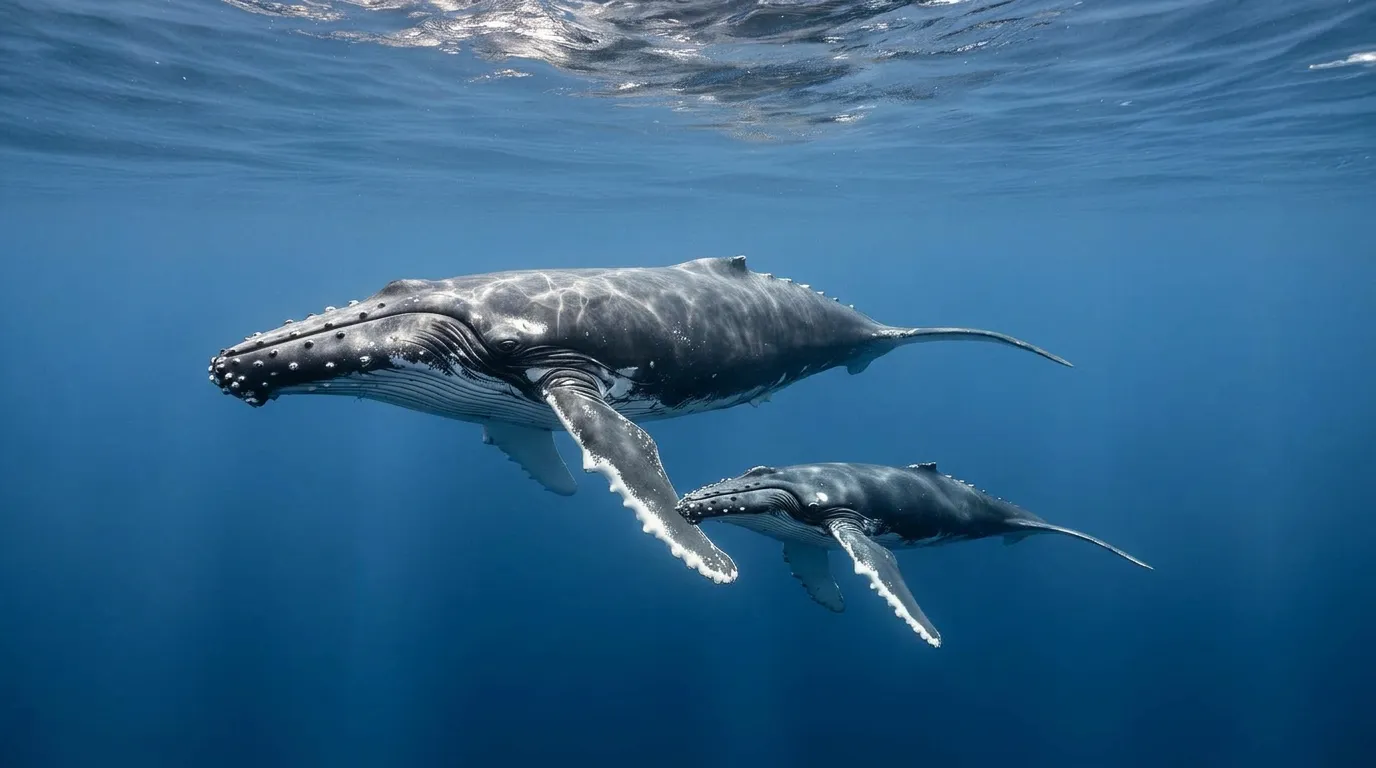
July is a fabulous time to dive Madagascar, especially if you're keen on encountering pelagic action. This month marks the beginning of the humpback whale migration season. While you’ll often hear their haunting songs underwater, lucky divers might even spot these gentle giants from the surface or catch a glimpse of them breaching on liveaboard transfers. Whale sharks are also making their presence felt more frequently, particularly around the Nosy Be archipelago. These majestic filter feeders are often seen cruising the waters, offering unforgettable snorkeling and diving encounters.
Beyond the large pelagics, July brings nutrient-rich waters that attract a plethora of marine life. You’ll be treated to vibrant reef systems teeming with colorful coral gardens, home to an incredible diversity of reef fish. Look out for schools of barracuda, snapper, and fusiliers swirling around pinnacles. Various species of reef sharks, including grey reef sharks and white-tip reef sharks, are common patrolling the deeper edges of reefs, particularly around areas like the Radama Islands. You’ll also frequently encounter green sea turtles and hawksbill turtles gracefully gliding through the water.
Macro enthusiasts won't be disappointed either. While not as famous for critter diving as some Southeast Asian destinations, Madagascar’s reefs still hide a treasure trove of smaller inhabitants. Keep an eye out for various nudibranchs, colorful flatworms, pipefish, and a wide array of crustaceans cleverly camouflaged amongst the corals. The healthy ecosystems mean there's always something fascinating to discover, whether you're scanning the blue for big stuff or meticulously searching the reef for intricate vignettes.
Top dive sites this month
For diving in July, the Nosy Be archipelago is your absolute best bet, offering a fantastic combination of sheltered conditions and incredible marine life. Within this area, a prime spot is Gregorian Pass, located near Nosy Tanikely Marine Park. This pass is renowned for its thrilling drift dives, where you’ll glide past healthy corals and encounter schooling fish, reef sharks, and often mantas feeding on the currents. The vibrant soft corals and sea fans are a sight to behold.
Another must-visit in the Nosy Be region is the archipelago around Nosy Iranja. These islands offer a mix of pristine reefs and exciting pinnacles. Sites like the Manta Point here live up to their name, providing excellent opportunities to see manta rays, especially during this time of year when nutrients are abundant. Further south, the Radama Islands are also shining in July. With fewer divers and truly remote dive sites, you can expect untouched reefs, diverse reef fish, and a higher probability of pelagic encounters, including grey reef sharks and, if you’re lucky, even silvertips. These islands offer a more adventurous, off-the-beaten-path experience.
Practical tips for your trip
Considering the water temperatures of 24-27°C (75-81°F) in July, we highly recommend a 3mm full wetsuit for most divers. If you tend to get cold easily or plan on doing multiple dives a day, a 5mm suit or even a vest underneath your 3mm could provide extra comfort. This month is well-suited for all levels of divers. Beginners will appreciate the generally good visibility and abundant reef life in calmer areas, while experienced divers will relish the drift dives and exciting pelagic encounters at sites like Gregorian Pass. Just be mindful of surface conditions if you or your companions are prone to seasickness.
Liveaboard availability in July for Madagascar tends to be good, as it's not yet the absolute peak season (which hits later in the year for humpback whales). However, it's always wise to book well in advance, especially for popular routes around Nosy Be and the Radama Islands, as these itineraries do fill up. What to pack? Beyond your usual dive gear, bring reef-safe sunscreen, a good hat, sunglasses, and light, breathable clothing for topside. Consider a lightweight jacket or hoodie for cooler evenings on deck. A good camera, both underwater and for land, is a must – Madagascar’s landscapes and sunsets are as breathtaking as its underwater world. Be aware that travel within Madagascar can sometimes be unpredictable, so an open mind and a flexible attitude will serve you well. Enjoy the adventure!
Year-round overview for Madagascar
Frequently asked questions
Is July a good month to dive in Madagascar?
What can you see diving in Madagascar in July?
Should I book a Madagascar liveaboard for July or wait?
Find a liveaboard for July
Compare available Madagascar liveaboards departing in July.
Search and Book