
Madagascar Liveaboard Diving

Liveaboards in Madagascar

Madagascar liveaboards

No liveaboards available yet

We are currently onboarding operators for this destination — new liveaboards will be added shortly. In the meantime, explore the dive sites, marine life and best travel times below.

Diving in the Indian Ocean: wrecks, walls and humpback whales

Madagascar's underwater world remains one of diving's best-kept secrets. The island's isolation has produced unique marine ecosystems found nowhere else on earth, with endemic species thriving in the warm waters of the Indian Ocean and reef systems that see a fraction of the traffic of better-known destinations.

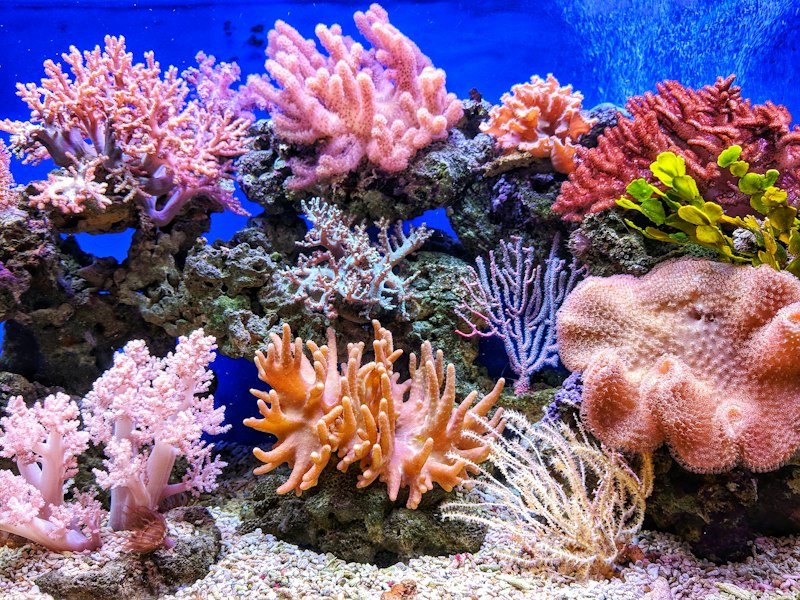
Nosy Be, off the northwest coast, is the main diving hub and the departure point for most liveaboard and dive-cruise itineraries. From here, boats reach the Nosy Mitsio archipelago, the remote Radama Islands and the seamounts and pinnacles scattered between them. These offshore reefs are covered in hard coral, gorgonians and huge stands of table coral, and because they sit far from any settlement, fish life is abundant: schooling snapper and fusilier, napoleon wrasse, grey reef sharks, potato grouper and passing eagle rays. The Four Brothers, a set of dramatic granite pinnacles near Nosy Mitsio, and the drop-offs of Nosy Iranja rank among the most rewarding dives in the western Indian Ocean.

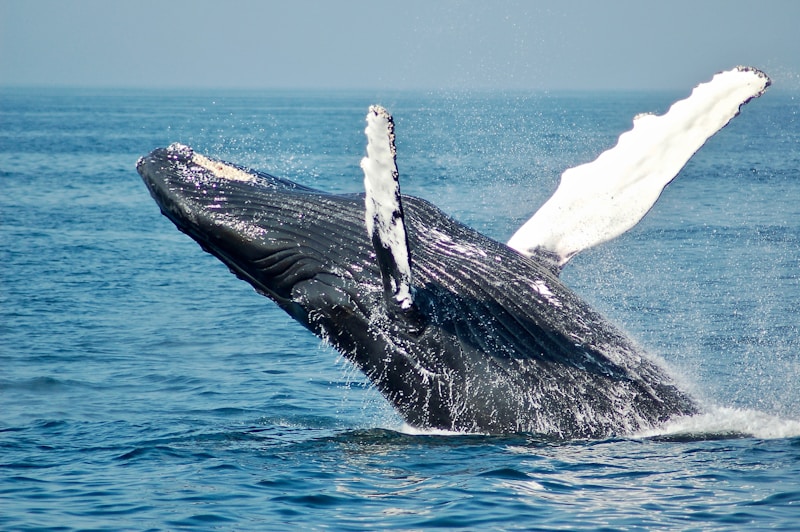
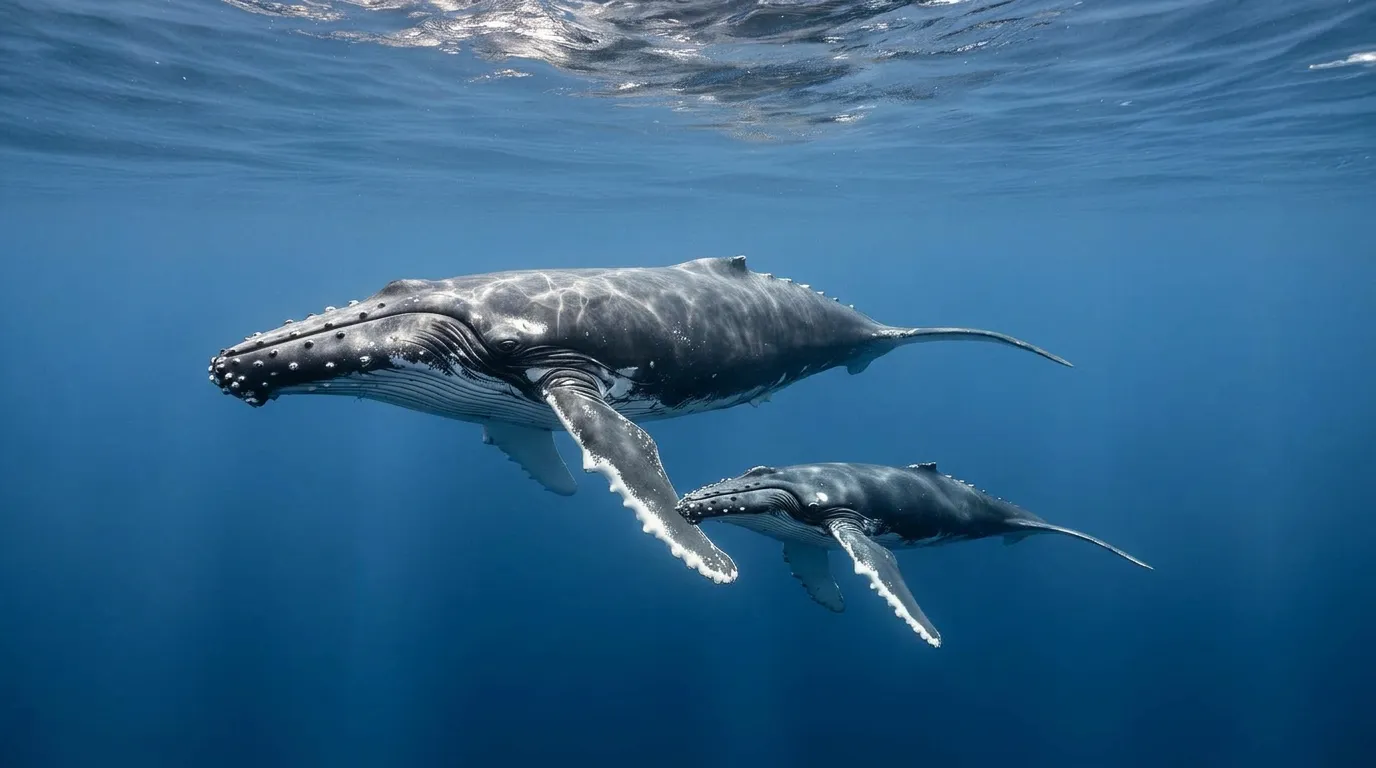
The seasonal highlights are what set Madagascar apart. Whale sharks aggregate off Nosy Be between September and December, with plankton-rich water drawing juveniles close to shore for snorkelling encounters. From July to September, humpback whales migrate through the Sainte Marie channel on the east coast to calve and mate, one of the most reliable humpback encounters anywhere in the world. Manta rays, both reef and oceanic, are seen year-round at cleaning stations off the northern islands.

Water temperature ranges from about 25 to 29 degrees Celsius and visibility typically runs 10 to 30 metres, best from September to December when the water is clearest and the sea state calmest. The main dive season runs from March to December; January and February bring the cyclone season and most operators pause. A 3 mm wetsuit is comfortable for the majority of the year.

Beyond the reefs, Madagascar rewards divers who build extra days into the trip. Eighty per cent of the island's terrestrial species are endemic, so lemur-spotting in Lokobe Reserve, baobab avenues and the tsingy limestone formations turn a dive holiday into a genuine expedition. Nosy Be itself offers ylang-ylang plantations, markets and quiet beaches for surface intervals.

Diving here is straightforward for most certification levels, though offshore pinnacles and channel dives can carry current and are better suited to divers with an Advanced certification and reasonable air consumption. Infrastructure is modest compared with the Maldives or Egypt, and that is precisely the appeal: small groups, uncrowded moorings and reefs that still feel unexplored.

For divers who have already ticked off the classic Indian Ocean destinations and want big animals, endemic marine life and a genuine sense of remoteness, a Madagascar dive safari is one of the last frontiers within reach of a single flight.

Why dive a liveaboard in Madagascar

From legendary wrecks and thriving reefs to close-up encounters with iconic marine life, this destination offers the experiences divers dream about. Warm, clear waters and well-organized liveaboard routes make it easy to explore the best sites. These are the highlights that keep divers coming back year after year.

Humpback whale season

July to September migration through warm waters

Endemic marine life

Species found nowhere else on Earth

Pristine coral reefs

Untouched reef systems around Nosy Be

Whale shark encounters

Year-round sightings off Nosy Be

Who a liveaboard in the Indian Ocean suits — and who it doesn't

Madagascar diving is seasonal and infrastructure-light, focused on Nosy Be in the north and whale season off the east coast.

Beginners

Open Water, from about 20 dives

Sheltered reefs around Nosy Be and Nosy Tanikely marine reserve are shallow with easy conditions.

Matching areas:Nosy BeNosy TanikelyNosy Sakatia

Advanced divers

Advanced, offshore and current sites

Outer sites such as the Mitsio and Radama islands mean longer crossings, current and less predictable visibility.

Matching areas:Nosy MitsioRadama IslandsCastor Bank

Deep and technical

Deep, Nitrox; very limited support

Banks and drop-offs go deep, but chamber and evacuation options are thin on the island — conservative recreational limits are the responsible standard.

Matching areas:Castor BankNosy Mitsio

Photo and video

Wide-angle, seasonal megafauna

Humpback whales pass Île Sainte-Marie roughly July to September, and whale sharks visit Nosy Be around September to December — both largely snorkel encounters.

Matching areas:Île Sainte-MarieNosy BeNosy Tanikely

Best time to dive in Madagascar

The main diving season in Madagascar runs from March to December, with conditions peaking between September and December. During this period, the water is warmest, seas are calm, and visibility is at its best, coinciding with the whale shark season off Nosy Be. While July to September brings spectacular humpback whale encounters, conditions can be less predictable. Most operators close during the cyclone season in January and February.

👆 Click any month for detailed conditions
Excellent
Good
Off-Season

Apr – Nov (Dry Season)

Best visibility and calm seas. Whale sharks from September, humpback whales July–September.

Dec – Mar (Wet Season)

Warmer water but reduced visibility due to rain and plankton. Still diveable with exciting pelagic activity.

Underwater visibility

32m
(105ft)
20m
(66ft)
8m
(26ft)
Jan
Feb
Mar
Apr
May
Jun
Jul
Aug
Sep
Oct
Nov
Dec

Air & water temperature

33°C 28°C 23°C
29°
31°
29°
31°
29°
31°
28°
30°
27°
28°
26°
27°
25°
27°
25°
27°
26°
28°
27°
30°
28°
31°
29°
31°
Jan
Feb
Mar
Apr
May
Jun
Jul
Aug
Sep
Oct
Nov
Dec
Water
Air (Day)

Recommended wetsuit

3mm
3mm
3mm
3mm
3mm
5mm
5mm
5mm
5mm
3mm
3mm
3mm
Jan
Feb
Mar
Apr
May
Jun
Jul
Aug
Sep
Oct
Nov
Dec
3mm (warm)
5mm (moderate)
Wetsuit Guide

What you'll see diving in the Indian Ocean

Madagascar's marine life is a compelling mix of seasonal megafauna and vibrant, healthy reefs teeming with endemic species. From September to December, juvenile whale sharks gather near Nosy Be, while humpback whales migrate through the area from July to September. Divers can also expect to see manta rays, green and hawksbill turtles, grey reef sharks, and schooling barracuda on the pristine reefs of the Nosy Mitsio and Radama archipelagos.

When to See What

Use this calendar as a guide: the highlighted months show when your chances are usually best. Wildlife follows its own rhythm, so sightings are never guaranteed — but we hope this makes planning a little easier. Madagascar's big animal encounters are highly seasonal, creating distinct windows for liveaboard travel. Humpback whales visit to calve and mate from July to September, while whale sharks aggregate near Nosy Be to feed between September and December.

Species
Jan
Feb
Mar
Apr
May
Jun
Jul
Aug
Sep
Oct
Nov
Dec
Humpback Whale
Humpback Whale
Whale Shark
Whale Shark
Reef Manta Ray
Reef Manta Ray
Coelacanth
Coelacanth
Lizardfish
Lizardfish
Longnose Hawkfish
Longnose Hawkfish
Needlefish
Needlefish
Pilotfish
Pilotfish
Porcupine Ray
Porcupine Ray
Queenfish
Queenfish
Rabbitfish
Rabbitfish
Remora
Remora
Scad
Scad
Sea Hare
Sea Hare
Sea Slug
Sea Slug
Peak Season
Present
Rare/Absent

Nosy Tanikely and Nosy Mitsio: the best dive sites in Madagascar

Madagascar's best diving is found at remote offshore sites accessible only by liveaboard. Expeditions explore the volcanic pinnacles and dramatic walls of the Nosy Mitsio archipelago, including sites like The Four Brothers and Mitsio Sharks Point. Longer trips venture to the even more remote Radama Islands to dive pristine drop-offs like Greg's Wall, where coral reefs remain untouched and fish life is abundant.

1

Banc 06

Beginner
1420m / 4666ftBest: April–December-14.0867°, 48.0239°

Banc 06 is a shallow, fish-rich plateau dive located approximately 5 km behind Nosy Sakatia, off the coast of Nosy Be, Madagascar. This site is celebrated for its consistent marine activity, where huge shoals of fish are frequently observed, making it a reliable destination for diverse marine encounters. The topography consists of a plateau with depths ranging from 14 to 19 meters, occasionally dropping to 20 meters. The site's generally gentle and forgiving conditions contribute to a calm underwater experience, suitable for various skill levels. Its healthy reef structure provides a rich habitat for both macro and schooling species. While specific seasonal variations for Banc 06 are not detailed, the Nosy Be region experiences optimal diving from April to December, offering high visibility and calmer seas. Divers can expect to see significant fish populations here throughout much of the year, although sources note occasional unpredictable periods with fewer fish. Accessed by boat, Banc 06 is typically considered an easy recreational dive. It's often visited as a second dive due to its moderate depths and is a popular choice for divers seeking a relaxed dive with prolific marine life without challenging currents.

Fish-rich plateauGentle dive conditionsBehind Nosy SakatiaAbundant fish shoalsModerate depthRelaxed exploration
2

Abyss

ReefIntermediate
1850m / 59164ftBest: April–December-13.2403°, 48.0583°

The dive site known as "Abyss" is not specifically mentioned or described in the provided sources. Information regarding its exact location, why it matters, topography, marine life, or practical diving experience such as currents or typical dive counts is therefore unavailable. The sources discuss general diving in the Nosy Be region of Madagascar, highlighting the rich biodiversity and diverse sites, including reefs, walls, and wrecks. Nosy Be is celebrated for its exceptional variety, ranging from calm, critter-rich areas to spots offering exhilarating encounters with larger marine species. The region features diverse underwater topography and healthy reefs. General conditions in the Nosy Be area indicate both shallow and deeper dives. Waters often teem with large schools of fusiliers, surgeons, and barracudas, alongside green and hawksbill turtles. Macro life, such as ghost pipefish, leaf fish, and seahorses, is also present. Larger pelagic species like manta rays, mobula rays, eagle rays, and various sharks including hammerheads (in December), leopard, grey, and white tip sharks can be seen throughout the year. Diving is generally possible from April to December. Visibility in the region typically ranges from 15 to 40 meters, though it can be lower between October and December due to plankton blooms that attract whale sharks and manta rays. Water temperatures are warm, varying from 24°C to 30°C. Many sites in the broader Nosy Be area experience little to no current, making for generally relaxed diving experiences, though advanced sites exist for more experienced divers.

3

Pointe Alebrand

ReefIntermediate
540m / 16131ftBest: June–September-13.2578°, 48.2045°

Pointe Alebrand is a notable dive site located off the coast of Madagascar, recognized for its dramatic underwater landscape and rich pelagic encounters. This site distinguishes itself with a unique topography featuring a sandy bed interspersed with prominent granite boulders, creating an interesting environment for marine life to congregate and for divers to explore. The site is particularly famous for attracting larger marine animals. Divers frequently observe grey sharks, formidable barracuda, and graceful manta rays navigating these waters. During specific seasons, it also becomes a migratory route for humpback whales, offering truly spectacular encounters. While the general diving season in Madagascar extends year-round, the prime time for visiting sites like Pointe Alebrand and maximizing the chances of pelagic sightings is typically from June to September. The waters here are characterized by a wide visibility range and comfortable temperatures, making for an enjoyable dive experience. Diving here often involves going with the flow of the current, allowing for an effortless observation of the dynamic marine ecosystem. This makes it an ideal spot for divers looking for exciting drift dives and big animal action within a healthy coral reef system.

Large pelagic fish encountersGrey sharksManta raysBarracuda schoolsHumpback whale sightings (seasonal)Sandy bed with granite bouldersDrift diving potentialDiverse marine ecosystem
4

Anakao Ocean

Channel/DriftAdvanced
2025m / 6682ftBest: April–December-23.7000°, 43.6167°

Anakao, located off the southwest coast of Madagascar, serves as a serene basecamp for exploring the rich underwater world of the Indian Ocean. This area is characterized by clear waters and diverse dive sites, including coral plateaus that host an abundance of marine life rarely disturbed by human activity. The diving here offers a sense of untouched discovery, far from crowded dive spots found elsewhere. The topography beneath the waves features coral plateaus at depths around 25 meters, often surrounded by sandy expanses. These deeper reef sections provide a protected habitat for larger invertebrates and fish. Visibility in Anakao is excellent, frequently allowing divers to see the ocean floor from the surface, enhancing the overall experience of its healthy marine ecosystem. While specific seasonality for marine life at Anakao is not detailed, the region is part of Madagascar's broader marine environment known for its diverse reef fish, rays, and sea turtles. The isolation and pristine conditions contribute to a thriving habitat for both macro and larger species. Divers can anticipate encountering various reef dwellers and unique invertebrates. Practical diving involves boat trips from lodges like Anakao Ocean Lodge, often led by local dive operators. Conditions are generally calm, making for comfortable entries and surface intervals. Dive planning focuses on managing non-decompression limits due to the plateau depths, ensuring safe and enjoyable exploration of this secluded Madagascan gem.

Pristine coral plateausAbundant black lobstersExceptional water clarityUncrowded dive sitesSerene coastal basecampRich reef fish diversity

Bucket-list dives worth booking early

A liveaboard trip in Madagascar offers a unique blend of underwater and topside adventures that define any visit. The bucket-list experiences include snorkeling with whale sharks off Nosy Be and witnessing the humpback whale migration between July and September. Diving on the untouched coral gardens of the Radama and Mitsio archipelagos, far from other boats, completes this incredible expedition.

Underwater view of the dive site Humpback Whale Migration in Madagascar
1
July – September

Nosy Be

Witness humpback whales during their annual migration through the Mozambique Channel, breaching and nursing calves in the warm waters off Madagascar.

Read more
Underwater view of the dive site Lemur Forest Visits in Madagascar
2
Year-round

Nosy Komba

Explore Madagascar's unique rainforests home to over 100 species of lemurs found nowhere else on Earth – a wildlife encounter unlike any other.

Read more
Underwater view of the dive site Pristine Coral Reefs in Madagascar
3
April – November

Nosy Tanikely

Dive untouched coral reefs around the Nosy Be archipelago, where hawksbill turtles, whale sharks, and manta rays thrive in warm Indian Ocean waters.

Read more

Above water: climate, shore trips and extra costs

Many divers add extra days to their trip to experience Madagascar's unique terrestrial wildlife, 80% of which is endemic. Near the diving hub of Nosy Be, you can visit the Lokobe Reserve to spot black lemurs and chameleons in their natural rainforest habitat. You can also explore ylang-ylang plantations, browse for spices at the Hell-Ville market, or relax on the stunning sandbar of Nosy Iranja.

Nosy Be Island Hopping

Nosy Be Island Hopping

Explore the beautiful islands around Nosy Be by boat, visiting pristine beaches, lemur colonies, and local fishing villages.

Lokobe Nature Reserve

Lokobe Nature Reserve

Visit the last remaining primary lowland forest on Nosy Be, home to black lemurs, chameleons, and rare endemic plants.

Humpback Whale Watching

Humpback Whale Watching

From July to September, migrating humpback whales pass through the Mozambique Channel. Boat excursions offer close encounters.

Mont Passot Sunset

Mont Passot Sunset

Drive to the highest point on Nosy Be for panoramic views of volcanic lakes and a spectacular Indian Ocean sunset.

What a liveaboard in Madagascar costs

The calendar below shows how liveaboard prices shift month by month, so you can see exactly when your money goes furthest. We want every diver to get the best possible value, which is why we highlight the seasons that balance great conditions with the fairest rates.

Madagascar is an emerging liveaboard destination with a small fleet, offering expedition-style trips that can be more costly than high-volume destinations like the Red Sea. Prices are primarily driven by the season, with trips during the peak whale shark and humpback whale months commanding higher rates. The range of vessels includes everything from budget-friendly expedition boats to more comfortable mid-range and premium options, allowing for some flexibility in trip cost.

$150–$350

per day liveaboard

$60–$120

per 2-tank dive trip

$30–$200

hotel per night

Prices reflect typical costs for mid-range to premium options. Budget alternatives may be available.

Getting to Nosy Be and Antananarivo: flights and transfers

Reaching your Madagascar liveaboard typically involves flying into Fascene Airport (NOS) on the island of Nosy Be, the country's main diving hub. While seasonal charters from Europe fly directly to Nosy Be, most travelers connect via Madagascar's main international hub, Ivato Airport (TNR) in Antananarivo. From there, it's a short domestic flight to Nosy Be, where operators arrange all airport and boat transfers. Most nationalities can obtain a visa on arrival.

Insider tips

💰

Nosy Be offers excellent value compared to other Indian Ocean destinations

🎯

Book locally for 20-30% savings over international agencies

📅

Visit in shoulder season (April/November) for lower prices

🤿

Share boat trips with other divers to reduce costs

🍽️

Eat at local restaurants for authentic food at fraction of hotel prices

🤿

Combine dive trips with island-hopping for better value

Getting there

Fascene Airport

Nosy BeNOS

Main gateway for diving, direct flights from Antananarivo, seasonal charters from Europe and Réunion

Ivato International Airport

AntananarivoTNR

Madagascar's main international hub with connections from Paris, Johannesburg, Nairobi, and Istanbul. Domestic flights to Nosy Be (1h)

Entry requirements

Visa on arrival available for most nationalities (30 days). Passport must be valid for 6 months. Fee approximately €35.

This information is provided without guarantee. Please visit the official website for the latest entry requirements.

Official Immigration Information →

Frequently asked questions about Madagascar liveaboards

When is the best time to dive in Madagascar?
Diving conditions in Madagascar change throughout the year. Check our month-by-month best-time-to-dive guides to plan around peak visibility, weather and marine life encounters.
Do I need a liveaboard to dive in Madagascar?
A liveaboard gives you access to remote dive sites in Madagascar that day boats cannot reach, plus 3–5 dives per day in maximum comfort. For the best dives in Madagascar, a liveaboard is the recommended choice.
What certification do I need to dive in Madagascar?
Most Madagascar liveaboards require Open Water as a minimum, with Advanced Open Water and 30+ logged dives recommended for currents and deeper sites. Some expert routes require Tech or 100+ dives.
How much does a Madagascar liveaboard cost?
Liveaboard prices in Madagascar typically range from €1,500 to €6,000+ per week depending on vessel category, route length and season. Browse the boats below for live pricing.
Do I need a visa for Madagascar?
Visa requirements vary by your nationality. Always check the latest entry rules with the destination's official government source before booking flights.
Is diving in Madagascar safe for beginners?
Many Madagascar sites are beginner-friendly, but some routes feature strong currents or deep walls suited only to experienced divers. Check each vessel's recommended experience level.

Madagascar compared with other liveaboard destinations

Honest, in-depth comparisons to help you decide between destinations, certifications, equipment and dive styles.

Liveaboard vs Land-Based Diving: Which Trip Is Right for You?

Choosing between a liveaboard and a land-based dive trip is the most fundamental decision divers face when planning a serious diving holiday. The right answer depends on your priorities: maximum dive count and access to remote sites favor liveaboards; beach time, family flexibility and lower cost favor land-based resorts. Both formats have evolved significantly in the last decade, and the line between them has blurred — luxury dive resorts now offer multi-day expedition trips, while many liveaboards include topside excursions and even spa days. This guide compares the two formats across every meaningful dimension: cost per day, dives per day, marine life access, comfort, social dynamics, family-friendliness, and travel logistics. We'll also cover the hybrid models (resort + day-charter, or 'safari boat' itineraries) that try to capture the best of both worlds. If you're certified, in love with diving and want to maximize bottom time, a liveaboard is almost always the better choice — you can clock 25+ dives in a week and reach sites no day boat can. If you're traveling with non-divers, prefer land-based comfort, or want flexibility to take days off, a resort wins. We'll get into all the nuances below.

Read comparison

Seychelles vs Madagascar: Liveaboard Diving Showdown

Choosing between the Seychelles and Madagascar for your next liveaboard adventure presents a delightful dilemma for any discerning diver. Both Indian Ocean gems promise unparalleled underwater experiences, yet they offer distinct flavors of marine biodiversity, dive conditions, and overall travel ambiance. The Seychelles, a classic luxury destination, is renowned for its pristine granite formations, vibrant coral gardens, and a consistent parade of pelagic life. Its established liveaboard infrastructure caters to a broad range of preferences, from comfortable budget-friendly options to opulent luxury yachts. Madagascar, on the other hand, offers a more rugged, off-the-beaten-path appeal, blending unique terrestrial biodiversity with largely unexplored dive sites. Its waters are a haven for macro enthusiasts and those seeking encounters with larger migratory species, often in less crowded environments. While the liveaboard fleet might be smaller and more adventurous, the rewards are immense, promising a truly immersive experience both above and below the surface. This side-by-side comparison aims to equip you with the factual insights needed to decide which of these incredible destinations aligns best with your diving aspirations, budget, and desired travel style. Let's dive into the details to uncover the unique allure of each.

Read comparison

Beyond the Limits: Recreational vs. Technical Diving Explained

Scuba diving opens up a breathtaking world hidden just beneath the surface, an activity enjoyed by millions globally. For the vast majority, this means recreational diving. Governed by agencies like PADI and SSI, recreational diving is defined by its limits: no deeper than 40 meters (130 feet), always having a direct path to the surface, and staying within no-decompression limits. This framework allows divers to explore vibrant coral reefs, shipwrecks, and kelp forests with relatively simple equipment and training, focusing on enjoyment and safety within a well-established comfort zone. On the other end of the spectrum lies technical (or tec) diving. Often seen as the 'extreme sport' of the scuba world, tec diving is explicitly about going beyond recreational limits. This means diving deeper than 40 meters, planning for mandatory decompression stops on ascent, or penetrating far into overhead environments like caves or complex wrecks. Agencies such as Technical Diving International (TDI), Global Underwater Explorers (GUE), and PADI's TecRec arm provide the highly specialized training required for these demanding dives. The fundamental difference is one of philosophy. Recreational diving prioritizes risk avoidance by staying within strict, pre-defined boundaries. Technical diving, in contrast, is about risk mitigation. Tec divers intentionally plan to enter situations that would be emergencies for recreational divers, but they do so with extensive training, meticulous planning, redundant equipment systems, and specialized breathing gases. It's a calculated approach to exploring environments that are otherwise inaccessible. This distinction isn't just about numbers and gear; it’s about mindset and motivation. While a recreational diver might be thrilled by the colorful reefs of the Red Sea, a technical diver might be drawn to the challenge of exploring a deep, historic wreck like the Britannic off the coast of Greece. Understanding the differences in limits, equipment, training, and risk is crucial for any diver considering where their underwater journey might lead next.

Read comparison
Plan your trip

Ready to dive?

Explore our expedition vessels and find your perfect trip to Madagascar