Conditions in September
You're thinking of diving Madagascar in September? Excellent choice, my friend! This month really hits that sweet spot before the full heat of summer kicks in, offering some truly comfortable and exhilarating diving. The weather topside is generally gorgeous – think warm, sunny days with minimal rainfall, which is always a bonus when you’re hopping on and off boats. Air temperatures hover around a pleasant 25-30°C (77-86°F), making surface intervals enjoyable whether you're sunbathing or exploring on land.
Underwater, you’ll find the conditions are equally inviting. Water temperatures typically range from a comfortable 26-28°C (79-82°F), meaning a 3mm shorty or full wetsuit is usually enough to keep you toasty, especially for multiple dives a day. Visibility is often fantastic, frequently hitting 20-30 meters (65-100 feet), sometimes even more in prime locations. This impressive clarity allows you to really soak in the vibrant coral gardens and spot distant pelagics approaching.
Currents can be moderate in some areas, particularly around exposed reefs and channels, which is great for drift diving and attracting larger marine life. However, many of the shallower, sheltered reefs popular for macro life or beginner divers will have gentler conditions. Sea states are generally calm to moderate in September, especially around the northwest coast, which typically experiences less wind during this period compared to other times of the year. This makes for smoother transfers between dive sites and more comfortable liveaboard experiences overall.
What you will see
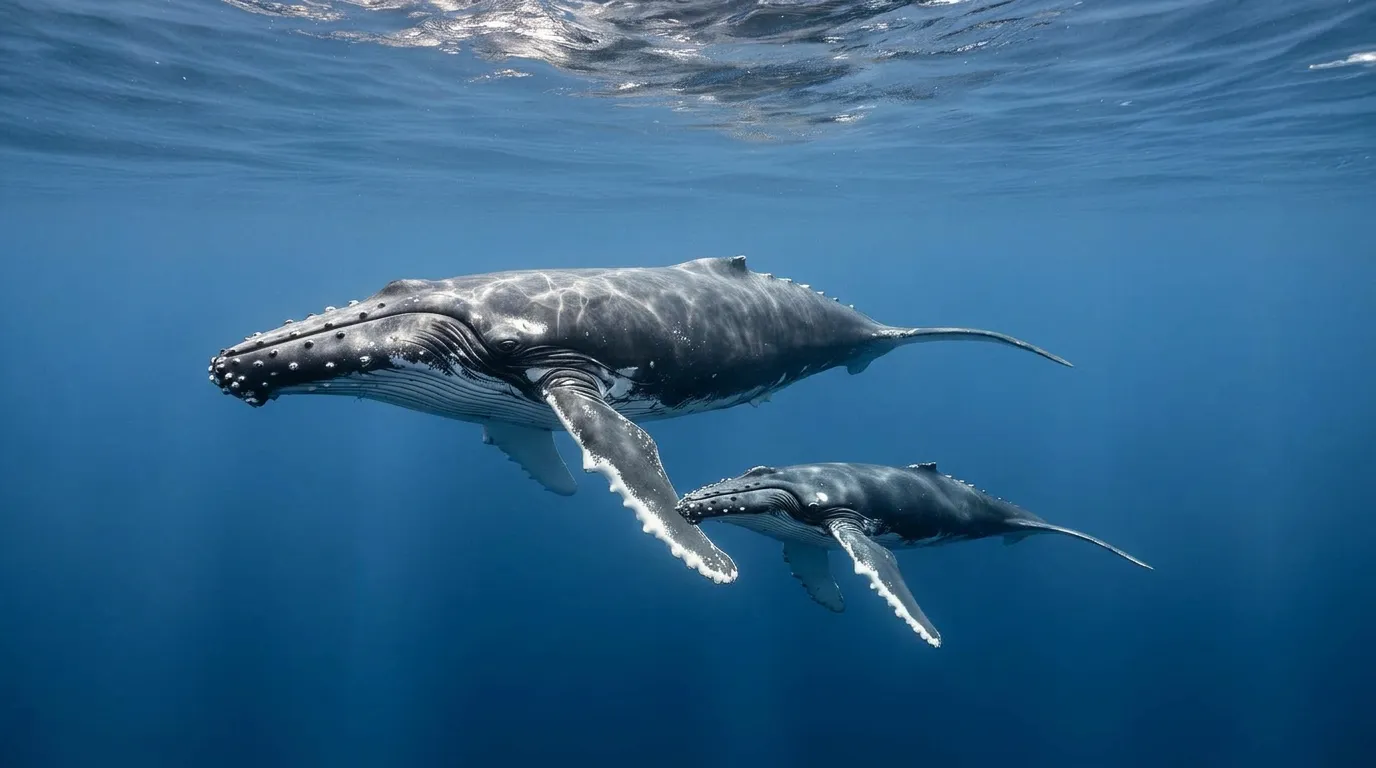
September in Madagascar is prime time for an astonishing array of marine life, and it's a month that truly delivers on the "big stuff," particularly around the whales. This is within the peak season for humpback whale migrations, so surface sightings and even encounters underwater (from a respectful distance, of course!) are a very real possibility, especially around the Ile Sainte Marie and Nosy Be regions. Imagine hearing their haunting songs underwater – it’s an unforgettable experience. Beyond the leviathans, you're in fantastic manta ray territory. Nosy Be, in particular, offers fantastic opportunities to see these magnificent creatures gliding gracefully, often at cleaning stations. It’s not uncommon to spot reef manta rays, and sometimes even oceanic mantas, around the larger pinnacles and seamounts.
Shark encounters are also on the menu. While not as concentrated as some other global hotspots, you can expect to see several species of reef sharks, including grey reef sharks, blacktip reef sharks, and whitetip reef sharks, particularly on deeper dives and around drop-offs. Leopard sharks and guitar sharks are also sometimes spotted cruising the sandy bottoms. If you’re lucky, you might even encounter a hammerhead or bull shark in specific locations. But it's not all about the giants; Madagascar’s coral reefs are teeming with vibrant reef fish, from colourful clownfish to schools of snappers and fusiliers.
For the macro enthusiasts, don’t fret! Even with all the pelagic action, the reefs still hold a treasure trove of smaller wonders. Keep your eyes peeled for cryptic creatures like ghost pipefish, various species of nudibranchs, leaf fish, and pygmy seahorses, especially tucked away in the intricate coral formations. The sheer biodiversity here means every dive can offer something new, from busy cleaning stations to shy garden eels retreating into the sand. You'll find a magical blend of the big and the small, ensuring every diver leaves with incredible memories.
Top dive sites this month
For the ultimate September diving experience, you really can’t go wrong with exploring the waters around the Nosy Be archipelago. Places like Nosy Tanikely Marine Park are exceptional. This protected area offers crystal-clear waters and a vibrant, healthy reef system teeming with colourful fish, turtles, and occasional reef sharks. It's fantastic for both vibrant reef dives and spotting macro life in its shallower sections. Then there’s the famous Greg's Wall, a spectacular drift dive near Nosy Sakatia with dramatic drop-offs, abundant soft corals, and incredible visibility, often visited by turtles, schooling barracudas, and, during September, a higher chance of pelagics passing through.
South of Nosy Be, the dive sites around Nosy Komba and Nosy Fanihy also shine. These areas are known for their pristine coral gardens and volcanic rock formations that create unique underwater landscapes. You might find several cleaning stations here, attracting reef manta rays and various schooling fish. Further afield, for those on longer liveaboard trips, sites like "The Grand Banc" offer deep pinnacles and seamounts that are magnets for larger pelagic species, including potential hammerhead encounters and vast schools of tuna and trevally. These sites truly come alive during September's optimal conditions, offering challenging yet highly rewarding dives.
Practical tips for your trip
Given the comfortable water temperatures of 26-28°C (79-82°F) in September, a 3mm full wetsuit is perfect for most divers, offering enough warmth for multiple dives without being restrictive. If you’re someone who chills easily, a 5mm shorty or even adding a thermals underlay could give you extra comfort, but it's rarely necessary. This particular month is fantastic for a wide range of divers. While experienced divers will relish the pelagic action and potential for currents on deeper sites, the generally calm conditions and fantastic visibility also make it an excellent choice for beginners or those getting back into diving. Many sites offer sheltered, shallow areas allowing for easy exploration.
Liveaboard availability in September can start to fill up, especially with the humpback whale season peaking, so it’s wise to book your Blue Rides liveaboard well in advance to secure your preferred dates and vessel. What to pack? Besides your standard dive gear and swimsuits, consider light, breathable clothing for topside excursions. A good reef-safe sunscreen, a wide-brimmed hat, and insect repellent (especially important in the evenings on land) are absolute must-haves. Take a reusable water bottle to stay hydrated and reduce plastic waste. Be aware that while credit cards are accepted in larger towns and resorts, cash is king in more remote areas, so have some local currency (Malagasy Ariary) on hand. Also, be mindful of local customs and always ask permission before taking photos of people. Embrace the slower pace of "mora mora" – everything tends to move at its own relaxed rhythm here!
Year-round overview for Madagascar
Frequently asked questions
Is September a good month to dive in Madagascar?
What can you see diving in Madagascar in September?
Should I book a Madagascar liveaboard for September or wait?
Find a liveaboard for September
Compare available Madagascar liveaboards departing in September.
Search and Book