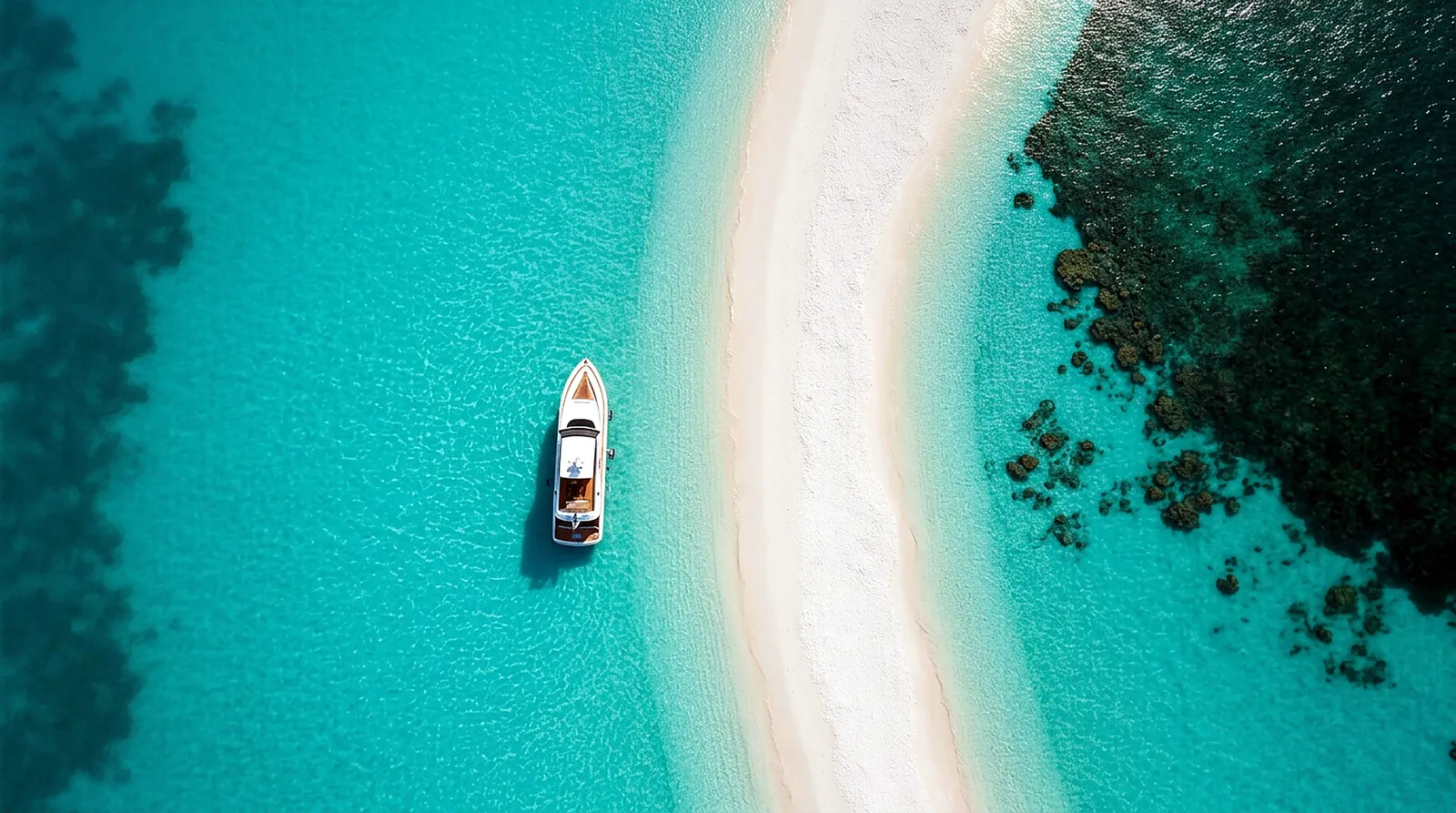
Conditions in September
You're thinking about diving the Bahamas in September? That's a bold move, and honestly, one that can pay off handsomely if you're prepared. September in the Bahamas falls firmly within hurricane season, which officially runs from June 1st to November 30th. Don't let that deter you entirely, though. While there's an increased risk of tropical storms and hurricanes, many September trips happen without a hitch, and those who brave it are often rewarded with fewer crowds and pristine conditions once the weather settles. The key is flexibility and keeping a close eye on forecasts.
Water temperatures are at their peak during September, offering supremely comfortable diving. Expect a balmy 28-30°C (82-86°F), so a 3mm shorty or even just a rash guard and board shorts will be more than sufficient for most dives. Visibility throughout the Bahamian archipelago remains consistently excellent, often exceeding 30 meters (100 feet), thanks to the lack of significant river runoff and the shallow, sandy seabed. Currents vary greatly depending on location and lunar phase, from gentle drifts in protected channels to stronger flows around exposed pinnacles and wrecks, but September doesn't typically bring any unusual current patterns.
Sea conditions, however, are the primary concern. Outside of tropical storm activity, the seas can be flat and calm, making for incredibly smooth boat rides and easy entries. But when a system approaches, expect choppy waters, heavy swells, and potential dive site closures or trip cancellations. Liveaboards tend to be more agile in navigating these conditions, often repositioning to more sheltered waters or altering itineraries to maximize diving opportunities. If you're considering a September trip, definitely opt for a liveaboard – it offers the best chance of uninterrupted diving given the dynamic weather patterns.
What you will see
September diving in the Bahamas is all about the sharks. Seriously, if you're a shark enthusiast, this is often a prime time to encounter a diverse range of species. The warm waters and active breeding cycles tend to bring in more pelagic action. You can expect frequent sightings of Caribbean reef sharks, particularly around their cleaning stations and reef edges. Nurse sharks are also a common sight, often found resting on the seabed or in swim-throughs. The real draw, however, are the larger pelagics that might make an appearance. Oceanic whitetips, though more associated with specific areas like Cat Island and normally more prevalent in spring/early summer, can still be spotted further offshore, especially if a liveaboard ventures into deeper waters.
Beyond the sharks, the vibrant reefs of the Bahamas are teeming with life. You'll encounter schooling snappers, grunts, and jacks, alongside colorful parrotfish, angelfish, and damselfish. Keep an eye out for green and hawksbill turtles gracefully gliding through the water or munching on sponges. Eagle rays are a common sight, often seen cruising over sandy patches or near reef walls. While September isn't generally known for manta ray aggregations, solitary individuals can be encountered, particularly around cleaning stations, but it’s not a definite sighting.
Macro life thrives on these healthy reefs too. Look closely for cryptic critters like nudibranchs, various species of crabs and shrimp hiding in crevices, and fascinating flatworms. The warm waters encourage a burst of activity across the entire food chain, ensuring a dynamic and engaging underwater experience, even with the ever-present possibility of shark encounters stealing the show.
Top dive sites this month
Given the potential for dynamic weather, flexibility is key, but some regions consistently deliver. The Exuma Cays Land and Sea Park is a fantastic choice for liveaboards, offering a multitude of sheltered dive sites and incredibly healthy reefs. Dive sites like the "Wreck of the Sapona," a partially submerged concrete ship, provide a stunning backdrop for reef sharks and schooling fish, and its shallow depth makes it accessible even if conditions are a bit choppy. Another gem in the Exuma Cays is the "Washing Machine," a drift dive that funnels divers through a cut, offering thrilling currents and abundant marine life. Its protected nature often makes it viable even in less-than-perfect weather.
For guaranteed shark action, especially if a liveaboard can navigate the conditions, the areas around Eleuthera and Cat Island are legendary. While the oceanic whitetip season usually peaks earlier in the year, September can still offer thrilling encounters, particularly on deeper dives or if you're lucky enough to be out during calm periods. The reefs and walls around these islands are pristine and boast healthy coral ecosystems. Liveaboards operating in these regions are skilled at finding the best spots, often utilizing bait to attract sharks (responsible feeding practices are typically employed). Lastly, the famous "Tiger Beach" off Grand Bahama is a year-round attraction for tiger sharks, lemon sharks, and Caribbean reef sharks. While hurricane season means less predictability, an opportune window at Tiger Beach in September can be an unforgettable, world-class shark diving experience.
Practical tips for your trip
For your wetsuit, as mentioned, a 3mm shorty or even just a rash guard and board shorts will be comfortable in the warm September waters. You might consider bringing a thin full-body wetsuit if you're prone to getting cold or if you plan on doing multiple long dives each day, but for most, less is more. This month is well-suited for divers of all experience levels, provided they choose a reputable liveaboard that prioritizes safety and has the flexibility to adapt to weather conditions. Beginners will appreciate the warm water and excellent visibility, while advanced divers will relish the opportunities for pelagic encounters and drift dives when conditions allow.
Liveaboard availability in September can sometimes be better than peak season, as some divers shy away due to hurricane concerns. This can also mean some operators offer slightly better rates. However, it's crucial to book with a liveaboard that has a solid cancellation and rebooking policy in case of tropical storm activity. Always check their terms and conditions regarding weather-related disruptions.
What to pack? Layers for land, as evenings can occasionally be cooler after a hot day, but mostly light, breathable clothing. Sunscreen, a wide-brimmed hat, and sunglasses are non-negotiable given the intense Caribbean sun. Definitely bring seasickness medication if you're prone to it, as sea conditions can be unpredictable. Most importantly, bring a positive attitude and a flexible mindset. You might have to swap a planned dive site for a more sheltered alternative, but the rewards of diving the Bahamas in September often outweigh the risks. Just be prepared for the possibility of itinerary changes and trust your liveaboard crew to make the best decisions for your safety and diving pleasure.
Year-round overview for the Bahamas
Frequently asked questions
Is September a good month to dive in the Bahamas?
What can you see diving in the Bahamas in September?
Should I book a the Bahamas liveaboard for September or wait?
Find a liveaboard for September
Compare available the Bahamas liveaboards departing in September.
Search and Book