Conditions in September
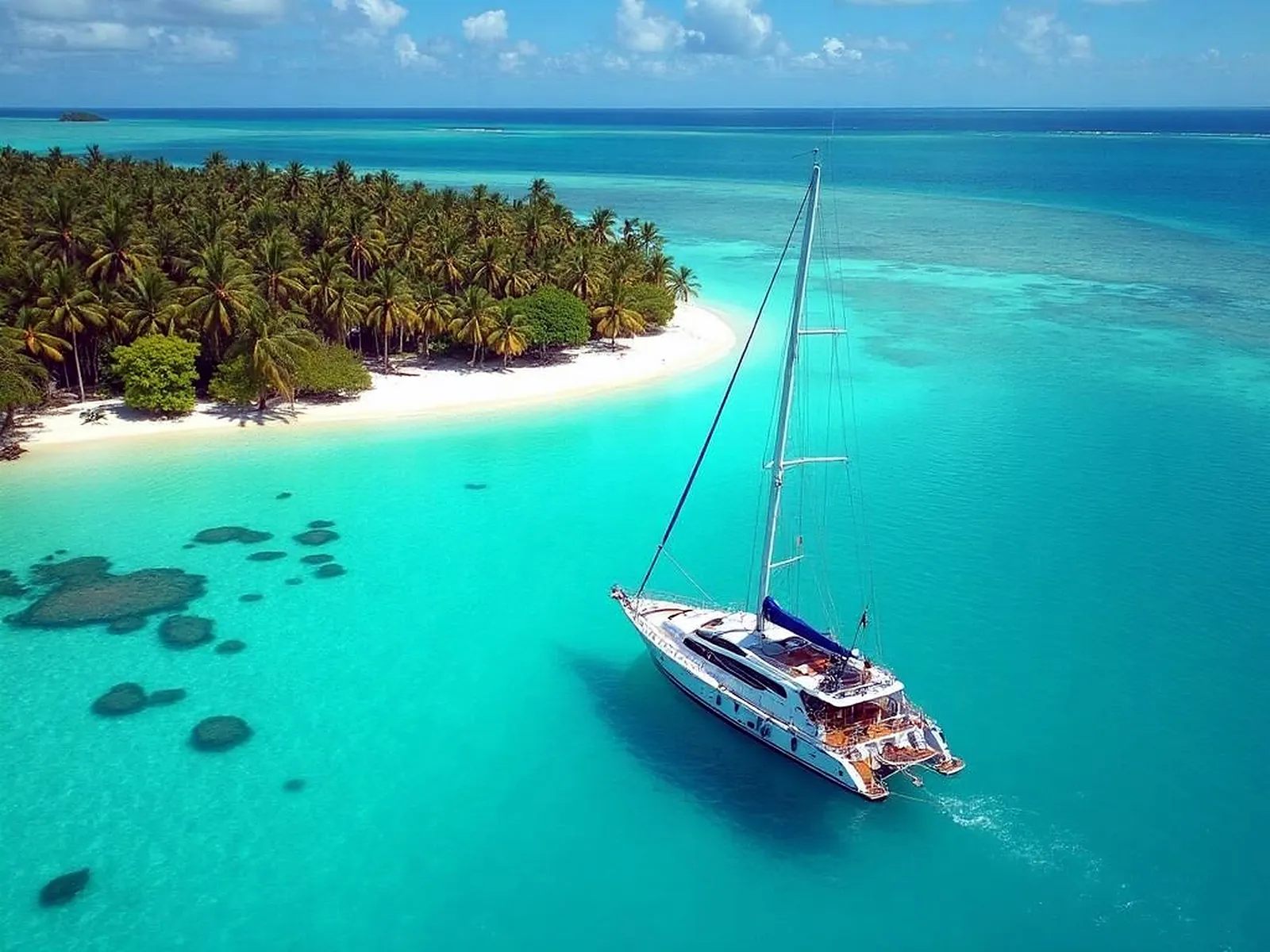
Diving the Silver Bank in September is an experience rooted in the heart of its whale season. While the Dominican Republic experiences its wet season from May to November, the Silver Bank, being an offshore marine sanctuary, is less directly impacted by daily tropical showers. You'll find the air temperatures comfortably warm, typically ranging from 28°C to 32°C (82°F to 90°F), with occasional refreshing breezes. Sea conditions, while generally calm within the protected banks, can be influenced by tropical depressions or hurricanes forming further out in the Atlantic. While direct hits are rare, passing systems can generate swell, so being aware of the forecast is always a good idea.
Water temperatures in September are wonderfully warm, hovering around 28°C to 29°C (82°F to 84°F). This means you'll be comfortable for extended periods in the water, often needing no more than a 3mm shorty or even just a rash guard, depending on your personal preference for warmth. Visibility on the Silver Bank is typically excellent. Due to the relative remoteness and the sandy, coral-rich bottom, you can expect visibility often exceeding 20-30 meters (65-100 feet). Unlike classic coral reef diving, the primary activity here is snorkeling and free-diving with humpback whales, so good visibility is key to maximizing your encounters. Currents within the Silver Bank itself are generally mild, making it very accessible for all experience levels, especially during planned whale interactions where calm conditions are paramount.
What you will see
September on the Silver Bank is all about one thing: humpback whales. This period falls firmly within the peak of their breeding and calving season in this protected sanctuary, making it one of the most reliable places on Earth to interact with these magnificent creatures. You'll be spending your days looking for mothers with their calves, nursing, playing, and teaching their young vital life skills. Encounters can also involve curious juveniles, solitary males, and even competitive pods. The sheer volume of whales present means you have an extremely high chance of multiple, extended interactions, often witnessing behaviors like spy-hopping, fin slapping, and even occasional breaches from a distance.
While the whales are undoubtedly the main attraction, don't overlook the rich supporting cast of marine life in the Silver Bank. The healthy coral reefs and sandy seabeds, though not the focus of a Silver Bank trip, host a variety of reef fish, rays, and smaller sharks. You might spot nurse sharks resting on the bottom, or reef sharks cruising the periphery. Keep an eye out for dolphins, which occasionally make an appearance, and various species of seabirds that congregate around the banks, feasting on baitfish. It’s a complete ecosystem, but the overwhelming focus and primary sightings are, without question, the incredible humpbacks and their calves.
Top dive sites this month
On the Silver Bank, the concept of "dive sites" is a little different than typical coral reef destinations. Instead of fixed locations, your expert guides and naturalists will navigate the vast 60 square miles of the sanctuary to find the whales. However, the Silver Bank itself is the primary "site." This large, shallow underwater plateau, about 100 kilometers north of the Dominican Republic, provides the perfect sheltered environment for humpback whales to breed, calve, and nurse their young.
Within the Silver Bank, the specific areas visited will depend entirely on whale activity and weather conditions. However, your captain will focus on areas like the shallower, protected leeward side of the bank when searching for mothers and calves, as the calmer waters offer safety and ease of movement for the young. There are also deeper sections and channels where males or competitive groups might be observed. The beauty of the Silver Bank experience is its dynamic nature; every day is a new adventure as you track and encounter these gentle giants in their natural habitat within the designated sanctuary boundaries.
Practical tips for your trip
For your Silver Bank adventure in September, a 3mm shorty wetsuit or even just a rash guard will be ample for the warm 28-29°C (82-84°F) water. Some prefer a full 3mm suit for sun protection and extra warmth during extended in-water sessions. This trip is uniquely suited for anyone with a love for marine wildlife and a comfort level in the water – you don't need to be an advanced diver. All interactions are via snorkeling or free-diving; scuba gear is not permitted for whale interactions. This makes it accessible to snorkelers, free-divers, and even non-divers who are strong swimmers and comfortable holding their breath during the brief, awe-inspiring encounters.
Liveaboard availability for Silver Bank trips, particularly during the peak season in September, can be limited, so booking well in advance (often a year or more) is highly recommended. Because you'll be spending long hours on deck searching for whales, pack plenty of sun protection: reef-safe sunscreen, a wide-brimmed hat, SPF clothing, and sunglasses. A good camera with an underwater housing is essential for capturing those once-in-a-lifetime moments. Motion sickness medication is also a wise inclusion, just in case of unexpected swell. Be aware that the Silver Bank is a strictly protected sanctuary, and all interactions are conducted under strict guidelines to ensure the whales' well-being, meaning observation from a respectful distance and only entering the water under guide supervision after whales have settled and shown an interest in interaction.
Year-round overview for the Dominican Republic
Frequently asked questions
Is September a good month to dive in the Dominican Republic?
What can you see diving in the Dominican Republic in September?
Should I book a the Dominican Republic liveaboard for September or wait?
Find a liveaboard for September
Compare available the Dominican Republic liveaboards departing in September.
Search and Book