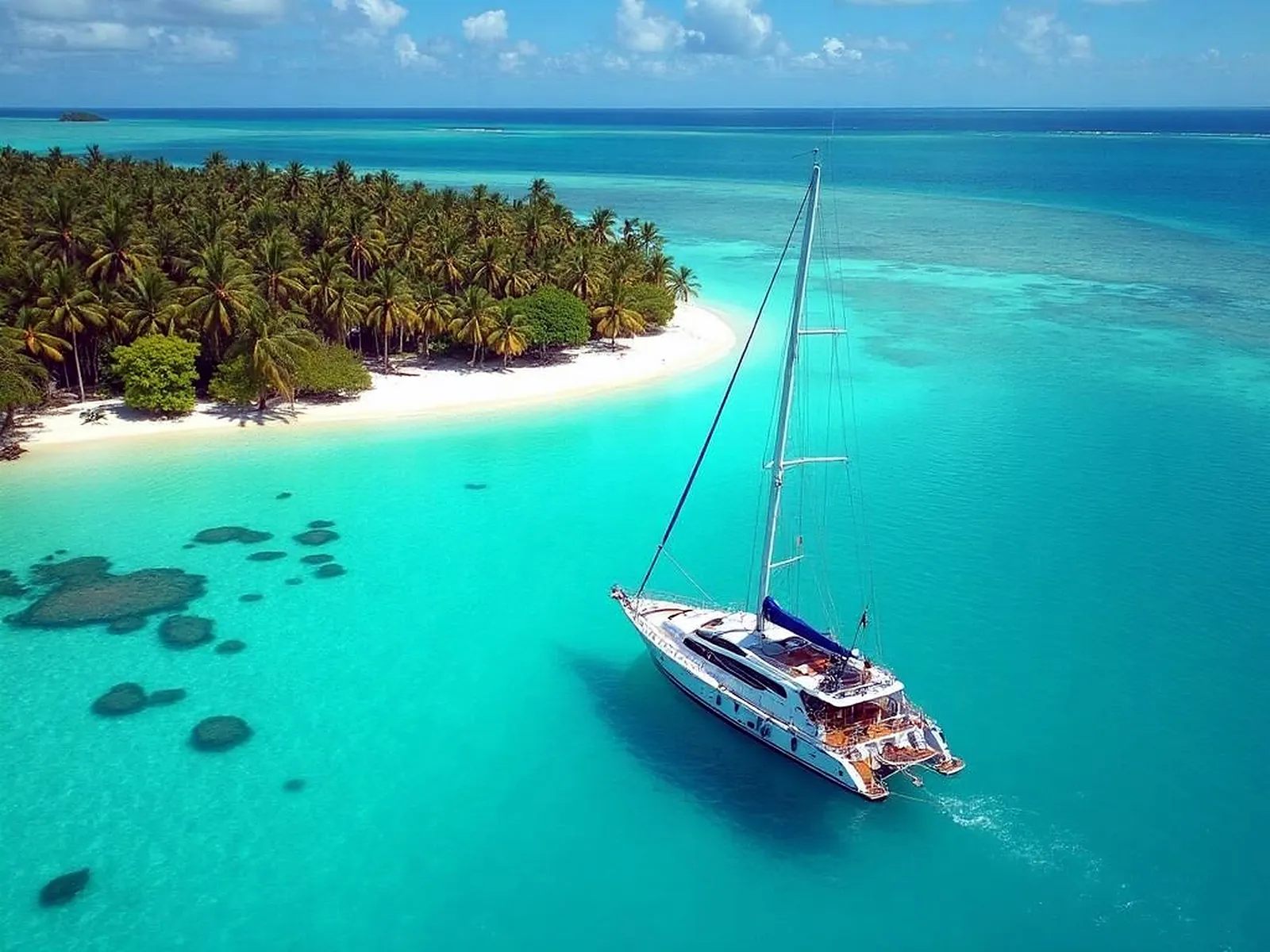
Picture this: you’re floating in crystal-clear water, the sun warming your back, and suddenly, you hear it – a haunting, ethereal song echoing through the depths. Then, a massive shadow glides gracefully beneath you, a majestic humpback whale, so close you can almost feel its presence. This isn't a dream; this is what diving in the Dominican Republic's Silver Bank in February offers. And trust us, it’s an experience that will stay with you long after you’ve toweled off.
Conditions in February
February in the Silver Bank is, quite frankly, ideal for your bucket-list encounter with humpback whales. The weather at this time of year is generally stable and pleasant, with plenty of sunshine and minimal rainfall. You can expect air temperatures to hover comfortably around 25-28°C (77-82°F), making for enjoyable topside conditions between your in-water encounters.
The sea state during February is typically calm, although as with any open ocean location, swells can occur. However, the Silver Bank's protected status and its naturally shallow depths often make for smoother rides than you might expect. Water temperatures are a very comfortable 24-27°C (75-81°F), allowing for extended periods in the water without feeling the chill. Visibility is consistently excellent, often exceeding 20 meters (65 feet) and sometimes even stretching beyond 30 meters (100 feet), providing incredible clarity for observing these magnificent creatures in their natural habitat. Currents are generally mild within the protected areas of the Silver Bank, making it easy to drift and observe without feeling like you're fighting against the ocean.
What you will see
February is prime time for one thing and one thing only in the Silver Bank: humpback whales. This period marks the peak of their migration to these warm, shallow waters for breeding, calving, and nursing their young. You'll be absolutely spoiled for choice. From the moment you arrive, your senses will be tuned to the sounds and sights of these gentle giants.
Expect to witness mothers with their newborn calves, a truly heartwarming spectacle as the young whales learn to navigate their new world. You’ll see playful juveniles breaching, tail-slapping, and spy-hopping, showcasing their incredible agility and power. The famous "singing" of the male humpbacks, a complex and resonant vocalization, will become the soundtrack to your trip, a constant reminder of the vibrant life beneath the surface. While the focus is undeniably on humpbacks, you might also spot other pelagic species passing through, such as various types of dolphins. However, the stars of the show in February are unequivocally, majestically, the humpbacks.
Top dive sites this month
The Silver Bank itself, located approximately 80 miles north of the Dominican Republic's coast, isn't characterized by traditional "dive sites" in the same way a coral reef system is. Instead, it’s a vast, shallow marine sanctuary spanning about 1,600 square kilometers. Your liveaboard will operate within the designated whale sanctuary, moving to areas where whale activity is highest and conditions are most favorable for in-water encounters.
There aren't specific named sites like "Shark Alley" or "Coral Gardens" in the Silver Bank. Instead, the entire protected area is your playground. Liveaboards here are authorized to conduct soft-in-water encounters, meaning you’ll enter the water with an experienced guide and snorkel alongside the whales. The beauty of the Silver Bank in February is that almost anywhere within this sanctuary, you have a high probability of unforgettable encounters. Your captain and experienced whale guides will utilize their knowledge and local conditions to position the vessel in the best spots for respectful and awe-inspiring interactions, focusing on areas with calm waters and active whale pods, such as the shallower, protected sections of the bank.
Practical tips for your trip
Given the comfortable water temperatures of 24-27°C (75-81°F), a 3mm shorty or full wetsuit is usually more than sufficient for your in-water encounters. Some might even be comfortable in just swimwear, but a thin wetsuit offers warmth during extended periods in the water and protection from the sun. This trip is suitable for confident snorkelers and freedivers rather than scuba divers, as strict regulations prohibit scuba diving with humpback whales to ensure their protection and minimize disturbance. Being comfortable in open water and capable of swimming for periods is key, as you'll be actively snorkeling to observe the whales.
Liveaboard availability for Silver Bank in February is highly competitive, so booking well in advance – often a year or more – is absolutely essential. These trips are very popular due to the limited season and strict permits. What to pack? Beyond your standard dive gear (though only mask, snorkel, and fins are needed for encounters), bring plenty of reef-safe sunscreen, a wide-brimmed hat, sunglasses, and seasickness medication if you're prone to motion sickness, as you'll be at sea for several days. A good camera with an underwater housing is a must for capturing these once-in-a-lifetime moments. Be aware that the experience is entirely dependent on the whales' willingness to interact; patience and respect for these wild animals are paramount. Ethical guidelines are strictly enforced to ensure the whales’ well-being, so always follow your guides' instructions carefully.
Year-round overview for the Dominican Republic
Frequently asked questions
Is February a good month to dive in the Dominican Republic?
What can you see diving in the Dominican Republic in February?
Should I book a the Dominican Republic liveaboard for February or wait?
Find a liveaboard for February
Compare available the Dominican Republic liveaboards departing in February.
Search and Book