Conditions in February
So, you’re thinking about diving in Turkey in February? Let’s talk about what you can expect. While Turkey might be a summer hotspot for many, February offers a unique, albeit cooler, diving experience. The weather above the surface will be distinctly wintery. You’re looking at air temperatures ranging from chilly lows of 5°C (41°F), especially in the early mornings or evenings, to more temperate daytime highs around 12-15°C (54-59°F) in coastal areas like Kaş or Fethiye. Don't expect sunny beach weather; rather, anticipate crisp air, sometimes punctuated by rain showers or even a blustery day. This means warm layers are essential for surface intervals and onshore excursions.
The sea state in February can be quite variable. While you might enjoy smooth, glassy conditions on some days, it's also not uncommon to encounter choppier seas, particularly if a winter storm system is passing through. This is something to bear in mind if you're prone to seasickness. It's always a good idea to check local forecasts closer to your travel dates. The water temperature is the biggest factor to consider this time of year. Expect the Mediterranean and Aegean seas around Turkey to be at their chilliest, typically hovering between 15-17°C (59-63°F). This is certainly not bath water, so proper thermal protection is paramount, which we'll discuss later.
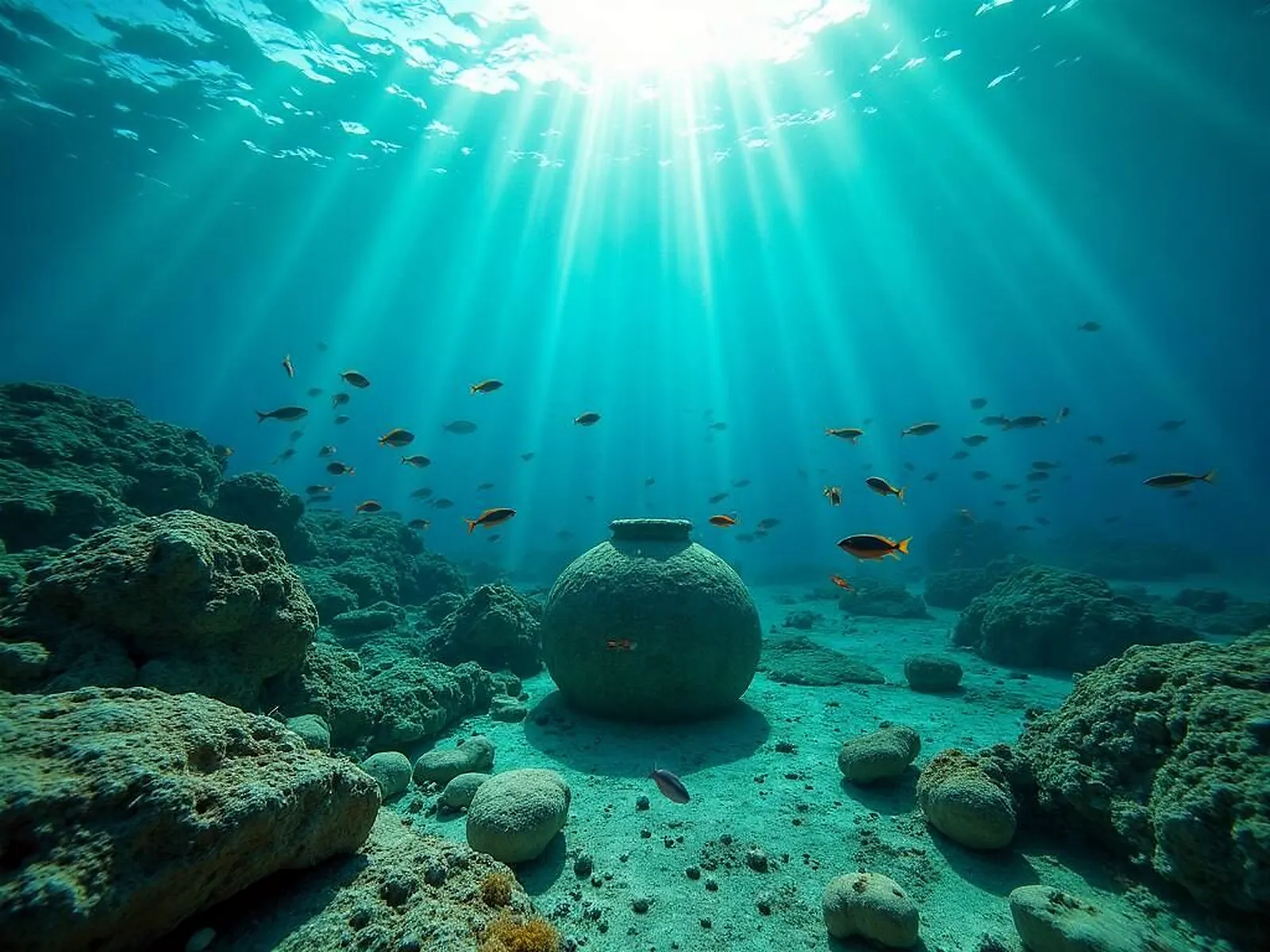
However, the cooler water often brings its own rewards. Visibility at this time of year can be absolutely stellar. With fewer crowds, less boat traffic, and often calmer conditions (when not stormy), you can frequently enjoy crystal-clear waters in the 20-30 meter (65-100 feet) range, sometimes even more. Currents are generally manageable and predictable, though, as always, they can vary by specific dive site and daily conditions. February diving in Turkey is definitely for the hardy dive enthusiast who appreciates tranquility and potentially spectacular visibility over tropical warmth. It's a quieter time to explore the underwater world without the bustling summer crowds.
What you will see
Diving in Turkey during February, while cooler, offers a unique opportunity to witness marine life with a different perspective. Many of the resident species remain, and the reduced human activity often means you can observe them in a more natural, undisturbed state. You won't typically find large pelagic aggregations like manta rays or whale sharks which are more synonymous with tropical climes, but Turkey’s dive sites are rich in other forms of life. Look out for groupers, often found sheltering in cracks and crevices, which can be surprisingly bold in the cooler water. Moray eels are also residents you'll frequently encounter, peeking out from their rocky homes. Octopus and cuttlefish are relatively common, their camouflage skills making them a rewarding spot for keen-eyed divers.
Macro lovers will have plenty to keep them occupied. Nudibranchs, those colourful sea slugs, are often prevalent, and the less crowded sites mean you can take your time searching for them. Keep an eye on rocky walls and reefs for various species of blennies, gobies, and colourful damselfish. The seagrass beds, particularly common in areas like Kaş, provide refuge for numerous smaller fish and invertebrates. While February isn’t the peak season for many migratory species, you might still get lucky and spot a loggerhead turtle (Caretta caretta) gracefully gliding by, even if they are less frequent than in warmer months. Dolphin sightings from the boat are also not impossible, adding an extra layer of excitement to your surface intervals.
Shark sightings are extremely rare in Turkey in general, and February is no exception; don’t come expecting a shark safari. However, the true beauty of diving here at this time lies in the serene exploration of the underwater topography, which is often stunning, and the opportunity to truly observe the smaller, more resilient residents of the Mediterranean and Aegean with unparalleled clarity. It’s a chance to slow down, appreciate the intricate details of the reef, and enjoy the peace that comes with fewer divers around you.
Top dive sites this month
If you're heading to Turkey for a February dive adventure, your best bets will be found around the southwestern coast, particularly the regions of Kaş and Fethiye. These areas offer more consistent diving infrastructure and a good variety of sites that hold up well to cooler conditions. In Kaş, a perennial favourite, you absolutely have to explore the "Canyon" and "Flying Fish" sites. The Canyon offers dramatic swim-throughs and walls adorned with vibrant marine life, while Flying Fish is named after the impressive wreck of an Italian Savoia-Marchetti SM.79 bomber, a truly unique and atmospheric cold-water dive. The clarity of the water in February truly enhances the experience of these sites, allowing you to appreciate their scale and details.
Near Fethiye, the "Afkule" dive site is another excellent choice. This site features fascinating caves and caverns, providing a thrilling exploration for experienced divers. The light play through the cavern openings can be breathtaking, and the resident groupers often seem undisturbed by the presence of divers. Another notable area is the Dalyan region, with its fascinating underwater topography, though specific dive sites might vary depending on operational capacity during the winter months. Remember that flexibility is key, as local dive operators will choose sites based on daily weather and sea conditions for your safety and enjoyment. Focusing on these renowned sites ensures you're visiting places known for their year-round appeal and resilience to the cooler conditions.
Practical tips for your trip
Diving in Turkey during February demands proper preparation, especially when it comes to thermal protection. Given the water temperatures of 15-17°C (59-63°F), a 7mm wetsuit is the absolute minimum you should consider. Many divers will find a semi-dry wetsuit more comfortable, and a hood, gloves, and booties are non-negotiable for staying warm throughout your dives. Even if you're usually comfortable in cooler water, multiple dives a day will lead to progressive chilling, so err on the side of caution. For surface intervals and onshore, pack plenty of warm layers – a good waterproof jacket, hats, scarves, and extra jumpers are essential.
This month is generally better suited for experienced divers who are comfortable in cooler conditions and potentially choppier seas, and who appreciate a more tranquil, less crowded experience. Beginners might find the cold a bit off-putting for their first introduction to diving, but if you're a hardy beginner with excellent cold-water gear, it's certainly doable. Liveaboard availability in Turkey during February is significantly reduced compared to the peak summer season. While there might be a few specialized operations, most mainstream liveaboards will be in dry dock for maintenance or operating in warmer regions. You're more likely to conduct your dives through local dive centers running daily boat trips. Always inquire in advance about their winter schedules and operational capacity. Be aware that some smaller dive centers might close during the quietest winter months, so ensure your chosen operator is open and running trips. This isn't a month for spontaneous walk-ins; plan ahead.
Year-round overview for Turkey
Frequently asked questions
Is February a good month to dive in Turkey?
What can you see diving in Turkey in February?
Should I book a Turkey liveaboard for February or wait?
Find a liveaboard for February
Compare available Turkey liveaboards departing in February.
Search and Book