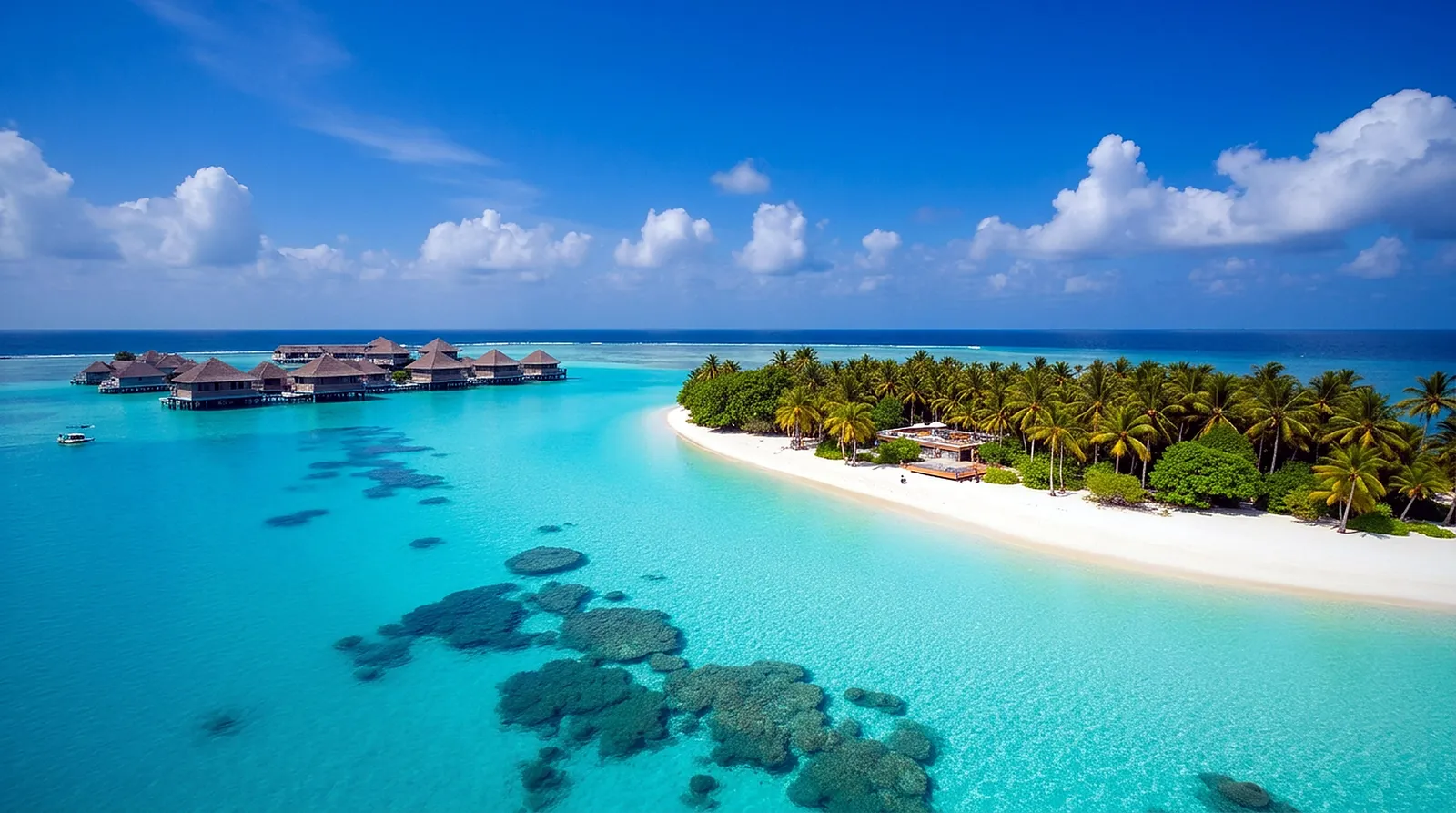
Conditions in February
February in the Maldives is, without a doubt, one of the prime months to be underwater. You’re catching the tail end of the dry season, which means consistently delightful conditions across the atolls. The northeast monsoon (iruvai) is in full swing, bringing with it stable, clear weather and calm seas. Expect sunshine-filled days with very little chance of rain, making for incredibly comfortable surface intervals and epic sunsets. Air temperatures hover around a balmy 28-30°C (82-86°F) – perfect for lounging on deck between dives.
Underwater, things are equally inviting. Water temperatures are beautifully warm, typically ranging from 27-29°C (81-84°F). This means you’ll be super comfortable, even during longer dives. Visibility is generally excellent, often reaching 20-30 meters (65-100 feet), especially on the western sides of the atolls as the currents push clear Indian Ocean water through. While currents are a constant feature of Maldivian diving, February sees them largely predictable, flowing predominantly from east to west. This flow is precisely what makes early spring so rewarding for pelagic encounters, as nutrient-rich water rushes across the reefs, attracting big fish. You might encounter mild to moderate currents on channel dives, which is exactly what you want for those exhilarating drift dives.
What you will see
February in the Maldives is synonymous with pelagic action, making it a dream come true for big fish enthusiasts. The prevailing currents during this month act like a natural conveyor belt, bringing a wealth of nutrients to the channels and outer reefs. This means fantastic opportunities for spotting reef sharks – grey reef sharks, whitetip reef sharks, and blacktip reef sharks are commonly seen patrolling the cleaning stations and channel entrances. If you’re lucky, you might even encounter a hammerhead or two, especially in specific dawn dives known for these elusive beauties.
Manta rays are a major highlight, especially in the central and southern atolls. While Hanifaru Bay is not yet in its peak manta feeding season, other known manta congregating sites, particularly on the western side of atolls like Ari Atoll, offer consistent sightings at cleaning stations. You’ll often find them gracefully circling, allowing for incredible up-close encounters. Whale sharks, though always a majestic and somewhat unpredictable sight, are also around. February sees increased chances of encountering these gentle giants, particularly on the outer reefs and channel edges of South Ari Atoll, as they cruise for plankton.
Beyond the giants, the reefs themselves are teeming with vibrant life. Expect to see schooling fish like fusiliers, snappers, and trevallies in impressive numbers. Napoleon wrasse, moray eels (including giant morays), and various triggerfish are omnipresent. For macro lovers, don't despair – the ledges and overhangs still harbor nudibranchs, leaf fish, and even frogfish if your dive guides have a keen eye. Keep an eye out for eagle rays gliding effortlessly above the coral gardens, adding another layer of magic to your Maldivian dive experience.
Top dive sites this month
Given the prevailing currents and pelagic activity in February, certain dive sites and regions truly shine. For consistent manta ray encounters, look no further than West Ari Atoll. Sites like Maaya Thila (often dubbed 'The Shark Thila') are phenomenal, not just for mantas at their cleaning stations, but also for an abundance of grey reef sharks, whitetips, and schooling fish swirling around its famous pinnacle. It's a night dive spectacle too, with hunting whitetips. Another must-visit in Ari Atoll is Fish Head (Mushimasmingili Thila), a marine protected area known for its healthy coral formations and constant shark activity.
Further south, Fuvahmulah Atoll, often described as a 'pelagic paradise,' truly comes into its own during February. The unique oceanic thilas around Fuvahmulah offer unparalleled opportunities to encounter tiger sharks, thresher sharks, oceanic whitetips, and even immense schools of great hammerheads. It's a specialist destination for hardcore shark diving and an absolute highlight this time of year. For those seeking whale sharks, the protected marine area of South Ari Atoll's outer reefs, particularly around Dhidhdhoo Beyru and Sun Island, remain prime spots for these gentle giants throughout February, often encountered as they cruise along the reef edge.
Practical tips for your trip
Given the super warm waters of 27-29°C (81-84°F), you won't need a heavy wetsuit. A 3mm full suit or even a shorty will be more than sufficient for most divers. Some seasoned divers even opt for just a rash guard for protection against the sun and minor scrapes. This month is generally suitable for all levels of divers. While the currents can be noticeable, good dive guides will manage them effectively, making for thrilling drift dives rather than challenging struggles. If you're a beginner, stick to the less current-exposed inner reefs, but if you've got some experience, you’ll love the drift dives in the channels. Liveaboard availability in February can tighten up as it's a very popular time, so it's wise to book your trip well in advance – think 6-12 months out – to secure your preferred vessel and itinerary.
In terms of packing, light, breathable clothing is key. Don't forget high-SPF reef-safe sunscreen, a wide-brimmed hat, and sunglasses to protect yourself from the strong equatorial sun. A good reef hook can be incredibly useful for deeper channel dives with stronger currents, allowing you to comfortably observe the passing pelagics without expending too much energy. Remember to bring any personal medication, a good camera (because you're going to see amazing things!), and a sense of adventure. Be aware that while the weather is usually fantastic, occasional brief tropical showers can still occur, but they rarely last long enough to disrupt your diving schedule. Enjoy the Maldivian magic!
Year-round overview for the Maldives
Frequently asked questions
Is February a good month to dive in the Maldives?
What can you see diving in the Maldives in February?
Should I book a the Maldives liveaboard for February or wait?
Find a liveaboard for February
Compare available the Maldives liveaboards departing in February.
Search and Book