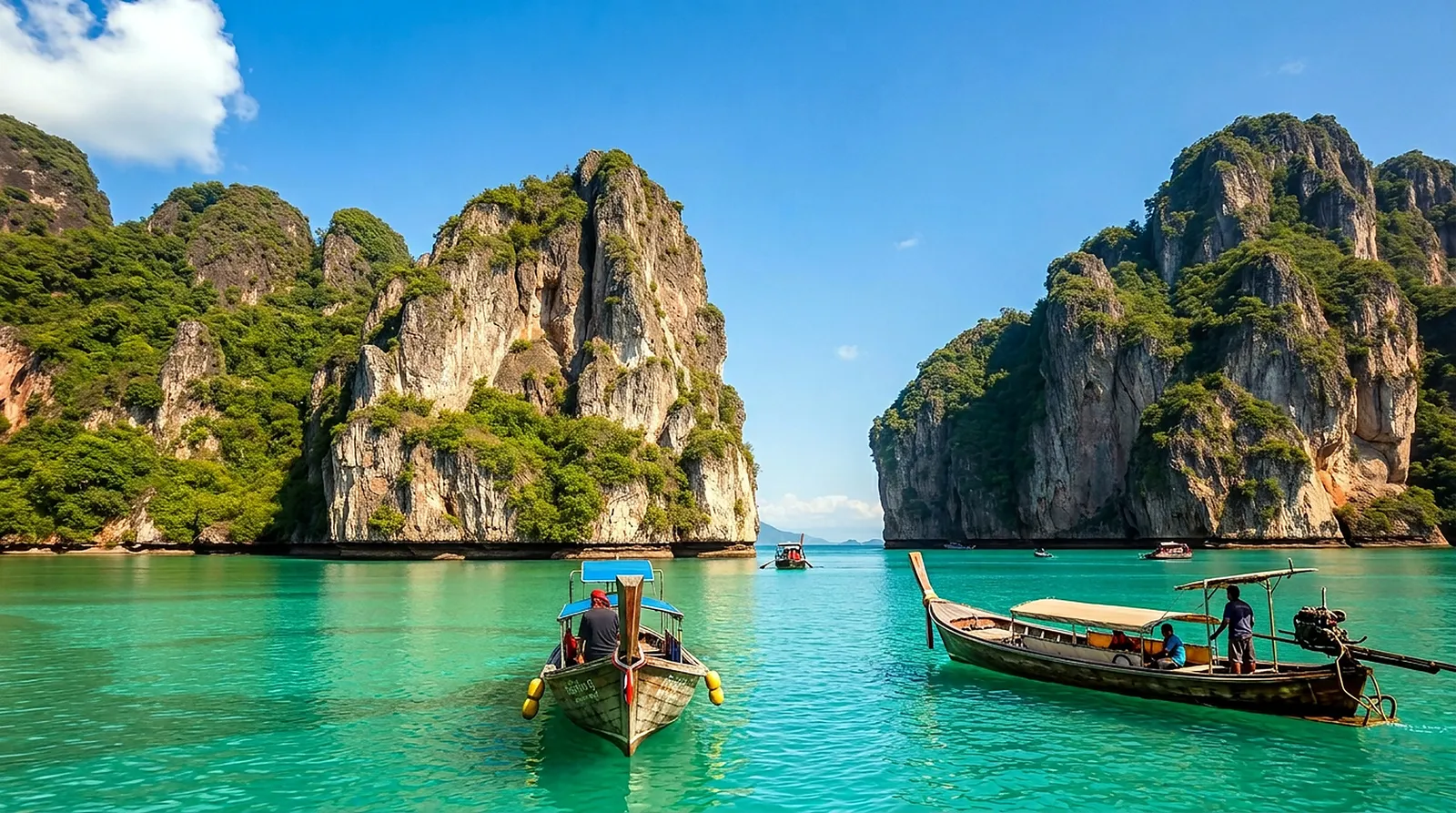
Conditions in February
February in the Philippines is a sweet spot for divers, marking the heart of the dry season. You're looking at generally idyllic conditions across most of the archipelago, making it a prime time to explore its underwater wonders. Weather-wise, expect plenty of sunshine and minimal rainfall, a welcome reprieve from the wetter months. Air temperatures typically hover around 26-30°C (79-86°F), so you'll be comfortable on deck and in between dives.
Sea state is usually calm and predictable, particularly in popular diving regions. This translates to smooth sailing for liveaboards and comfortable entries and exits from the water. You might encounter an occasional choppier patch, especially in more exposed areas, but generally, it's a tranquil experience. Water temperatures are pleasantly warm, ranging from a balmy 25-28°C (77-82°F) across most dive sites. This makes it comfortable for prolonged dives without needing excessive thermal protection.
Visibility during February is often exceptional, a real highlight of diving in the Philippines at this time. Expect it to regularly exceed 20 meters, and on good days, you could be peering into an astonishing 30 meters or more. This crystal-clear water truly enhances the vibrant coral reefs and abundant marine life. While currents are always a factor in certain areas, particularly around channels and seamounts, February doesn't present any unusual current patterns; they are generally moderate and predictable, often aiding drift dives and bringing in the pelagics we all love to see.
What you will see
February is absolutely fantastic for marine life encounters in the Philippines. This month often sees significant pelagic activity, especially in those nutrient-rich areas. While not guaranteed, it's a prime time for spotting thresher sharks at Malapascua, their distinctive tails slicing through the morning light as they visit cleaning stations – a truly iconic Filipino dive experience. For manta ray enthusiasts, February offers good chances, particularly around dive sites known for their cleaning stations or feeding aggregations. Regions like Ticao Pass in the Donsol area are renowned for these graceful giants, though it's less of a consistent occurrence in February compared to later in the season.
Beyond the big stuff, the Philippines truly shines with its incredible biodiversity, and February is no exception. Expect thriving, colorful coral reefs teeming with reef fish of every imaginable hue. You'll encounter schools of jacks, barracuda, and snappers, while turtles, both green and hawksbill, are common sightings. For macro lovers, the Philippines is a paradise year-round, and February ensures excellent visibility to spot the tiniest critters. Keep your eyes peeled for pygmy seahorses, flamboyant cuttlefish, various nudibranchs, frogfish, and a plethora of unique crustaceans hidden among the corals and sandy bottoms.
While there aren't specific large-scale seasonal aggregations like whale shark feeding frenzies in February (that's typically later in spring), the overall health of the ecosystem and favorable conditions mean you're consistently encountering a diverse and healthy marine environment. Dive sites are buzzing with activity, from vibrant anemonefish protecting their homes to reef sharks patrolling the outer walls. The calm conditions also make it easier for photographers to capture stunning images of both wide-angle reefscapes and intricate macro subjects, showcasing the full spectrum of Philippine marine life.
Top dive sites this month
For an unforgettable dive trip in February, you really can't go wrong with Malapascua Island. This tiny island just north of Cebu is world-famous for its consistent thresher shark sightings at Monad Shoal, with February being an excellent month to witness these majestic creatures in their natural habitat. Beyond the threshers, Malapascua offers stunning reef dives at sites like Gato Island, where you might spot sea snakes, white-tip reef sharks, and the elusive mandarin fish at dusk.
Another must-visit destination for February is Tubbataha Reefs Natural Park. While its season typically starts in March, some liveaboards do begin their trips in late February. If you can catch one of these early departures, you're in for a treat. Tubbataha is a UNESCO World Heritage Site, offering pristine reefs, huge schools of fish, numerous shark species (including hammerheads and whale sharks if you're lucky), barracuda, manta rays, and an incredibly healthy coral ecosystem. Finally, Anilao in Batangas is a macro photographer’s dream, and February's calm conditions and great visibility make it an ideal time to hunt for rare critters like frogfish, nudibranchs, seahorses, and flamboyant cuttlefish. Its proximity to Manila also makes it a convenient option for shorter trips.
Practical tips for your trip
Given the warm water temperatures of 25-28°C (77-82°F) in February, most divers will be perfectly comfortable in a 3mm shorty wetsuit or even a dive skin. If you tend to get cold easily or plan on doing multiple dives a day, a full 3mm wetsuit might be a good choice, but anything thicker is generally overkill. This month is fantastic for divers of all experience levels. The generally calm seas and great visibility make it very approachable for beginners, while the consistent pelagic action and diverse macro life offer plenty to excite advanced divers and avid photographers.
Liveaboard availability in February can be quite good, as it's the peak dry season, but popular itineraries, especially those heading to Tubbataha (if it's open), tend to book up quickly. We always recommend booking your liveaboard well in advance to secure your preferred vessel and cabin. In your dive bag, aside from your standard dive gear, consider bringing a reef hook for those stronger current areas, an underwater camera to capture the stunning visuals, and plenty of reef-safe sunscreen. A light rain jacket is always a good idea for any unexpected showers, though they are infrequent this month. Be aware that some remote areas might have limited ATM access, so carrying some local currency (Philippine Pesos) is wise for small purchases or tips. Also, remember to respect local customs and marine life; look but don't touch, and always practice responsible diving.
Year-round overview for the Philippines
Frequently asked questions
Is February a good month to dive in the Philippines?
What can you see diving in the Philippines in February?
Should I book a the Philippines liveaboard for February or wait?
Find a liveaboard for February
Compare available the Philippines liveaboards departing in February.
Search and Book