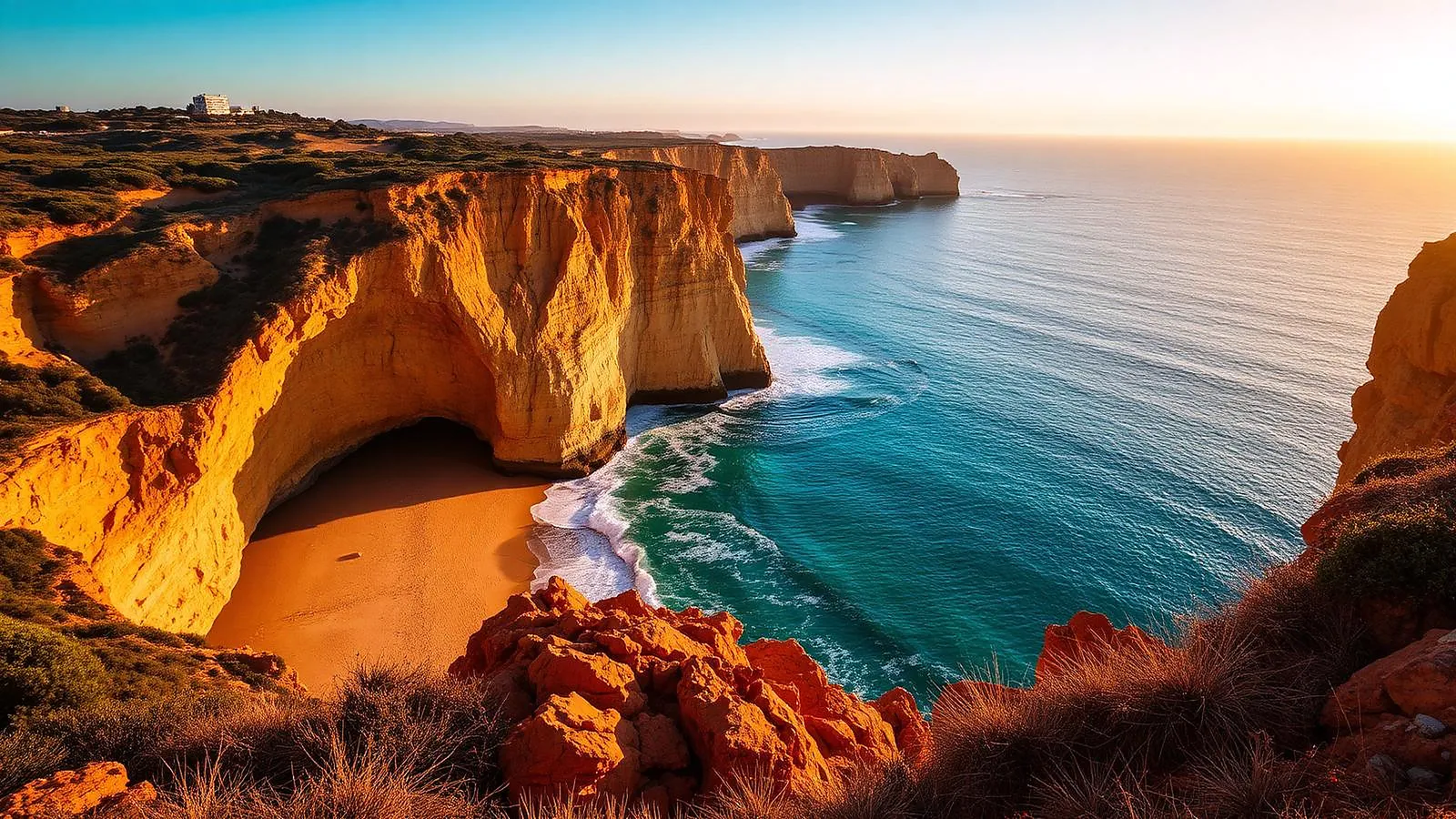
Conditions in February
February in the Azores is a unique time to experience these volcanic islands, both above and below the surface. While it might sound like an off-season for some dive destinations, the mid-Atlantic location of the Azores means that diving is a year-round affair, albeit with some distinct characteristics during the winter months. You'll find the air temperatures averaging around 13-16°C (55-61°F), which, while mild, means you'll definitely want a jacket when you're not in the water. The sea state can be a bit more unpredictable than in the summer. While you can certainly have calm, beautiful days, it's also possible to experience choppier conditions. Your dive operator will, of course, prioritize safety and select sheltered sites if the weather dictates.
Water temperatures in February typically range from 15-17°C (59-63°F). This is certainly on the cooler side for diving, so come prepared with appropriate thermal protection. Visibility often remains excellent, a hallmark of Azorean diving, frequently between 20-30 meters. This is due to the lack of significant terrestrial runoff and the deep, clear waters surrounding the islands. Currents, as always in the Azores, can be present and vary in strength depending on the dive site and tidal conditions. While you're unlikely to encounter the raging currents sometimes found in other parts of the world, a good grasp of drift diving techniques is always beneficial.
What you will see
Diving the Azores in February offers a different, yet equally captivating, marine life experience compared to the bustling summer months. While the iconic pelagics like whale sharks and mobula rays are less commonly sighted during this period, you’re in for a treat with the resident species and some winter visitors. Think impressive schools of dusky groupers, barracudas, and amberjacks that patrol the volcanic reefs and seamounts. The colder water brings its own charm, encouraging different behaviours and species to be more prominent. Keep your eyes peeled for the always-present common stingrays and even some eagle rays gliding gracefully over the sandy patches.
February is also an excellent time for encountering smaller, yet equally fascinating, creatures. The volcanic geology of the Azores provides intricate caves, crevices, and walls teeming with life. You'll often spot colourful nudibranchs, vibrant jewel anemones, and various species of moray eels peeking out from their rocky hideouts. While large pelagics might be less frequent, you still have a chance to encounter various shark species, particularly blue sharks and sometimes even oceanic whitetips, though these are more common further offshore on dedicated pelagic trips. The colder water can also increase the chances of seeing some of the deeper-dwelling fish moving into shallower waters.
Top dive sites this month
Given the potential for choppier seas in February, dive operators often favour more sheltered sites or those accessible from protected harbours. One excellent choice is Gruta dos Meros (Grouper's Cave) off Faial Island. This site is renowned for its large schools of dusky groupers and offers impressive volcanic formations to explore, proving equally captivating in cooler temperatures. Its relatively sheltered location makes it a frequent destination during the winter months. Another fantastic option is Dori, a shipwreck off São Miguel Island. This World War II cargo ship lies at a manageable depth and its artificial reef attracts a wealth of marine life, from various fish species to nudibranchs, providing an exciting wreck dive regardless of the season.
For those seeking dramatic underwater landscapes, the unique rock formations of Ilhéu de Vila Franca do Campo off São Miguel are truly special. This submerged volcanic crater offers a relatively protected environment and is home to a diverse array of fish, including schools of barracudas and amberjacks, making it a spectacular dive. If conditions allow for an offshore trip, the pinnacles of Formigas Bank are always a top pick. While the giant pelagics are less common, the sheer volume of fish life, dense schools, and the unique geological structures make it an unforgettable experience, even in February. Its exposure means it's not always accessible, but if you get the chance, it's a must.
Practical tips for your trip
Given the water temperatures of 15-17°C (59-63°F) in February, a 7mm wetsuit is highly recommended, possibly with a hooded vest or a semi-dry suit for optimal comfort. For those who get cold easily, a dry suit would also be a very sensible choice. This month suits divers who appreciate a "less crowded" experience and are comfortable with cooler water. While beginners can certainly dive, some previous experience with cooler water or varied sea conditions might make your trip more enjoyable. Always discuss your experience level with your dive operator.
Liveaboard availability in the Azores is seasonal, with most operations focusing on the warmer months for their longer cruises to distant banks. However, day boat operations from the main islands (like São Miguel and Faial) are generally running, offering daily departures to local sites. It's always best to book your diving and accommodation in advance, even in the off-season, to secure your spots. When packing, think layers! A good quality waterproof and windproof jacket for topside, warm clothes for evenings, and, of course, all your dive gear (or plan to rent quality equipment). Be aware that flight schedules might be slightly less frequent than in peak season, so plan your travel accordingly. Embrace the slightly wilder, more serene side of the Azores – you're in for a treat!
Year-round overview for Portugal (Azores)
Frequently asked questions
Is February a good month to dive in Portugal (Azores)?
What can you see diving in Portugal (Azores) in February?
Should I book a Portugal (Azores) liveaboard for February or wait?
Find a liveaboard for February
Compare available Portugal (Azores) liveaboards departing in February.
Search and Book