Conditions in February
February in the Saudi Arabian Red Sea presents an exquisite window for divers seeking favorable conditions. In February, historical mean daily air-temperature minima and maxima at Jeddah airport (central Red Sea) are 18.4–28.8 °C (65–84 °F) (1961–1990). These are coastal station averages, not offshore forecasts. You'll typically find calm to moderate sea states, with prevailing gentle northerly winds. This generally translates to smooth sailing and comfortable transfers between dive sites, a significant plus for any liveaboard adventure.
Long-term average sea temperatures in February: about 26 °C (78 °F) around Jeddah (central Red Sea). While this is slightly cooler than the peak summer months, it's still comfortable for extended dives, especially for those accustomed to tropical waters. Visibility is often at its peak during this period, offering clear waters. The cooler water tends to reduce plankton blooms, leading to crystal-clear conditions that enhance your underwater experience significantly. Currents are generally manageable, varying from mild to moderate depending on the specific site and lunar phase, allowing for relaxed drifts over vibrant reefs.
What you will see
February diving in the Saudi Red Sea is an absolute treat for marine life enthusiasts, particularly those with a keen eye for pelagic encounters. The slightly cooler waters and nutrient-rich currents often attract a spectacular array of larger species. You stand an excellent chance of encountering various shark species, including possible oceanic whitetips and hammerhead sharks, especially around offshore pinnacles and drop-offs. Manta rays, majestic and graceful, are also more frequently sighted during this time, often cruising along reef edges or congregating at cleaning stations. You might even be lucky enough to witness a passing whale shark, though these gentle giants are more sporadic visitors.
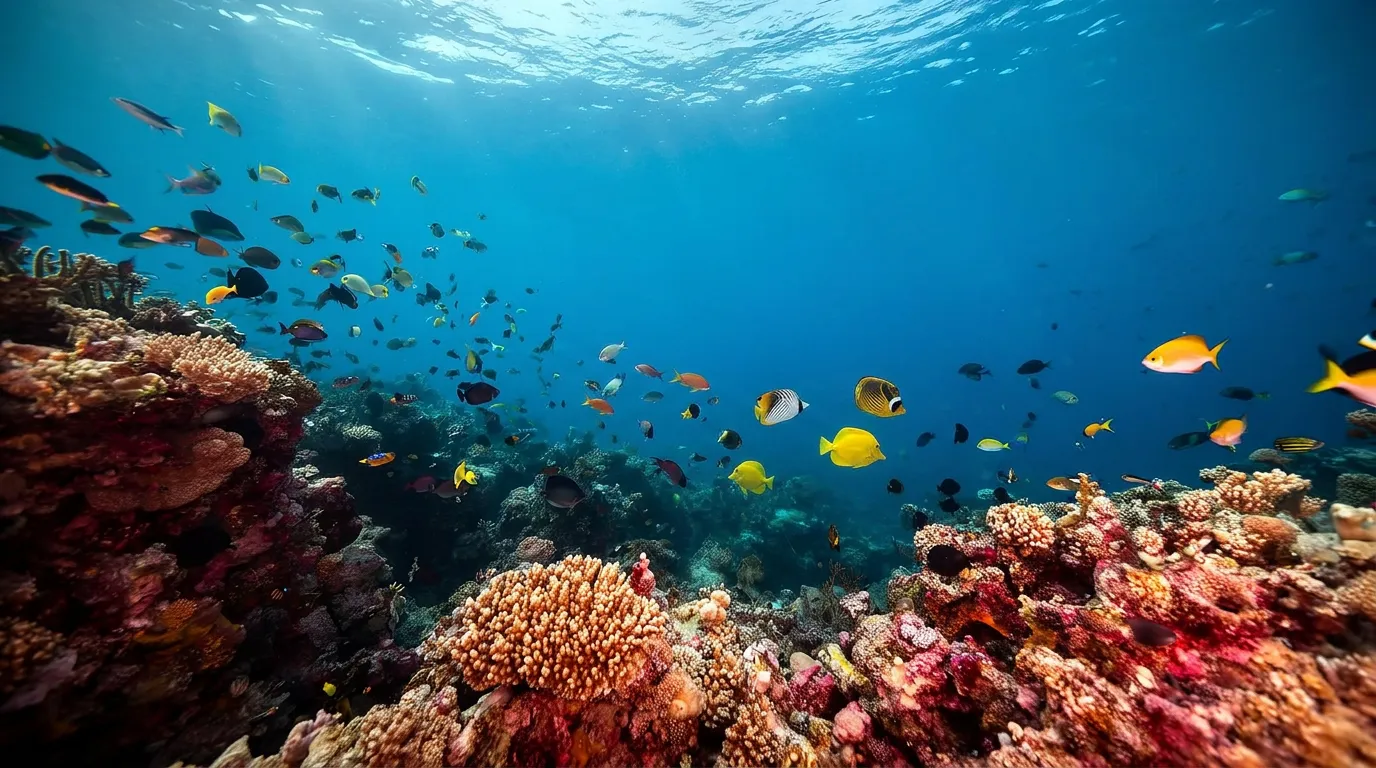
Beyond the thrill of pelagics, the reefs themselves are bursting with life. The cooler water temperatures tend to encourage prolific coral growth and a vibrant density of reef fish. You'll navigate through schools of fusiliers, snappers, and groupers. Macro enthusiasts will not be disappointed either; look closely for pygmy seahorses, ornate ghost pipefish, and a variety of Nudibranchs nestled amongst the corals. Seasonal aggregations of schooling fish, such as barracuda and jacks, can create mesmerizing spectacles, swirling in unison against the azure backdrop. The overall health and untouched nature of the Saudi Red Sea reefs mean you'll encounter pristine ecosystems thriving with biodiversity.
Top dive sites this month
For an unforgettable February dive trip in the Saudi Red Sea, several sites stand out. The Five Sisters, a remote chain of stunning offshore pinnacles, are legendary for their prolific coral gardens and frequent pelagic encounters, offering excellent opportunities for shark and manta sightings in the cooler months. Further north, the reefs around Jubail offer spectacular hard and soft coral diversity, attracting a rich variety of reef fish and occasional large oceanic species. The currents here can bring in nutrient-rich waters, enhancing marine life activity.
Another must-visit region is around the Farasan Banks. This vast area boasts numerous untouched reefs, drift dives, and magnificent walls where you can anticipate encounters with larger marine life, especially hammerheads and grey reef sharks. The sheer remoteness and pristine nature of these sites make them perfect for a February liveaboard adventure, allowing you to explore areas rarely seen by others and maximizing your chances for memorable encounters.
Practical tips for your trip
The right wetsuit depends on the water temperature at your sites, how many dives you do and how easily you get cold, so ask your operator what guests usually wear. If you tend to get cold easily or plan for multiple long dives each day, a 5mm suit or a 3mm with a vest might be a better choice. This month is excellent for both beginner and advanced divers. The generally calm conditions and good visibility are welcoming for those newer to diving, while the potential for pelagic action and drift dives around offshore sites offers plenty to challenge and excite experienced divers.
Liveaboard availability for the Saudi Red Sea is growing, but it's still a rapidly developing destination, so booking well in advance is highly recommended, especially for popular times like February. Expect world-class boats, often with modern amenities, considering it's a newer market opening up. What to pack? Beyond your standard dive gear and appropriate wetsuit, consider bringing a light jacket or fleece for cooler evenings on deck. Remember sun protection – sunglasses, a hat, and reef-safe sunscreen – even if the air isn't scorching. Also, be aware that while the diving environment is pristine, access to some areas is highly regulated, making a formal liveaboard expedition the most practical and often only way to explore these incredible sites. Embrace the adventure; it's truly a frontier diving experience!
Regional notes
Each note applies only to the named region, not to the whole country.
- Jeddah (central Red Sea): Average sea temperature 25.5 °C (78 °F)