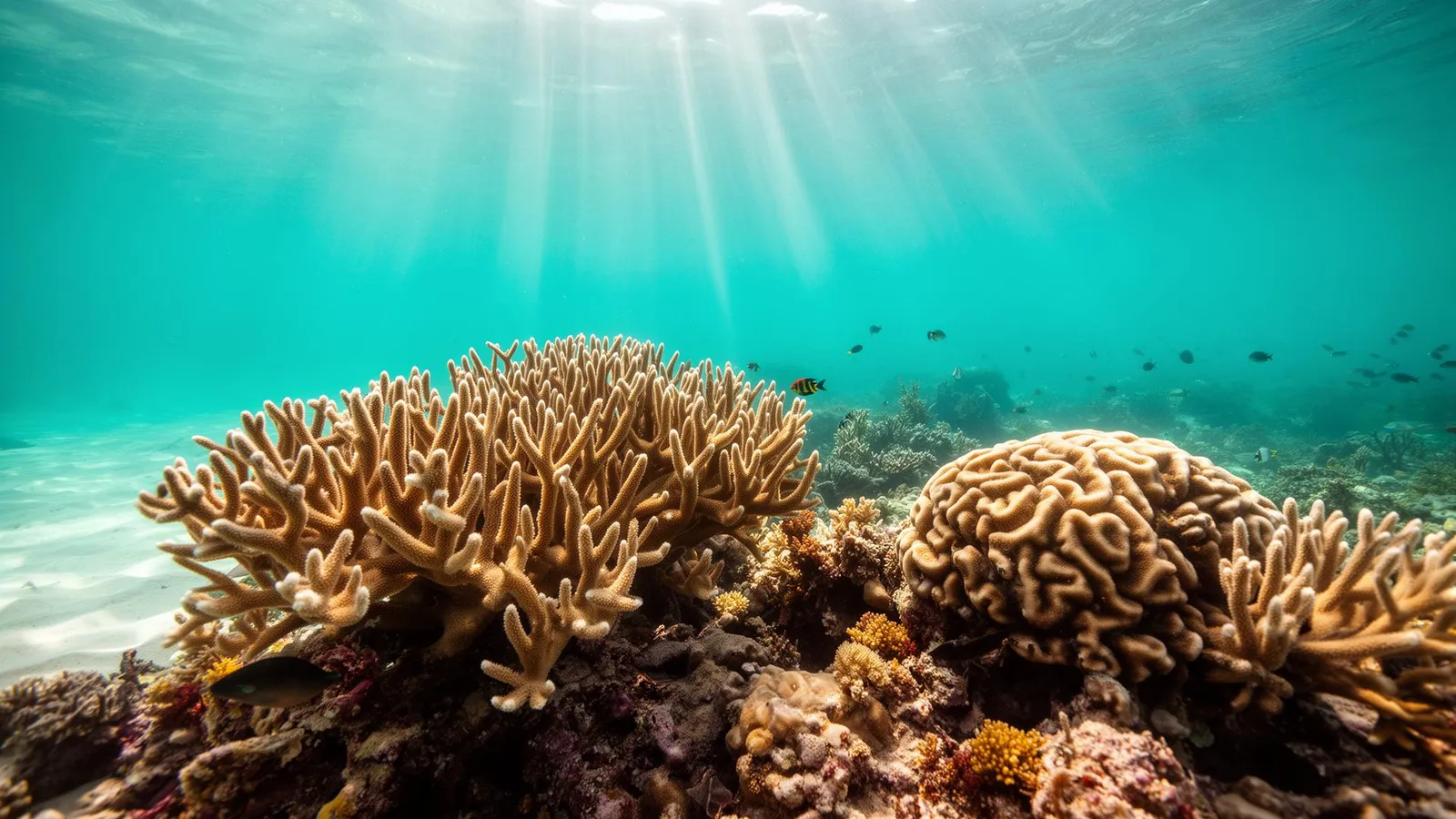
Conditions in February
February in Jardines de la Reina is a fantastic time to dive, offering some of the best conditions of the year. You can expect comfortably warm weather, though it’s technically part of Cuba's dry season, which means less chance of rain interrupting your surface intervals. Air temperatures generally hover around 25-28°C (77-82°F) during the day, cooling slightly at night, making for pleasant evenings on your liveaboard.
The sea state is typically calm and inviting, with minimal swells, which is great news if you're prone to seasickness or just prefer smooth sailing. This also contributes to excellent visibility, a highlight of diving here in February. You're looking at consistent visibility often exceeding 30 meters (100 feet), sometimes pushing past 40 meters, allowing you to appreciate the vastness of the reefs and the diverse marine life from a distance.
Water temperatures are a comfortable 26-27°C (79-81°F), making longer dives enjoyable without getting chilled. Currents are generally mild to moderate, perfect for drift dives that allow you to glide effortlessly along the reef. Stronger currents can occasionally be encountered, particularly around channels or reef passages, but these are often predictable and contribute to enriching the marine ecosystem.
What you will see
February diving in Jardines de la Reina is synonymous with sharks. This time of year sees a high concentration of Caribbean reef sharks. They are incredibly curious and often approach divers closely, offering unparalleled photography and observation opportunities. You'll encounter them on nearly every dive, often in significant numbers, gracefully patrolling the reefs. Beyond the reef sharks, silvertips are also a common sight, adding to the pelagic thrill.
While mantas are not a guaranteed sighting in Jardines de la Reina, late winter (including February) can occasionally bring them into deeper water or cleaning stations. The true highlight remains the abundant large fish life. Massive goliath groupers, often several feet long, are frequently seen, especially around wrecks or larger coral formations. Tarpon, with their striking silver scales, are also a regular feature, often schooling in impressive numbers.
Beyond the captivating pelagics, the reefs themselves are thriving with vibrant life. Healthy coral formations, both hard and soft, provide shelter for an array of smaller reef fish. Keep an eye out for schooling jacks, barracudas, and snapper. Macro life, though not the primary draw, is present; you might spot cleaner shrimps in anemones, various nudibranchs, and tiny gobies if you look closely, but the big action is definitely what you’re here for.
Top dive sites this month
For shark encounters in February, you absolutely must visit "Pipín." This site is renowned for its incredible Caribbean reef shark population, and during this month, they are particularly active and inquisitive. You'll be surrounded by these magnificent creatures, making for an unforgettable experience. Another prime location is "Black Coral I," famous for its stunning black coral gardens and healthy reef, which often attracts schooling fish and, in turn, their predators like sharks and barracudas.
"Vicente" is another excellent choice in February, offering a beautiful wall dive adorned with colorful sponges and gorgonians. This site is known for its diverse marine life, including large groupers, snappers, and occasionally eagle rays gliding gracefully past. For a truly unique experience, "Farallón" is a must-dive. This submerged pinnacle is a magnet for pelagic action and boasts an impressive array of corals. The healthy ecosystem here ensures frequent sightings of sharks and large schools of fish, especially vibrant during the favorable February conditions.
Practical tips for your trip
Given the comfortable water temperatures of 26-27°C (79-81°F), a 3mm wetsuit should be perfectly sufficient for most divers. If you’re someone who tends to get cold easily, a 5mm might offer a little extra warmth for multiple dives a day, but for the majority, 3mm will keep you cozy. February is a fantastic month for all levels of divers. The generally calm seas and excellent visibility make it very welcoming for beginners, while the abundant shark action ensures advanced divers will be thrillingly engaged.
Liveaboard availability for Jardines de la Reina in February can be competitive, as it's considered prime season. It's highly recommended to book your liveaboard well in advance – think 6-12 months ahead – to secure your preferred dates and cabin. What to pack? Beyond your standard dive gear, consider bringing a reef-safe sunscreen, a wide-brimmed hat, and a light jacket for cooler evenings. Due to the remote nature of the Jardines de la Reina, an advanced first-aid kit is always a good idea, though liveaboards are well-equipped.
Finally, be aware that internet and phone connectivity will be extremely limited, if available at all, while on your liveaboard. This is part of the charm of disconnecting and fully immersing yourself in the diving experience. Also, always remember to respect the marine environment; refrain from touching corals or marine life, and maintain a safe distance from sharks and other animals to ensure everyone's safety and well-being. Enjoy your Cuban adventure!
Year-round overview for Cuba
Frequently asked questions
Is February a good month to dive in Cuba?
What can you see diving in Cuba in February?
Should I book a Cuba liveaboard for February or wait?
Find a liveaboard for February
Compare available Cuba liveaboards departing in February.
Search and Book