Cuba Liveaboard Diving

Liveaboards in Cuba

from $494 / day

1 of 1 · Cuba liveaboard routes, seasons & prices

Jardines Avalon Fleet

Unveiling Cuba's underwater Eden with included land tours and unparalleled marine encounters starting from Port Jucaro.

  • Individually controlled AC
  • Storage space
  • Private en-suite bathrooms

4.5(8 reviews)

20 guestsfrom $494/day

Diving in the Caribbean: wrecks, walls and Caribbean reef sharks

Imagine a Caribbean reef thriving as it did 50 years ago. This is Jardines de la Reina, a vast and strictly protected marine park off Cuba's southern coast. Decades of shielding from commercial fishing and development have created an unparalleled underwater sanctuary. Access is severely restricted, with only a handful of permits granted. This exclusivity makes a Cuba liveaboard a rare privilege to witness a perfectly preserved ecosystem, a living example of what the Caribbean once was.

Your Cuba diving experience centers on the legendary Gardens of the Queen. Itineraries explore the best dive sites Cuba offers, like the shark-filled channels of Pipín and the dramatic walls of Farallón. Here, encounters with large populations of Caribbean reef sharks and silky sharks are the norm, not a lucky sighting. Divers regularly meet massive Goliath groupers and navigate dense schools of fish. The journey is distinguished by the unique opportunity to snorkel with American crocodiles in the calm mangrove channels, an unforgettable highlight.

The primary season runs from November through May, offering the most stable surface conditions. During these months, water temperatures are consistently warm at 26-28°C (79-82°F), making a 3mm or 5mm wetsuit ideal. Underwater visibility is generally excellent, often exceeding 30 meters (100 feet), providing breathtaking views of the vibrant reefs and the impressive megafauna that patrol them.

This destination is best suited for experienced divers with a strong appreciation for conservation and remote, expedition-style diving. The pristine conditions are a result of its isolation, and the trip rewards those comfortable with a full week at sea. If your goal is to witness a truly wild, shark-rich environment and experience one of the world's greatest conservation

Why dive a liveaboard in Cuba

From legendary wrecks and thriving reefs to close-up encounters with iconic marine life, this destination offers the experiences divers dream about. Warm, clear waters and well-organized liveaboard routes make it easy to explore the best sites. These are the highlights that keep divers coming back year after year.

Gardens of the Queen

Caribbean's largest marine protected area—2,170 km²

Pristine reefs

Healthiest coral systems remaining in the Caribbean

Shark encounters

Silky sharks, reef sharks, and nurse sharks on every dive

Year-round diving

Protected waters with consistent conditions Dec–Aug

Who a liveaboard in the Caribbean suits — and who it doesn't

Cuba’s value is its protected, lightly dived reefs — above all the Jardines de la Reina marine park, reachable only by liveaboard.

Beginners

Open Water, from about 20 dives, coastal sites

María la Gorda and Playa Girón offer calm, shallow shore and boat diving with easy profiles.

Matching areas:María la GordaPlaya GirónBay of Pigs

Advanced divers

Advanced, shark protocols

Jardines de la Reina runs close-quarter Caribbean reef and silky shark dives with strict briefings; some sites hold current along the wall.

Matching areas:Jardines de la ReinaCayo LargoLos Jardínes

Deep and technical

Deep, Nitrox; limited infrastructure

Walls drop steeply off the reef edge, but Cuba has few chambers and remote parks are far from care — operators keep profiles recreational and Nitrox is the sensible choice.

Matching areas:Jardines de la ReinaMaría la Gorda

Photo and video

Wide-angle: sharks, groupers, healthy coral

Decades of protection left dense goliath grouper and shark populations plus intact elkhorn stands — rare in the Caribbean.

Matching areas:Jardines de la ReinaCayo Largo

Best time to dive in Cuba

The main diving season in Cuba's Gardens of the Queen runs from November through July, with consistently warm water between 26°C and 30°C. Peak conditions occur from December to April, offering the calmest seas and exceptional visibility that often exceeds 30 meters, ideal for shark encounters. The shoulder months of November, May, and June provide great value with good conditions, while July sees the warmest water temperatures of the season.

👆 Click any month for detailed conditions
Excellent
Good
Off-Season

Nov – May (Dry Season)

Best visibility 30–40m, calm seas. Peak season for Jardines de la Reina. Whale sharks, silky sharks, crocodiles.

Jun – Jul & Oct (Shoulder)

Warm water, occasional rain. Good shark diving continues. Fewer tourists.

Aug – Sep (Hurricane Season)

Peak hurricane risk. Some operators pause. Rough seas and reduced visibility when storms pass.

Underwater visibility

42m
(138ft)
30m
(98ft)
18m
(59ft)
Jan
Feb
Mar
Apr
May
Jun
Jul
Aug
Sep
Oct
Nov
Dec

Air & water temperature

34°C 29°C 24°C
26°
26°
26°
27°
27°
28°
28°
29°
29°
30°
29°
31°
30°
32°
30°
32°
29°
31°
28°
29°
27°
28°
26°
27°
Jan
Feb
Mar
Apr
May
Jun
Jul
Aug
Sep
Oct
Nov
Dec
Water
Air (Day)

Recommended wetsuit

5mm
5mm
3mm
3mm
3mm
3mm
3mm
3mm
3mm
3mm
3mm
5mm
Jan
Feb
Mar
Apr
May
Jun
Jul
Aug
Sep
Oct
Nov
Dec
3mm (warm)
5mm (moderate)
Wetsuit Guide

What you'll see diving in the Caribbean

Diving in Jardines de la Reina means guaranteed encounters with large, healthy populations of sharks, including Caribbean reef and silky sharks, which are present on almost every dive. Divers frequently meet massive Goliath groupers, schools of tarpon, and hawksbill turtles throughout the year. Seasonally, eagle rays are common from November to April, while green turtles appear from May to September. The unique highlight is snorkeling with American crocodiles in the calm mangrove channels.

When to See What

Use this calendar as a guide: the highlighted months show when your chances are usually best. Wildlife follows its own rhythm, so sightings are never guaranteed — but we hope this makes planning a little easier. The seasonal calendar for Cuba’s large marine life is anchored by year-round populations of Caribbean reef sharks, silky sharks, and goliath groupers. Specific sightings vary, with eagle rays appearing most frequently from November to April and green turtles arriving between May and September.

Species
Jan
Feb
Mar
Apr
May
Jun
Jul
Aug
Sep
Oct
Nov
Dec
Caribbean Reef Shark
Nurse Shark
Nurse Shark
Nassau Grouper
Nassau Grouper
Lionfish
Lionfish
Eagle Ray
Eagle Ray
Fireworm
Fireworm
Trumpetfish
Trumpetfish
Bonito
Bonito
Brown Noddy
Brown Noddy
Bryozoan
Bryozoan
Catshark
Catshark
Clingfish
Clingfish
Cobia
Cobia
Colonial Ascidian
Colonial Ascidian
Cornetfish
Cornetfish
Peak Season
Present
Rare/Absent

Pipin and Farallón: the best dive sites in Cuba

Liveaboards are the only way to access the legendary dive sites of Jardines de la Reina, a vast and isolated marine park off Cuba's southern coast. Itineraries explore signature spots like the shark-filled channels of Pipín and the dramatic coral walls of Farallón and Black Coral Wall. The park's remote location and strict protection have preserved a pristine ecosystem, making every dive an immersion into a healthy Caribbean reef that is unreachable by day boats.

1

Coral Beach

Beginner
112m / 339ftBest: Coral Beach offers excellent diving co…23.1751°, -81.2329°

Coral Beach, also known as Playa Coral, is a highly celebrated shore-access dive site situated on the Varadero coast, approximately 25 minutes west of Varadero. This location is renowned for its massive, easily accessible reef system and consistently excellent visibility, positioning it as a top choice for both novice divers and snorkelers. The reef stretches over two kilometers, forming a significant part of the second-largest barrier reef system globally. Underwater, Coral Beach features a diverse topography including shallow coral gardens, small caverns, and deep canyons, with depths ranging from 1 to 12 meters. Its calm, greenish-blue tropical waters provide an ideal environment for exploration without significant currents. The shoreline itself is a distinctive coral-sand beach with a soft pink hue, enhancing the overall appeal. Marine life here is abundant and varied throughout the year, encompassing typical Caribbean species like nurse sharks, reef sharks, green sea turtles, and various rays. The healthy coral ecosystems also support numerous colorful fish, including snapper, angelfish, grunts, parrotfish, and grouper. The consistent presence of marine fauna and pristine corals makes every dive rewarding. As a pure shore dive, divers simply walk into the water directly from the beach, eliminating the need for a boat. This ease of access, combined with minimal current and clear conditions, makes it particularly suitable for beginner divers, families, and underwater photographers seeking a relaxed and visually rich experience.

Shore-access reef2+ km barrier reefShallow coral gardensSmall caverns and canyonsExceptional visibilityCalm, clear waterDiverse marine lifePink coral-sand beach
2

La Patana

Intermediate
1530m / 4998ftBest: October–May, June–August21.6227°, -80.3896°

La Patana is a prominent dive site within the protected marine park of Jardines de la Reina, a vast archipelago stretching 150 kilometers off Cuba's southern coast. This area, named 'Gardens of the Queen' by Christopher Columbus, boasts one of the healthiest coral reef systems in the Caribbean, largely due to its remote location and stringent protection measures that limit diver access to less than three thousand annually. The site features a spectacular coral wall, descending into deeper waters, teeming with diverse reef life and pelagic species. The topography includes intricate coral formations, creating a rich habitat for various marine species. Depths typically range from the shallower coral gardens near the top of the wall to significant depths along the drop-off, catering to a range of dive levels. The healthy coral ecosystems, including vibrant soft corals, sponges, and sea fans, are sustained by cold water upwellings that bring nutrient-rich currents to the area. Divers at La Patana can expect to encounter a thriving ecosystem, often featuring larger marine predators attracted by the abundant fish. Silky sharks and Caribbean reef sharks are common, with nurse and hammerhead sharks also making appearances. The site's pristine condition offers an exceptional opportunity to observe marine life that has diminished in other Caribbean locations. This location provides a fully immersive dive experience, often leading to multiple daily encounters with significant marine biodiversity. Diving here is typically part of a liveaboard itinerary, with divers transported to the site by tender from a floating hotel base. The experience is characterized by back-to-back diving in warm, clear waters, offering ample opportunity for observation and photography. The emphasis on disconnecting from outside distractions allows for a deep appreciation of the underwater environment.

Vibrant coral wallCaribbean reef sharksHealthy reef ecosystemSilky shark encountersDiverse fish populationsRemote, protected marine park
3
25m / 716ftBest: November–May21.5617°, -80.3596°

Arrecife Somero, located near Key Sigua within the UNESCO-recognized Zapata Swamp biosphere reserve, presents a unique reef crest forming a horseshoe shape. This site is renowned for its exceptionally healthy colonies of elkhorn coral, creating a visually stunning and ecologically rich environment. The reef crest itself spans depths ideal for varied exploration, ranging from 2 to 5 meters. This shallow profile makes it highly accessible and suitable for both divers and snorkelers seeking to experience the vibrant Cuban marine life. While specific seasonality for marine life at Arrecife Somero isn't detailed, the healthy coral system supports a resident population of schooling jacks, blue tangs, grunts, and barracudas, offering consistent sightings. The site's pristine conditions, typical of the Zapata region, ensure a lively underwater experience year-round. Divers typically access Arrecife Somero from liveaboards navigating the Zapata area. Its gentle depths and abundant reef structure make it particularly appealing for night dives behind the crest, revealing nocturnal species that shelter among the corals.

Healthy elkhorn coral coloniesHorseshoe-shaped reef crestAbundant schooling jacksBlue tangs and gruntsGood for night divesSuitable for snorkeling
4
Best: November–April21.6257°, -80.4736°

Puente Escondido is a notable dive site nestled within the Jardines de la Reina marine park, an expansive and highly protected area off Cuba's southern coast. This region, also known as the 'Gardens of the Queen,' is celebrated for its pristine conditions, benefiting from strict conservation measures that prohibit fishing and human habitation in its central sections. The site itself is characterized by a shallow profile, making it accessible and enjoyable for a wide range of divers. It forms part of a larger ecosystem renowned for vertical slopes and coral formations. Divers can expect to encounter an abundance of reef fish and invertebrates, thriving in clear, warm waters typical of this protected Caribbean environment. Visibility here is consistently excellent, often exceeding 40 meters, enhancing the experience of exploring the vibrant underwater world. The mild to non-existent currents contribute to comfortable diving conditions, allowing for relaxed observation of marine life and the natural topography. This combination of accessibility, rich biodiversity, and favorable conditions makes Puente Escondido a compelling destination within Jardines de la Reina for experiencing Cuba's marine beauty.

Jardines de la Reina marine parkShallow coral reefExcellent visibilityMild to no currentsAbundant reef fishWarm, clear waters

Bucket-list dives worth booking early

A trip to Cuba is defined by experiences that are nearly impossible to find elsewhere in the Caribbean. The ultimate bucket-list item is snorkeling with American crocodiles in the mangrove channels of Jardines de la Reina, a truly unique wildlife encounter. This is complemented by diving among the park's incredibly healthy reefs, which feature dramatic walls, pristine coral, and close, consistent encounters with large populations of Caribbean reef and silky sharks.

Underwater view of the dive site Gardens of the Queen in Cuba
1
November – April

Jardines de la Reina

Dive Cuba's pristine marine reserve – one of the Caribbean's largest and most protected reef systems, teeming with sharks, groupers, and untouched coral formations.

Read more
Underwater view of the dive site Crocodile Encounters in Cuba
2
December – April

Jardines de la Reina

Snorkel with American crocodiles in their natural mangrove habitat – a unique and exhilarating wildlife encounter available at very few places worldwide.

Read more
Underwater view of the dive site Pristine Caribbean Walls in Cuba
3
Year-round

Isle of Youth

Explore dramatic wall dives along Cuba's southern coast, where towering sponges and pristine hard coral gardens thrive in crystal-clear Caribbean waters.

Read more

Above water: climate, shore trips and extra costs

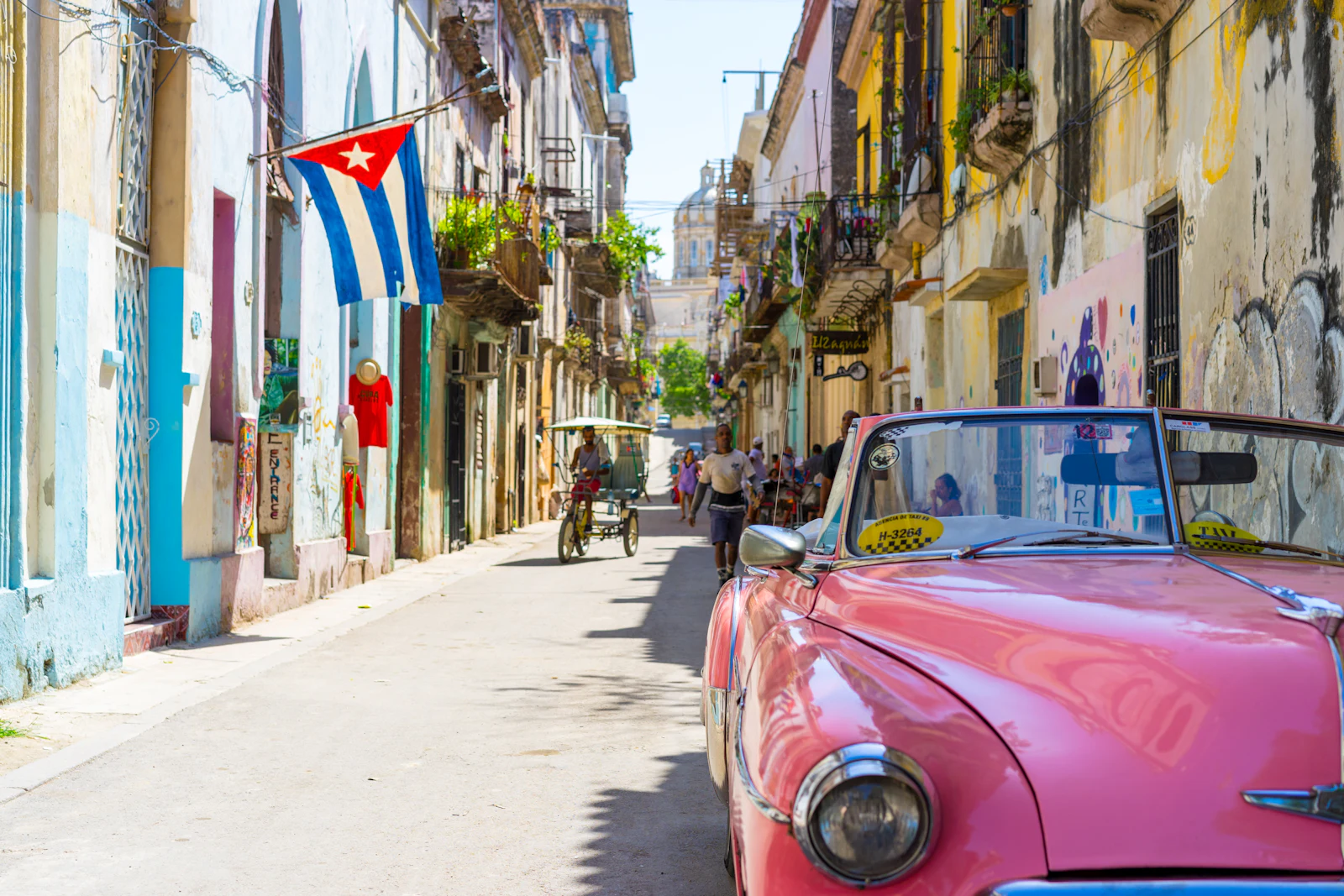
Many liveaboard trips can be paired with land-based exploration, as the journey to the Jucaro port often starts in Havana. Visitors can cruise through the capital in a vintage 1950s American convertible, exploring the UNESCO World Heritage Site of Old Havana. Other popular extensions include visiting the perfectly preserved colonial city of Trinidad or the dramatic landscapes of the Viñales Valley, known for its tobacco farms.

Old Havana

Old Havana

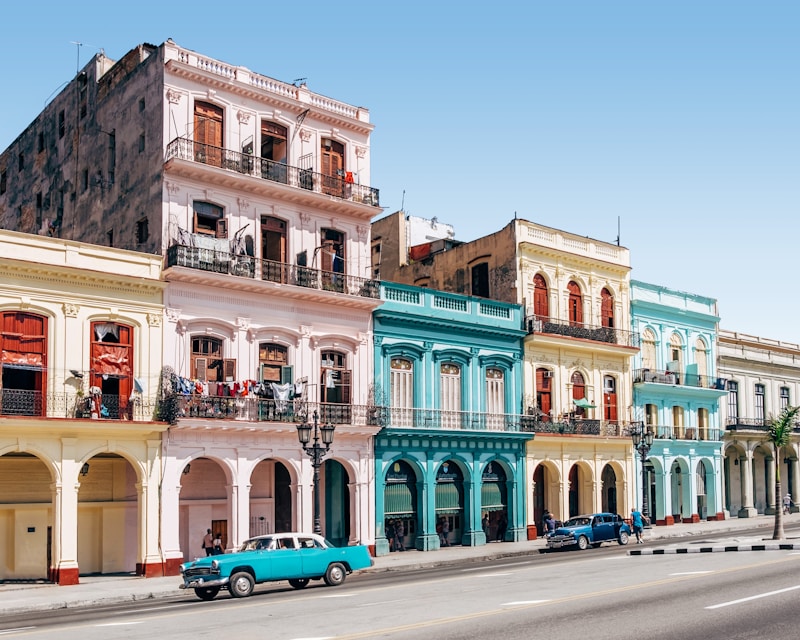
A UNESCO World Heritage Site frozen in time. Colorful colonial buildings, vintage American cars, and live salsa music create an atmosphere unlike anywhere else.

Viñales Valley

Viñales Valley

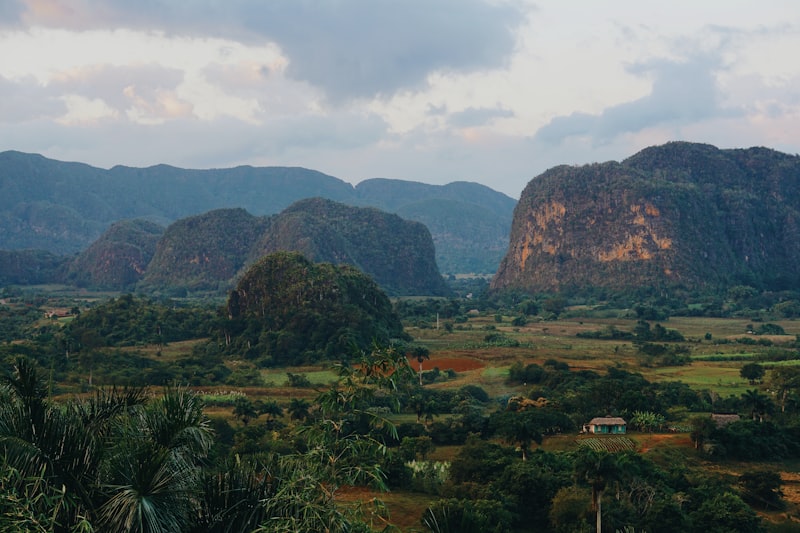
Dramatic limestone mogotes rise from tobacco fields in this UNESCO-protected landscape. Visit cigar farms and explore caves.

Trinidad

Trinidad

Cobblestone streets and pastel-painted colonial mansions transport you to 19th-century Cuba. One of the best-preserved colonial cities.

Cuban Music & Cuisine

Cuban Music & Cuisine

From paladares to legendary jazz clubs, experience authentic Cuban culture—the birthplace of salsa, son, and world-famous rum cocktails.

What a liveaboard in Cuba costs

The calendar below shows how liveaboard prices shift month by month, so you can see exactly when your money goes furthest. We want every diver to get the best possible value, which is why we highlight the seasons that balance great conditions with the fairest rates.

Cuba is a premium liveaboard destination, with prices reflecting the exclusive access to the highly protected Jardines de la Reina. A week-long trip typically costs more than in many other Caribbean locations due to strictly limited park permits and the remote, expedition-style nature of the diving. Prices can vary by season, with the shoulder months of November and May often offering better value. Booking well in advance is essential as popular dates sell out quickly.

$494–$494

per day liveaboard

$91–$171

per 2-tank dive trip

$34–$136

hotel per night

Prices reflect typical costs for mid-range to premium options. Budget alternatives may be available.

Getting to Havana and Santa Clara: flights and transfers

Getting to your Cuban liveaboard typically starts with an international flight into José Martí International Airport (HAV) in Havana. From there, it is an approximately six-hour transfer to the departure port of Jucaro on the southern coast, which is usually arranged by your boat operator. Most nationalities require a tourist card (tarjeta de turista) for entry, while US citizens must adhere to specific travel regulations.

Insider tips

🎯

Book through licensed tour operators for the best rates on Gardens of the Queen trips

🏨

Consider casa particulares (private homestays) for affordable accommodation in Havana

🤿

The diving season runs year-round but Dec-May offers the best conditions

🎒

Bring your own gear—rental options are limited in Cuba

Getting there

José Martí International Airport

HavanaHAV

Main gateway, international flights from Mexico, Canada, Europe and Caribbean

Abel Santamaría Airport

Santa ClaraSNU

Alternative for central Cuba, connections from Miami and Toronto

Entry requirements

Most visitors need a tourist visa (tarjeta de turista) which can be purchased through airlines or travel agencies. US citizens face additional restrictions and must travel under specific OFAC-licensed categories.

This information is provided without guarantee. Please visit the official website for the latest entry requirements.

Official Immigration Information →

Frequently asked questions about Cuba liveaboards

When is the best time to dive in Cuba?
Diving conditions in Cuba change throughout the year. Check our month-by-month best-time-to-dive guides to plan around peak visibility, weather and marine life encounters.
Do I need a liveaboard to dive in Cuba?
A liveaboard gives you access to remote dive sites in Cuba that day boats cannot reach, plus 3–5 dives per day in maximum comfort. For the best dives in Cuba, a liveaboard is the recommended choice.
What certification do I need to dive in Cuba?
Most Cuba liveaboards require Open Water as a minimum, with Advanced Open Water and 30+ logged dives recommended for currents and deeper sites. Some expert routes require Tech or 100+ dives.
How much does a Cuba liveaboard cost?
Liveaboard prices in Cuba typically range from €1,500 to €6,000+ per week depending on vessel category, route length and season. Browse the boats below for live pricing.
Do I need a visa for Cuba?
Visa requirements vary by your nationality. Always check the latest entry rules with the destination's official government source before booking flights.
Is diving in Cuba safe for beginners?
Many Cuba sites are beginner-friendly, but some routes feature strong currents or deep walls suited only to experienced divers. Check each vessel's recommended experience level.

Cuba compared with other liveaboard destinations

Honest, in-depth comparisons to help you decide between destinations, certifications, equipment and dive styles.

Liveaboard vs Land-Based Diving: Which Trip Is Right for You?

Choosing between a liveaboard and a land-based dive trip is the most fundamental decision divers face when planning a serious diving holiday. The right answer depends on your priorities: maximum dive count and access to remote sites favor liveaboards; beach time, family flexibility and lower cost favor land-based resorts. Both formats have evolved significantly in the last decade, and the line between them has blurred — luxury dive resorts now offer multi-day expedition trips, while many liveaboards include topside excursions and even spa days. This guide compares the two formats across every meaningful dimension: cost per day, dives per day, marine life access, comfort, social dynamics, family-friendliness, and travel logistics. We'll also cover the hybrid models (resort + day-charter, or 'safari boat' itineraries) that try to capture the best of both worlds. If you're certified, in love with diving and want to maximize bottom time, a liveaboard is almost always the better choice — you can clock 25+ dives in a week and reach sites no day boat can. If you're traveling with non-divers, prefer land-based comfort, or want flexibility to take days off, a resort wins. We'll get into all the nuances below.

Read comparison

Mexico vs Cuba: Liveaboard Diving Showdown

Choosing your next liveaboard destination can be a thrilling challenge, especially when weighing two iconic Caribbean and Pacific powerhouses like Mexico and Cuba. Both offer distinct underwater experiences, rich cultural encounters, and diverse marine ecosystems, but cater to different preferences and diving styles. Mexico, renowned for its vibrant Pacific waters, the unique cenotes of the Yucatán, and the rich biodiversity of the Sea of Cortez, presents a broad spectrum of diving opportunities. From pelagic encounters with great white sharks and schooling hammerheads to intricate coral reefs and ancient cave systems, Mexico appeals to divers seeking variety and adventure. Its well-developed tourism infrastructure and numerous liveaboard options make it an accessible and popular choice. Cuba, on the other hand, offers a glimpse into a remarkably preserved marine environment, largely untouched by mass tourism. Its protected Jardines de la Reina (Gardens of the Queen) marine park is a jewel, known for its pristine coral reefs, abundant shark populations, and healthy ecosystems. A liveaboard trip to Cuba is not just a dive vacation; it's an immersive journey into a unique cultural landscape, often characterized by a more rustic and intimate experience. This comparison will help you navigate the nuances and decide which destination best aligns with your liveaboard aspirations.

Read comparison

Cuba vs. Bahamas: Which Liveaboard Adventure is Right for You?

Choosing your next liveaboard destination can be a delightful dilemma, especially when faced with two Caribbean gems like Cuba and the Bahamas. Both offer unparalleled underwater experiences, but cater to different preferences and diving styles. Cuba, with its rich history and relatively untouched Jardines de la Reina, promises pristine coral reefs and a dense population of sharks, harking back to a bygone era of marine conservation. On the other hand, the Bahamas is renowned for its crystal-clear waters, iconic shark diving encounters, and a more established tourism infrastructure. While Cuba offers a journey into a unique cultural landscape alongside its diving, the Bahamas provides a more accessible, often luxurious, dive vacation. This comparison will help you navigate the nuances, from marine encounters and dive conditions to logistics and budget, ensuring you pick the liveaboard that perfectly matches your dive dreams.

Read comparison
Plan your trip

Ready to dive?

Explore our expedition vessels and find your perfect trip to Cuba