About Moñtana Rusa
Montaña Rusa is an advanced dive site located within Coiba National Park, Panama, aptly named for its undulating underwater landscape. This site plunges to a maximum depth of 40 meters, offering an adrenaline-charged experience due to its unique topography and strong currents. It forms part of the highly biodiverse waters in this UNESCO World Heritage site, reflecting pristine Eastern Pacific reef ecosystems. The site's distinctive topography consists of parallel volcanic ridges that rise and fall, creating a natural underwater obstacle course. Divers navigate over coral-covered crests and descend into sand-floored valleys, experiencing multiple habitat zones within a single dive. The ridge crests, exposed to sunlight and currents, host dense coral growth and active fish communities, while the deeper valleys are home to larger marine animals. Marine life is rich and varied, with schools of snappers and fusiliers swirling above the ridges. Current-swept ridge faces display vibrant gorgonians and soft corals. In the sandy valleys, white-tip reef sharks often rest, bull sharks occasionally cruise through, and massive groupers inhabit overhangs. The site's location along Coiba's productive corridor also makes it a potential spot for pelagic encounters, including hammerhead sharks, eagle rays, and even whale sharks, especially from May to mid-November when visibility is best and large animals are more prevalent. Diving Montaña Rusa requires experience due to its significant depth and exposure to strong, complex tidal currents. These currents create challenging conditions with upwellings, downcurrents, and acceleration zones between ridges. Managing buoyancy and gas consumption through these dynamic conditions is essential, making it a dive suited for experienced divers comfortable with challenging environments.
Highlights
Volcanic ridge and valley topographyStrong tidal currentsPelagic encountersHammerhead shark schoolsEagle ray formationsWhite-tip reef sharksDense coral growthUNESCO World Heritage site
Season calendar
Best months to dive here
Jan
Feb
Mar
Apr
May
Jun
Jul
Aug
Sep
Oct
Nov
Dec
Excellent
Good
Off-Season
Nov – May (Dry Season)
Best visibility 30–40m, calm seas. Peak season for Jardines de la Reina. Whale sharks, silky sharks, crocodiles.
Jun – Jul & Oct (Shoulder)
Warm water, occasional rain. Good shark diving continues. Fewer tourists.
Aug – Sep (Hurricane Season)
Peak hurricane risk. Some operators pause. Rough seas and reduced visibility when storms pass.
Dive site facts: Moñtana Rusa
- Depth
- Up to 40 m
- Current
- Strong
- Visibility
- 18–25 m
- Water temperature
- 31°C
- Entry
- Boat / Tender
- Level
- Advanced Required
- Dive type
- Deep dive, drift, pelagic, megafauna
- Region / port
- Coiba National Park, Panama
- Coordinates
- 20.8900° N, 78.9400° W
Conditions & Currents
Montaña Rusa is characterized by considerable current exposure, warranting its advanced difficulty rating. Tidal currents flow with significant force across the underwater ridges, and their interaction with the undulating terrain creates complex water movement patterns. Divers can anticipate upwellings, downcurrents, and acceleration zones between ridge crests, demanding strong buoyancy control and constant awareness. Managing buoyancy through these constantly changing depth and current conditions requires experience and concentration. Divers must be prepared for physical exertion when navigating the terrain at depth, and gas management plans should account for this. The dive typically involves a drift along the 'roller coaster' topography, with entry and exit techniques adapted for prevailing conditions, often involving tenders and negative entries to get below the surface quickly.
Marine life & sighting chances

Snappers
common
Fusiliers
common
Gorgonians
common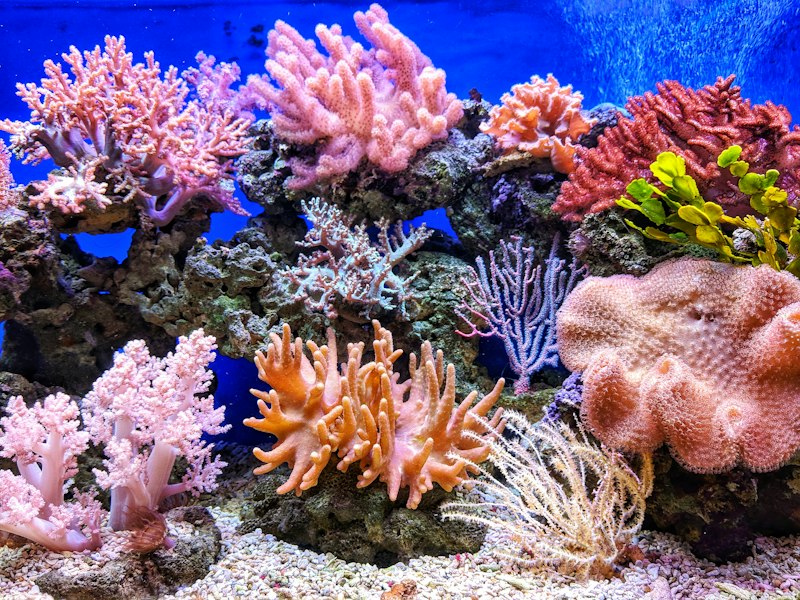
Soft corals
common
White-tip reef sharks
common
Bull sharks
occasional
Groupers
common
Hammerhead sharks
occasional
Eagle rays
occasional
Whale sharks
rare
Sea turtles
common
Moray eels
occasionalDive profile & how the dive runs
A dive at Montaña Rusa begins with a descent onto the volcanic ridge system, typically as a negative entry to quickly get below the surface current. Divers follow the natural contours of the seabed, ascending over coral-covered crests and descending into sand-floored valleys, mimicking a 'roller coaster' ride. The route is often a drift, allowing the strong tidal currents to carry the group along the features of the reef. Depth progression varies considerably throughout the dive, ranging from shallower sections on the ridge tops to the deepest points of 40 meters in the valleys. Careful buoyancy control is paramount to navigate the changing depths and complex current patterns, including upwellings and downcurrents. The turn point is often determined by gas consumption or the drift trajectory, ensuring ample reserve for ascent. Safety stops are conducted at 5 meters for at least 3 minutes, typically while drifting with an SMB deployed, allowing for nitrogen off-gassing and a final check of surface conditions.
Underwater photography
Montaña Rusa offers incredible opportunities for wide-angle photography, especially to capture the sweeping volcanic topography, dense coral gardens on the ridge crests, and the schools of pelagic marine life. A wide-angle lens is essential for capturing the expansive underwater landscapes and large animal encounters like hammerheads and eagle rays. For macro opportunities, look for smaller creatures inhabiting the coral formations in calmer sections, though the site is primarily known for its wide-angle appeal. Strobe use is highly recommended to bring out the vibrant colors of the corals and fish, especially at deeper sections. Due to the strong and variable currents, excellent buoyancy control is crucial to maintain position, avoid kicking up sediment, and safely compose shots without impacting the reef. Be prepared for rapid changes in subject matter, from static coralscapes to fast-moving pelagics, and adjust camera settings accordingly.
Combine with nearby dive sites
Getting there & logistics
Diving Montaña Rusa typically involves liveaboard trips or day trips from Coiba National Park's dive bases. Access to Coiba National Park, a UNESCO World Heritage site, is regulated, and entry fees or permits are usually included in dive package costs. The nearest international airport for accessing Panama's Pacific coast and Coiba is Tocumen International Airport (PTY) in Panama City. From there, domestic flights or ground transport would be arranged to coastal towns such as Santa Catalina, which serve as departure points for Coiba trips. Trip lengths vary, but liveaboards often offer multiple days of diving within the park, allowing for several dives at Montaña Rusa and other challenging sites. Given the remote nature of Coiba, planning ahead for transfers and accommodations is essential.
Safety & environment
Safety at Montaña Rusa is paramount due to its advanced rating, significant depths, and strong, unpredictable currents. Divers must possess advanced certification and excellent buoyancy control. Comprehensive dive insurance, including coverage for emergency medical evacuation and recompression chamber treatment, is highly recommended. The nearest recompression chamber would likely be in a major Panamanian city, necessitating a potentially lengthy evacuation for serious decompression sickness cases. Site-specific hazards include rapid changes in current strength and direction, upwellings, and downcurrents, which require diligent gas management and careful monitoring of dive computers. It is crucial to stay with the dive guide, follow instructions, and maintain awareness of surroundings, especially for surface boats after surfacing. Conduct rules emphasize respecting the pristine marine environment of Coiba National Park, avoiding contact with corals, and never harassing marine life.
Who it suits, and who it doesn't
Suited for
- Advanced divers with current experience
- Experienced divers seeking thrilling topography
- Divers interested in pelagic encounters
- Photographers with wide-angle setups
- Those comfortable with deep diving to 40m
Less suited for
- Beginner divers
- Divers uncomfortable with strong currents
- Those with limited buoyancy control
- Divers prone to seasickness on longer boat rides
- Individuals without advanced dive certification
FAQ
Moñtana Rusa FAQ
Why is it called Montaña Rusa?
The site is named 'Montaña Rusa,' meaning 'Roller Coaster' in Spanish, due to its unique underwater topography. It features a series of volcanic ridges and valleys that create an undulating profile, allowing divers to experience a thrilling ride as they navigate up and down the coral-covered crests and sandy troughs.
What kind of marine life can I expect to see at Montaña Rusa?
Montaña Rusa is teeming with diverse marine life. You can expect to see schools of snappers and fusiliers around the ridge crests, with gorgonians and soft corals adorning the current-swept faces. In the deeper valleys, white-tip reef sharks and large groupers are common, and there are occasional sightings of bull sharks. Pelagic species like hammerhead sharks, eagle rays, and even whale sharks are also possible encounters.
Is Montaña Rusa suitable for beginner divers?
No, Montaña Rusa is designated as an advanced dive site and is not suitable for beginner divers. Its significant depth of up to 40 meters and exposure to strong, complex tidal currents demand a high level of experience and excellent buoyancy control. Divers should have advanced certification and be comfortable with challenging current conditions.
What are the typical dive conditions at Montaña Rusa?
Dive conditions at Montaña Rusa are characterized by strong tidal currents that create dynamic water movements, including upwellings and acceleration zones. Water temperature is typically around 31°C, and visibility can range from 18 to 25 meters. The site's volcanic topography means constant changes in depth, requiring divers to be prepared for varying conditions throughout the dive.
How deep is Montaña Rusa?
Montaña Rusa features an undulating depth profile that reaches a maximum of 40 meters. Divers will experience varied depths throughout the dive as they traverse the ridge and valley formations, from shallower coral-covered crests to deeper sandy bottoms.
Why dive Moñtana Rusa from a liveaboard?
Moñtana Rusa is one of Cuba's signature dive sites. A liveaboard sleeps you on the water and puts you in the water for three to four guided dives per day, including dawn and night dives that day-boat operators rarely offer. You skip the daily commute back to port and reach quieter, less-crowded sites in the same region on a single trip.
Below are the liveaboards that include Moñtana Rusa on their Cuba itineraries.
Liveaboards diving Moñtana Rusa
These liveaboards may visit Moñtana Rusa on selected itineraries, the exact dive sites depend on departure, weather and conditions.
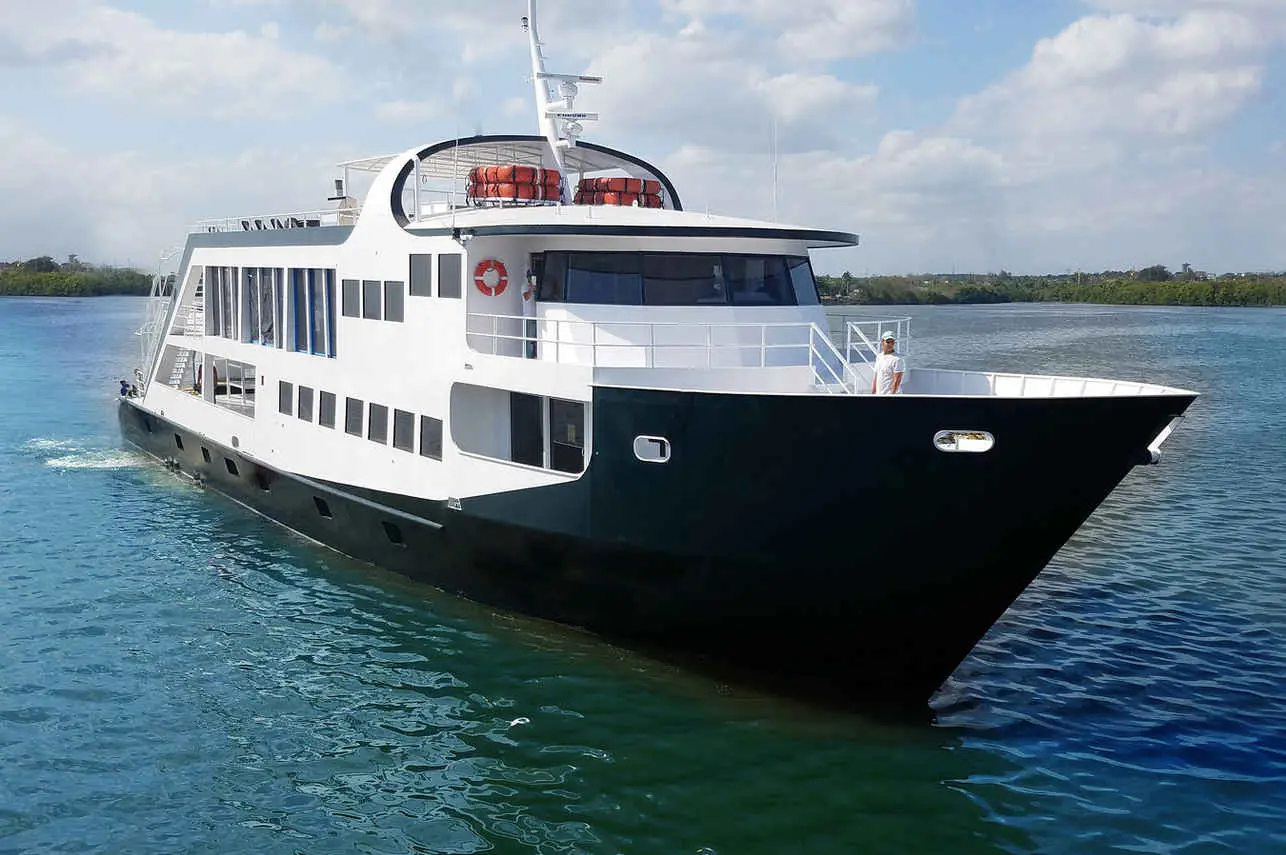
Jardines Avalon Fleet
Cuba
20 guests35 m
Dive sites similar to Moñtana Rusa
Same character, same waters, six more sites divers love for the exact same reasons.Compare seasons, access and liveaboard routes, then pick the site that fits your trip best.
© EsriMaxar, Earthstar, GIS
3 Fathom Wall
Cayman Islands
3 Fathom Wall is an exciting and fish-filled dive site located in the Cayman Islands, specifically at the intersection of the renowned Bloody Bay Wall.
- Suitable for
- Intermediate
- Current
- Mild
- Access
- Liveaboard only
- Depth
- ≤ 3000 m
- Theme
- Reef
While specific details for a dive site named "3 Riff" are not present in the provided sources, general diving conditions and characteristics for the Dominican Republic…
- Suitable for
- Advanced
- Current
- Mild
- Access
- Dayboat
- Depth
- 30–55 m
- Theme
- Reef
The dive site known as 3 Rocks is located off the coast of Sosúa in Puerto Plata, Dominican Republic, offering an accessible and lively underwater experience.
- Suitable for
- Beginner
- Current
- Mild
- Access
- Dayboat
- Depth
- 2–8 m
- Theme
- Reef
4 Amigos is a notable dive site located in the Bay Islands of Honduras, an area renowned for its extensive Mesoamerican Barrier Reef System, which is the world's second-longest.
- Suitable for
- Intermediate
- Current
- Moderate
- Access
- Liveaboard or dayboat
- Depth
- 9–40 m
- Theme
- Reef
© EsriMaxar, Earthstar, GIS
6 Toed Cat
Mexico
The dive site known as "6 Toed Cat" is not a recognized dive location in Mexico; rather, it refers to the polydactyl felines, many with six toes, that inhabit the Ernest Hemingway Home and Museum in Key West, Florida.
- Suitable for
- Beginner
- Current
- Mild
- Access
- Liveaboard or dayboat
- Depth
- —
- Theme
- Reef
© EsriMaxar, Earthstar, GIS
Aaron's Backyard
Honduras
Aaron's Backyard is a noted dive site within the Roatan Marine Park in Honduras, part of the extensive Mesoamerican Barrier Reef System.
- Suitable for
- Intermediate
- Current
- Moderate
- Access
- Liveaboard or dayboat
- Depth
- 9–40 m
- Theme
- Reef