About Prosper Rock / Nevera
Prosper Rock, also known as Nevera, is a prominent advanced dive site within Panama's Coiba National Park. This submerged volcanic rock formation rises from the deep Pacific, creating a crucial marine crossroads that attracts an extraordinary diversity of pelagic and reef species. Its unique topography, strong currents, and nutrient-rich waters contribute to its status as a biological hotspot. The site features a shallow rock top at about 8 meters that quickly descends to approximately 40 meters on its northern, western, and eastern sides. On the south side, heading west, a channel at 16 meters forms a coral-surrounded tunnel. The eastern point boasts a terrace and serves as a cleaning station for numerous predatory species. Divers navigate over coral-covered peaks and into sand-bottomed valleys, encountering multiple habitat zones. Marine life is abundant and varied, including resident whitetip reef sharks and large groupers and snappers in deeper areas. Schools of jacks and shovelfish are common, and pelagic encounters include giant manta rays, eagle rays, and occasionally hammerhead and bull sharks. Whale sharks can be sighted, especially during periods of cold-water upwelling. Green and hawksbill turtles are also present. Diving here requires experience due to significant depths and strong, complex tidal currents, which create challenging conditions with upcurrents, downcurrents, and acceleration zones. Entry is typically by boat, often involving a negative or fast descent to quickly get below surface currents. Divers should maintain excellent buoyancy control and carefully plan gas management, especially given the potential for working against currents during ascent. It is an advanced dive, demanding experience with challenging environments and deep Pacific conditions.
Highlights
Volcanic rock and valley topographyGiant manta ray encountersCleaning station for predatorsWhitetip reef shark residentsHammerhead and bull sharksDeep Pacific pelagic actionCoral-surrounded tunnelStrong current drift diving
Best Season
This site is diveable year-round, but conditions are most favorable during calmer current windows. Visibility can be optimal from May to mid-November, which often coincides with increased large animal activity.
Dive site facts: Prosper Rock / Nevera
- Depth
- 8–40 m
- Current
- Very strong
- Visibility
- 25 m
- Water temperature
- 31°C
- Entry
- Boat / Tender
- Level
- Advanced
- Dive type
- Deep Pinnacle Reef, Pelagic, Current-fed
- Region / port
- Coiba National Park, Panama
- Coordinates
- 7.78333, -81.76667
Conditions & Currents
Prosper Rock is characterized by significant current influence, making it an advanced dive. Tidal currents flow with considerable force over the underwater ridges, and their interaction with the undulating terrain creates complex water movement patterns. Divers should anticipate upcurrents, downcurrents, and accelerated zones between pinnacles, demanding exceptional buoyancy control and constant awareness. Descent must be quick and purposeful, following the rock’s contours to depth rather than lingering in exposed blue water. Managing buoyancy through these dynamic depth and current changes requires experience and focus. Dives typically involve a drift along the site's topography, with entry and exit techniques adapted to the prevailing conditions, often utilizing live boats and negative entries to rapidly reach depth. Visibility can fluctuate, potentially dropping during cold-water upwellings, although these events coincide with increased marine activity.
Marine life & sighting chances

Whitetip reef sharks
common
Giant manta rays
occasional
Groupers
common
Snappers
common
Jacks
commonShovelfish
common
Hammerhead sharks
occasional
Bull sharks
occasional
Green turtles
common
Hawksbill turtles
common
Whale sharks
rare
Eagle rays
occasional
Moray eels
occasional
Hard corals
commonDive profile & how the dive runs
A dive at Prosper Rock / Nevera typically involves a challenging, quick, and purposeful descent to avoid strong surface currents. Divers will follow the contours of the rock, which starts at a shallow 8 meters and drops steeply to 40 meters on the north, west, and east sides. The route focuses on exploring the rock's features, including crevices and ledges where whitetip reef sharks rest, and a channel forming a tunnel at 16 meters on the south side. Attention must be paid to current direction and intensity, which can change rapidly. The dive progresses along the rock, observing the rich marine growth and pelagic activity in the blue water. Ascent requires careful planning for current and narcosis management, often involving a safety stop well-anchored or in sheltered areas if possible, prior to a boat pick-up.
Underwater photography
Capturing the pelagic action at Prosper Rock / Nevera requires a wide-angle lens, ideally a fisheye, to encompass schools of jacks, hammerhead sharks, and giant manta rays. Strong currents necessitate excellent buoyancy control to maintain position and composition. Given the depth and often exceptional visibility, ambient light can be sufficient for larger subjects, but strobes are beneficial for bringing out the vibrant colors of hard corals and sponges on the rock's flanks. Be prepared for potential cold-water upwellings that, while reducing visibility, can lead to incredible opportunities for whale shark and mass pelagic sightings. Focus on stable shots, anticipating the movements of fast-moving subjects against the deep blue background.
Combine with nearby dive sites
- Contreras dive sites
Remote Coiba reef and pinnacle diving for experienced divers.
- Montaña Rusa
Exposed Coiba pinnacle with big-animal action and strong surge.
- Sueño de Pescador
Sueño de Pescador, meaning 'Fisherman's Dream', is an advanced dive site situated within Coiba National Park in Panama.
Getting there & logistics
Diving Prosper Rock / Nevera requires arranging logistics through a local Coiba operator due to its advanced nature, strong currents, and Coiba National Park regulations. The site is accessed via boat. Operators typically handle park access and boat timing, which are significant given the challenging conditions. It is part of the Coiba National Park system in Panama, indicating potential for longer liveaboard trips or multi-day excursions from nearby mainland ports to explore several sites within the park.
Safety & environment
Safety at Prosper Rock / Nevera demands strict adherence to advanced diving protocols, especially concerning strong currents and deep-water exposure. Divers must descend quickly and purposefully, staying close to the rock contours to minimize blue-water exposure. Narcosis management is crucial given depths up to 40 meters. Gas planning must factor in potential exertion against currents during the dive and ascent. It is recommended to be an Advanced Open Water Diver and have experience with current diving. Evacuation to the nearest recompression chamber or medical facility from Coiba National Park can be time-consuming, necessitating comprehensive dive insurance. Divers must also follow all Coiba National Park rules and operator guidelines.
Who it suits — and who it doesn't
Suited for
- Advanced Open Water Divers
- Divers comfortable with strong currents
- Those seeking pelagic encounters
- Experienced divers with excellent buoyancy control
- Photographers with wide-angle setups
Less suited for
- Beginner divers
- Divers with limited experience in currents
- Those prone to seasickness (due to surge)
- Divers uncomfortable with deep profiles
- Individuals lacking precise buoyancy skills
FAQ
Prosper Rock / Nevera FAQ
What makes Prosper Rock / Nevera an advanced dive site?
This site is classified as advanced due to its significant depths, reaching up to 40 meters, and consistently very strong currents. Divers must manage swift descents, navigate complex water movements including upwellings and surge, and be proficient in buoyancy and gas management in challenging conditions. The potential for narcosis at depth and the need for deliberate pelagic planning further contribute to its advanced rating.
What kind of marine life can I expect to see at Prosper Rock / Nevera?
Prosper Rock is renowned for exceptional pelagic action. You can commonly encounter whitetip reef sharks, schools of snappers, jacks, and shovelfish. Occasional sightings include giant manta rays, hammerhead sharks, bull sharks, and eagle rays. During cold-water upwellings, there's a rare chance to see whale sharks, along with abundant green and hawksbill turtles and groupers.
Why is it also called 'Nevera'?
The name 'Nevera' means refrigerator in Spanish, which hints at the site's characteristic cold-water upwellings. These periodic influxes of nutrient-rich deep ocean water significantly cool the surrounding waters. While they can temporarily reduce visibility, they are biologically productive, triggering plankton blooms that attract filter feeders and a dramatic increase in pelagic activity.
What are the typical conditions and visibility at this dive site?
The typical conditions include strong currents, which can be very powerful, and significant surge. Visibility is generally good, averaging around 25 meters, but it can fluctuate, especially during cold-water upwellings when nutrient-rich water might reduce clarity. Water temperature is around 31°C, but cold pulses can occur. The site is a deep Pacific rock with strong currents, upwelling, and eddies.
Are there any specific training recommendations for diving Prosper Rock / Nevera?
Yes, it is highly recommended that divers hold at least an Advanced Open Water Diver certification due to the site's depth and challenging conditions. Training in Enriched Air Diver (Nitrox) can also be beneficial for extending bottom time, considering the deep profiles. Experience with strong currents and drift diving techniques is also crucial for a safe and enjoyable experience.
Why dive Prosper Rock / Nevera from a liveaboard?
Prosper Rock / Nevera is one of Cuba's signature dive sites. A liveaboard sleeps you on the water and puts you in the water for three to four guided dives per day, including dawn and night dives that day-boat operators rarely offer. You skip the daily commute back to port and reach quieter, less-crowded sites in the same region on a single trip.
Below are the liveaboards that include Prosper Rock / Nevera on their Cuba itineraries.
Liveaboards diving Prosper Rock / Nevera
These liveaboards may visit Prosper Rock / Nevera on selected itineraries — the exact dive sites depend on departure, weather and conditions.
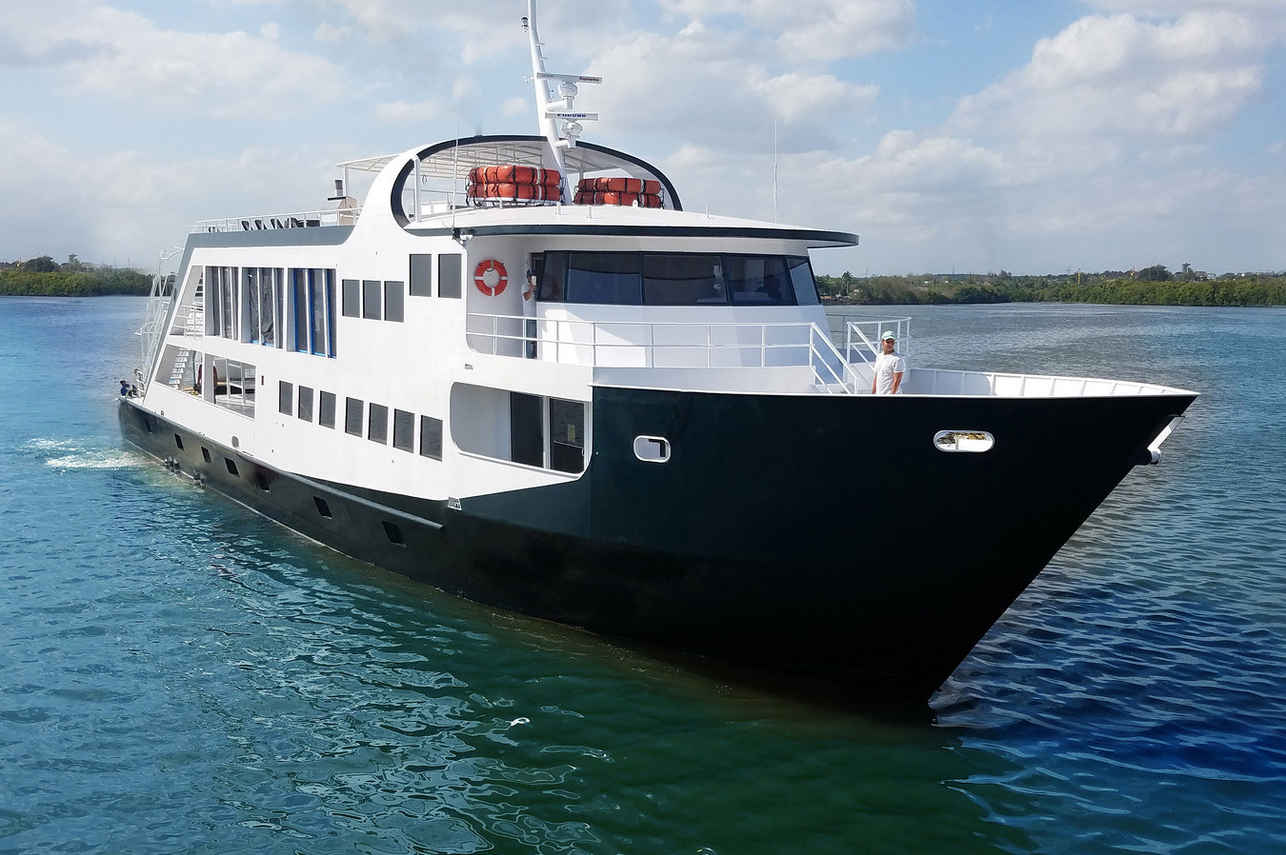
Jardines Avalon Fleet
Cuba
20 guests35.05 m
$494/day
Dive sites similar to Prosper Rock / Nevera
Same character, same waters — six more sites divers love for the exact same reasons.Compare seasons, access and liveaboard routes — then pick the site that fits your trip best.
© Esri — Maxar, Earthstar, GIS
El Almirante
Cuba
El Almirante is an advanced dive site located off the shores of Maria la Gorda, on Cuba's Guanahacabibes Peninsula.
- Suitable for
- Advanced
- Current
- Moderate
- Access
- Dayboat
- Depth
- 27–30 m
- Theme
- Wall / Reef
La Patana is a prominent dive site within the protected marine park of Jardines de la Reina, a vast archipelago stretching 150 kilometers off Cuba's southern coast.
- Suitable for
- Intermediate
- Current
- Mild
- Access
- Liveaboard only
- Depth
- 15–30 m
- Theme
- Reef / Wall
© Esri — Maxar, Earthstar, GIS
Arrecife Somero
Cuba
Arrecife Somero, located near Key Sigua within the UNESCO-recognized Zapata Swamp biosphere reserve, presents a unique reef crest forming a horseshoe shape.
- Suitable for
- Beginner
- Current
- Mild
- Access
- Liveaboard only
- Depth
- 2–5 m
- Theme
- Reef
© Esri — Maxar, Earthstar, GIS
Puente Escondido
Cuba
Puente Escondido is a notable dive site nestled within the Jardines de la Reina marine park, an expansive and highly protected area off Cuba's southern coast.
- Suitable for
- Beginner
- Current
- Mild
- Access
- Liveaboard only
- Depth
- ≤ 18 m
- Theme
- Reef
© Esri — Maxar, Earthstar, GIS
Black Coral Wall
Cuba
Black Coral I and II are prominent dive sites within Cuba's renowned Jardines de la Reina marine reserve, an area celebrated for its healthy reefs and crystal-clear waters.
- Suitable for
- Advanced
- Current
- Mild
- Access
- Liveaboard or dayboat
- Depth
- 15–40 m
- Theme
- Wall