About SS Thistlegorm
The SS Thistlegorm is one of the world's most renowned shipwrecks, a British cargo vessel sunk during World War II. It lies in the Strait of Gubal, a narrow passage connecting the Gulf of Suez and the Red Sea, where it was bombed by German forces in October 1941 while carrying military supplies for Allied troops in Suez. This underwater museum offers an unparalleled glimpse into wartime history, making it a bucket-list destination for many divers. The 126-meter long freighter rests at a maximum depth of 30 meters. The wreck is largely intact, with the forward section upright, while the stern is twisted 90 degrees and rests on its port side. Divers can explore its numerous cargo holds, which are brimming with military equipment like trucks, motorcycles, armoured vehicles, boots, rifles, and even two steam locomotives lying off the port and starboard sides. Penetration into the holds allows for close examination of these preserved artifacts, illuminated by natural light filtering through openings. While primarily a wreck dive, the Thistlegorm also hosts marine life, including sleeping turtles that take shelter within its structure during night dives. Common sightings in the area also include sharks, whales, dolphins, and turtles, though the wreck's primary draw is its historical cargo. Divers from Sharm El Sheikh or Hurghada typically reach the site by liveaboard to maximize dive time and avoid crowds, often completing multiple dives, including night dives, to fully explore the site. It is possible to dive the wreck from day boats, though liveaboards offer the advantage of early morning access.
Highlights
Wartime cargo in Holds 1 and 2Bedford trucks and BSA motorcyclesSteam locomotivesMachine guns and anti-aircraft gunsMilitary boots and riflesGrenades and anti-tank minesShip's bridge areaNight dive opportunities
Season calendar
Best months to dive here
Jan
Feb
Mar
Apr
May
Jun
Jul
Aug
Sep
Oct
Nov
Dec
Excellent
Good
Dive site facts: SS Thistlegorm
- Depth
- 15–32 m
- Current
- Often strong
- Visibility
- 15–25 m
- Water temperature
- 22–28°C seasonal
- Entry
- Liveaboard or dayboat
- Level
- Advanced
- Dive type
- Wreck, Wreck
- Region / port
- Red Sea
- Coordinates
- 27.8167, 33.9167
Conditions & Currents
Diving the Thistlegorm requires careful planning as the site, located at the mouth of the Gulf of Suez, often experiences currents and surface chop. Dive boats typically secure a guideline to the wreck for a safe descent, allowing divers to quickly reach the shelter of the hull. Depending on the current's strength and direction, divers may use a reef hook to maintain position while observing the wreck's exterior. Negative entries are common when conditions are choppy. Visibility is generally good but can fluctuate, especially with increased diver traffic or stronger currents stirring up silt. Gas planning should account for potentially longer bottom times within the large wreck and the need for controlled ascents. Due to the depth and potential for currents, along with opportunities for penetration, this site is generally considered suitable for experienced divers.
Marine life & sighting chances

Giant Trevally
common
Barracuda
common
Dogtooth Tuna
occasional
Moray Eel
common
Lionfish
common
Triggerfish
common
Napoleon Wrasse
occasional
Eagle Ray
occasional
Hawksbill Turtle
occasional
Nudibranch
common
Batfish
common
Fusiliers
common
Anthias
common
Sweetlips
common
Groupers
commonDive profile & how the dive runs
The SS Thistlegorm is a British WWII cargo ship that sits upright on sand at 30 meters. The main deck is between 16 and 24 meters. Standard trips typically involve two dives: an external tour, usually covering 18-30 meters, focusing on the bow, stern area, enormous propeller, and anti-aircraft guns. The second dive focuses on the cargo holds and superstructure with optional limited penetration for trained divers. The signature attractions are the still-visible cargo holds containing motorcycles, trucks, locomotives, and ammunition. The stern section is broken off and twisted approximately 90 degrees from the main hull. Nitrox 32 is strongly recommended for both dives.
Underwater photography
For wide-angle shots of the shipwreck, spring and autumn are the best times due to excellent visibility and comfortable water temperatures. Summer brings intense light at depth, which is ideal for photographing deep wrecks. Be prepared for potential backscatter during plankton-rich dives; using strobes with diffusers is recommended. Good buoyancy and gas discipline are essential to avoid stirring up silt inside the wreck, especially in the cargo holds, which can impact photographic clarity.
Combine with nearby dive sites
- Abu Nuhas
Abu Nuhas, often called the "ship's graveyard" of the Red Sea, is a triangular coral reef situated at the northern edge of the Strait of…
- The Dunraven
The Dunraven is an 80-meter British steam-and-sail cargo vessel that sank in 1876 after striking Beacon Rock at Sha'ab Mahmoud, south of…
- Ras Mohammed
Ras Mohammed National Park, situated approximately 20 kilometers south of Sharm El Sheikh, marks the southernmost tip of the Sinai…
- Brothers Islands
The Brothers Islands, comprising Big Brother and Little Brother, are an iconic dive destination in the Egyptian Red Sea, located…
- Daedalus Reef
Daedalus Reef, known locally as Abu Kizan, is a remote outpost in the Red Sea, located about 80 km offshore from Marsa Alam.
- Elphinstone Reef
Elphinstone Reef, locally known as Sha'ab Abu Hamra, is an iconic dive site in the Red Sea, located approximately 12 kilometers offshore…
Getting there & logistics
The SS Thistlegorm is one of the most requested wreck routes in the Red Sea. It is a full-day special-request route, not part of the standard daily diving rotation, requiring a minimum group size, favorable weather window, and experienced divers. A 3-4 hour boat trip is needed from both Sharm El-Sheikh and Hurghada, often requiring an early start around 4 am. Liveaboard options are available, allowing divers to visit the wreck in the morning to avoid crowds. The site demands good buoyancy, gas discipline, and attention during briefings. Equipment rental is EUR 20 per day. The dive plan is confirmed on the morning of departure based on wind direction, current, and diver certification.
Safety & environment
Due to often strong currents and the depth of the wreck (15-32m), diving the Thistlegorm requires an Advanced Open Water certification or equivalent, with good buoyancy, air management, and experience in similar profiles. Silt can be easily stirred up inside the cargo holds, so careful finning is necessary. Divers must be comfortable with dark and enclosed interiors for wreck penetration. The site can experience currents up to 2 knots, making local knowledge from a guided dive important. The closest recompression chambers are in Hurghada and Sharm El-Sheikh, both several hours away by boat.
Who it suits — and who it doesn't
Suited for
- Advanced divers
- Wreck diving
- History enthusiasts
- Liveaboard itineraries
Less suited for
- Beginners
- Inexperienced divers
FAQ
SS Thistlegorm FAQ
What is the typical current strength at the SS Thistlegorm?
The current at the SS Thistlegorm can often be strong, reaching up to 2 knots, which necessitates careful planning and guided dives.
Is the SS Thistlegorm suitable for beginner divers?
No, the SS Thistlegorm is an advanced-level dive, recommended for Advanced Open Water divers with good buoyancy, air management, and experience in similar profiles.
What are the best months to dive the SS Thistlegorm?
The best times to dive the SS Thistlegorm are March to May and September to November, when visibility is excellent, water temperatures are comfortable, and currents are moderate.
Is Nitrox recommended for diving the SS Thistlegorm?
Yes, Nitrox 32 is strongly recommended for both dives at the SS Thistlegorm.
Why dive SS Thistlegorm from a liveaboard?
SS Thistlegorm is one of Egypt's signature dive sites. A liveaboard sleeps you on the water and puts you in the water for three to four guided dives per day, including dawn and night dives that day-boat operators rarely offer. You skip the daily commute back to port and reach quieter, less-crowded sites in the same region on a single trip.
Below are the liveaboards that include SS Thistlegorm on their Egypt itineraries.
Liveaboards diving SS Thistlegorm
These liveaboards may visit SS Thistlegorm on selected itineraries — the exact dive sites depend on departure, weather and conditions.
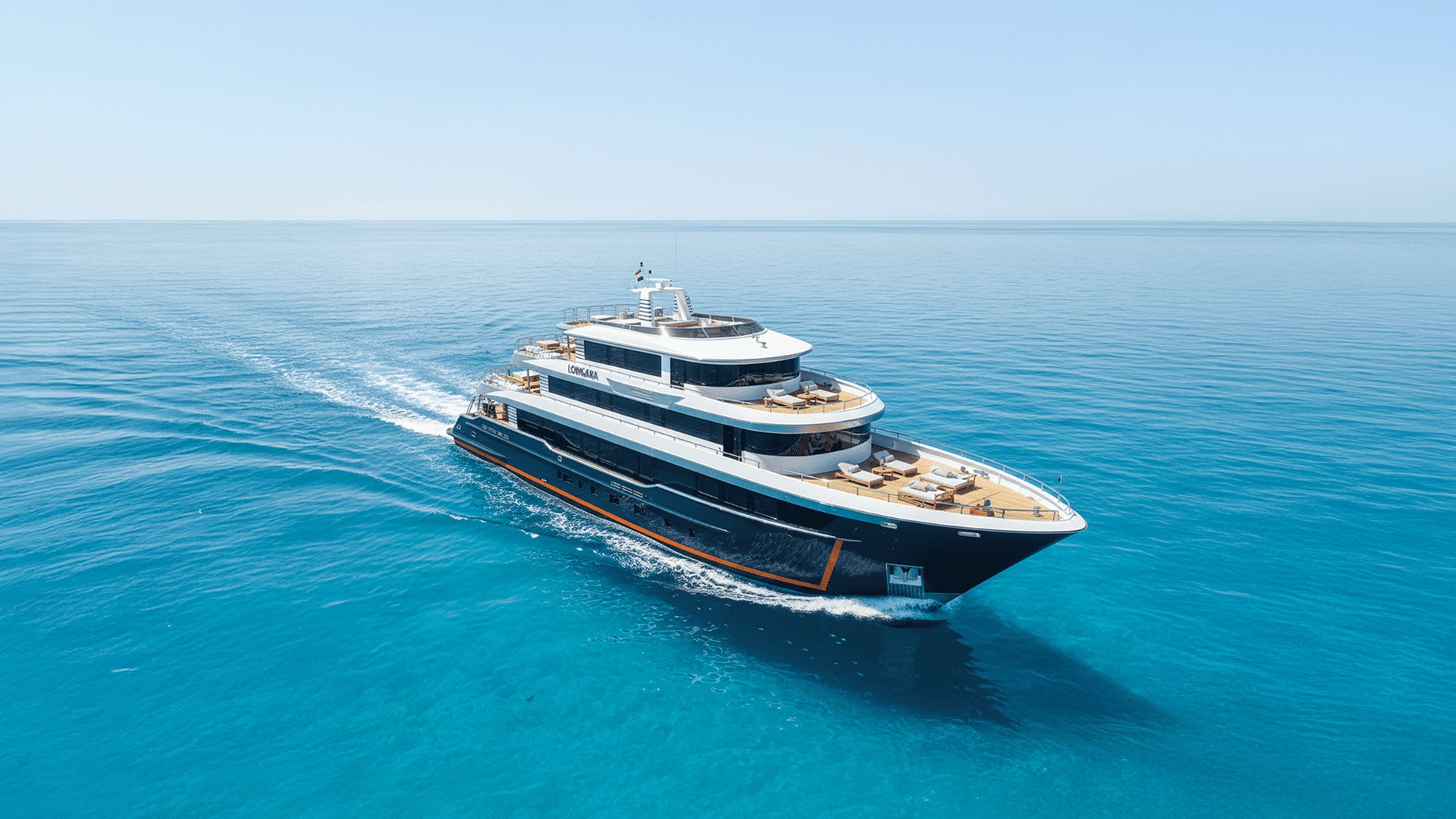
DUNE Longara
Egypt
30 guests
$150/day
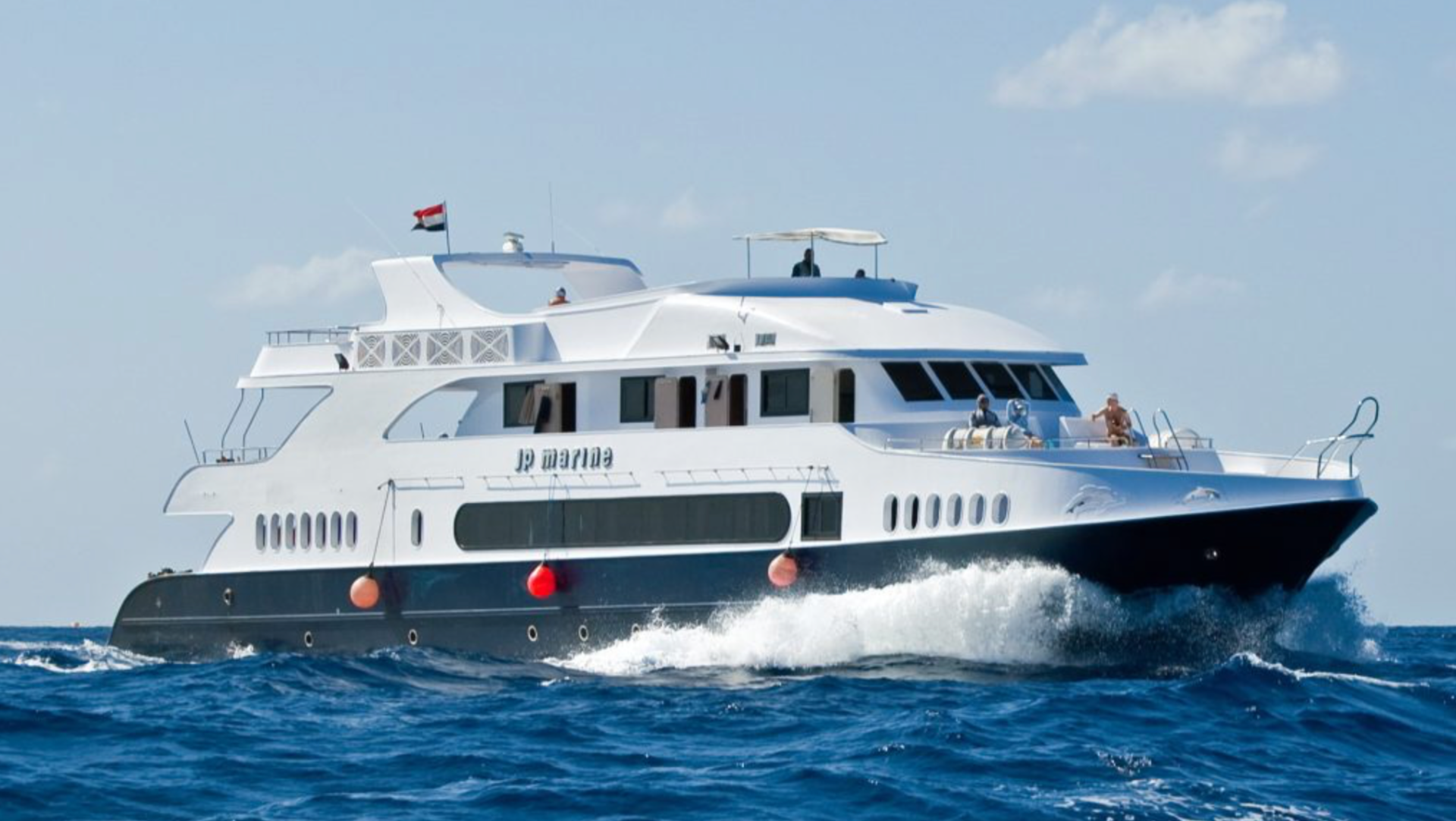
JP Marine
Egypt
28 guests
$109/day
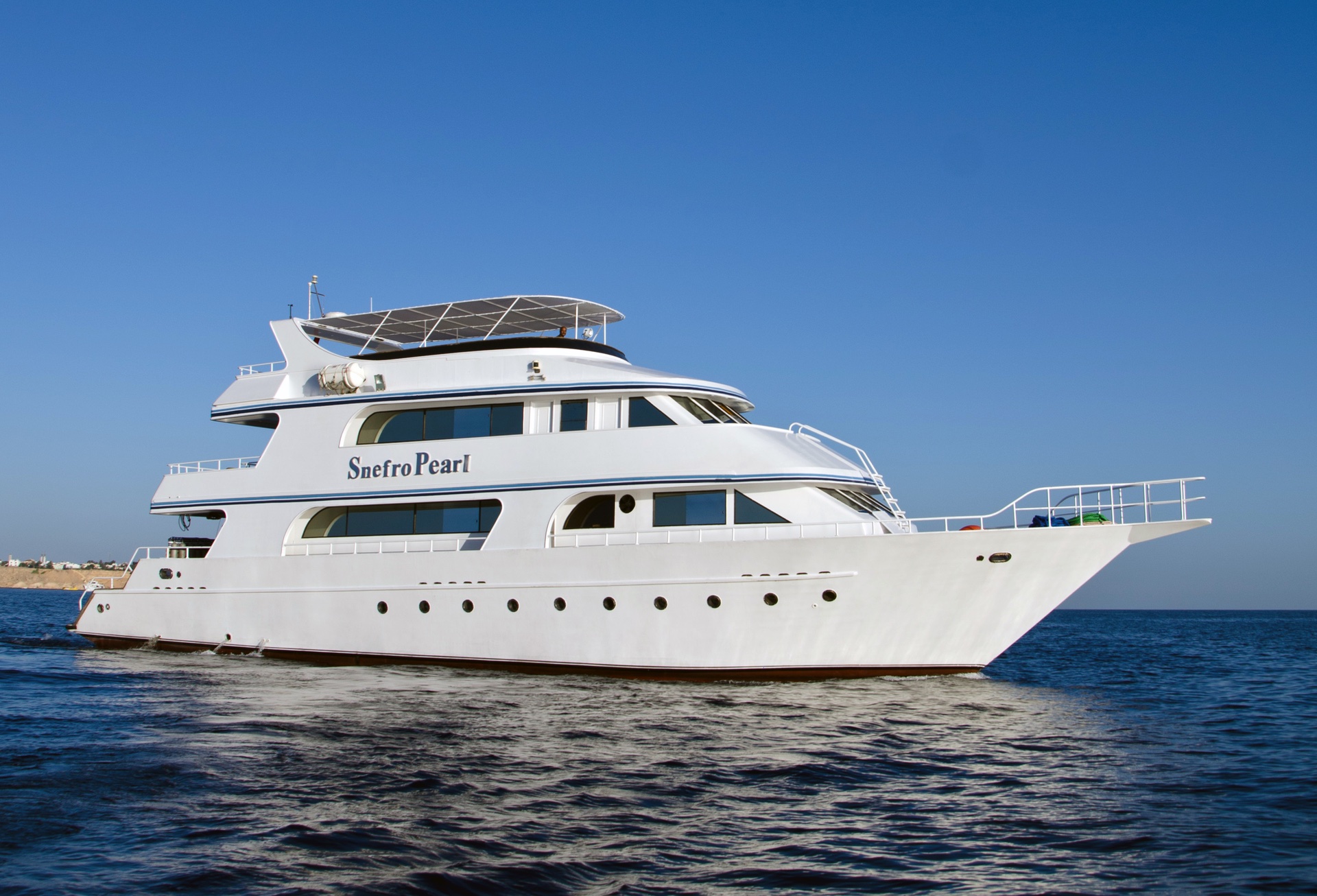
Snefro Pearl
Egypt
12 guests
$150/day
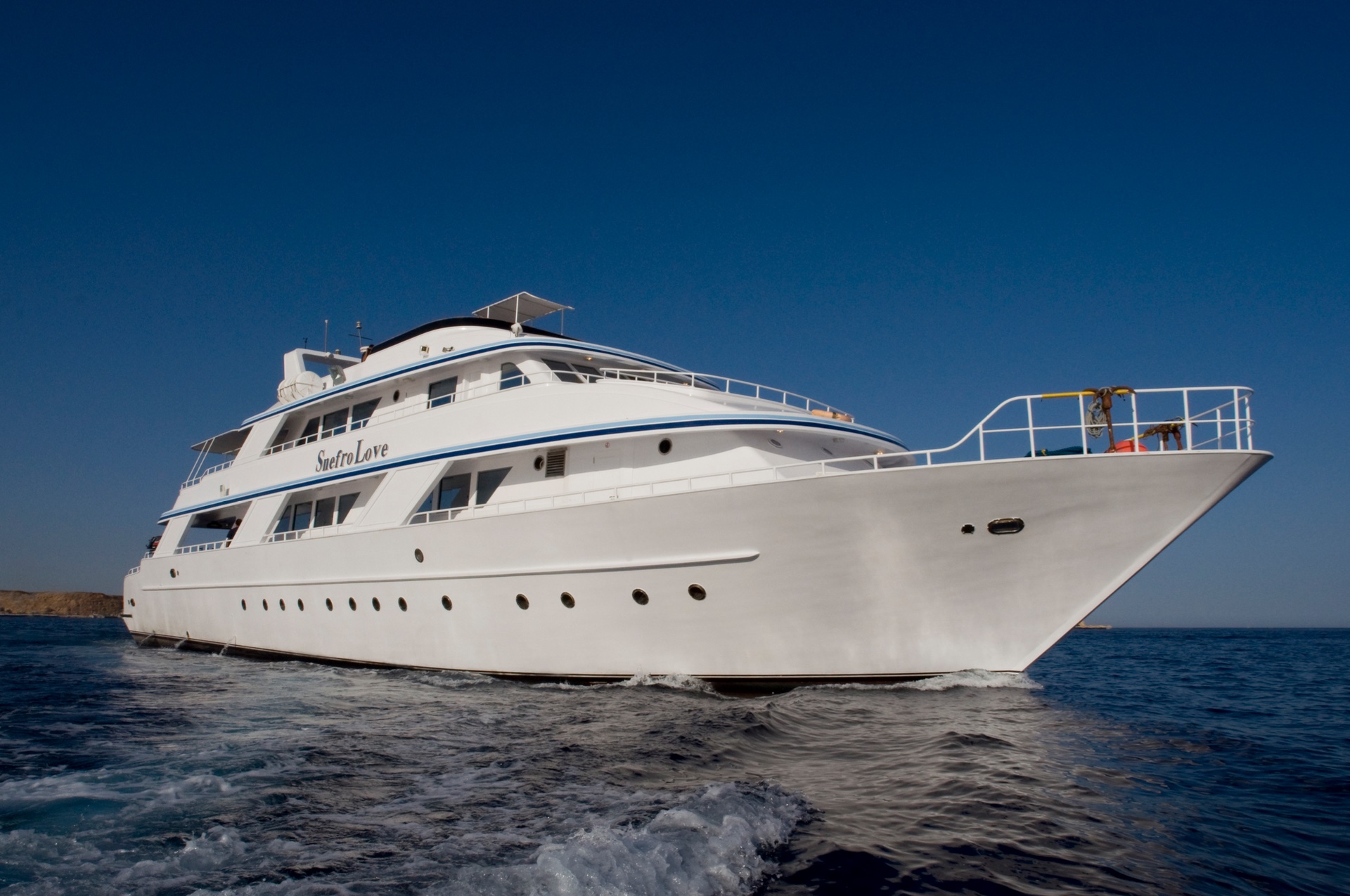
Snefro Love
Egypt
20 guests
$154/day
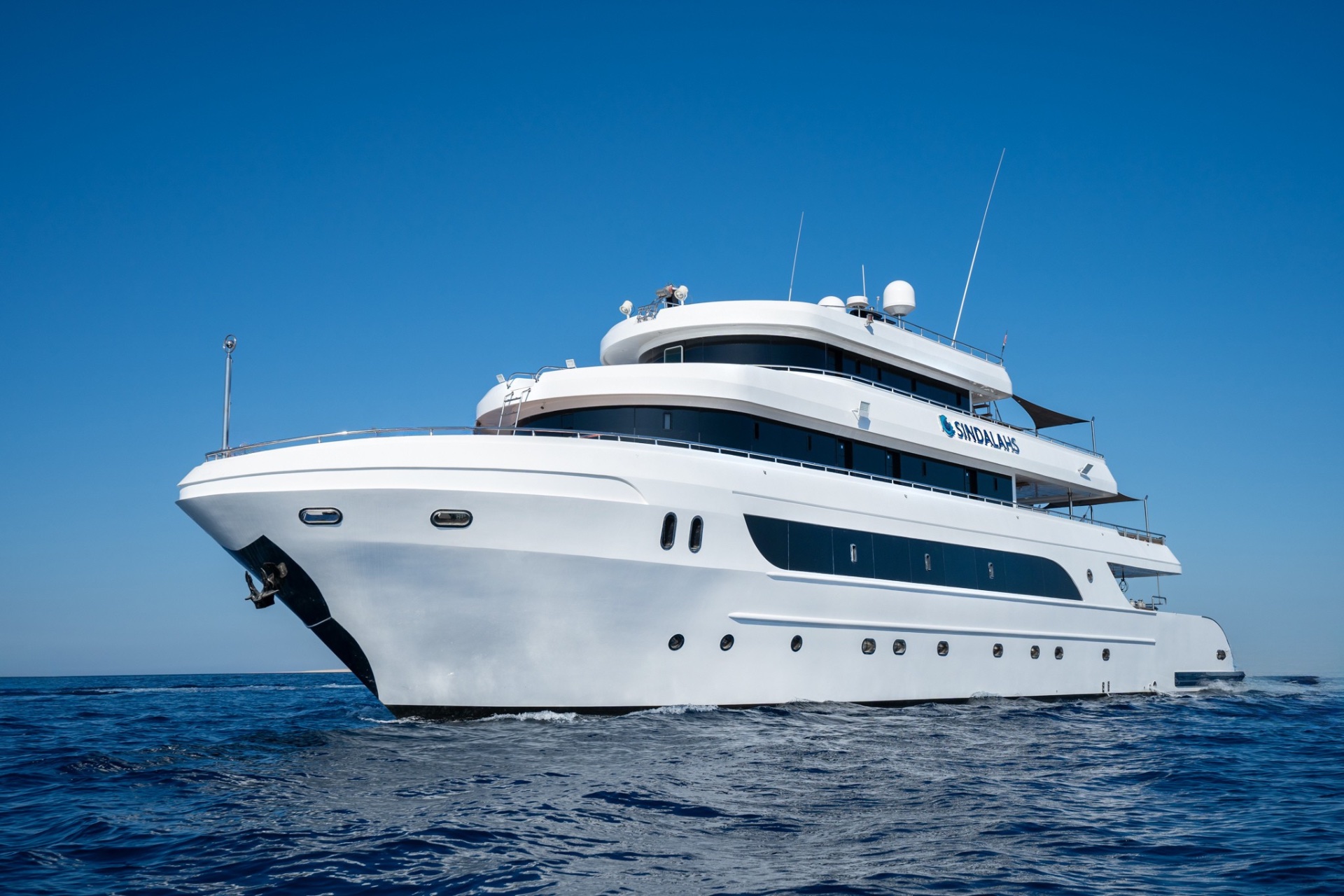
Sindalahs
Egypt
26 guests38 m
$155/day
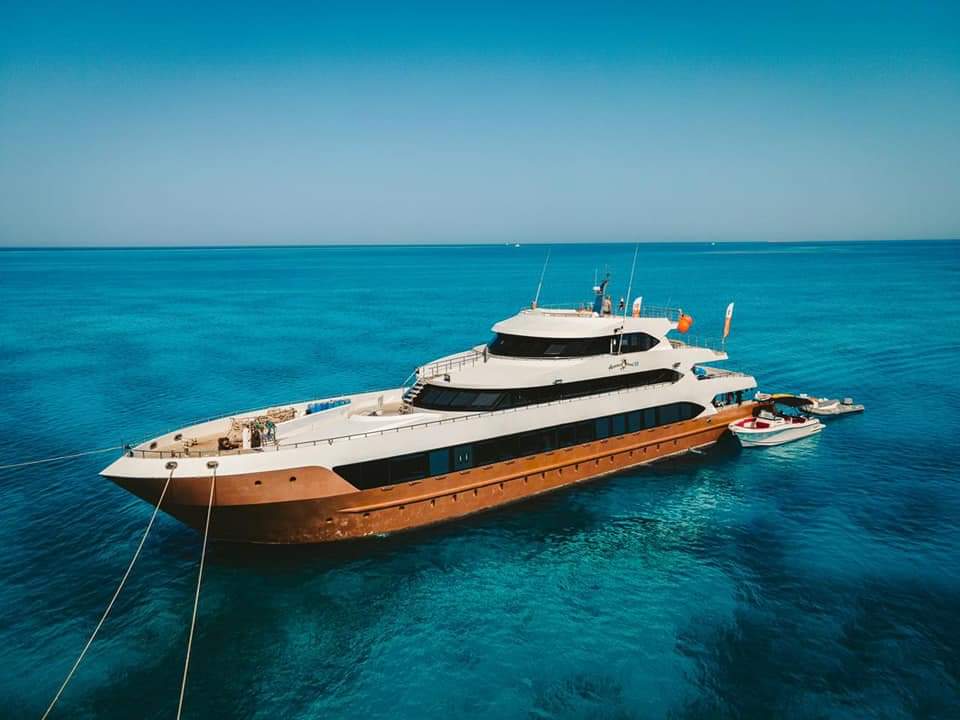
Hammerhead II
Egypt
20 guests
$172/day
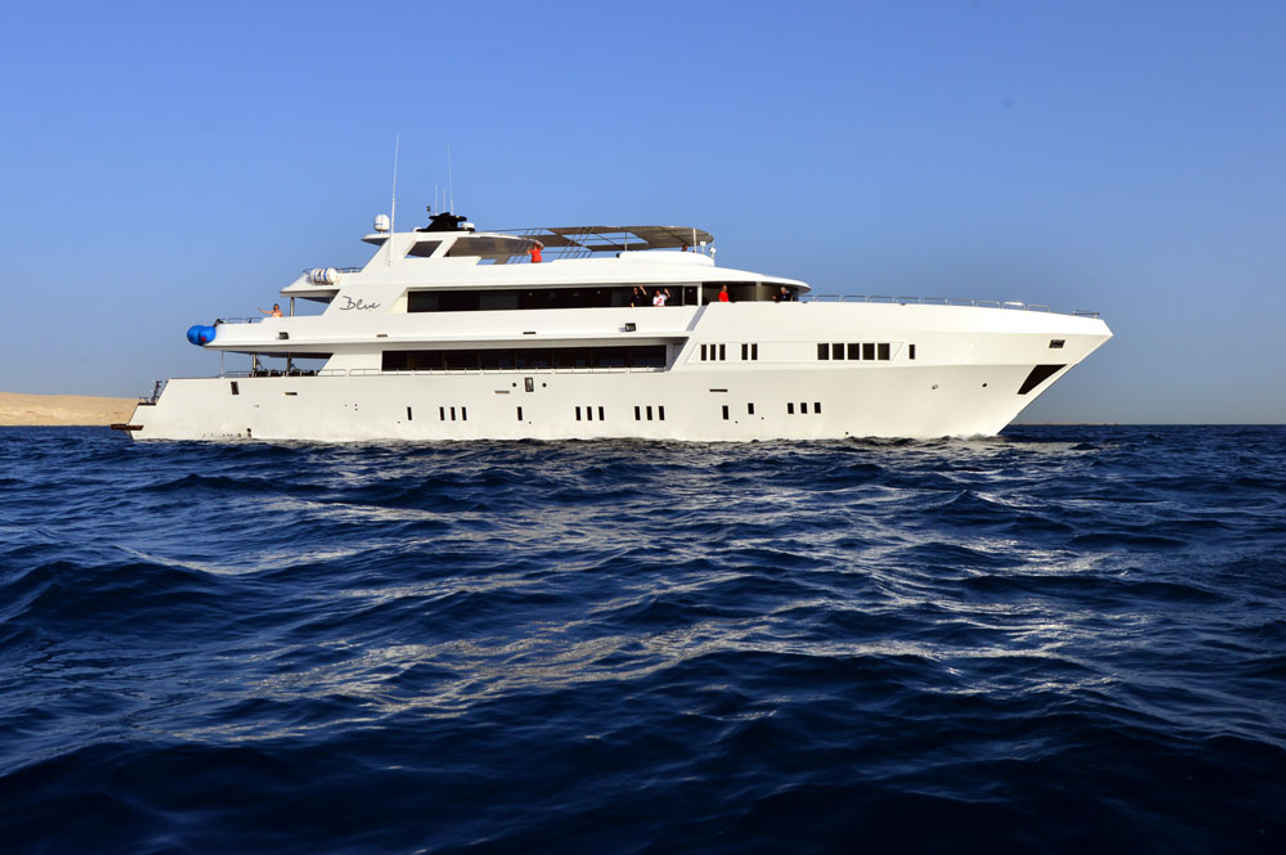
Blue Liveaboard
Egypt
24 guests43 m
$172/day
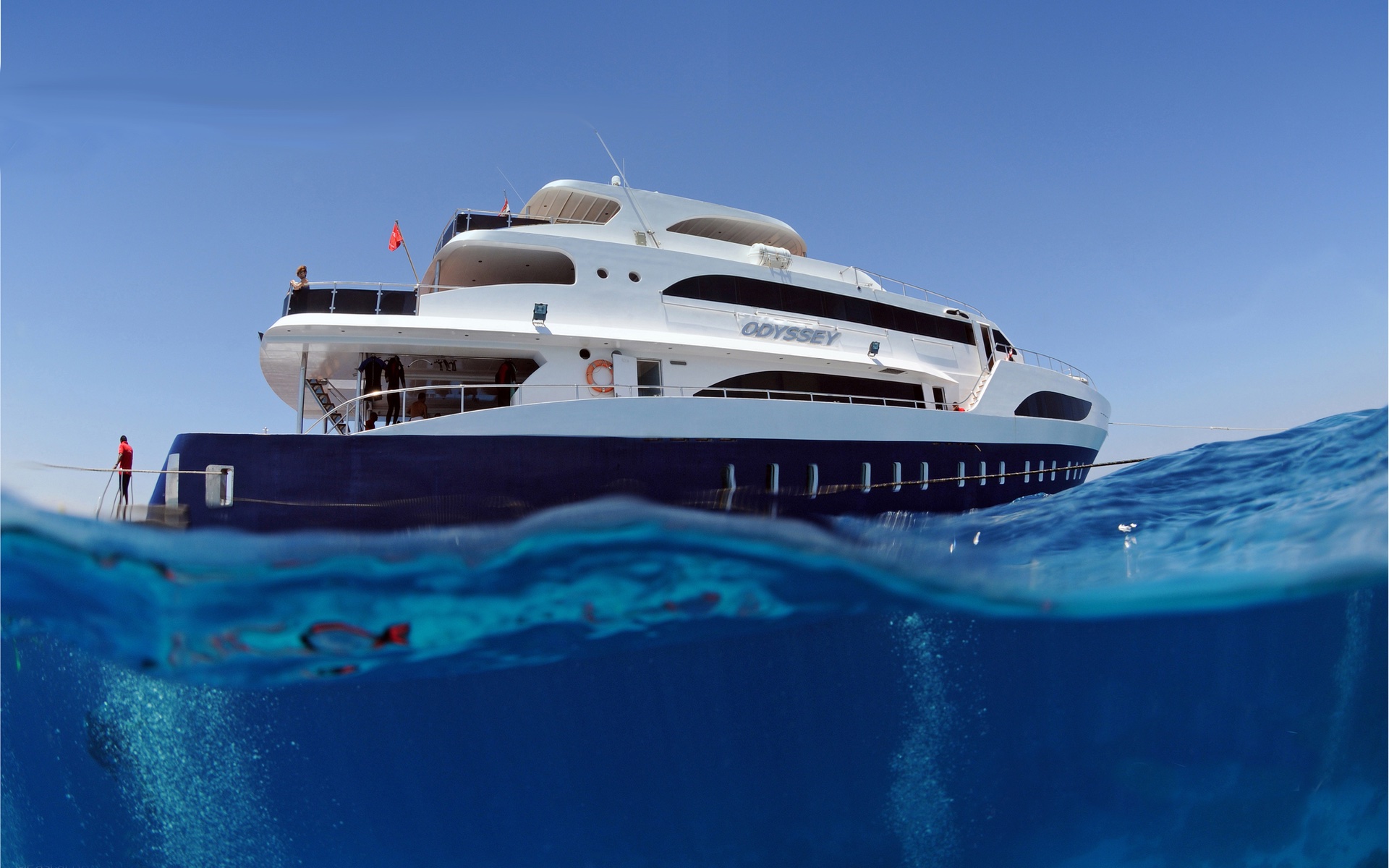
Odyssey
Egypt
26 guests40 m
$185/day
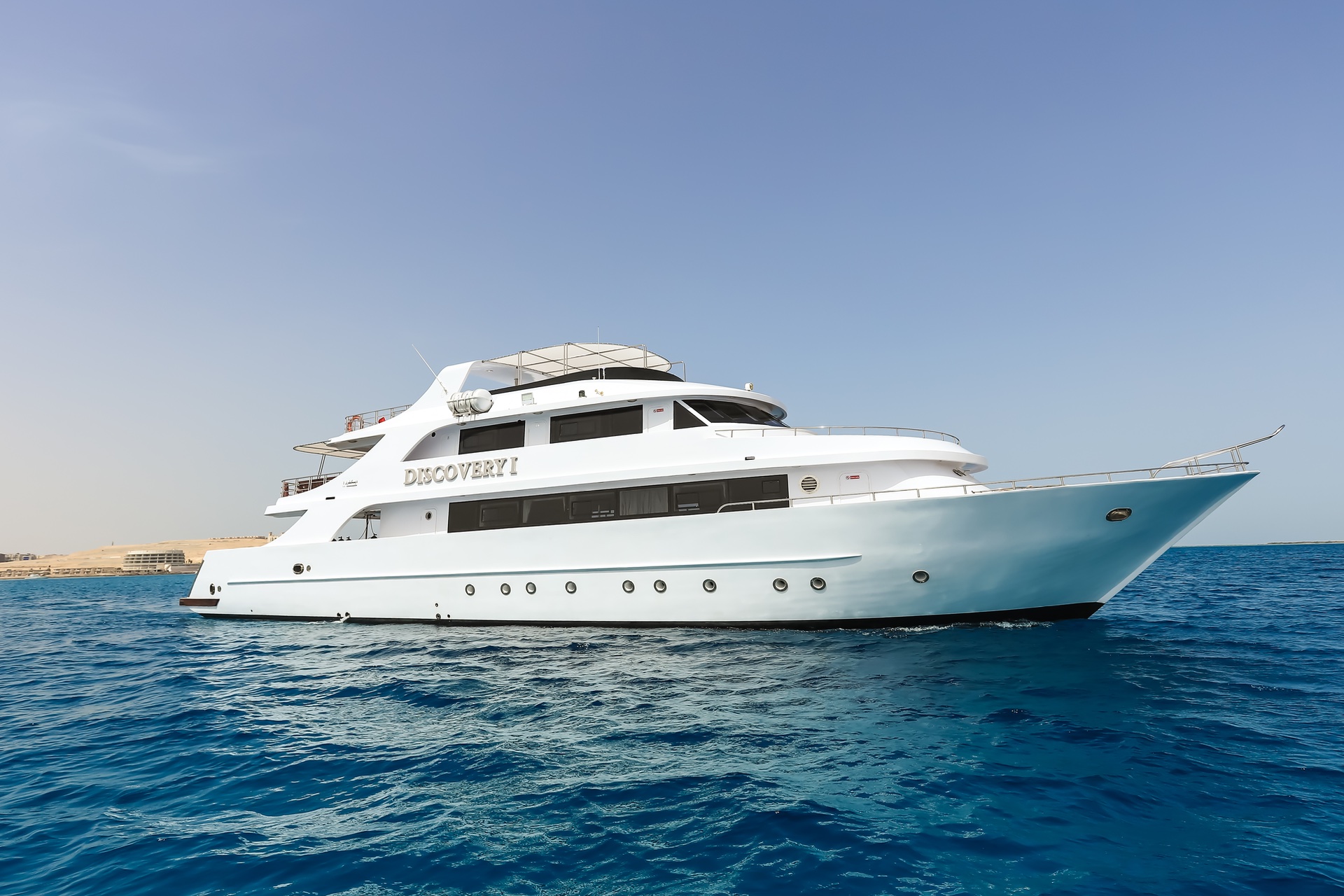
Discovery I
Egypt
20 guests
$104/day
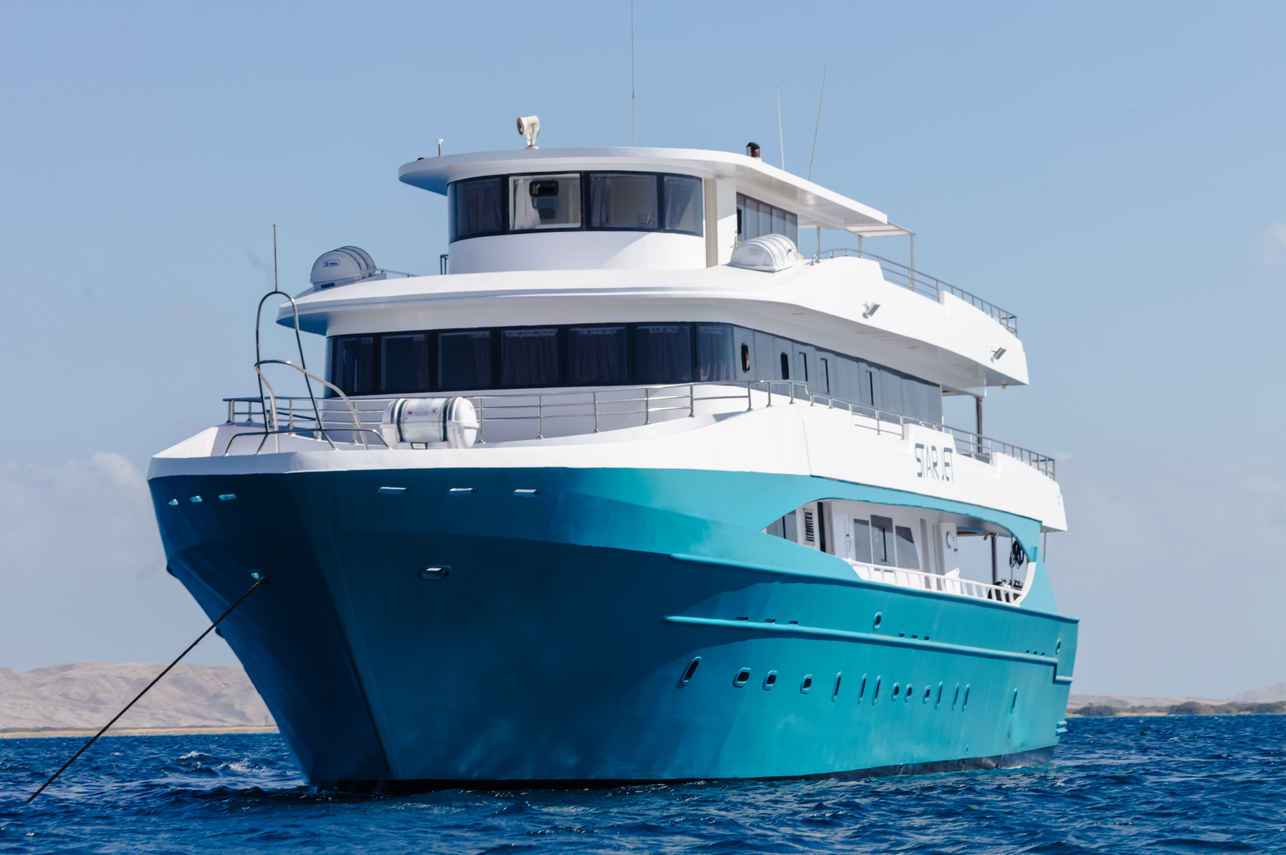
Star Jet
Egypt
28 guests35 m
$145/day
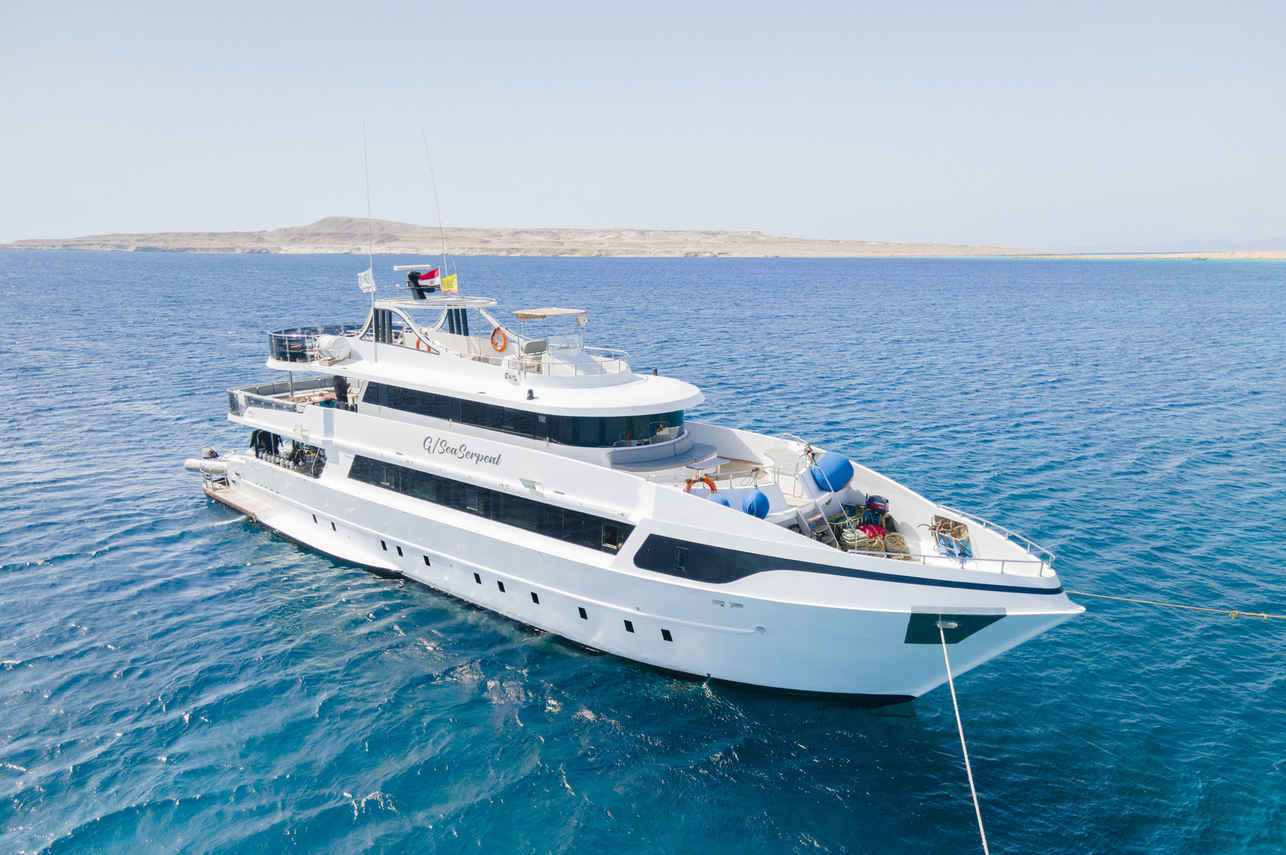
SS Serena Dreams
Egypt
18 guests33 m
$159/day
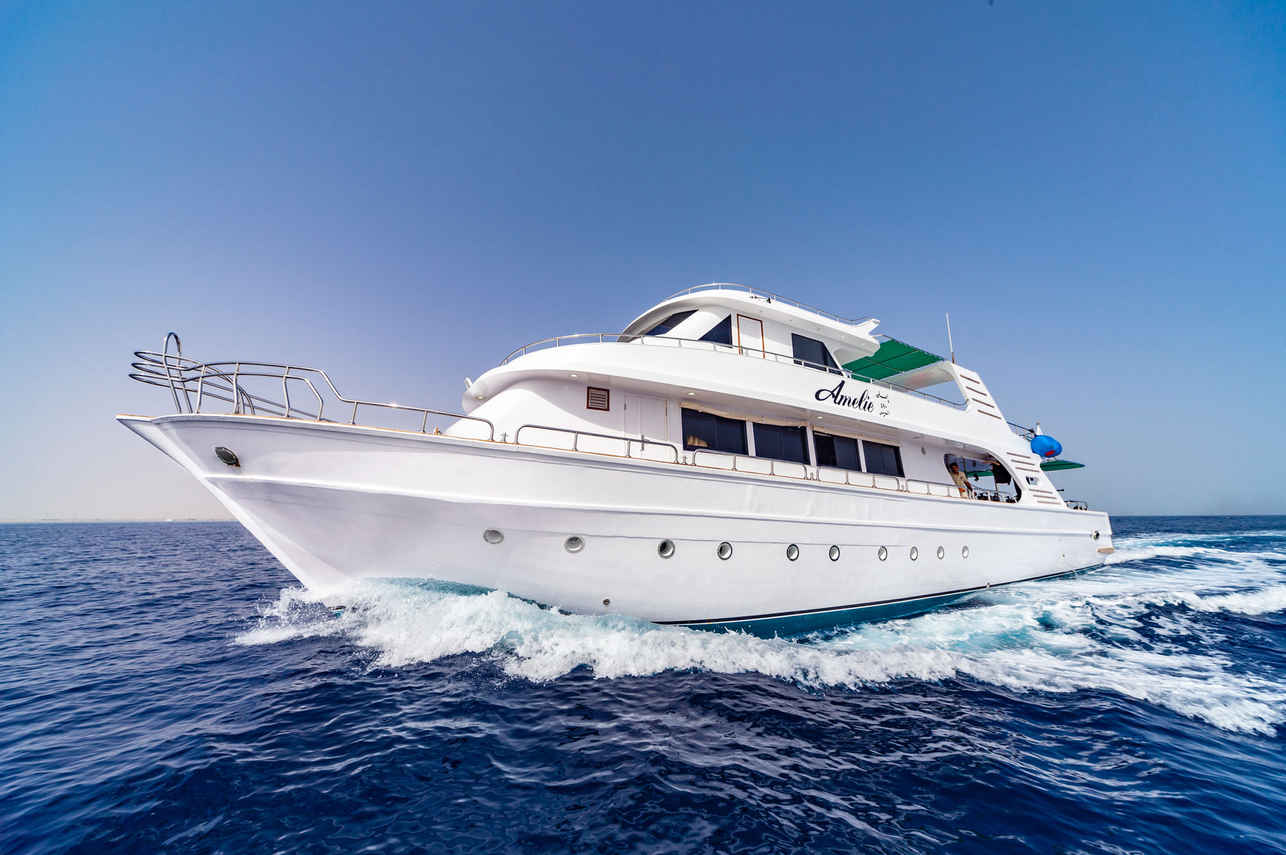
Amelie
Egypt
12 guests23 m
$115/day
Dive sites similar to SS Thistlegorm
Same character, same waters — six more sites divers love for the exact same reasons.Compare seasons, access and liveaboard routes — then pick the site that fits your trip best.
The Lara is the remnant of a 137-meter cargo vessel that became stranded on the northern edge of Jackson Reef in 1982. Initially, the ship rested intact on the reef, but it was…
- Suitable for
- Advanced
- Current
- Strong
- Access
- Liveaboard only
- Depth
- 45–55 m
- Theme
- Wreck
© Esri — Maxar, Earthstar, GIS
Big Brother
Egypt
Big Brother Island, a prominent pinnacle in the southern Red Sea, rises from significant depths approximately 60 miles off the Egyptian coast near El-Quseir.
- Suitable for
- Advanced
- Current
- Strong
- Access
- Liveaboard only
- Depth
- 8–85 m
- Theme
- Drift / Wreck
© Esri — Maxar, Earthstar, GIS
Mohamed Hasabella
Egypt
The Mohamed Hasabella is the wreck of a fishing boat located in the waters off Hurghada, Egypt.
- Suitable for
- Advanced
- Current
- Moderate
- Access
- Dayboat
- Depth
- 25–33 m
- Theme
- Wreck
© Esri — Maxar, Earthstar, GIS
The Khanka, often called the “Russian Wreck,” is believed to be a Russian spy ship, specifically a MOMA (Project 861M) Class vessel with an “SSV” (Sudno Svyazyy, or communications vessel) designation on its hull.
- Suitable for
- Intermediate
- Current
- Moderate
- Access
- Liveaboard only
- Depth
- ≤ 24 m
- Theme
- Wreck
The Giannis D, a Greek cargo ship, sank in April 1983 after running aground on the northwestern corner of Sha'ab Abu Nuhas, a prominent reef known as the "ship graveyard" in the Strait of Gubal.
- Suitable for
- Advanced
- Current
- Moderate
- Access
- Liveaboard or dayboat
- Depth
- 6–27 m
- Theme
- Wreck / Reef