About Brothers Islands
The Brothers Islands, comprising Big Brother and Little Brother, are an iconic dive destination in the Egyptian Red Sea, located approximately 100 kilometers offshore. These remote islands are celebrated for their dramatic vertical walls, vibrant coral gardens, and exceptional pelagic marine life, making them a must-visit for experienced divers. The sheer remoteness of the islands, far from the mainland, contributes to their pristine condition and the abundance of large marine species. Deep drop-offs and prevailing currents create an ideal environment for pelagic action, with regular sightings of various shark species. Big Brother Island, the larger of the two, features a historic lighthouse and offers diverse dive profiles, including a current-swept north wall and a more sheltered south plateau with coral caverns. The island is also home to two significant wrecks, the Aida and the Numidia, both encrusted with corals and attracting schooling fish. Little Brother Island, though smaller and more exposed, boasts breathtaking walls adorned with unspoiled hard and soft corals, with particularly strong currents at its northern tip. The islands' topography, characterized by deep walls and plateaus, supports a rich ecosystem ranging from schooling reef fish to apex predators. The underwater scenery is further enhanced by clouds of colorful anthias that swarm the reef walls. Access to these islands is typically via liveaboard, catering to advanced divers capable of handling variable conditions, including strong currents. The combination of pristine reefs, diverse marine life, and intriguing wrecks ensures an unforgettable diving experience.
Highlights
Oceanic whitetip sharksPristine coral wallsAida and Numidia wrecksHammerhead shark encountersThresher shark sightingsVibrant reef ecosystemPelagic fish schoolsVertical drop-offs
Season calendar
Best months to dive here
Jan
Feb
Mar
Apr
May
Jun
Jul
Aug
Sep
Oct
Nov
Dec
Excellent
Good
Dive site facts: Brothers Islands
- Depth
- 5–40 m
- Typical dive
- 15–30 m, 45–60 min
- Current
- Moderate to very strong (0–4 knots)
- Visibility
- 20–50 m
- Water temperature
- 21–30°C
- Entry
- Zodiac / negative entry
- Level
- Advanced (AOWD minimum, current experience essential)
- Dive type
- Wall, wreck, pelagic encounters
- Night dive
- Not permitted
- Region / port
- Red Sea / Hurghada
- Coordinates
- 26.3167, 34.85
Conditions & Currents
The Brothers Islands are situated 100 km offshore in the central Red Sea, lacking fringing reefs or shallow lagoons to mitigate water movement. Currents can range from mild (0-1 knot) to very strong (3-4 knots), requiring active finning or leading to drift dives. Variability is common, with upwellings, especially at Little Brother's north tip, bringing cold, plankton-rich waters that attract pelagics but can also cause unpredictable conditions. Guides often brief for negative entries to manage strong currents on exposed walls, where ascending quickly after entry is crucial. Dive plans are adjusted daily based on real-time current strength and direction, with south walls and plateaus offering more sheltered options when currents are excessive at exposed tips. Divers must be proficient in managing currents, capable of maintaining depth, and prepared for potential last-minute changes to div
Marine life & sighting chances

Oceanic whitetip shark
March-November (peak June-August) · common
Scalloped hammerhead shark
March-November (peak June-August) · common
Grey reef shark
Year-round · common
Silvertip shark
Year-round · occasional
Thresher shark
March-November (early morning at Little Brother) · occasional
Manta ray
March-November · occasional
Napoleon wrasse
Year-round · common
Giant moray eel
Year-round · common
Barracuda
Year-round · common
Giant trevally
Year-round · occasional
Tuna
Year-round · occasional
Anthias
Year-round · common
Spinner dolphin
June-August · occasionalDive profile & how the dive runs
Diving at Brothers Islands primarily involves wall dives and wreck explorations, typically from Zodiacs. For Big Brother's north wall, expect a negative entry due to strong currents, descending immediately to a depth of 20-40 meters to encounter oceanic whitetips, hammerheads, and thresher sharks. The south plateau offers a more sheltered dive, starting around 15 meters and gradually descending to 30 meters, where you can explore coral caverns and spot grey reef sharks and Napoleon wrasse. For the wrecks, Aida and Numidia, dives typically range from 28-33 meters, circling the coral-encrusted structures. At Little Brother, the north wall can have intense currents and upwellings; an early morning dive before 7:00 am is often scheduled to search for thresher sharks at depths of 18-40 meters. The south wall of Little Brother, usually less current-affected, allows for exploration of soft coral gardens and schools of barracuda between 15-35 meters. Safety stops are often conducted in shallower areas along the reef top, which can be as shallow as 5 meters, allowing for extended observation of reef fish.
Underwater photography
Capturing the Brothers Islands' dramatic walls and abundant pelagics requires a wide-angle lens for sweeping reefscapes, shark action, and the Aida and Numidia wrecks. Due to strong and unpredictable currents, excellent buoyancy control is paramount to avoid damaging corals or disturbing marine life, especially around cleaning stations. External strobes are essential to bring back color at depth, particularly on the deep walls of both islands. During encounters with oceanic whitetips and hammerheads, maintain a respectful distance and avoid aggressive pursuit. Consider using a dome port for split shots near the surface to include the lighthouse on Big Brother. Given the consistent presence of strong currents, a camera rig that is easy to maneuver and secure is highly beneficial.
Combine with nearby dive sites
- Daedalus Reef
Frequently combined with Brothers Islands on liveaboard itineraries for hammerhead sightings.
- Elphinstone Reef
Another remote reef known for pelagic encounters, often part of Brothers Islands liveaboard routes.
- St. Johns Reef
Located further south, offers pristine reefs and varied marine life on extended liveaboard trips.
- Zabargad Island
A southern Red Sea gem, known for its unique topography and marine life, sometimes included in longer itineraries.
Getting there & logistics
Access to the Brothers Islands is exclusively via liveaboard, typically departing from Hurghada. The closest international airport for transfers to Hurghada is Hurghada International Airport (HRG), with connections from major European cities. Flights from North America usually route through Cairo (CAI) before connecting to Hurghada. Liveaboard trips to the Brothers Islands generally last 7 nights/8 days and are often combined with other remote sites like Daedalus Reef and Elphinstone Reef. Divers are usually transferred from the main vessel to dive sites using Zodiacs. It is important to confirm visa requirements before travel, as some liveaboard operators include this in onboard charges. A minimum of 50 logged dives is often recommended for these itineraries due to the challenging conditions.
Safety & environment
Diving at the Brothers Islands requires a high level of experience due to strong and unpredictable currents, remote location, and deep dive profiles. Comprehensive dive insurance, including coverage for emergency evacuation and recompression chamber treatment, is mandatory. The nearest recompression chambers are in Hurghada or Marsa Alam, meaning evacuation can be lengthy. Divers must strictly adhere to guide instructions, especially regarding negative entries and drift diving protocols, and always maintain proper buddy contact. It's crucial to carry an SMB for every dive given the strong currents and potential for surface separation. Marine park regulations prohibit touching or interfering with marine life, and safe distances must be maintained from large pelagics, especially sharks. Dive plans may change on short notice due to current conditions, and divers should be prepared for flexibility.
Who it suits — and who it doesn't
Suited for
- Advanced Open Water Divers (AOWD) and above
- Divers comfortable with strong currents and drift diving
- Pelagic enthusiasts seeking shark encounters
- Wreck divers interested in historical sites
- Underwater photographers looking for dramatic wide-angle opportunities
Less suited for
- Beginner divers or those without current experience
- Divers uncomfortable with deep diving (beyond 30m)
- Individuals prone to seasickness on exposed waters
- Divers seeking easy, relaxed reef dives with no current
- Those looking for shore-based diving options
FAQ
Brothers Islands FAQ
What kind of sharks can be seen at Brothers Islands?
The Brothers Islands are famous for frequent shark encounters. Divers can regularly spot oceanic whitetip sharks, various hammerhead species, grey reef sharks, and silvertip sharks. Thresher sharks are also occasionally sighted, particularly in the early mornings at Little Brother's north wall.
Are there any wrecks to dive at Brothers Islands?
Yes, Big Brother Island is home to two significant wrecks: the Aida and the Numidia. The Aida, a 75m Italian transport ship, sank in 1957, while the Numidia is an older, equally impressive wreck. Both are well-preserved, coral-encrusted, and attract abundant marine life, offering fantastic wreck diving opportunities.
What is the typical dive depth at Brothers Islands?
Typical dives at Brothers Islands range from 15 to 30 meters, though many areas, especially the walls and around the wrecks, can reach depths of 40 meters. Divers should be comfortable with deep diving and managing buoyancy at various depths, particularly in current-swept environments.
How strong are the currents at Brothers Islands?
Currents at Brothers Islands can be moderate to very strong, sometimes reaching up to 4 knots. Their strength and direction can be unpredictable, especially at exposed points like Little Brother's north tip. Divers must be proficient in current management, including negative entries and drift diving techniques.
Is it possible to dive Brothers Islands on a day trip?
No, the Brothers Islands are too far offshore for day trips. They are exclusively accessible via liveaboard itineraries, which typically last 7-8 days. These liveaboards often combine the Brothers Islands with other remote Red Sea sites like Daedalus Reef and Elphinstone Reef.
What is the visibility like at Brothers Islands?
Visibility at Brothers Islands is generally excellent, often ranging from 20 to 50 meters. The remote location and limited plankton contribute to exceptionally clear waters. However, plankton blooms, especially during summer, can occasionally reduce visibility, particularly when upwellings bring nutrient-rich water.
Why dive Brothers Islands from a liveaboard?
Brothers Islands is one of 's signature dive sites. A liveaboard sleeps you on the water and puts you in the water for three to four guided dives per day, including dawn and night dives that day-boat operators rarely offer. You skip the daily commute back to port and reach quieter, less-crowded sites in the same region on a single trip.
Below are the liveaboards that include Brothers Islands on their itineraries.
Route region: Liveaboards at Brothers, Daedalus & Elphinstone →
Liveaboards diving Brothers Islands
These liveaboards may visit Brothers Islands on selected itineraries — the exact dive sites depend on departure, weather and conditions.
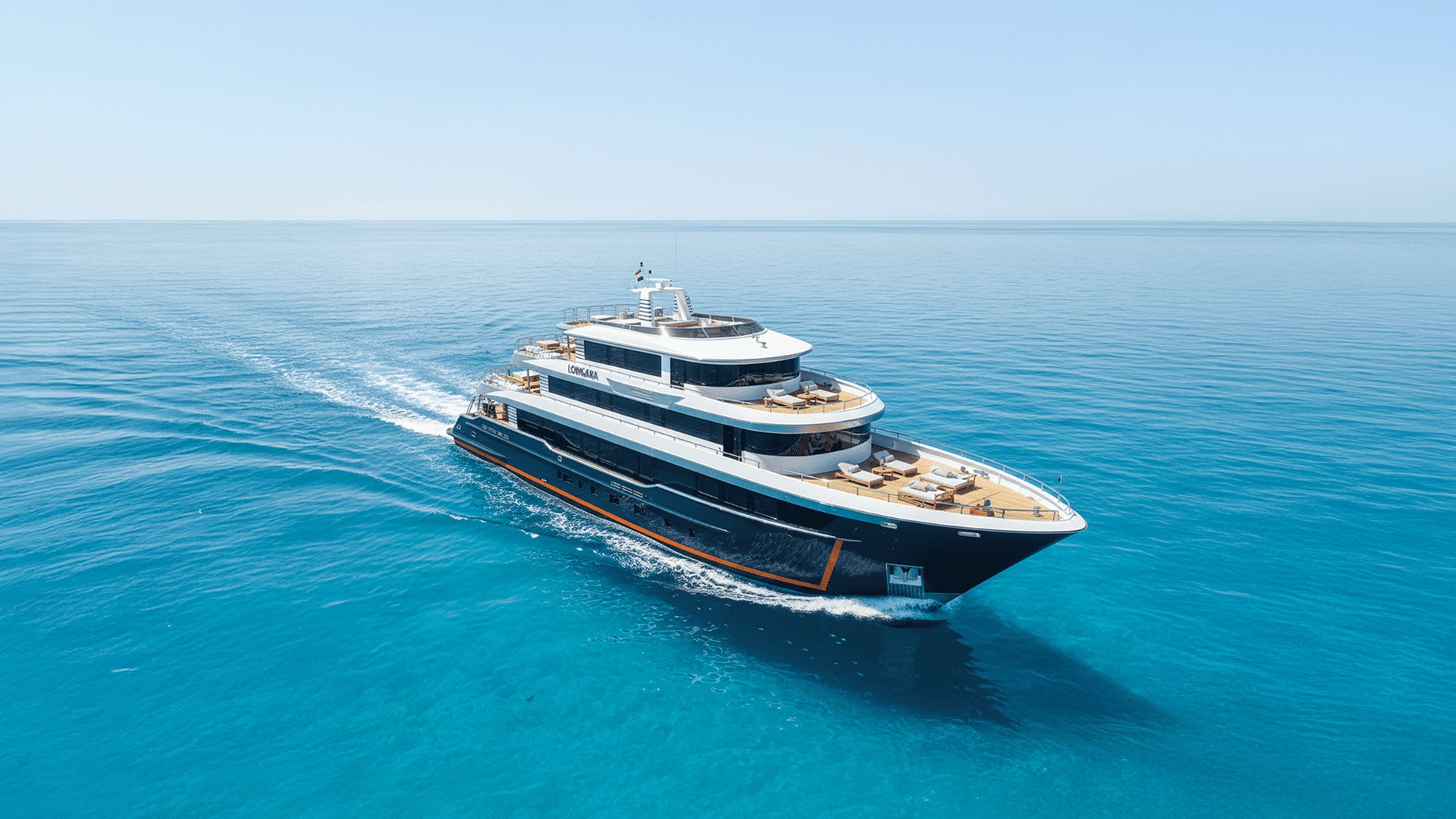
DUNE Longara
Egypt
30 guests
$148/day
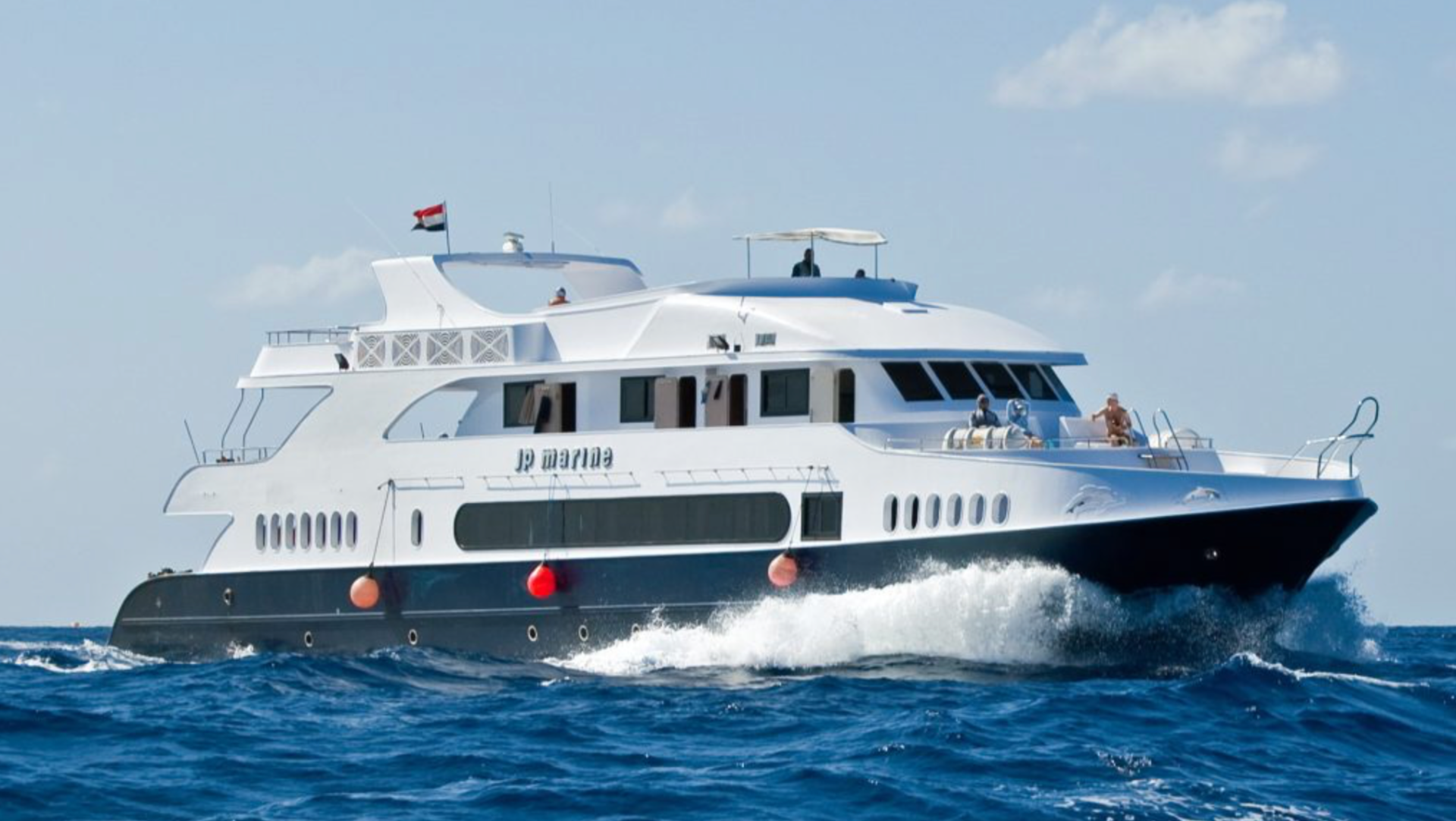
JP Marine
Egypt
28 guests
$108/day
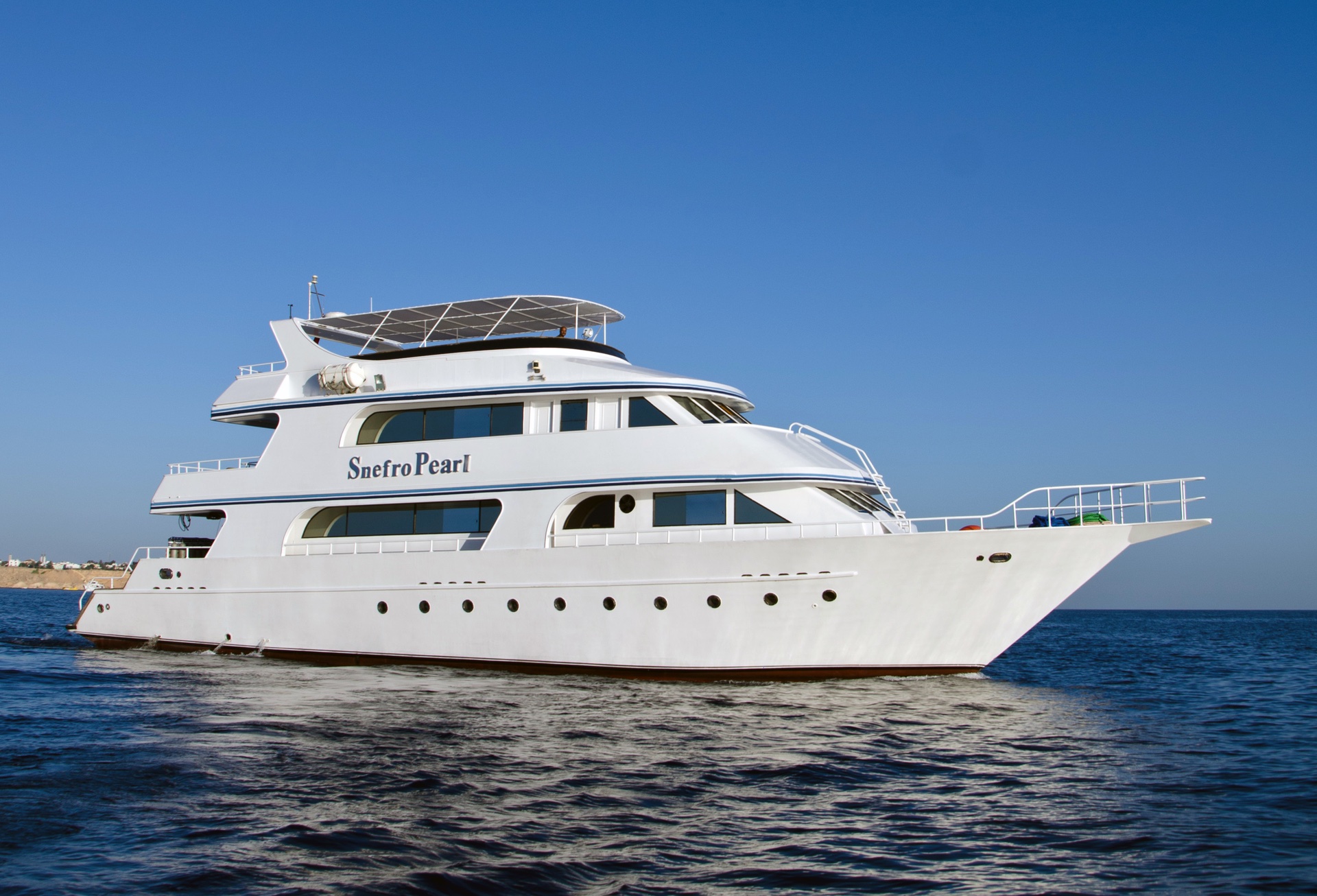
Snefro Pearl
Egypt
12 guests
$150/day
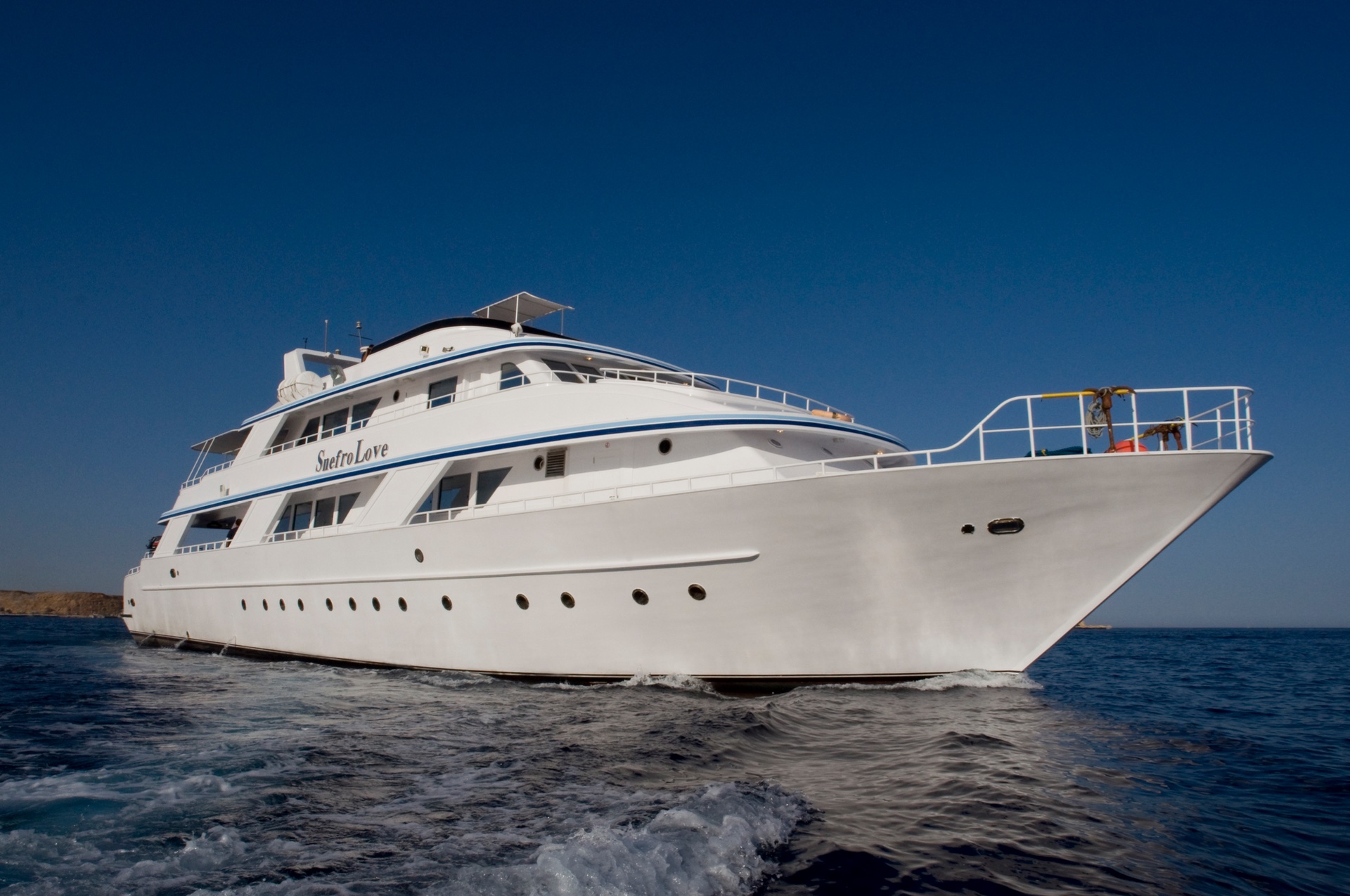
Snefro Love
Egypt
20 guests
$154/day
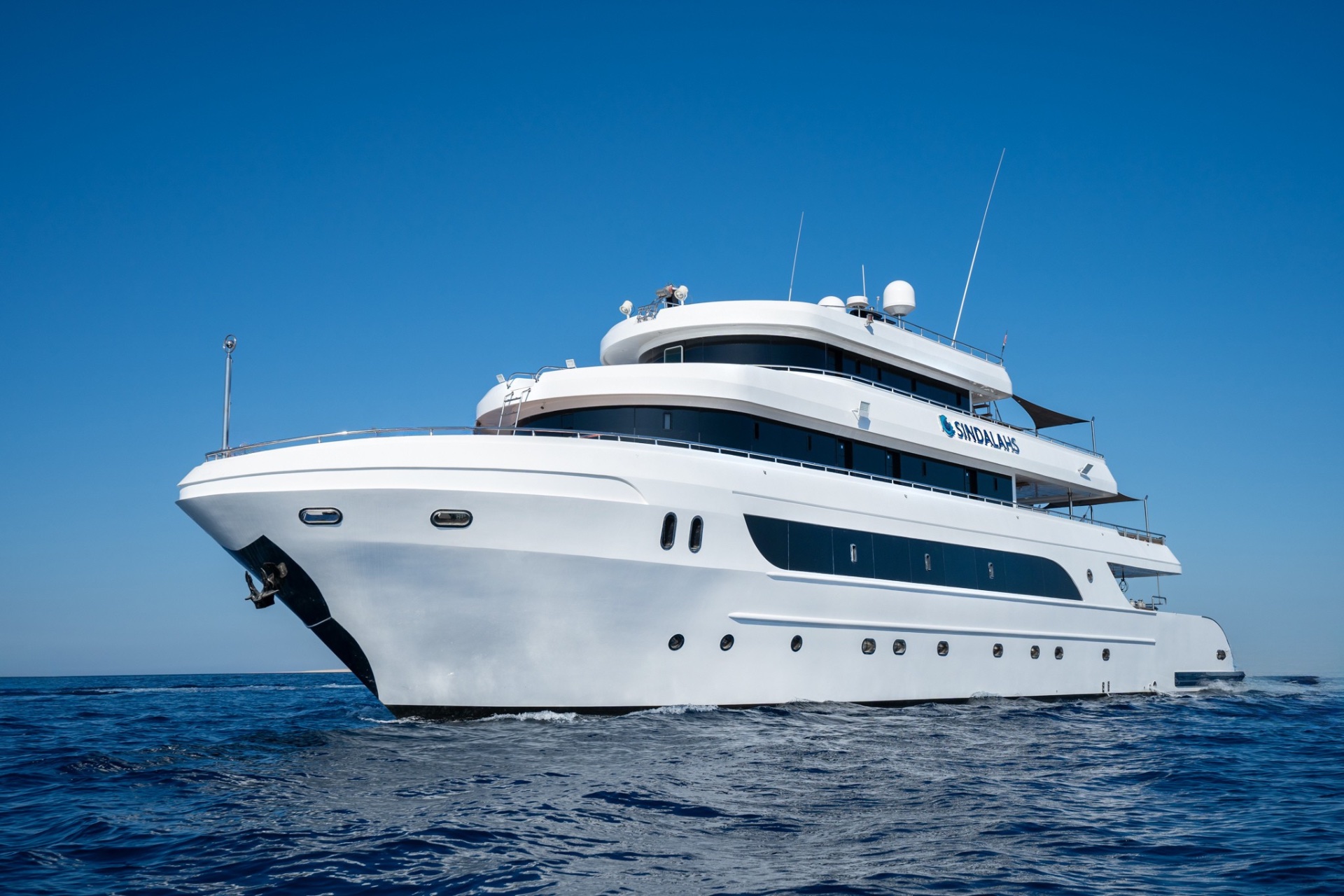
Sindalahs
Egypt
26 guests38 m
$155/day
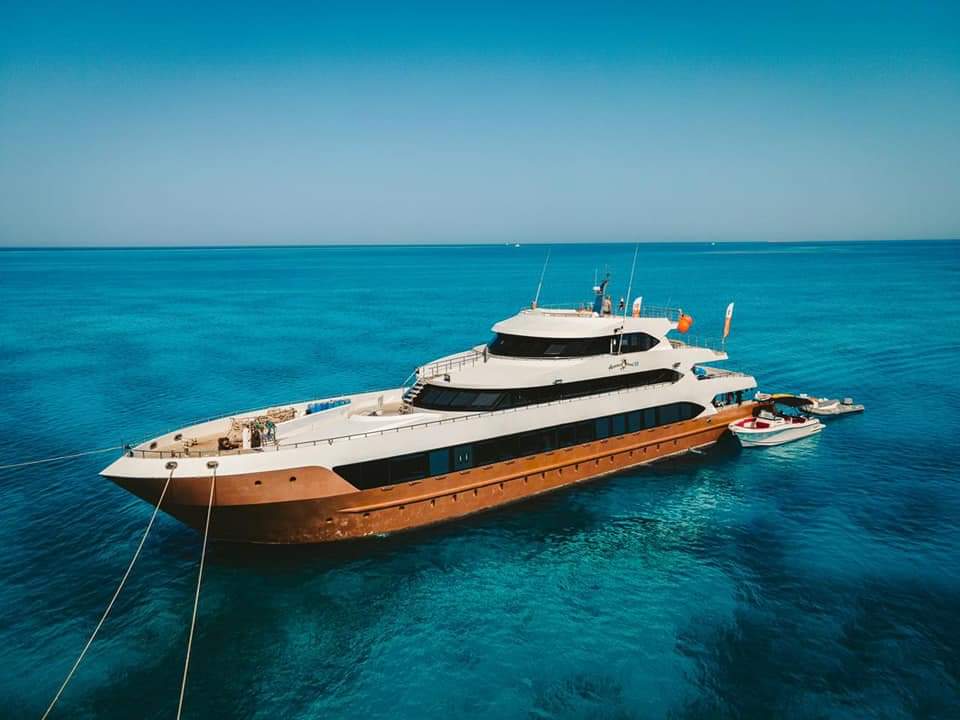
Hammerhead II
Egypt
20 guests
$171/day
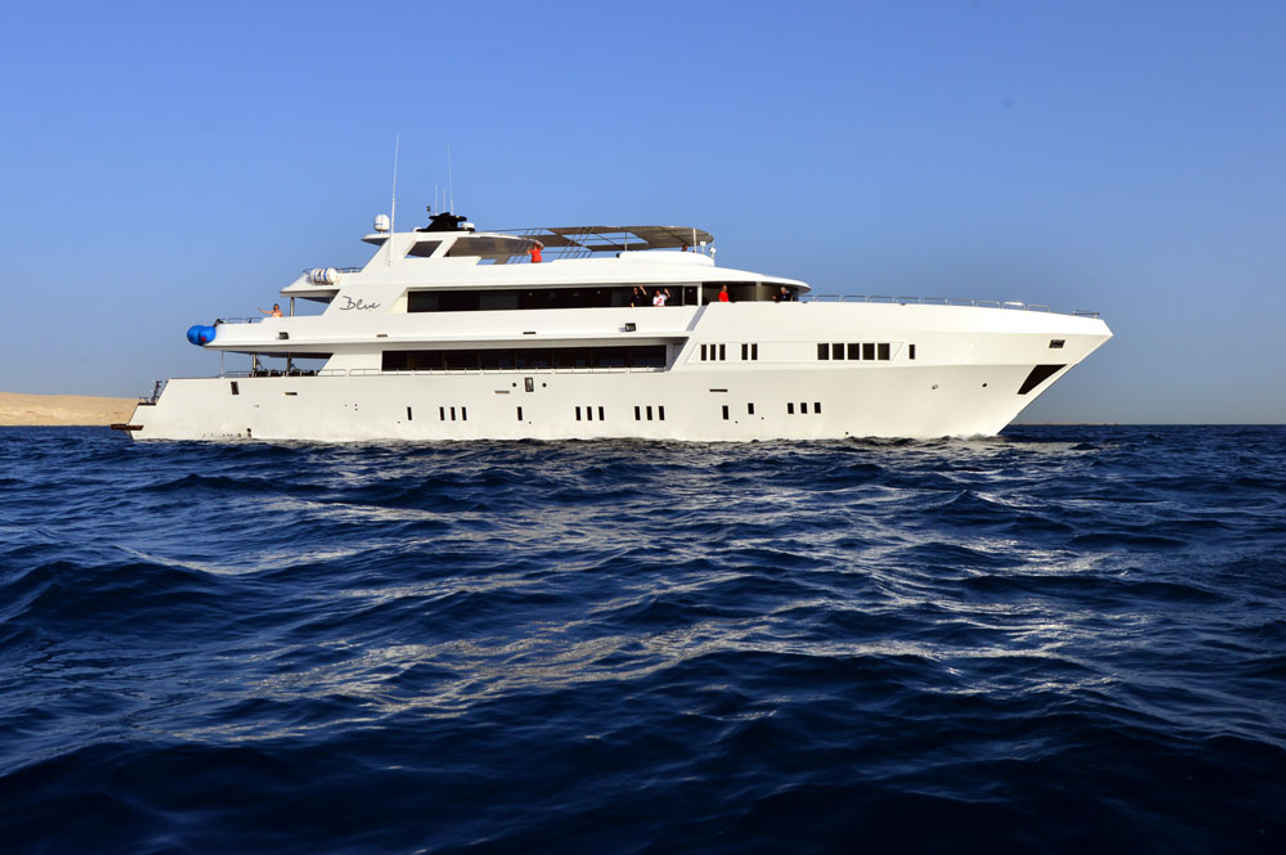
Blue Liveaboard
Egypt
24 guests43 m
$171/day
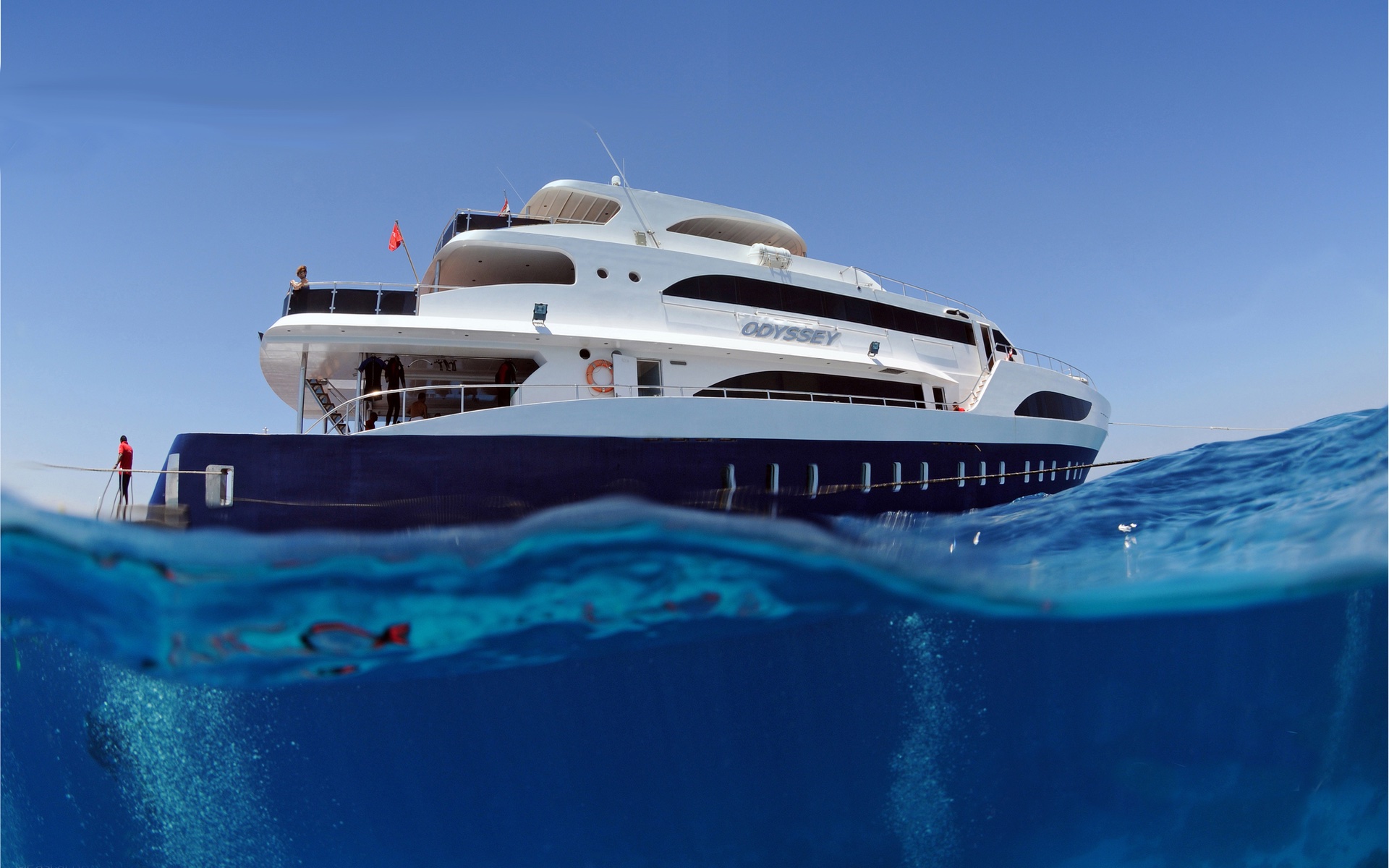
Odyssey
Egypt
26 guests40 m
$183/day
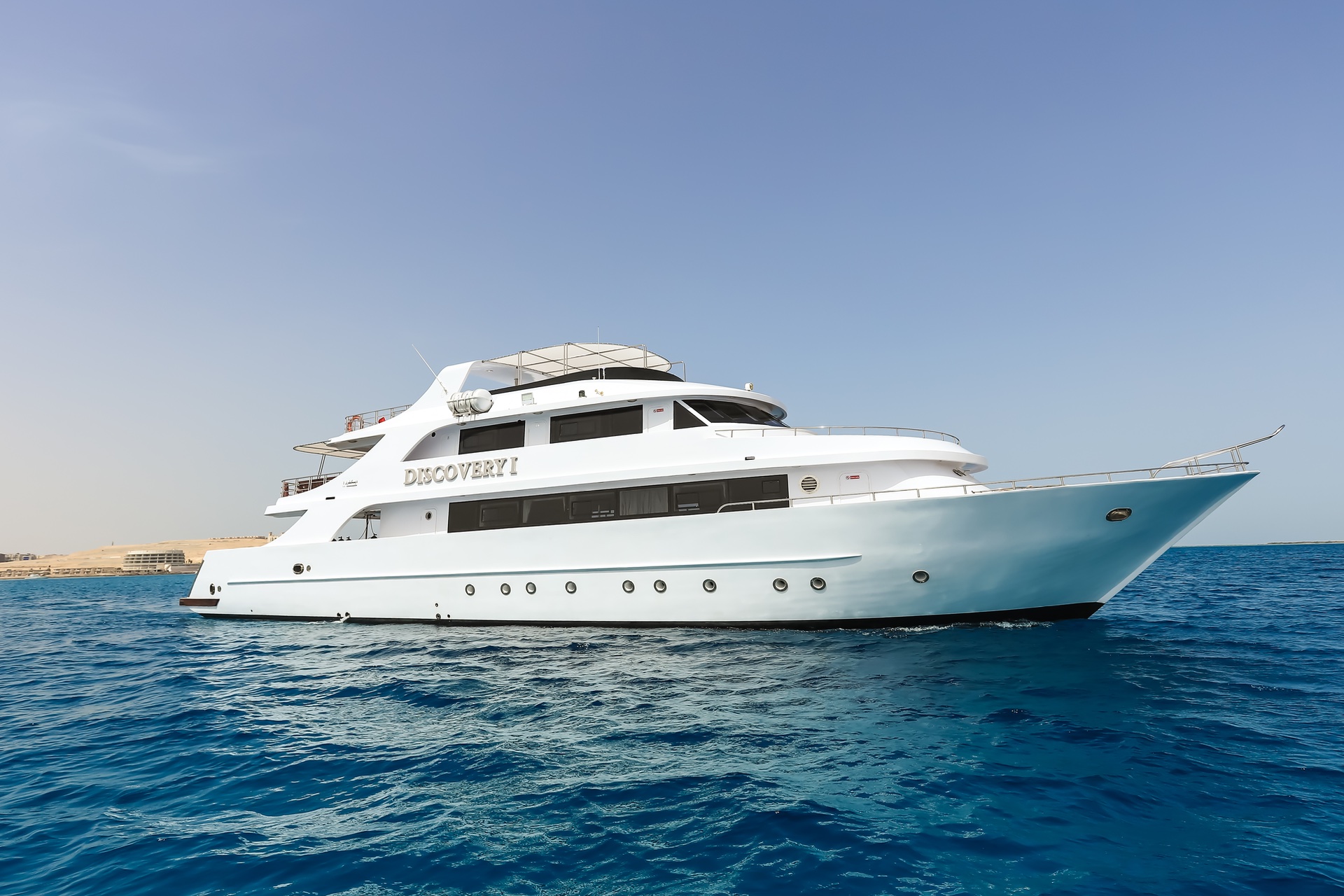
Discovery I
Egypt
20 guests
$103/day
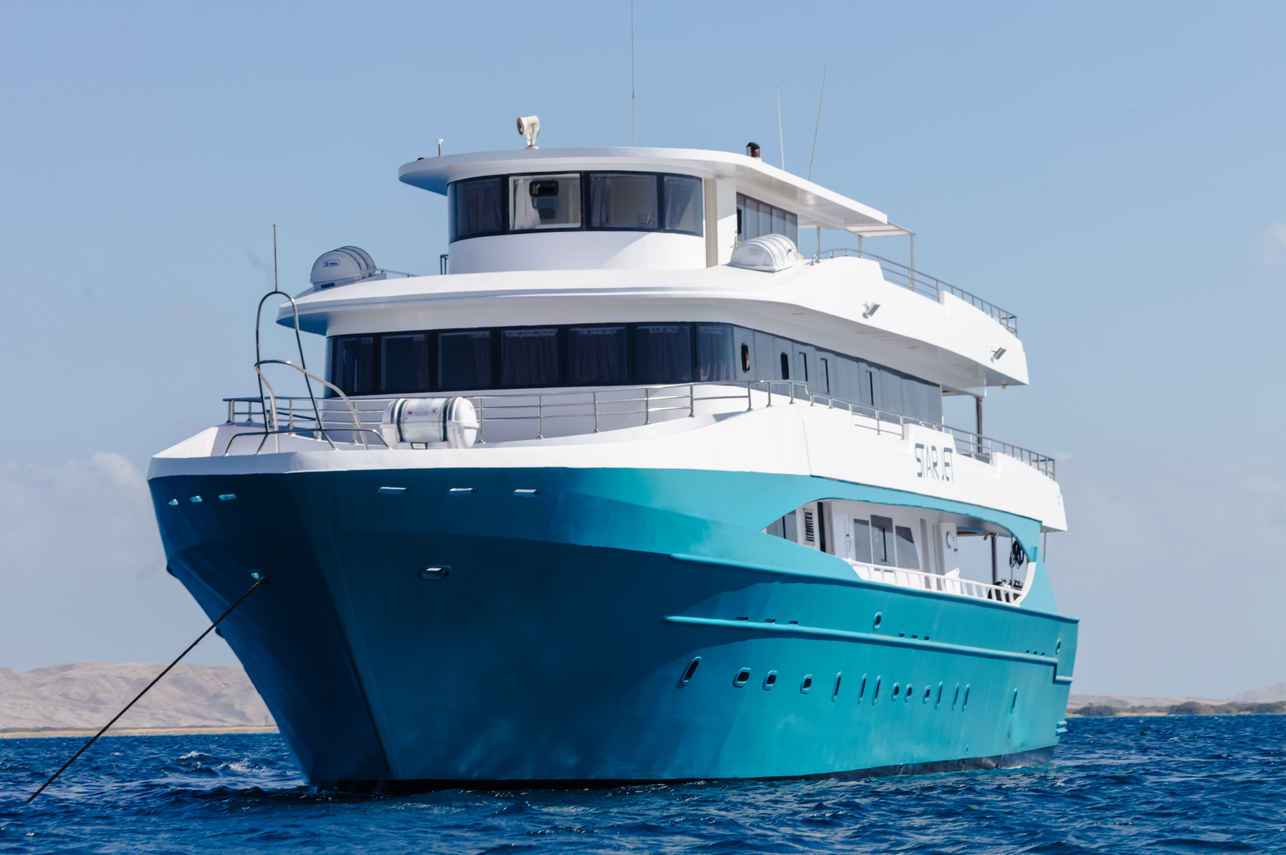
Star Jet
Egypt
28 guests35 m
$145/day
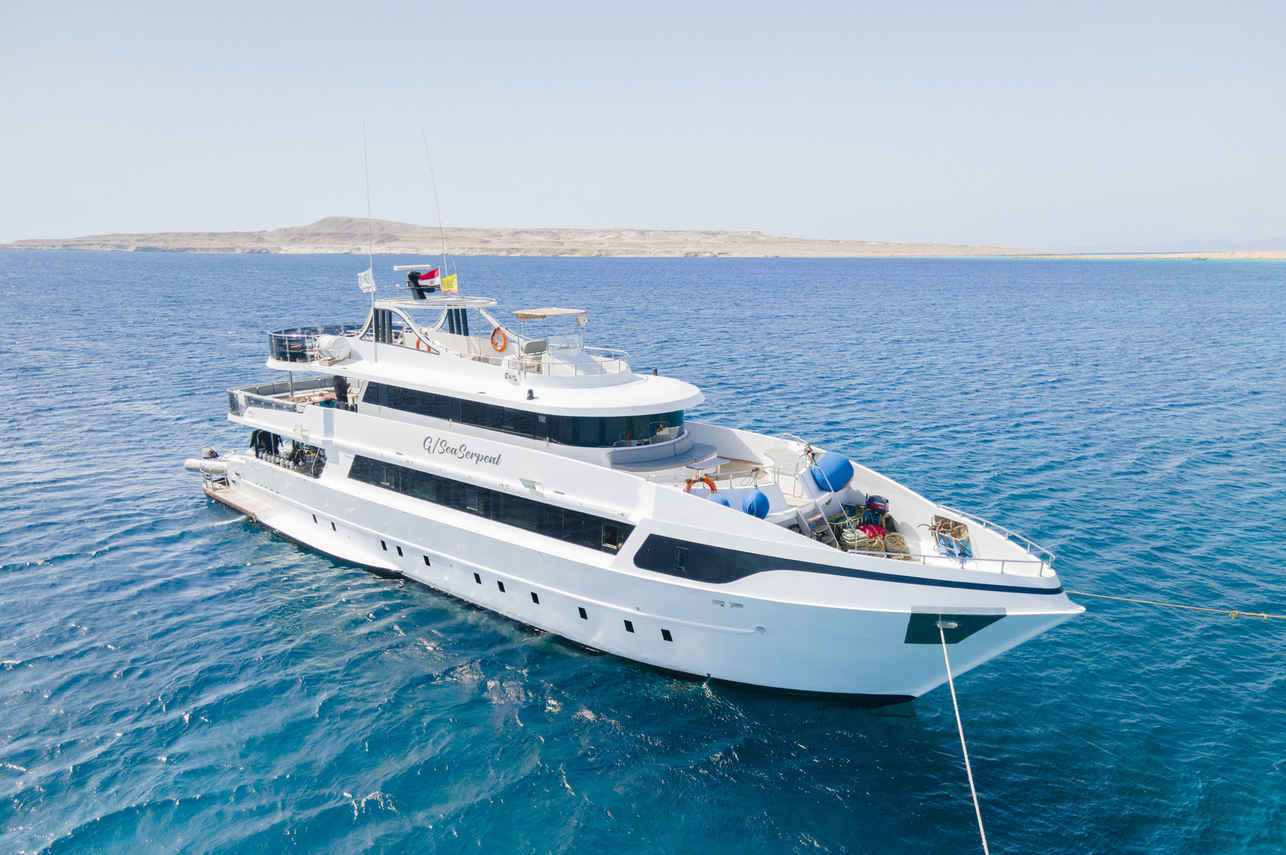
SS Serena Dreams
Egypt
18 guests33 m
$168/day
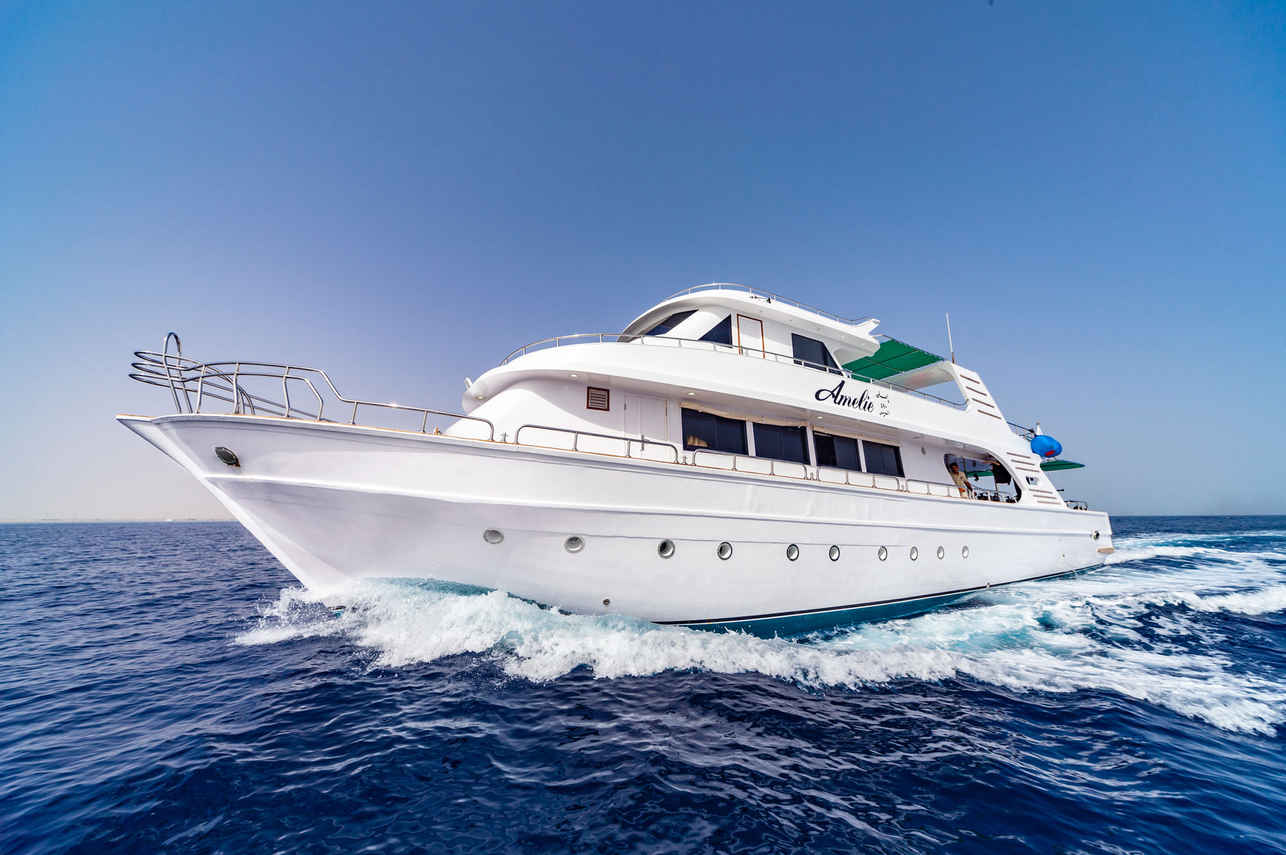
Amelie
Egypt
12 guests23 m
$115/day
Dive sites similar to Brothers Islands
Same character, same waters — six more sites divers love for the exact same reasons.Compare seasons, access and liveaboard routes — then pick the site that fits your trip best.
© Esri — Maxar, Earthstar, GIS
Carless Reef
Egypt
Carless Reef is a renowned advanced dive site near Hurghada, notable for its two prominent coral pinnacles that rise from a sandy bottom at 30 meters.
- Suitable for
- Advanced
- Current
- Strong
- Access
- Dayboat
- Depth
- 15–40 m
- Theme
- Reef / Drift
© Esri — Maxar, Earthstar, GIS
Cape Rouge
Djibouti
Cape Rouge is a notable dive site in Djibouti, known for its pristine underwater environment where the Red Sea meets the Indian Ocean.
- Suitable for
- Advanced
- Current
- Mild
- Access
- Liveaboard or dayboat
- Depth
- 15–40 m
- Theme
- Reef
© Esri — Maxar, Earthstar, GIS
Farasan Islands
Saudi Arabia
The Farasan Islands, situated in the southern Red Sea off the coast of Jazan, represent Saudi Arabia's premier destination for biodiverse diving.
- Suitable for
- Advanced
- Current
- Strong
- Access
- Liveaboard only
- Depth
- 10–40 m
- Theme
- Wall / Reef
© Esri — Maxar, Earthstar, GIS
Gota Soraya
Egypt
Gota Soraya stands out as one of the Red Sea's premier wall dives, located in the southern region near the Sudanese border.
- Suitable for
- Advanced
- Current
- Moderate
- Access
- Liveaboard only
- Depth
- ≤ 20 m
- Theme
- Wall
© Esri — Maxar, Earthstar, GIS
Umm Kharalim
Egypt
Umm Kharalim, also known as St. John's Caves, is a distinctive dive site nestled within the remote St. John's reef system in the southern Red Sea, close to Egypt's border with Sudan.
- Suitable for
- Advanced
- Current
- Strong
- Access
- Liveaboard only
- Depth
- 3–15 m
- Theme
- Cave & cavern
© Esri — Maxar, Earthstar, GIS
Marsa Abu Dabab
Egypt
Marsa Abu Dabab is a distinctive, horseshoe-shaped bay located on Egypt's southern Red Sea coast, approximately 35 kilometers north of Marsa Alam town.
- Suitable for
- Beginner
- Current
- Moderate
- Access
- Shore / dayboat
- Depth
- 2–20 m
- Theme
- Reef