
Aphrodite
Explore the Red Sea's wonders in comfort and style.
- Individually controlled AC
- En-suite bathrooms
- Mini-bar
5.0(27 reviews)
23 guestsfrom $198/day

 Free dive insuranceincluded with every booking
Explore the Red Sea's wonders in comfort and style.
5.0(27 reviews)
Explore the Red Sea with AVO: Confirmed weekly voyages with ENOS safety and Nitrox included.
5.0(9 reviews)
Explore the Red Sea's wonders in comfort and style aboard the Sindalahs.
5.0(33 reviews)
Dive into the Red Sea's wonders aboard a boutique liveaboard.
5.0(63 reviews)
Access the Red Sea's underwater sites from a well-appointed liveaboard.
5.0(89 reviews)
Brothers, Daedalus and Elphinstone — the BDE route, also called the Golden Triangle — is the offshore heart of the Egyptian Red Sea. Three reef systems rise from water more than 800 m deep, 30 to 70 nautical miles from the coast, with nothing around them. Everything that swims in the open sea has to pass them, which is why this is the most reliable shark diving in the region.
Big Brother and Little Brother sit 67 nm off El Quseir. Big Brother carries two of the finest wrecks in the Red Sea: the Numidia, draped across the north point from 10 m into the dark, and the Aida at 30–60 m. Little Brother is a single soft-coral wall with thresher sharks at the cleaning stations and grey reef sharks patrolling the drop-off.
Daedalus Reef is a lone platform with a British lighthouse in the middle of the sea. Its northern plateau produces the Red Sea's best scalloped hammerhead schools between June and August, while the south and east walls hold anemone cities and, in autumn, oceanic whitetips.
Elphinstone is a 300 m long reef with two plateaus off Marsa Alam, and the single most famous longimanus site in Egypt. All three are marine parks: the season runs roughly from mid-March to mid-November, permits are limited and conditions are serious — blue-water descents, current and no shelter if the wind gets up.
One sea, three completely different underwater worlds. Pick the route that matches your experience and the animals you dream of meeting — every itinerary writes its own story.
 Liveaboards in the Northern Red Sea
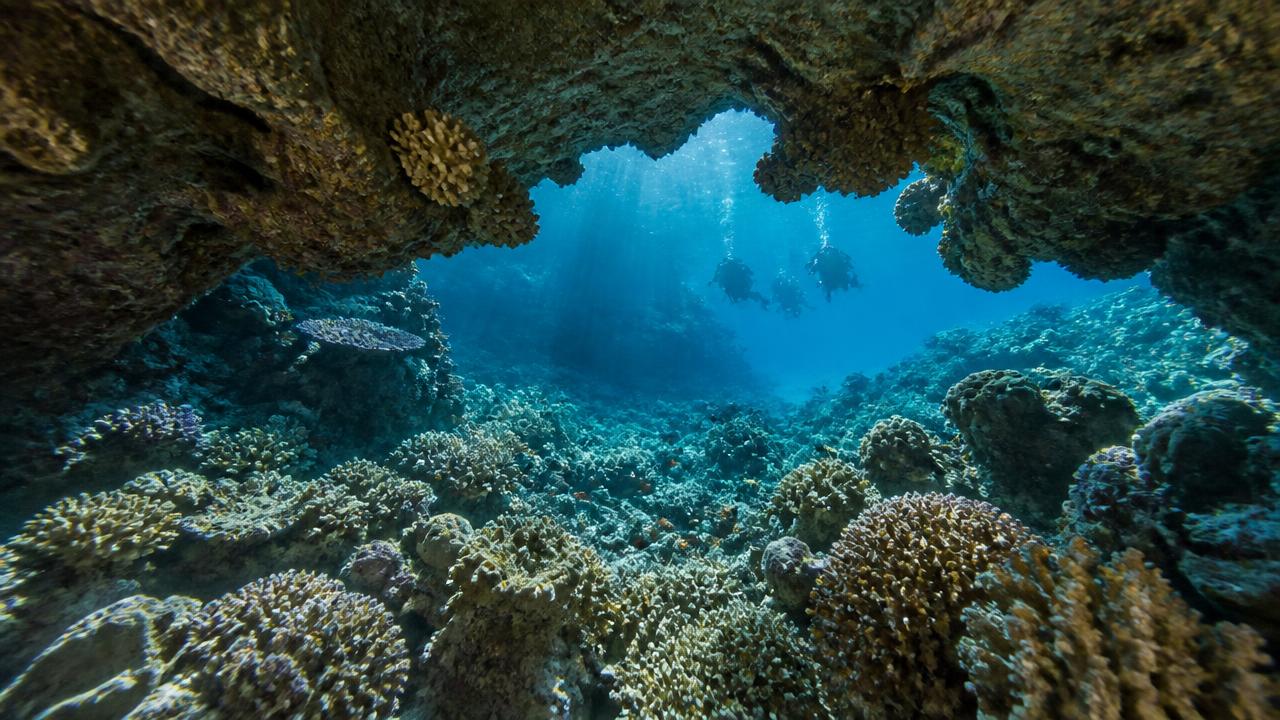 Liveaboards in the Deep South Red Sea
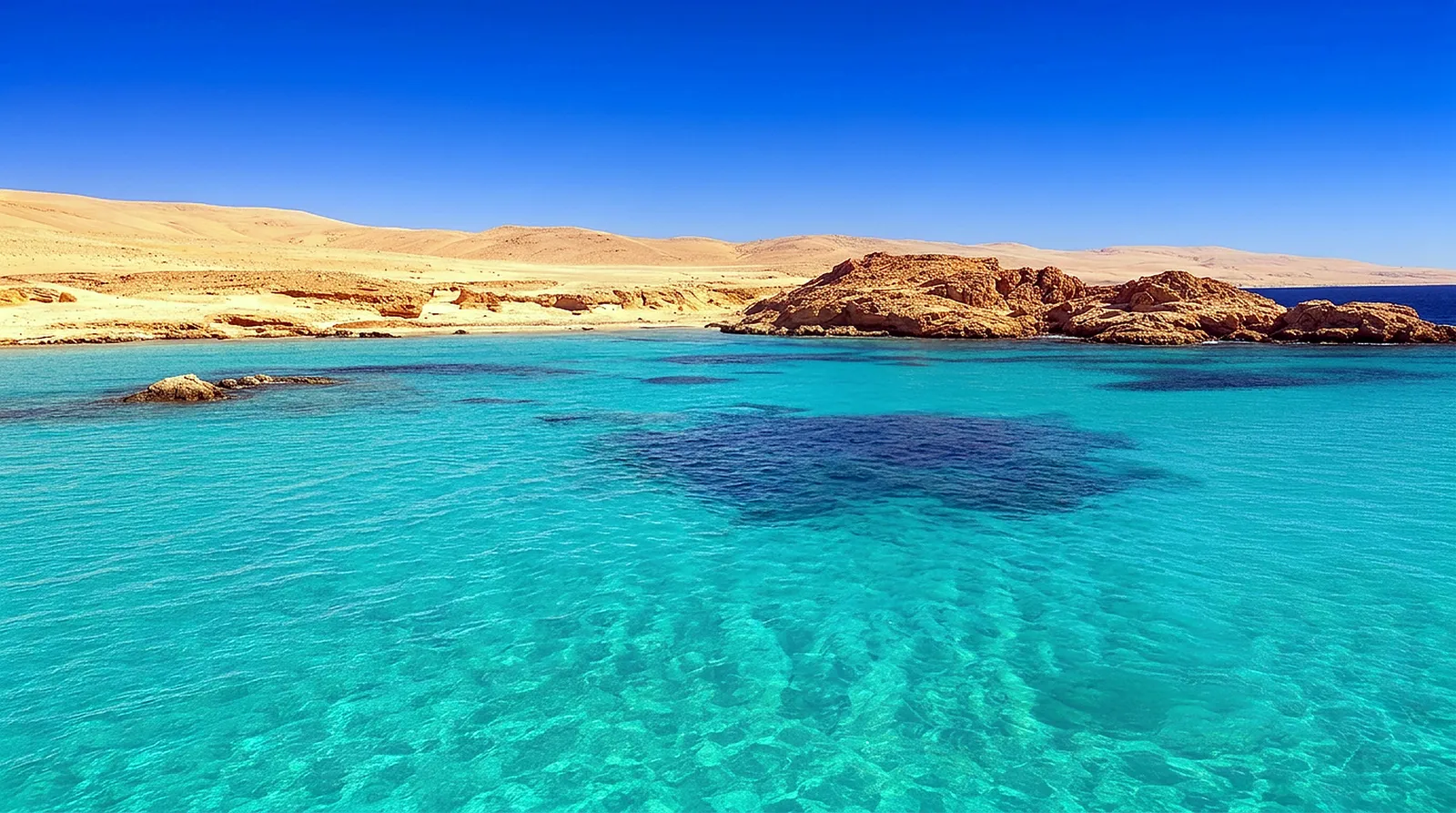 Liveaboards in Egypt
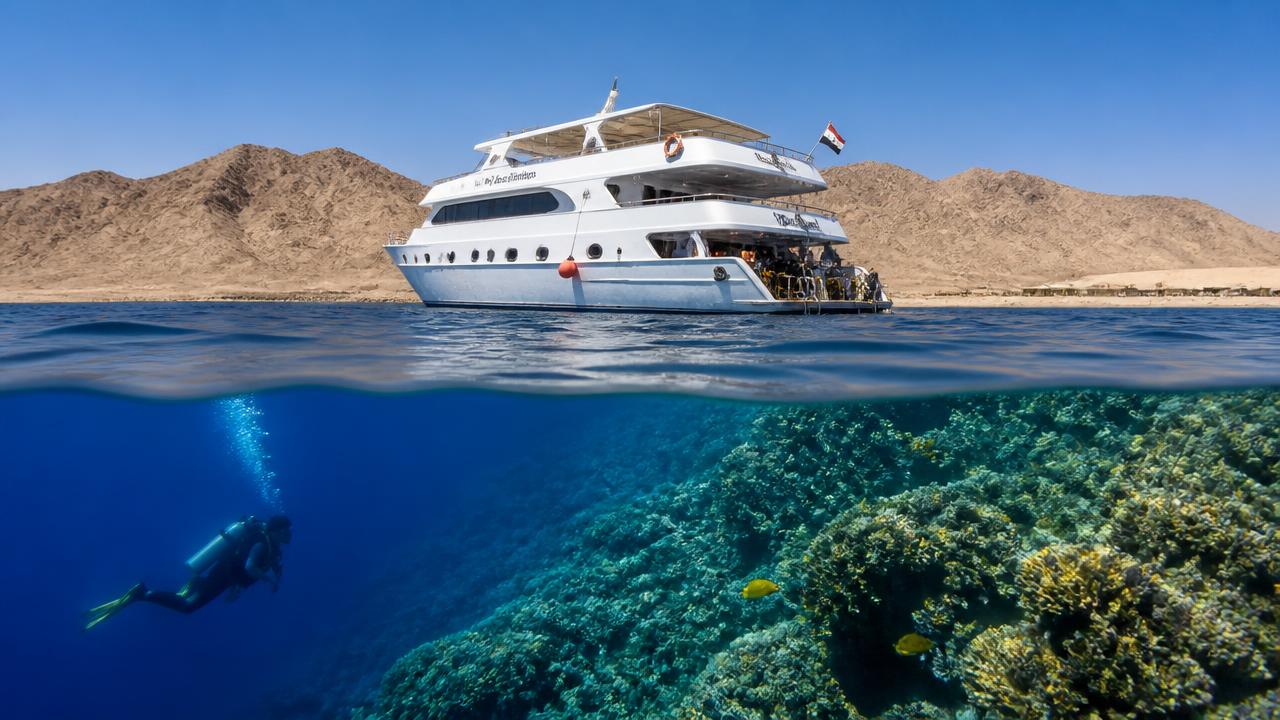 Liveaboards in the Red Sea
This is the route experienced Red Sea divers save for. Steep walls, open ocean and predictable big-animal encounters — here is what makes the Golden Triangle worth the extra logged dives.
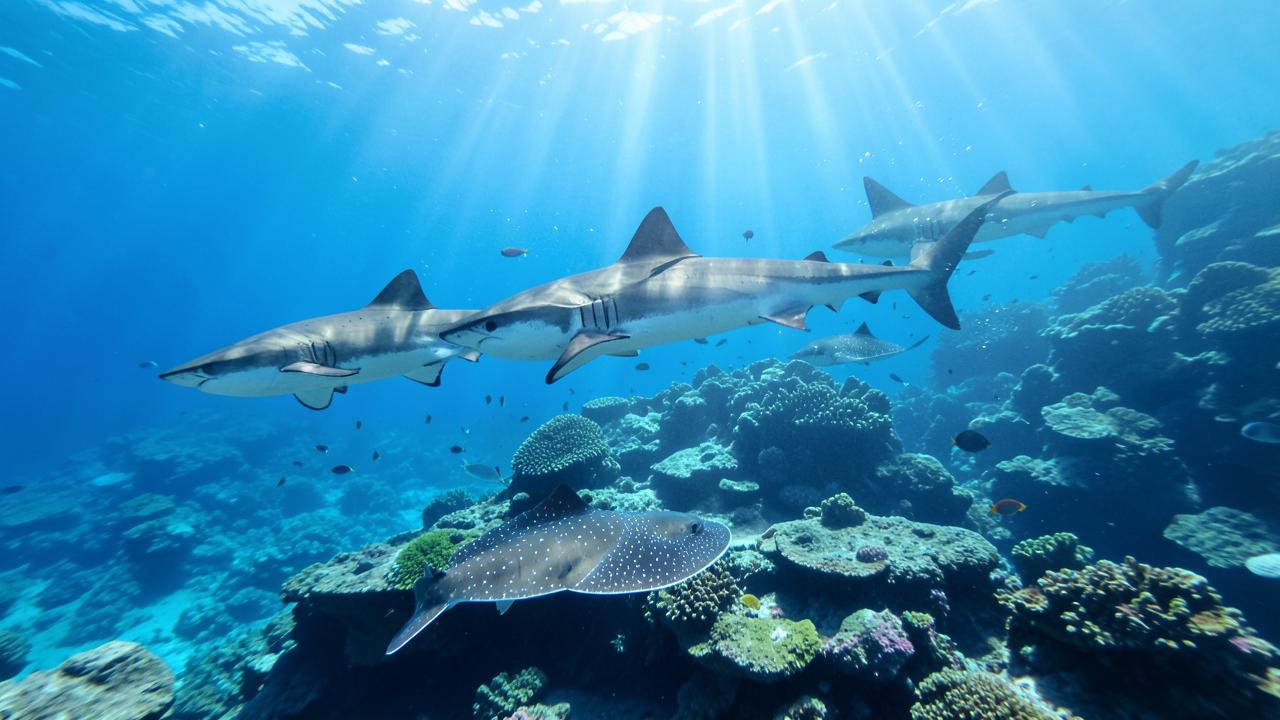
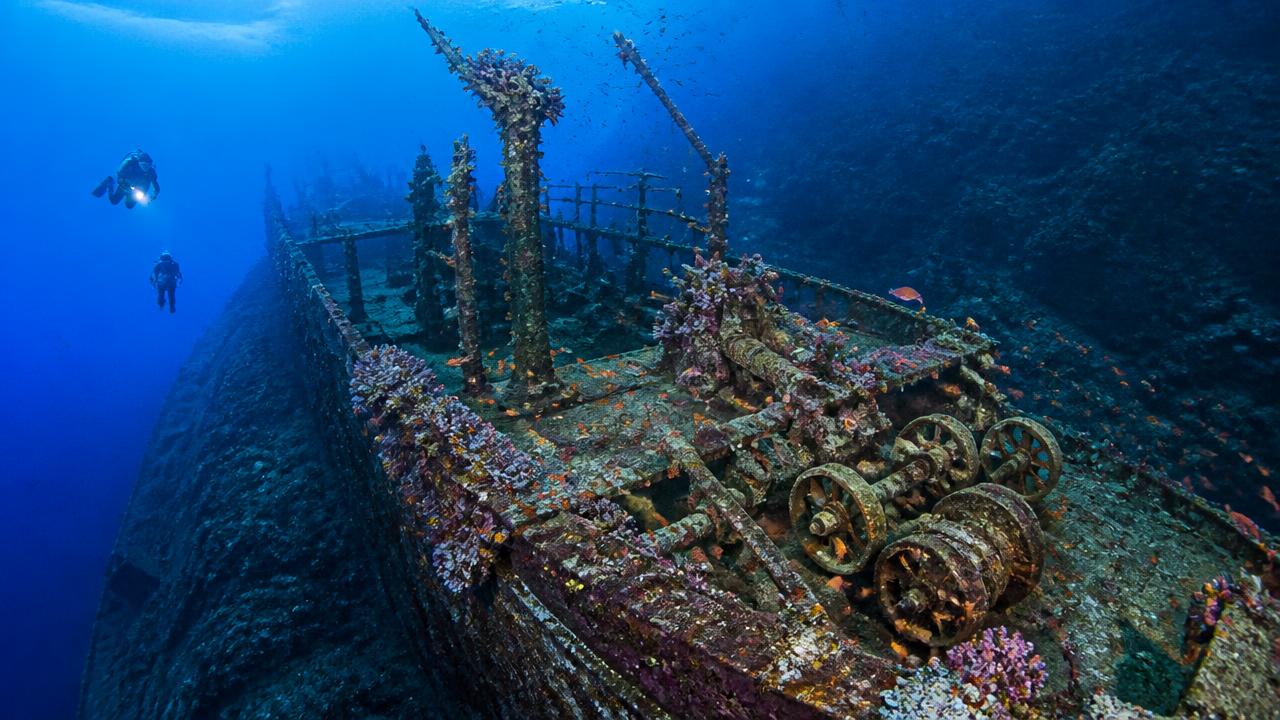

From June to August, scalloped hammerheads gather over the northern plateau of Daedalus in the first hour of daylight. Nowhere else in the Red Sea are the odds this good.
From late October the famous longimanus patrol the plateaus and hang under the boat between dives — a slow, curious, eye-to-eye encounter divers travel the world for.
Big Brother carries two wrecks on one wall. The Numidia runs from 10 m into the deep with railway wheels still in place; the Aida is a technical dive at 30–60 m, both covered in soft coral.
Early-morning cleaning-station encounters with thresher sharks, plus grey reef sharks on the drop-off and one of the most colourful soft-coral walls in Egypt.
These reefs stand alone in 800 m of water. Every dive starts in the blue, visibility often exceeds 30 m, and the pelagic traffic — tuna, trevally, sharks, mantas — never stops.
Marine-park permits cap how many boats moor here and the season is closed in winter. That is why the corals are healthy and the sharks still show up on schedule.
Three ways to dive the Golden Triangle. They differ in how much time you get offshore and whether wrecks or sharks lead the week.
Numidia & Aida wrecks, Daedalus plateaus, Elphinstone north and south
blue-water walls, strong current, no shelter
Mid-March to mid-November; hammerheads June–August, longimanus October–November
Thistlegorm, Abu Nuhas plus Big and Little Brother
sheltered wreck days, one exposed offshore leg
May–July and October–November
Elphinstone, Daedalus, Fury Shoals and the southern coral gardens
offshore days mixed with sheltered reefs
March–May and September–November
This is the one Red Sea route where operators genuinely turn divers away. Certification and logbook are checked at boarding, and a check dive on day one is standard.
| Route | Certification | Logged dives | Conditions | Gear |
|---|---|---|---|---|
| Full BDE route | Advanced Open Water — required, deep speciality helpful | 50 logged dives minimum; several boats ask 100 for Daedalus | Offshore walls, blue-water descents, strong and shifting current, negative entries, no shelter | DSMB mandatory, nitrox strongly recommended, torch for the wrecks |
| Brothers & Northern Wrecks | Advanced Open Water | 40–50 logged dives | Sheltered wreck days plus one exposed offshore leg with current | DSMB mandatory, nitrox recommended |
| Elphinstone, Daedalus & the South | Advanced Open Water recommended | 30–50 logged dives | Offshore plateaus mixed with sheltered coral gardens, moderate to strong current | DSMB, nitrox recommended |
Marine-park rules are strict: no gloves, no reef hooks, no touching, and diving on the Elphinstone arch is banned. Every diver carries a surface marker buoy — currents here can push you off the reef in seconds, and the nearest land is 60 nautical miles away.
Six sites decide the whole week out here. Each one has its own page with depths, conditions and the boats that go there.
Unlike the sheltered north, the offshore reefs have a real season. Marine-park moorings are usually accessible from mid-March to mid-November, and the animals split the calendar between them.
Dec–Feb
21–24 °COff-season. Wind and swell keep most boats away; a few winter departures reach Elphinstone only in calm weather.
Mar–May
23–26 °CSeason opens. Calm seas, mantas and grey reef sharks, fewer boats on the moorings than in autumn.
Jun–Aug
27–30 °CHammerhead season at Daedalus and Brothers. Hot, calm and the busiest window of the year.
Sep–Nov
26–28 °CThe best visibility plus oceanic whitetips from late October. The classic BDE window — book early.
There is no shelter out here. If the north wind builds, skippers reroute to coastal reefs and drop Daedalus first, then Brothers — that is normal, not a failure of the operator. Nitrox makes three to four deep blue-water dives a day far more comfortable.
On the offshore reefs the month decides the animal. Pick your window before you pick your boat — every name links to a full species profile with photos, behaviour and the sites where it lives.
These windows come from years of sighting patterns across the fleet. Nature keeps no fixed schedule, but choosing your month with this table raises the odds dramatically.
Offshore itineraries leave from the central and southern Egyptian marinas — the crossing to Brothers or Daedalus is done overnight.
Port Ghalib (Marsa Alam)
The main BDE port. Marsa Alam airport is 15 minutes away, and Elphinstone lies only a few miles offshore from here.
Hurghada
Used for routes that combine the northern wrecks with the Brothers. Expect a long overnight crossing to the offshore reefs.
Marsa Alam / Hamata
Southern departures that pair Elphinstone and Daedalus with the Fury Shoals reefs on the way home.
Safaga
Occasional Brothers departures; roughly one hour by road from Hurghada airport.
All three reefs sit inside Egyptian marine parks. Park fees are collected on board in cash, permits are limited per boat and per week, and skippers may reorder the itinerary at short notice if the wind closes a mooring.
Real numbers instead of guesswork: these are the current starting prices per day, taken live from the bookable departures in our system — the same basis you see on every boat card across the site.
Brothers, Daedalus & Elphinstone
Marine-park fees, long crossings and limited permits put this route above the Egyptian average.
Northern Red Sea (wrecks & reefs)
The cheaper comparison: sheltered wreck diving with weekly departures out of Hurghada.
Deep South (St. John's & Sataya)
Similar price level, different diving — remote coral gardens instead of open-ocean walls.
Egypt (whole fleet)
The entry price across every Egyptian route, for a quick sanity check on any offer.
The week is full board: cabin, all meals, water, coffee and tea, three to four dives a day, tanks, weights and a dive guide are included in the trip price.
Budget extra for marine-park and port fees (paid on board, higher than on northern routes), nitrox fills, rental gear, soft drinks and alcohol, and the crew tip — customarily five to ten percent. Flights and pre-cruise hotel nights are never included.
The hammerhead weeks in June–August and the longimanus weeks from late October are the two windows that sell out a year ahead. March–May offers the same reefs, calmer moorings and noticeably lower prices.
The calendar below shows how liveaboard prices shift month by month, so you can see exactly when your money goes furthest. We want every diver to get the best possible value, which is why we highlight the seasons that balance great conditions with the fairest rates.
$90–$185
per day liveaboard
Prices reflect typical costs for mid-range to premium options. Budget alternatives may be available.
Compare the Golden Triangle with the other Egyptian route families, or explore the main liveaboard countries around the Red Sea — including Djibouti's whale-shark season and Saudi Arabia's emerging coast.
EgyptVisas, airports, ports and the complete Egyptian fleet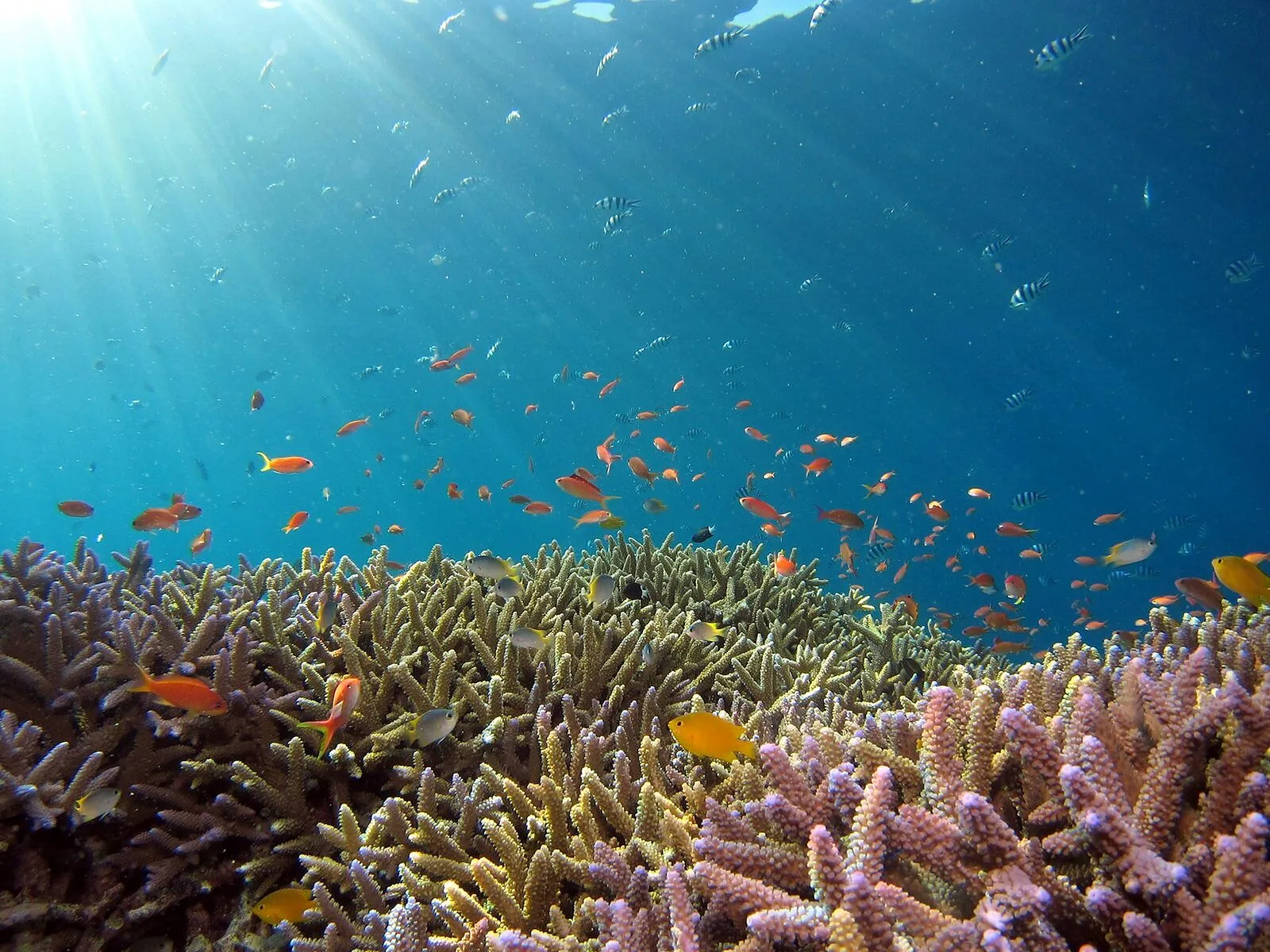 DjiboutiWhale-shark season in the Gulf of Tadjoura, Oct–Feb
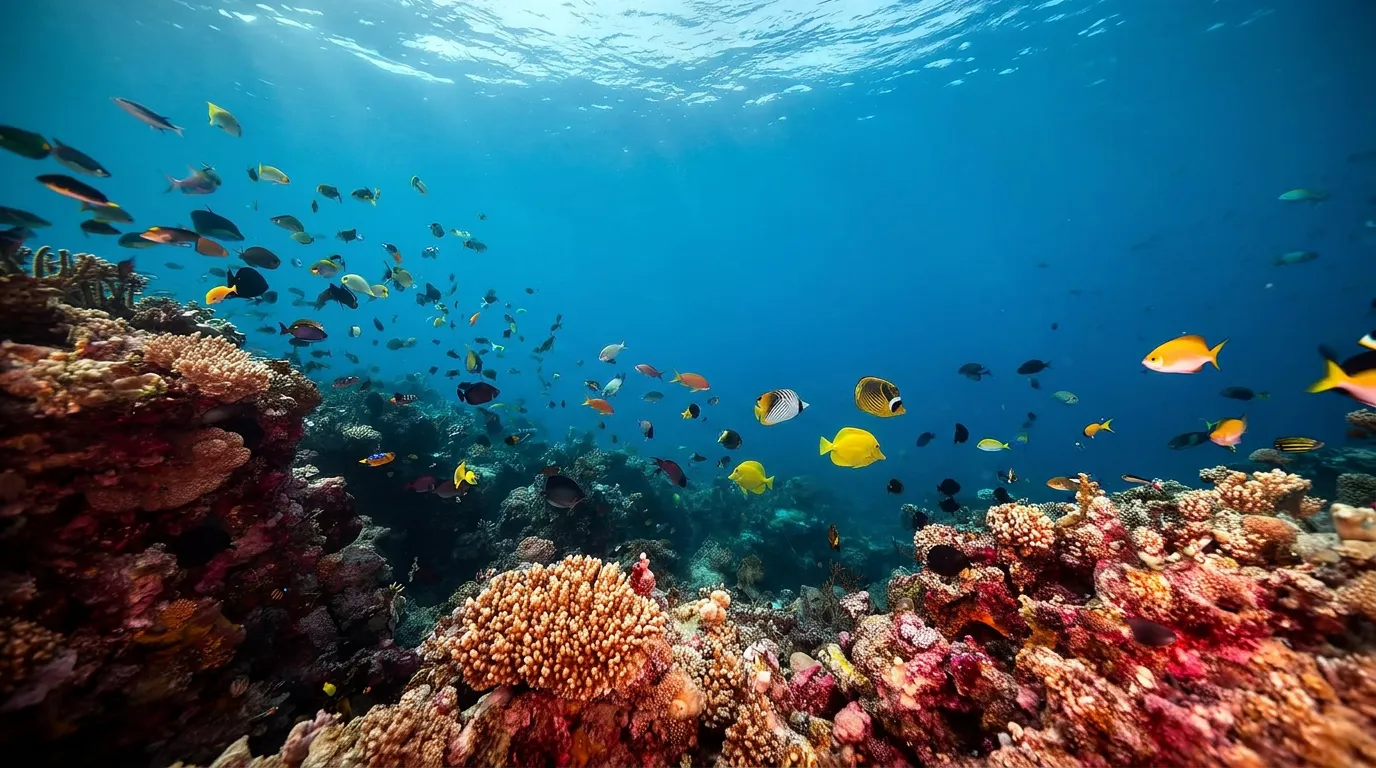 Saudi ArabiaThe newest Red Sea coast — few boats, unexplored reefsRed SeaThe whole sea: all routes, seasons and countries in one overviewNorthern Red SeaThistlegorm, Abu Nuhas and Ras Mohammed — the classic wreck weekDeep South Red SeaSt. John's, Fury Shoals and Sataya — pristine coral, few boats
Explore our expedition vessels and find your perfect trip to Brothers, Daedalus & Elphinstone


