
 Free dive insuranceincluded with every booking
Liveaboards in the Red Sea
Red Sea liveaboard routes, seasons & prices
Diving in the Red Sea
The Red Sea is a 2,250 km long rift between Africa and Arabia, a young, almost enclosed ocean with barely any river inflow. That is why the water is unusually salty (around 40 ‰), warm all year and famously clear: 20–30 m visibility is normal, and on the offshore reefs 40 m happens regularly. Reefs here grow straight from deep water, so a wall can drop from the surface to 300 m within a single fin kick.
Almost 20 % of its roughly 1,200 fish species live nowhere else. Because the sea is narrow, the same trip can combine sheer walls, coral gardens and world-class wrecks with pelagic action, oceanic whitetips, hammerhead schools, grey reef sharks, thresher sharks and, in the far south, dolphins and dugongs.
Diving happens almost entirely from liveaboards. Most highlight reefs sit 20–70 nautical miles offshore, far beyond day-boat range, and the boats sail overnight so you dive three to four times a day on sites nobody else reaches.
The Red Sea touches Egypt, Saudi Arabia, Djibouti, Eritrea, Israel and Jordan. Egypt runs by far the largest liveaboard fleet, and Djibouti's whale-shark season belongs to the same body of water, so it is covered here rather than on a single country page.
Regions & routes
One sea, three completely different underwater worlds. Pick the route that matches your experience and the animals you dream of meeting, every itinerary writes its own story.


Top reasons to dive the Red Sea
Ask ten Red Sea veterans why they keep coming back and you will hear the same answers. Here is what makes this narrow strip of water between Africa and Arabia one of the best liveaboard destinations on the planet.


Sharks you actually see
Oceanic whitetips circling under the boat at Daedalus and Elphinstone, hammerhead schools off the northern plateau, grey reef sharks on the southern walls, the Red Sea delivers reliable big-animal encounters, not lottery tickets.
The most famous wreck in the world
The SS Thistlegorm sank in 1941 loaded with motorbikes, trucks, rifles and two locomotives. Add the four freighters of Abu Nuhas and you have a wreck itinerary with no equal anywhere else on Earth.
Visibility that ruins other destinations
With no rivers flowing in, the water stays gin-clear. Thirty metres of visibility is a normal day, on the offshore reefs you can watch a shark approach from forty metres away.
Walls, gardens and coral in perfect health
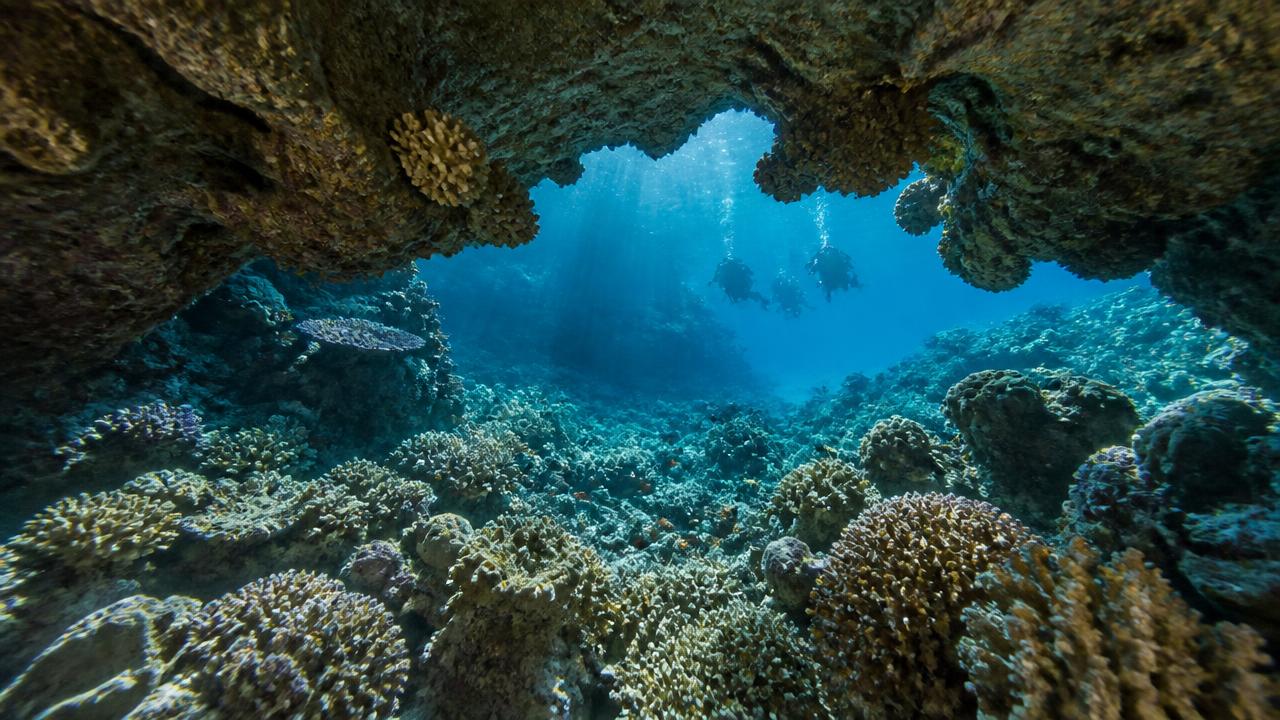
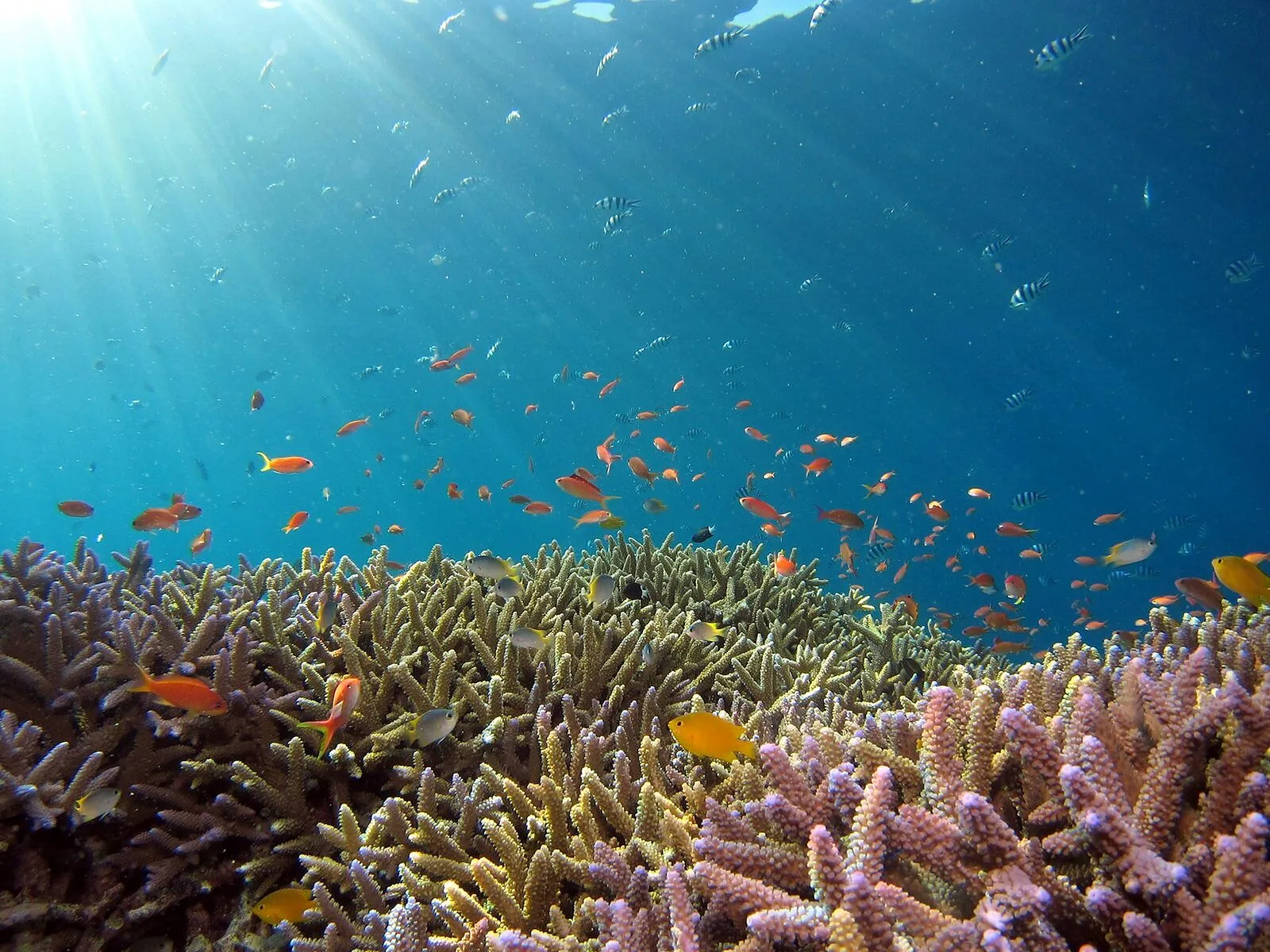
Red Sea corals tolerate heat better than almost any reef system in the world. Vertical walls drop hundreds of metres, while shallow gardens like Fury Shoals explode with hard coral in aquarium colours.
Diveable all year round
Water between 21 °C in winter and 30 °C in summer, sun on more than 300 days a year and flights of just four to five hours from central Europe make the Red Sea the closest tropical diving there is.
Real value for money
A week on a Red Sea liveaboard with full board and up to four dives a day often costs less than a single dive-day package elsewhere, the best price-to-quality ratio in liveaboard diving.
The routes compared
Three classic Egyptian route families plus the cross-border options. Choose by experience level and by the animals you want to meet.
Northern Red Sea
SS Thistlegorm, Abu Nuhas, Ras Mohammed, Straits of Tiran
sheltered, mostly shallow, some current
All year; best March–May and September–November
Brothers, Daedalus & Elphinstone
Two Brothers wrecks, Daedalus plateau, Elphinstone oceanic walls
blue-water walls, strong current, no shelter
May–July and October–November; hammerheads peak June–August
Deep South Red Sea
St. John's, Fury Shoals, Zabargad, Sataya dolphins
long crossings, remote, few boats
March–May and September–November; calmest in spring and autumn
Requirements & experience per route
The question every first-timer asks: am I ready for this trip? Here is what operators actually expect on each route family, certification, logged dives and the conditions you will meet underwater.
| Route | Certification | Logged dives | Conditions | Gear |
|---|---|---|---|---|
| Northern Red Sea | Open Water Diver (PADI, SSI, CMAS …) | Around 20 logged dives recommended | Sheltered reefs and wrecks at 12–30 m, mild to moderate current, short crossings | 3–5 mm suit; nitrox recommended but optional |
| Brothers, Daedalus & Elphinstone | Advanced Open Water, most operators insist | 50 logged dives minimum, some boats ask 100 for Daedalus | Offshore walls, blue-water descents, strong and unpredictable current, possible negative entries | DSMB mandatory; nitrox strongly recommended |
| Deep South Red Sea | Advanced Open Water recommended | 30–50 logged dives | Remote reefs, long overnight crossings, caves and swim-throughs, moderate current | DSMB; nitrox recommended |
Northern Red Sea
- Certification:
- Open Water Diver (PADI, SSI, CMAS …)
- Logged dives:
- Around 20 logged dives recommended
- Conditions:
- Sheltered reefs and wrecks at 12–30 m, mild to moderate current, short crossings
- Gear:
- 3–5 mm suit; nitrox recommended but optional
Brothers, Daedalus & Elphinstone
- Certification:
- Advanced Open Water, most operators insist
- Logged dives:
- 50 logged dives minimum, some boats ask 100 for Daedalus
- Conditions:
- Offshore walls, blue-water descents, strong and unpredictable current, possible negative entries
- Gear:
- DSMB mandatory; nitrox strongly recommended
Deep South Red Sea
- Certification:
- Advanced Open Water recommended
- Logged dives:
- 30–50 logged dives
- Conditions:
- Remote reefs, long overnight crossings, caves and swim-throughs, moderate current
- Gear:
- DSMB; nitrox recommended
Egyptian national-park rules: gloves and reef hooks are banned, and every diver on offshore itineraries must carry a surface marker buoy. Operators check your certification and logbook at check-in, and a check dive on day one is standard if you have not been in the water recently.
Signature dive sites of the Red Sea
The sites that decide which route you book. Each one has its own page with depths, conditions and the boats that go there.
Season & water conditions
The Red Sea is diveable 365 days a year. What changes is water temperature, wind and which animals show up.
Dec–Feb
21–24 °CCoolest and clearest. 5–7 mm suit. Windy in the north, oceanic whitetips still around Elphinstone.
Mar–May
23–26 °CSpring shoulder, calm seas, everything open, great all-round window for north and south.
Jun–Aug
27–30 °CHot and calm. Hammerhead season at Daedalus and Brothers, big schooling action at Ras Mohammed.
Sep–Nov
26–28 °CThe classic peak: warm water, best visibility, oceanic whitetips returning from late October.
Wind blows almost permanently from the north, so northbound legs are the bumpy ones. Currents on the offshore reefs are unpredictable and can be strong, a surface marker buoy is mandatory on all Egyptian offshore itineraries, and a nitrox fill makes the 3–4 dives a day far more comfortable.
Big-animal calendar: when to see what
Pick your month by the animal, not by the weather, the Red Sea is diveable all year, but its stars keep their own seasons. Every name links to a full species profile with photos, behaviour and the sites where it lives.
These windows come from years of sighting patterns across the fleet, nature keeps no fixed schedule, but choosing your month with this table raises the odds dramatically.
Getting there & departure ports
Nearly every Red Sea liveaboard leaves from one of four Egyptian marinas, the route decides which airport you fly into.
Hurghada
Main hub for northern itineraries and Brothers trips. Direct flights from most of Europe, marina 20 minutes from the airport.
Port Ghalib (Marsa Alam)
Gateway to Elphinstone, Daedalus and the Deep South. Marsa Alam airport is 15 minutes away.
Marsa Alam / Hamata
Southernmost departures for St. John's, Fury Shoals and Sataya, shorter crossings to the far south.
Sharm El Sheikh
Tiran, Ras Mohammed and Thistlegorm short itineraries, plus some northern wreck routes.
Cross-border routes exist: Djibouti's whale-shark season runs out of Djibouti City, and Saudi Arabia's Red Sea coast is slowly opening for liveaboards. These sail the same sea but need separate visas and usually a flight via Cairo, Jeddah or Addis Ababa.
What does a Red Sea liveaboard cost?
Real numbers instead of guesswork: these are the current starting prices per day for each route family, taken live from the bookable departures in our system, the same basis you see on every boat card across the site.

Northern Red Sea (wrecks & reefs)
The most affordable routes, short crossings, a large fleet and frequent departures from Hurghada.

Brothers, Daedalus & Elphinstone
Offshore sailing and marine-park itineraries, the shark capital of the Red Sea.
Deep South (St. John's & Sataya)
Similar level, remote waters and longer transfers from Marsa Alam or Hamata.
Djibouti (whale-shark season)
Premium pricing: a short season, very few boats and special permits.
Included in the trip price
A Red Sea liveaboard week is usually full board: cabin, all meals, water, coffee and tea, three to four dives a day, tanks, weights and a dive guide are included in the trip price.
Costs that come on top
Budget extra for national-park and port fees (paid on board), nitrox fills, rental gear, soft drinks and alcohol, and the crew tip, customarily five to ten percent. Flights and hotel nights before departure are never included.
High season (March–May and September–November) sells out first and costs a little more; June–August and December–February often bring the best deals on the same boats.
Cost level
The calendar below shows how liveaboard prices shift month by month, so you can see exactly when your money goes furthest. We want every diver to get the best possible value, which is why we highlight the seasons that balance great conditions with the fairest rates.
$130–$450
per day liveaboard
Prices reflect typical costs for mid-range to premium options. Budget alternatives may be available.
Red Sea liveaboard FAQ
When is the best time to dive in the Red Sea?
Do I need a liveaboard to dive in the Red Sea?
What certification do I need to dive in the Red Sea?
How much does a Red Sea liveaboard cost?
Do I need a visa for Red Sea?
Is diving in the Red Sea safe for beginners?
Which Red Sea route is best for a first liveaboard?
North or Deep South, how do I choose?
How many dives do I need for Brothers, Daedalus and Elphinstone?
When can I see hammerheads and oceanic whitetips?
Do I need a wetsuit in winter?
Is the Red Sea diveable all year?
Where to go next
Compare the Red Sea's three Egyptian route regions, or explore the main liveaboard countries around the sea, from Egypt's established fleet to Djibouti's whale-shark bays and Saudi Arabia's barely explored reefs.
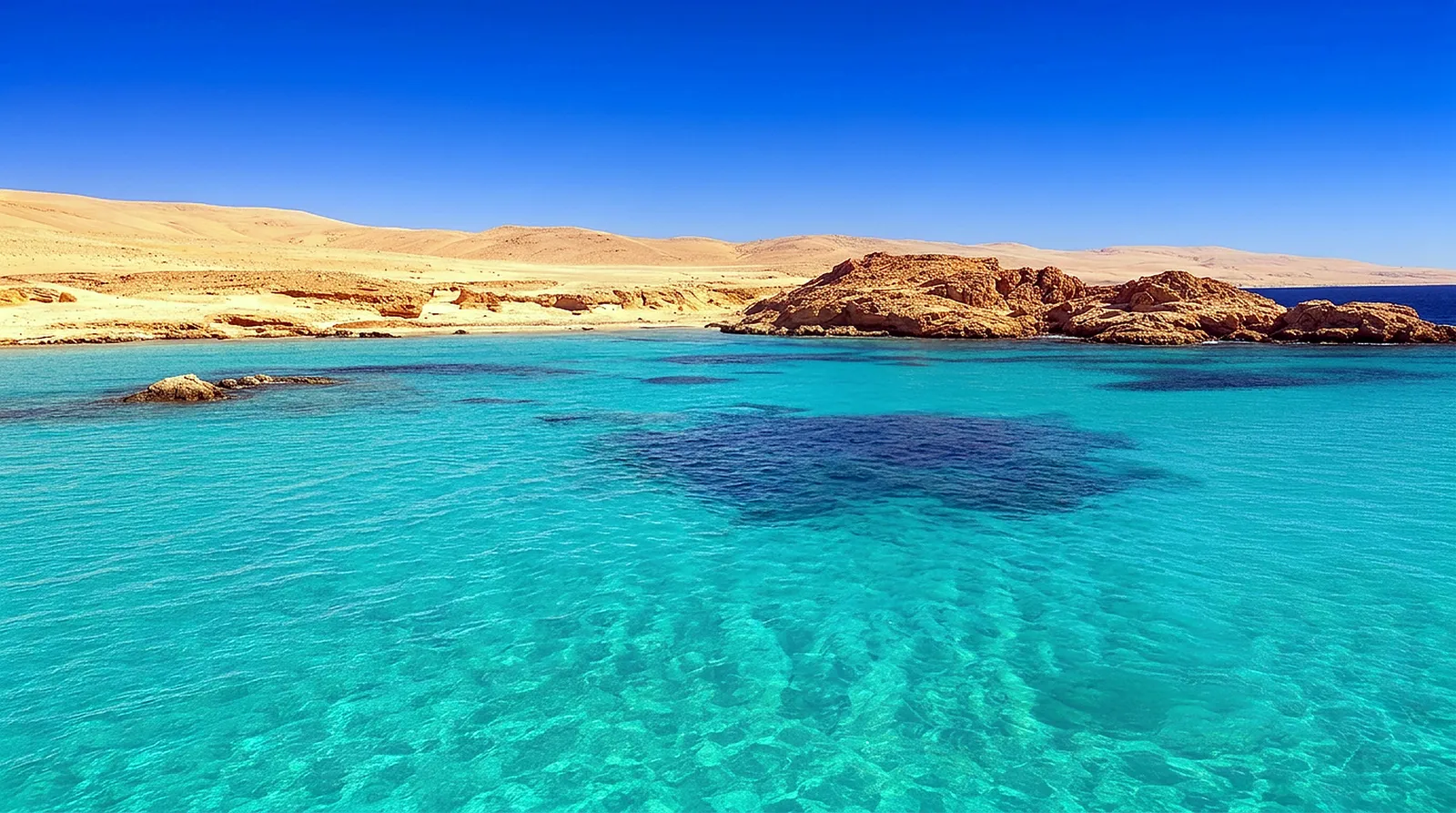 EgyptThe main Red Sea fleet, travel info and departure portsDjiboutiWhale-shark season in the Gulf of Tadjoura, Oct–Feb
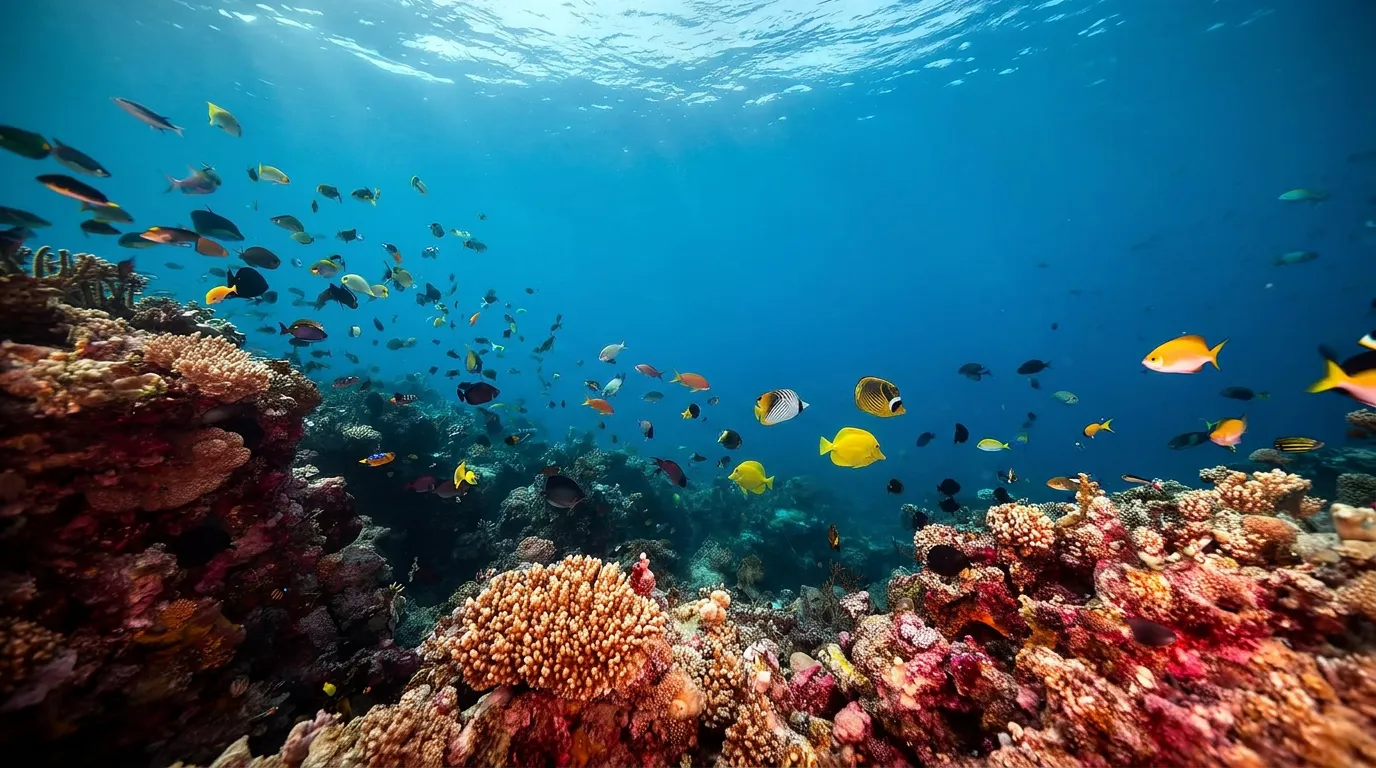 Saudi ArabiaThe newest Red Sea coast, few boats, unexplored reefsNorthern Red SeaThistlegorm, Abu Nuhas and Ras Mohammed, the classic wreck weekBrothers, Daedalus & ElphinstoneThe offshore shark route for 50+ logged divesDeep South Red SeaSt. John's, Fury Shoals and Sataya, pristine coral, few boats
Ready to dive?
Explore our expedition vessels and find your perfect trip to Red Sea