
Aphrodite
Explore the Red Sea's wonders in comfort and style.
- Individually controlled AC
- En-suite bathrooms
- Mini-bar
5.0(27 reviews)
23 guestsfrom $198/day

 Free dive insuranceincluded with every booking
Explore the Red Sea's wonders in comfort and style.
5.0(27 reviews)
Explore the Red Sea with AVO: Confirmed weekly voyages with ENOS safety and Nitrox included.
5.0(9 reviews)
Explore the Red Sea's wonders in comfort and style aboard the Sindalahs.
5.0(33 reviews)
Dive into the Red Sea's wonders aboard a boutique liveaboard.
5.0(63 reviews)
Access the Red Sea's underwater sites from a well-appointed liveaboard.
5.0(89 reviews)
The Northern Red Sea is the stretch between Sharm El Sheikh, the Sinai peninsula and the reefs north of Hurghada — and it is the most dived water in the whole region. Short crossings, sheltered anchorages and a chain of shallow shipwrecks make it the classic first liveaboard: you sleep in calm bays, dive three to four times a day and rarely spend more than two hours under way.
This is wreck country. The SS Thistlegorm, bombed in 1941 with motorbikes, trucks, rifles and two steam locomotives still in her holds, sits at 16–30 m. Abu Nuhas reef alone holds four freighters — Giannis D, Carnatic, Chrisoula K and Kimon M — between 4 m and 27 m. Add the Dunraven and the Rosalie Moller and a single week covers more diveable wrecks than most countries own.
The reefs are just as good. Ras Mohammed National Park drops from a shallow plateau into blue water, and between June and August Shark and Yolanda Reef fill with barracuda, batfish and snapper walls so dense they block out the sun. The Straits of Tiran add four reefs — Jackson, Woodhouse, Thomas and Gordon — with grey reef sharks, turtles and drift diving along the Sinai coast.
Because everything sits close to Hurghada and Sharm El Sheikh, the northern fleet is the largest and the most affordable in Egypt, with departures almost every week of the year.
One sea, three completely different underwater worlds. Pick the route that matches your experience and the animals you dream of meeting — every itinerary writes its own story.
 Liveaboards at Brothers, Daedalus & Elphinstone
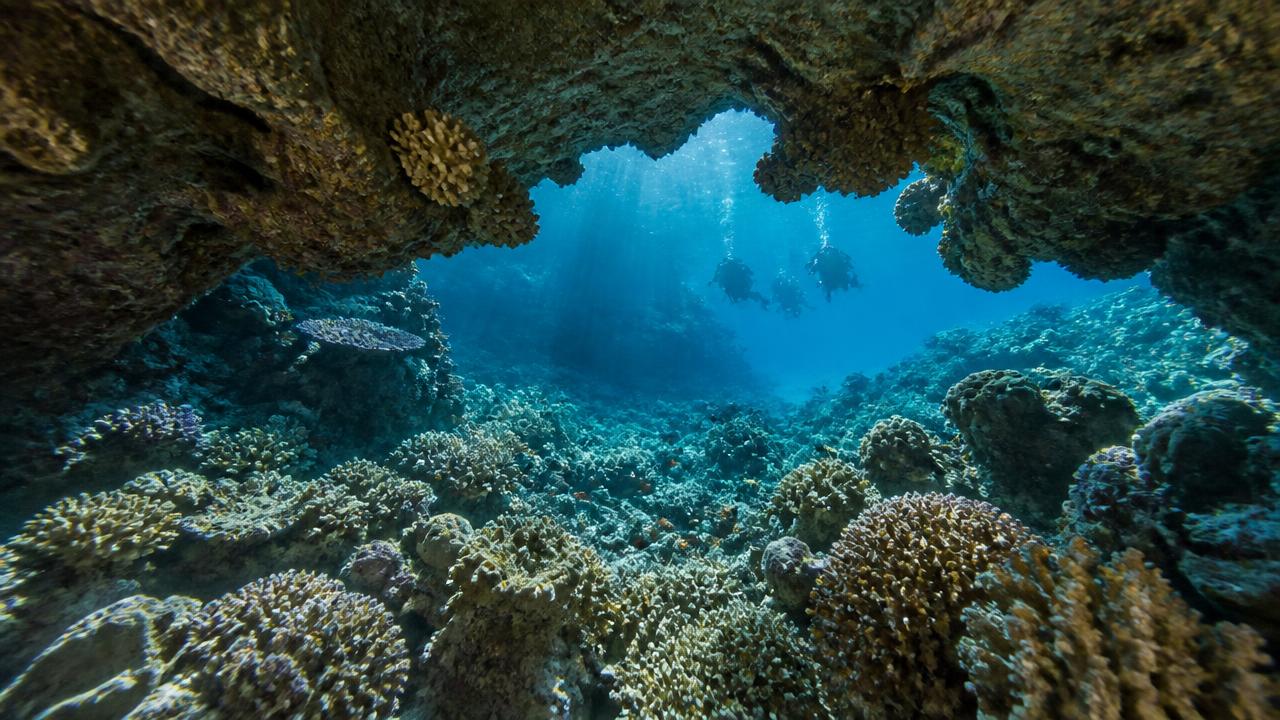 Liveaboards in the Deep South Red Sea
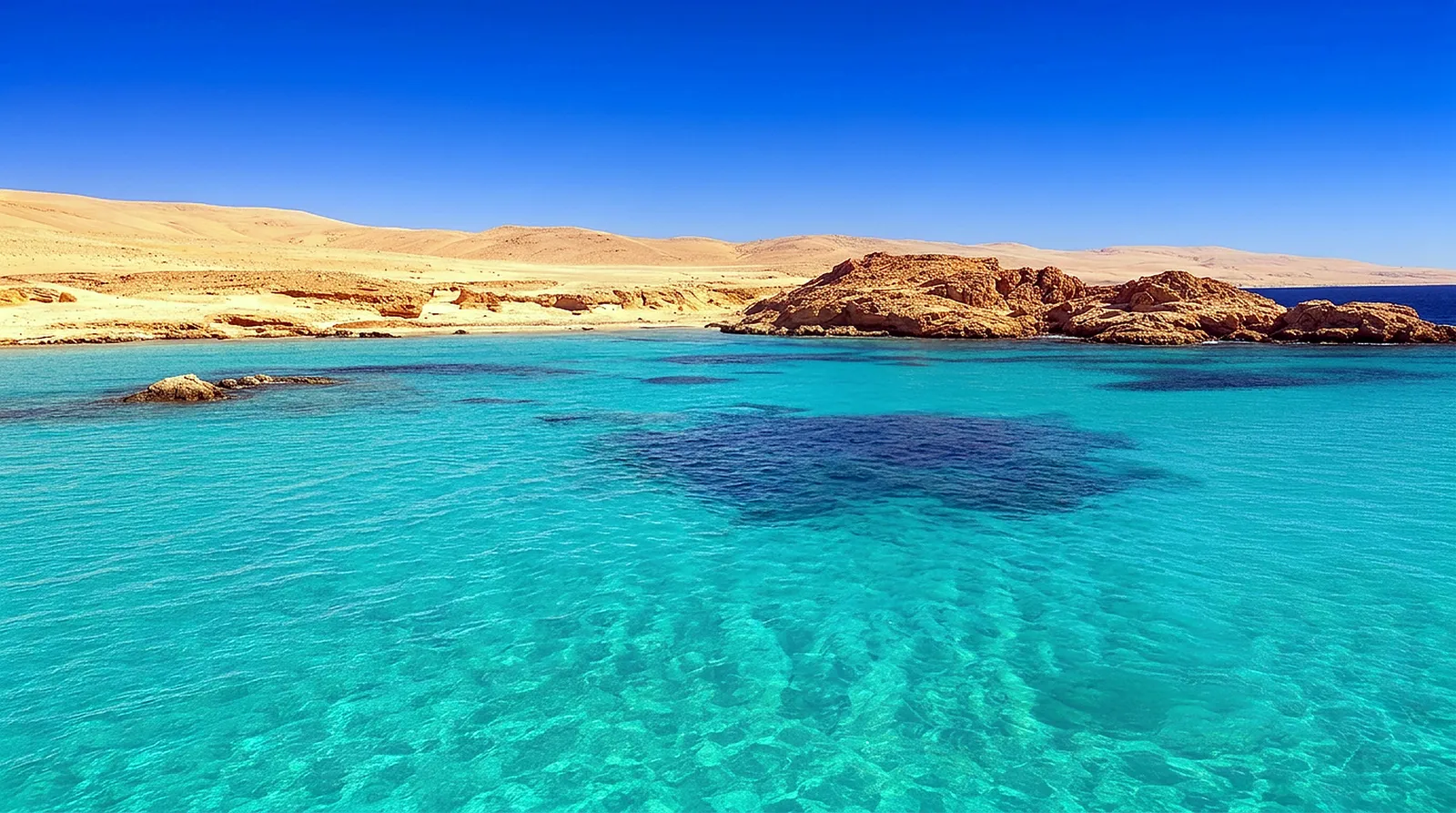 Liveaboards in Egypt
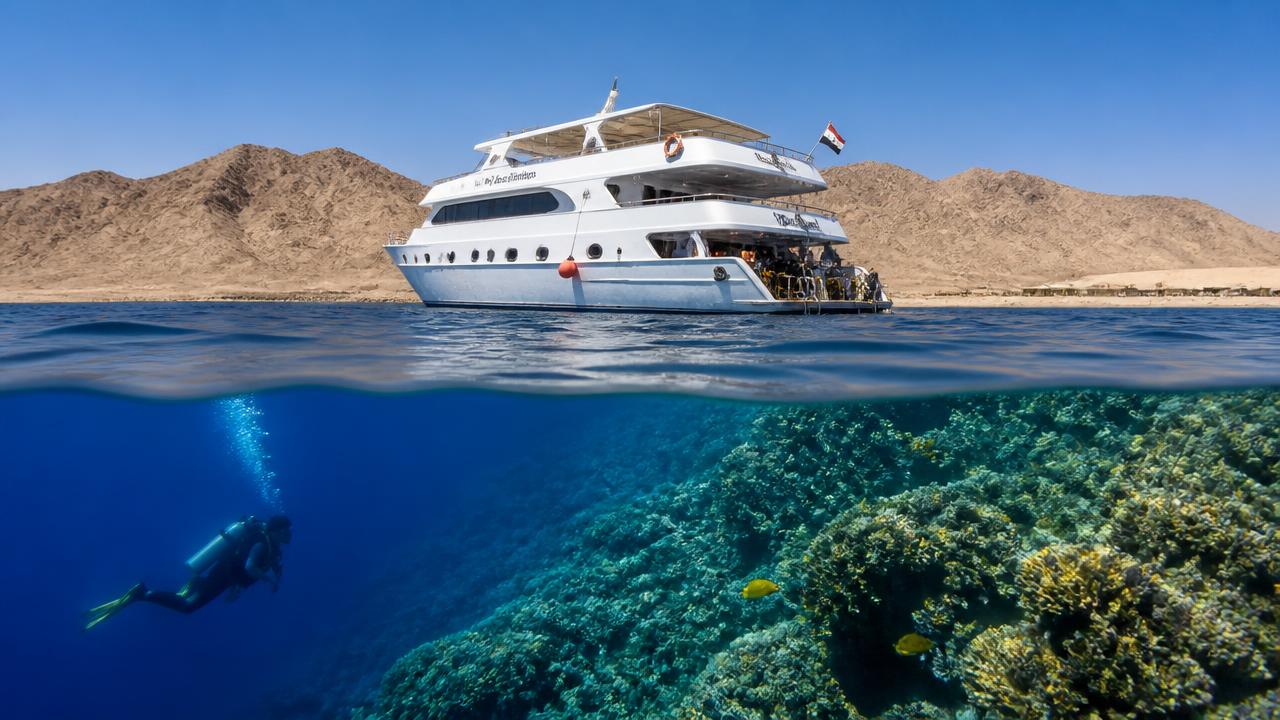 Liveaboards in the Red Sea
Wreck diving with no equal, reefs you can dive on your 25th logged dive, and a fleet that sails every week of the year. This is why the north stays the busiest liveaboard region in Egypt.


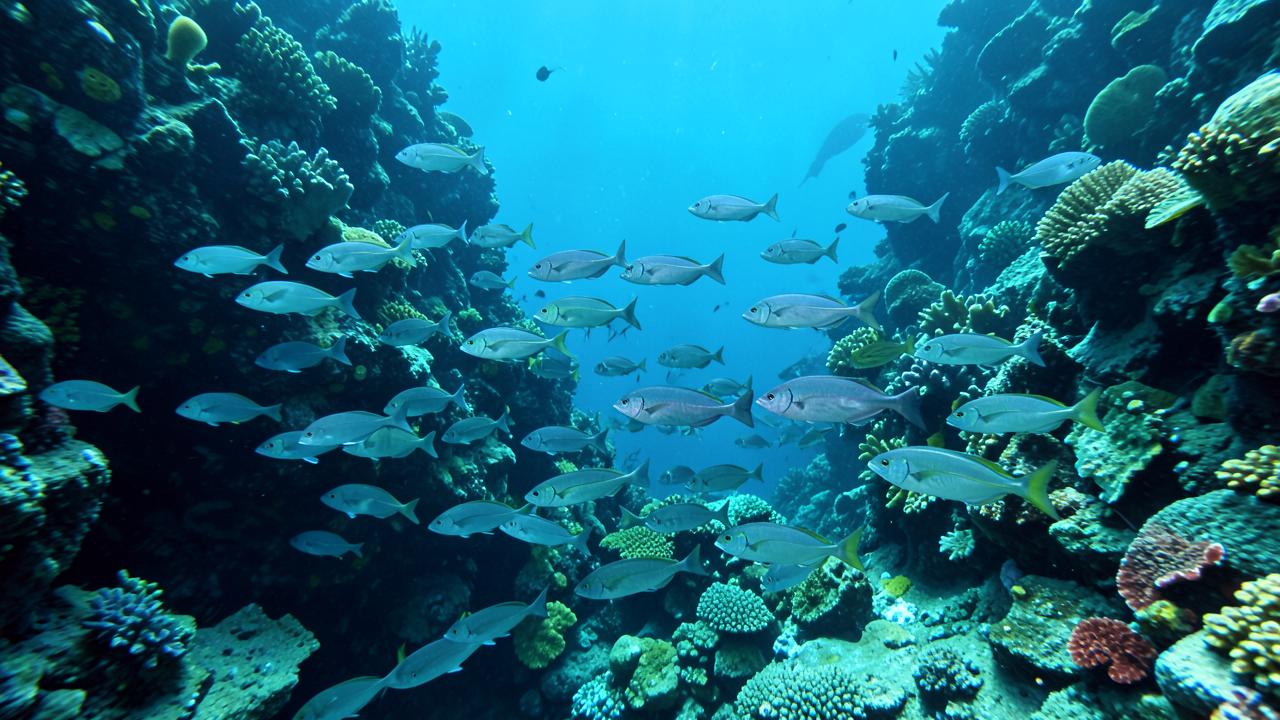

Thistlegorm, Giannis D, Carnatic, Chrisoula K, Kimon M, Dunraven and Rosalie Moller — seven serious shipwrecks inside one itinerary, most of them shallow enough for two dives each.
Sheltered anchorages, dive sites 12–30 m deep and crossings of one to two hours. Around 20–25 logged dives and an Open Water card are enough for almost every northern route.
From June to August Shark and Yolanda Reef hold enormous schools of barracuda, batfish, jacks and snapper — one of the biggest fish aggregations in the Red Sea, right at the tip of Sinai.
Northern boats moor on the Thistlegorm overnight. Three or four dives on the same wreck, including a night dive through the truck holds, is something no day boat can offer.
The biggest fleet, the shortest transfers and weekly departures out of Hurghada keep the northern routes the best-value liveaboard week in the Red Sea.
Sheltered by Sinai and the offshore reef chain, the north sails in every season. Winter brings 21–23 °C water and the clearest visibility of the year; summer is warm, calm and busy.
Three itinerary families sail the north. They differ in how much wreck diving you get, which port you fly into and how far the boat travels.
Thistlegorm, Abu Nuhas, Rosalie Moller, Ras Mohammed, Small Crack
12–30 m, short crossings, mild current
All year; calmest March–May and September–November
Jackson, Woodhouse, Thomas & Gordon Reef, Ras Mohammed, Dunraven
drift diving, current on the Tiran reefs
All year; best May–October
Northern wrecks plus the two Brothers islands and their wrecks
offshore leg with blue-water walls and strong current
May–July and October–November (marine-park season)
The north is the friendliest region in the Red Sea, but the wrecks and the offshore add-ons still have rules. Here is what operators actually check at boarding.
| Route | Certification | Logged dives | Conditions | Gear |
|---|---|---|---|---|
| North & Wrecks | Open Water Diver (PADI, SSI, CMAS …) | Around 20 logged dives recommended | Wrecks and reefs at 12–30 m, mild to moderate current, one- to two-hour crossings | 3–5 mm suit (7 mm in winter); torch useful, nitrox recommended |
| Straits of Tiran & Sinai | Open Water Diver, Advanced preferred | 25 logged dives; drift experience helps | Drift dives along steep reef edges, moderate to strong current, negative entries occasionally | DSMB mandatory; nitrox recommended |
| North & Brothers combined | Advanced Open Water — required by most operators | 50 logged dives minimum | Offshore walls, deep blue-water descents, strong unpredictable current, open-sea crossing | DSMB mandatory, nitrox strongly recommended |
Penetration of the Thistlegorm's holds is done as a guided swim-through, not as technical wreck diving — no wreck certification is required, but a torch is essential. Egyptian national-park rules apply everywhere in the north: no gloves, no reef hooks, and every diver carries a surface marker buoy.
The wrecks and reefs that define a northern week. Each site has its own page with depths, conditions and the boats that go there.
The north sails all year. What changes is water temperature, the wind and how busy the moorings get.
Dec–Feb
21–23 °CColdest and clearest. 7 mm suit or semi-dry, hood recommended. Northerly wind can reroute boats, but the wrecks stay diveable.
Mar–May
22–26 °CSpring shoulder: calm seas, quiet moorings, excellent wreck visibility. The best all-round window in the north.
Jun–Aug
27–30 °CHot, calm and busy. Peak season at Ras Mohammed with huge fish schools; a 3 mm shorty is enough.
Sep–Nov
26–28 °CThe classic peak: warm water, best visibility, settled weather. Departures sell out earliest in this window.
The prevailing wind blows from the north almost every day, so the leg towards Sinai is the bumpy one and skippers usually sail it at night. If you get seasick, book the Hurghada round trip rather than a one-way Sharm route.
The north is reef and wreck territory rather than shark country, but it has its own seasonal stars. Every name links to a full species profile with photos, behaviour and the sites where it lives.
These windows come from years of sighting patterns across the fleet. Nature keeps no fixed schedule, but choosing your month with this table raises the odds dramatically.
Northern itineraries leave from two airports and three marinas — the route decides which flight you book.
Hurghada
The main northern hub. Round trips to Thistlegorm, Abu Nuhas and Ras Mohammed start here; the marina is 20 minutes from the airport with direct flights from most of Europe.
Sharm El Sheikh
Departure port for Tiran, Ras Mohammed and short Thistlegorm itineraries. Some routes embark in Sharm and disembark in Hurghada.
Safaga
Used for northern routes that combine wrecks with the Salem Express and the reefs south of Hurghada. About one hour from Hurghada airport.
Port Ghalib (Marsa Alam)
Only relevant for combined north-and-offshore itineraries that finish in the south — check the disembarkation port before booking flights.
Some northern boats add an offshore leg to the Brothers islands, which sits in a marine park with its own permits and season. If your itinerary includes it, expect an Advanced certification check and 50 logged dives as a minimum.
Real numbers instead of guesswork: these are the current starting prices per day, taken live from the bookable departures in our system — the same basis you see on every boat card across the site.
Northern Red Sea (wrecks & reefs)
The most affordable Egyptian route: short crossings, the biggest fleet and weekly departures from Hurghada.
Brothers, Daedalus & Elphinstone
The offshore step up — marine-park fees and shark itineraries push prices above the northern average.
Deep South (St. John's & Sataya)
Remote southern reefs with longer transfers from Marsa Alam or Hamata.
Egypt (whole fleet)
The entry price across every Egyptian route, for a quick sanity check on any offer.
A northern week is full board: cabin, all meals, water, coffee and tea, three to four dives a day, tanks, weights and a dive guide are included in the trip price.
Budget extra for national-park and port fees (paid on board), nitrox fills, rental gear, soft drinks and alcohol, and the crew tip — customarily five to ten percent. Flights and pre-cruise hotel nights are never included.
March–May and September–November sell out first and cost a little more. June–August and December–February often bring the best deals on exactly the same boats and wrecks.
The calendar below shows how liveaboard prices shift month by month, so you can see exactly when your money goes furthest. We want every diver to get the best possible value, which is why we highlight the seasons that balance great conditions with the fairest rates.
$90–$185
per day liveaboard
Prices reflect typical costs for mid-range to premium options. Budget alternatives may be available.
Compare the north with the other Egyptian route families, or explore the main liveaboard countries around the Red Sea — including Djibouti's whale-shark season and Saudi Arabia's emerging coast.
EgyptVisas, airports, ports and the complete Egyptian fleet DjiboutiWhale-shark season in the Gulf of Tadjoura, Oct–Feb
 Saudi ArabiaThe newest Red Sea coast — few boats, unexplored reefsRed SeaThe whole sea: all routes, seasons and countries in one overviewBrothers, Daedalus & ElphinstoneThe offshore shark route for 50+ logged divesDeep South Red SeaSt. John's, Fury Shoals and Sataya — pristine coral, few boats
Explore our expedition vessels and find your perfect trip to Northern Red Sea


