About Thomas Reef
Thomas Reef is one of the four prominent coral reefs within the Straits of Tiran, accessible by boat and famed for its dramatic topography and rich marine biodiversity. Situated where the Gulf of Aqaba meets the Gulf of Suez, it benefits from strong, nutrient-rich currents that feed an extraordinary growth of both hard and soft corals. The site features two distinct walls: an eastern side that plunges steeply, and a western side characterized by intricate caves and overhangs. Starting at a shallow depth of 0.5 meters, the reef transitions into a significant canyon that begins at 35 meters and extends beyond 90 meters, appealing to experienced divers. This deep canyon, along with the reef's plateaus and walls, offers a diverse underwater landscape for exploration. The strong currents at Thomas Reef are a magnet for pelagic species, making it a hotspot for sightings of barracuda, tuna, and various sharks, including whitetip reef sharks. Turtles and eagle rays are also commonly observed patrolling the vibrant reef. The combination of its strategic location, strong currents, and varied depths creates an exceptionally dynamic and rewarding dive experience. Diving Thomas Reef typically involves a boat-accessed drift dive, where divers follow a planned itinerary along the walls, plateau, and the deeper canyon sections, depending on their training and gas supply. The site is frequented by divers of all levels for its shallower reef sections, while the more technical canyon and strong current areas are reserved for advanced and experienced divers.
Highlights
Straits of Tiran smallest reefVertical wallsSoutheastern plateau (25m)Sleeping sharksGorgonia fan barrierDrift divingWhale, dolphin, turtle sightings
Season calendar
Best months to dive here
Jan
Feb
Mar
Apr
May
Jun
Jul
Aug
Sep
Oct
Nov
Dec
Excellent
Good
Mar – May & Sep – Nov (Peak)
Best conditions with 30m+ visibility, comfortable water temps 24–28°C. Hammerhead sharks at Brothers, thresher sharks at Elphinstone.
Jun – Aug & Dec – Feb (Shoulder)
Jun–Aug: hot topside but warm water, good for southern routes. Dec–Feb: cooler water (21–23°C) attracts oceanic whitetips at Elphinstone. Still excellent visibility.
Dive site facts: Thomas Reef
- Depth
- 0.5–92 m
- Current
- Strong
- Visibility
- 30 m
- Entry
- Boat / drift
- Level
- Advanced
- Dive type
- Wall, reef, drift, deep
- Night dive
- Not permitted
- Region / port
- Straits of Tiran, North Red Sea
- Coordinates
- 27.9622, 34.602409
Conditions & Currents
Thomas Reef is characterized by strong currents, particularly at its northern and southern ends, and divers should be prepared for a drift dive. The current generally runs eastwards, influencing dive plans significantly and necessitating careful entry and exit techniques. While the eastern side of the wall may offer calmer conditions, sections of the reef, especially around the ends, can experience downcurrents that require divers to stay alert. The intensity of the current attracts abundant pelagic life, but also demands experience in drift diving and precise buoyancy control. Boat drift pickup is the standard procedure for this site, and divers must adhere to local Tiran Strait diving plans regarding canyon and arch sections.
Marine life & sighting chances

Barracuda
common
Eagle Ray
occasional
Green Turtle
occasional
Hawksbill Turtle
occasional
Nudibranch
common
Pipefish
common
Tuna
common
Whitetip Reef Shark
occasional
Gorgonian fans
commonDive profile & how the dive runs
Your dive at Thomas Reef typically begins with a boat-accessed drift entry, carefully timed for the prevailing currents. You will descend along one of the reef's vibrant walls, either the dramatic eastern drop-off or the western side with its caves and overhangs. The route often involves drifting with the current along the reef, allowing you to observe the colorful coral formations and schooling fish. For experienced divers, the deeper sections may include an exploration of the impressive canyon, which starts at 35 meters and continues to depths beyond 90 meters. Your dive guide will lead the progression, ensuring a safe route while maximizing marine life encounters. The turn point is determined by gas consumption and no-decompression limits, after which you will begin a gradual ascent. Safety stops are conducted in the shallower, current-swept areas of the reef, with the boat positioned for a drift pickup.
Underwater photography
Thomas Reef offers excellent wide-angle photography opportunities due to its vast coral formations, deep canyon, and frequent pelagic sightings. A wide-angle lens is recommended to capture the expansive wallscapes, schools of barracuda, and potentially larger species like sharks or eagle rays in the blue. Strong currents can make stable shooting challenging, so good buoyancy control is paramount. For macro subjects like nudibranchs and pipefish found nestled in the corals, a macro lens can be rewarding, but be mindful of the current. Strobes are essential to bring out the vibrant colors of the Red Sea corals and marine life, especially in deeper sections or within the canyon. Use appropriate strobe positioning to minimize backscatter, particularly in areas with plankton blooms, which can occasionally reduce visibility.
Combine with nearby dive sites
- Gordon Reef
Gordon Reef is the southernmost of the four prominent coral formations situated in the narrow Straits of Tiran, which separate the Gulf of…
- Jackson Reef
Jackson Reef is a premier dive destination nestled in the Straits of Tiran, a narrow channel connecting the Gulf of Aqaba to the Red Sea…
- Woodhouse Reef
- Anemone City
Part of Ras Mohammed National Park
- Shark Observatory
Part of Ras Mohammed National Park
- SS Thistlegorm
Famous nearby wreck
Getting there & logistics
Thomas Reef is primarily accessed by day boats or liveaboards departing from Sharm El Sheikh or Hurghada, which are the main international airports for the Red Sea. Liveaboards provide the most comprehensive way to explore the Straits of Tiran, often combining Thomas Reef with other famous Tiran sites like Gordon, Jackson, and Woodhouse Reefs. Day trips from Sharm El Sheikh are also common, making it an accessible site for resort-based divers. Transfers from airports to liveaboard departure points or resorts are typically arranged by tour operators. There are no specific permits beyond standard national park fees, which are usually included in dive trip packages. A typical Northern Red Sea liveaboard itinerary is 7 nights, allowing ample time to dive multiple sites in the region.
Safety & environment
Diving Thomas Reef requires a high level of situational awareness due to potentially strong currents and the deep canyon environment. Divers should always follow their guide's instructions, especially regarding drift procedures and entry/exit points. Awareness of downcurrents, particularly at the reef ends, is critical. The nearest recompression chamber facilities are located in Sharm El Sheikh and Hurghada, which can be reached by speedboat in an emergency; however, evacuation times can vary. Comprehensive dive insurance covering hyperbaric treatment and evacuation is strongly recommended for all divers. For those venturing into the canyon or overhang sections, specialized training and adherence to operator limits are mandatory. It is not recommended for freediving or snorkeling due to its depth, currents, and profile.
Who it suits, and who it doesn't
Suited for
- Advanced divers comfortable with strong currents
- Drift diving enthusiasts
- Photographers seeking pelagic and wide-angle opportunities
- Divers interested in deep reef and canyon exploration
- Divers looking for vibrant coral walls
Less suited for
- Beginner divers without current experience
- Divers uncomfortable with deep diving
- Freedivers or snorkelers
- Divers seeking purely calm, current-free dives
- Divers without proper training for canyon environments
FAQ
Thomas Reef FAQ
What kind of currents can I expect at Thomas Reef?
Thomas Reef is known for its strong currents, especially at the northern and southern tips. You should anticipate a drift dive, and it's essential to have experience with this type of diving. While some areas might be calmer, divers should always be prepared for dynamic conditions and potential downcurrents.
What marine life is commonly seen at Thomas Reef?
The strong currents attract a rich variety of marine life. You can frequently spot large schools of barracuda and tuna. Occasional sightings include eagle rays, green and hawksbill turtles, and whitetip reef sharks. The reef itself is covered in vibrant hard and soft corals, providing habitat for nudibranchs and pipefish.
Is Thomas Reef suitable for all diving levels?
While some shallower sections might be accessible to less experienced divers under strict guidance, the site is generally recommended for advanced divers. The presence of strong currents and a deep canyon starting at 35 meters means that good buoyancy control and drift diving experience are crucial for a safe and enjoyable dive.
Can I explore the canyon at Thomas Reef?
The deep canyon at Thomas Reef is a significant feature, starting at 35 meters and dropping well beyond recreational limits. Exploration of the canyon and its overhang sections is reserved for experienced divers with appropriate training and gas management. Your dive guide will determine if conditions and your certification allow for this.
How do liveaboards typically incorporate Thomas Reef into their itineraries?
Liveaboards in the Northern Red Sea often include Thomas Reef as part of a Tiran Strait itinerary, combining it with other famous reefs like Jackson, Gordon, and Woodhouse. This allows divers to experience the best of Tiran's wall dives and pelagic encounters over several days, maximizing the chances of encountering diverse marine life in optimal conditions.
Why dive Thomas Reef from a liveaboard?
Thomas Reef is one of Egypt's signature dive sites. A liveaboard sleeps you on the water and puts you in the water for three to four guided dives per day, including dawn and night dives that day-boat operators rarely offer. You skip the daily commute back to port and reach quieter, less-crowded sites in the same region on a single trip.
Below are the liveaboards that include Thomas Reef on their Egypt itineraries.
Liveaboards diving Thomas Reef
These liveaboards may visit Thomas Reef on selected itineraries, the exact dive sites depend on departure, weather and conditions.
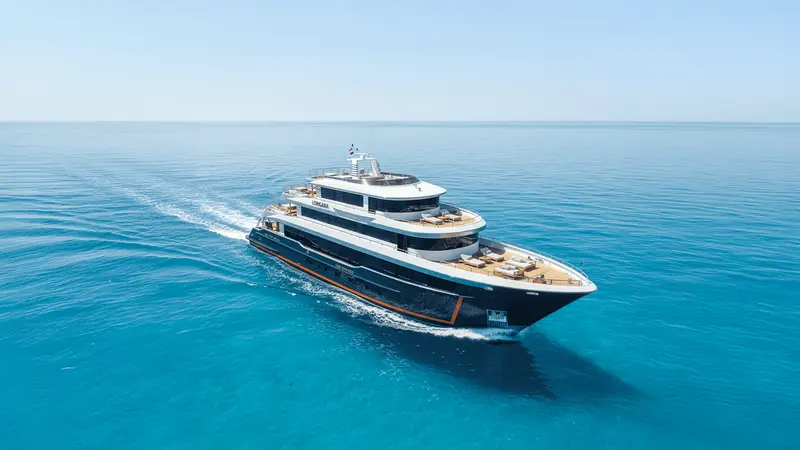
DUNE Longara
Egypt
30 guests
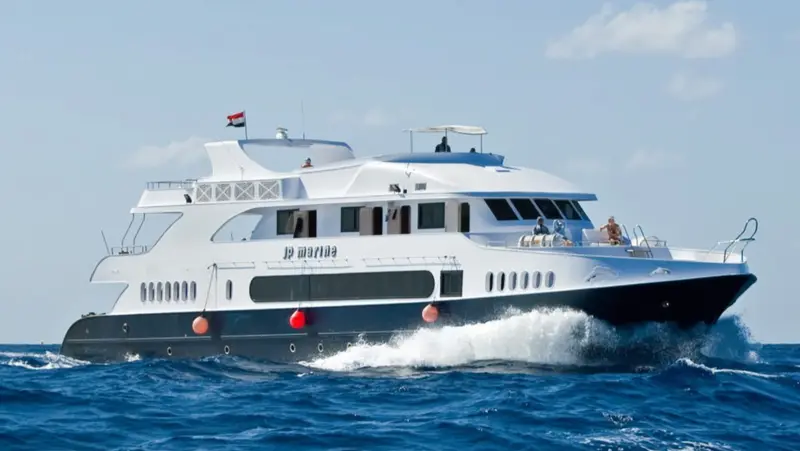
JP Marine
Egypt
28 guests
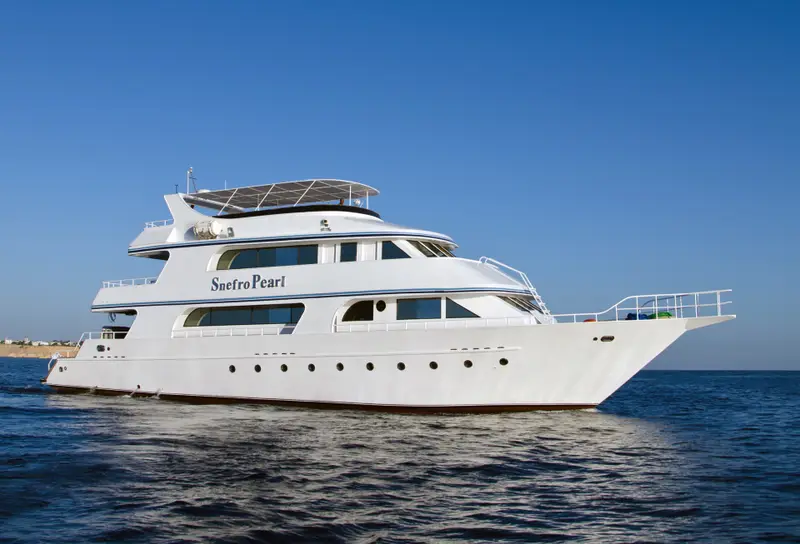
Snefro Pearl
Egypt
12 guests
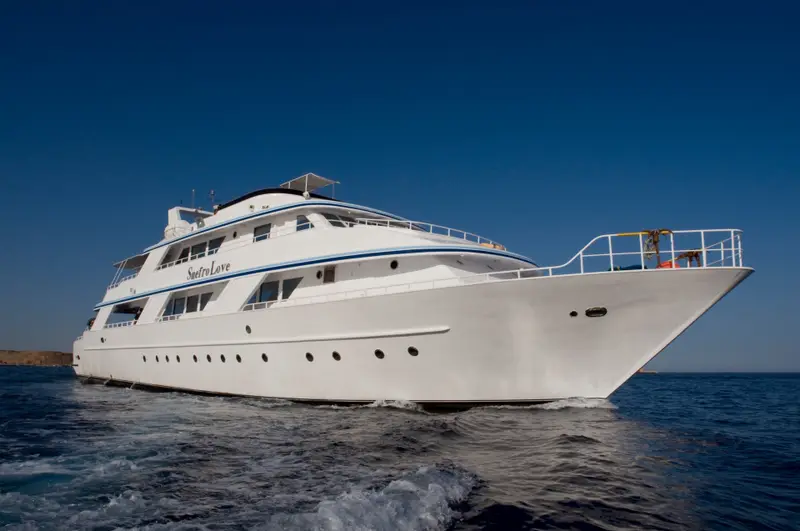
Snefro Love
Egypt
20 guests
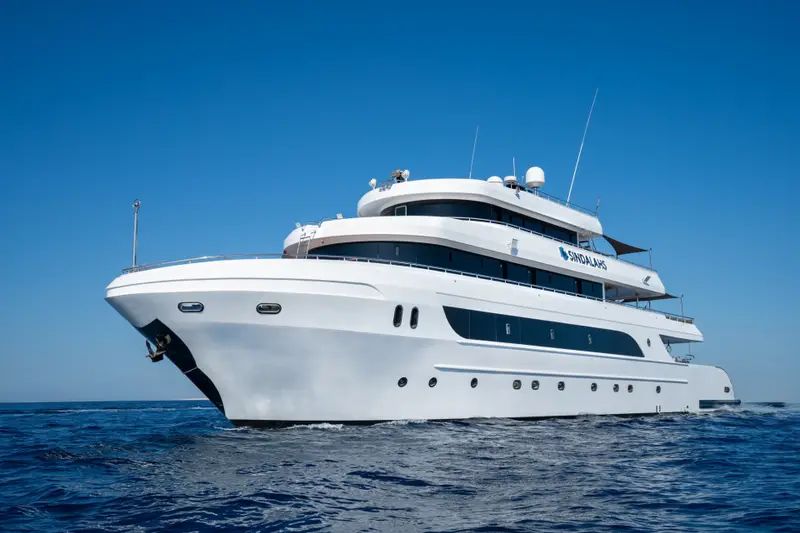
Sindalahs
Egypt
26 guests38 m
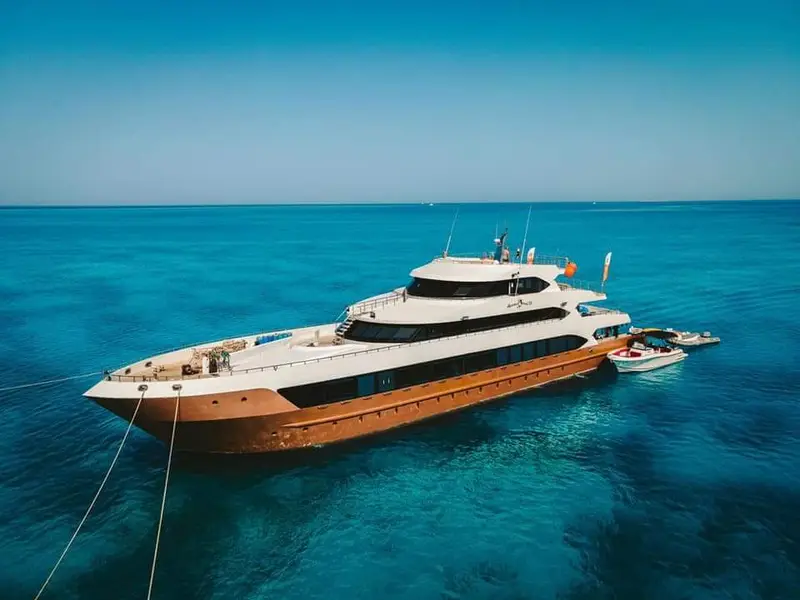
Hammerhead II
Egypt
20 guests
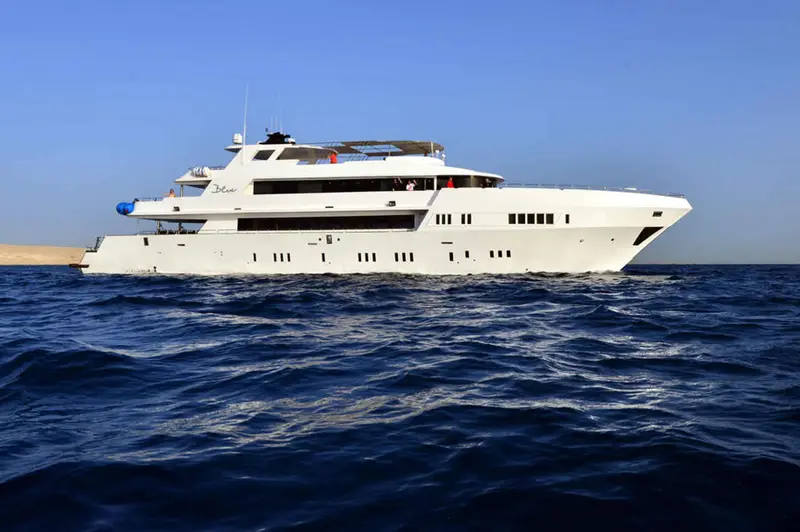
Blue Liveaboard
Egypt
24 guests43 m
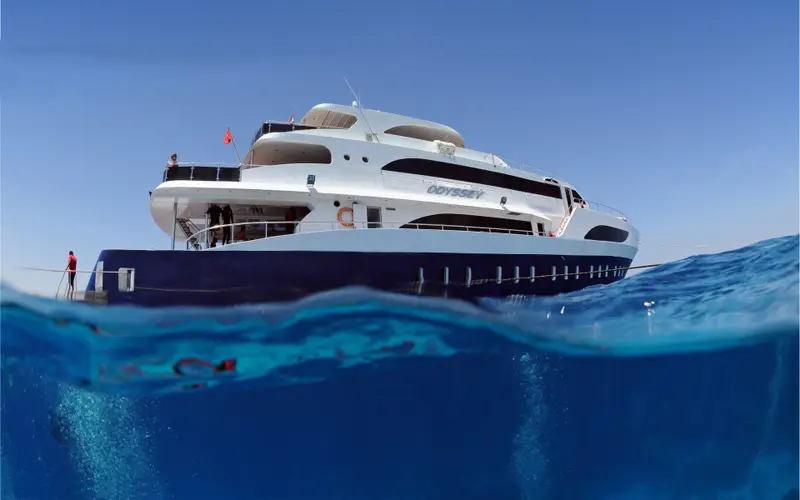
Odyssey
Egypt
26 guests40 m
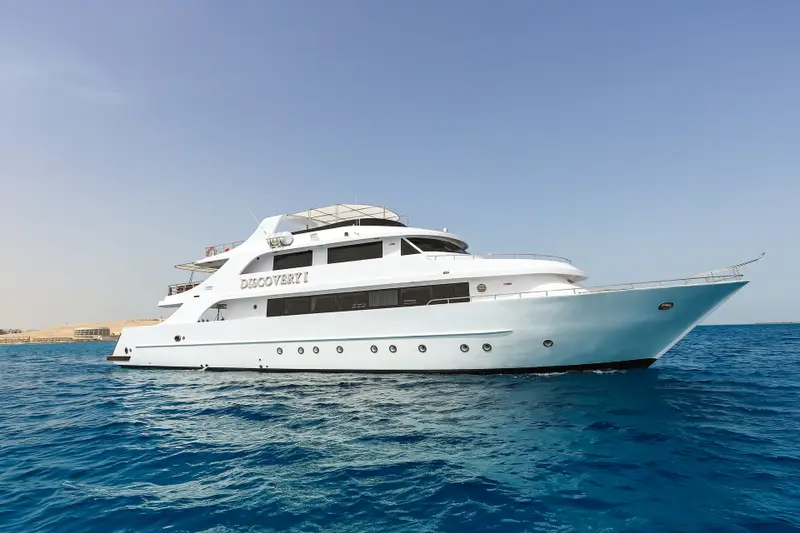
Discovery I
Egypt
20 guests
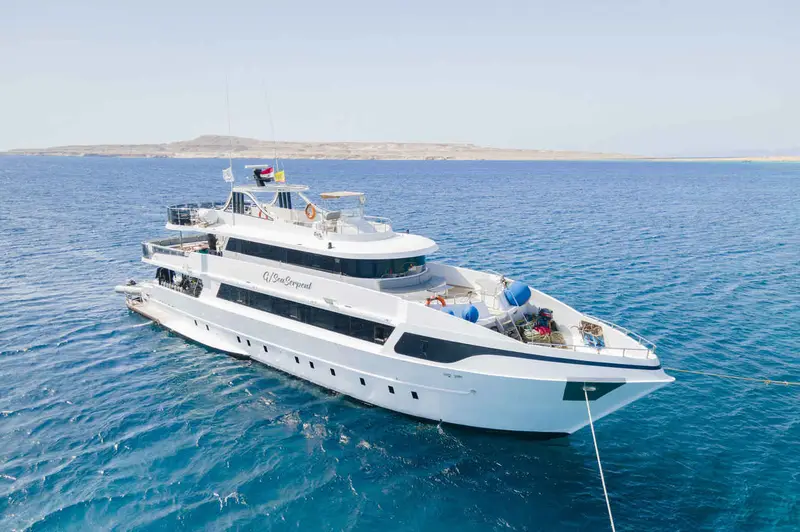
SS Serena Dreams
Egypt
18 guests33 m
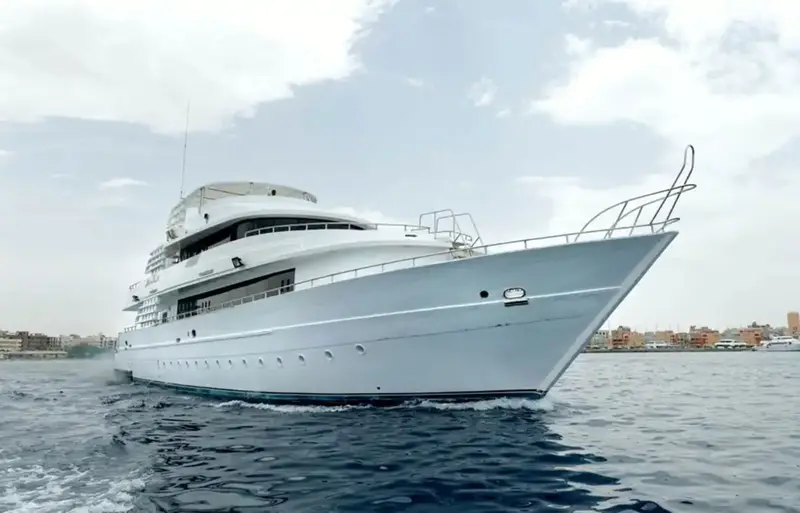
Blue Pearl
Egypt
20 guests36 m
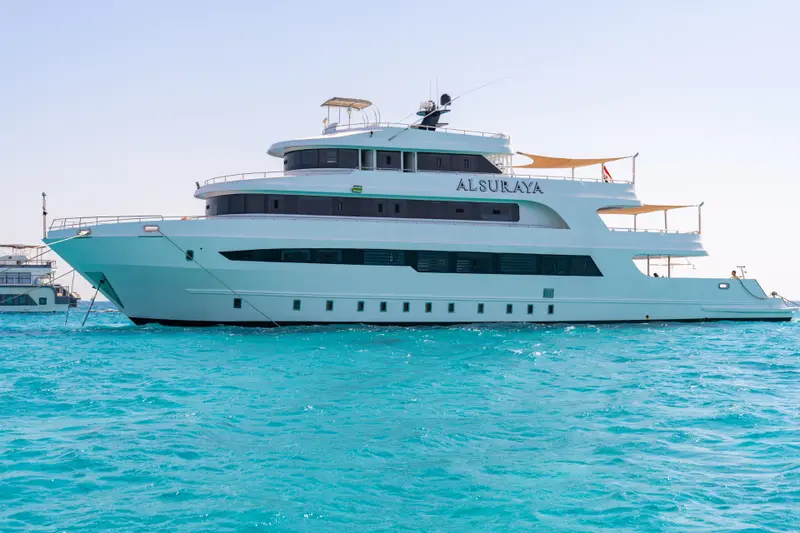
Alsuraya
Egypt
24 guests37 m
Dive sites similar to Thomas Reef
Same character, same waters, six more sites divers love for the exact same reasons.Compare seasons, access and liveaboard routes, then pick the site that fits your trip best.
© EsriMaxar, Earthstar, GIS
Abu Dabbab
Egypt
Abu Dabbab stands out as one of the Red Sea's most celebrated dive destinations, particularly notable for being a rare location where divers can encounter the endangered dugong.
- Suitable for
- Beginner
- Current
- Strong
- Access
- Shore / dayboat
- Depth
- 3–20 m
- Theme
- Reef
© EsriMaxar, Earthstar, GIS
Abu Galawa
Saudi Arabia
Abu Galawa is a prominent dive site within Saudi Arabia's Red Sea, specifically located among the Seven Sisters reefs near Yanbu.
- Suitable for
- Intermediate
- Current
- Strong
- Access
- Liveaboard or dayboat
- Depth
- 5–40 m
- Theme
- Reef / Wall
© EsriMaxar, Earthstar, GIS
Abu Galawa Kebir
Egypt
Abu Galawa Kebir is a premier dive site located in the southern Red Sea, situated on the northwestern edge of the extensive Fury Shoal reef system.
- Suitable for
- Beginner
- Current
- Strong
- Access
- Liveaboard or dayboat
- Depth
- 3–18 m
- Theme
- Wreck
Abu Nuhas, often called the "ship's graveyard" of the Red Sea, is a triangular coral reef situated at the northern edge of the Strait of Gubal.
- Suitable for
- Beginner
- Current
- Strong
- Access
- Liveaboard or dayboat
- Depth
- 4–24 m
- Theme
- Wreck
The Aida is a prominent wreck dive site located in the Egyptian Red Sea, frequently visited on liveaboard itineraries that traverse the central region between the northern and southern dive sites.
- Suitable for
- Advanced
- Current
- Strong
- Access
- Liveaboard only
- Depth
- 25–65 m
- Theme
- Wreck / Drift
© EsriMaxar, Earthstar, GIS
Al Lith Mangrove Reef
Saudi Arabia
Al Lith Mangrove Reef, located approximately 210 km south of Jeddah, serves as the primary launch point for exploring the renowned Farasan Banks.
- Suitable for
- Beginner
- Current
- Strong
- Access
- Shore / dayboat
- Depth
- 3–15 m
- Theme
- Reef / Wall