About Shark Observatory
Shark Observatory is a prominent wall dive located within the protected waters of Ras Mohammed National Park, marking the southernmost point of the Sinai Peninsula in Egypt. This site is named after the headland observation point that rises above sea level, offering a dramatic backdrop to the underwater landscape. It's particularly significant as the currents from the Gulf of Suez and the deeper Gulf of Aqaba converge here, enriching the waters with nutrients that sustain a vibrant marine ecosystem. The dive features a sheer coral wall that plunges into deep blue water, characterized by numerous inlets, overhangs, and small cave systems. Sunlight filters through the coral fringing plate above, illuminating the underwater formations. Divers typically begin their exploration by descending to depths between 15 to 20 meters, then follow the wall, scanning the open blue for pelagic species before ascending to shallower depths to conclude the dive. The wall extends far below recreational limits, creating a sense of vastness over the open ocean. The nutrient-rich environment supports a diverse array of marine life. Common sightings include various species of sharks, including pelagic sharks and reef sharks, as well as turtles and barracuda. Whales and whale sharks have also been observed at this location, highlighting its potential for large pelagic encounters, though sightings are never guaranteed. Gorgonian corals also thrive along the reef. Access to Shark Observatory is primarily by boat from Sharm El-Sheikh, usually as part of a two-dive day trip, with the journey taking approximately 50 minutes. The site is generally considered suitable for all levels of divers, but due to potential currents and its open-blue exposure, it is best navigated with a local guide. It's often dived as a drift, requiring confident, current-aware divers, and a surface buoy is recommended for safety.
Highlights
Ras Mohammed wall divePelagic shark encountersSheer coral wallOverhangs and small cavesTurtles and barracudaGorgonian coralsDeep blue water drop-off
Best Season
The most favorable conditions for diving Shark Observatory are typically found from March to May and again from September to November. During these periods, visibility is generally excellent and water temperatures are comfortable, creating an ideal environment for encountering the site's rich marine life.
Dive site facts: Shark Observatory
- Depth
- 15–65 m
- Current
- Strong
- Entry
- Liveaboard or dayboat
- Level
- Intermediate
- Dive type
- Reef, Drift, Reef, Wall
- Region / port
- Egypt
- Coordinates
- 27.7358° N, 34.2023° E
Conditions & Currents
Currents at Shark Observatory range from moderate to strong, making it a prevalent drift dive. Divers must always check the current direction before entry and use a surface buoy when needed. The site is best dived at low tide, as currents tend to be more manageable, though local guide expertise is crucial for timing dives correctly. Visibility is usually excellent, ranging from 10 to 30 meters, with an average of 15 meters, providing clear views of the wall and pelagic life. There are no specific mentions of surge or thermoclines. Given the potential for strong currents and its open-blue exposure, this site is best suited for current-aware divers who are comfortable with boat entries and drift diving techniques, ideally with a local operator providing guidance.
Why dive Shark Observatory from a liveaboard?
Shark Observatory is one of Egypt's signature dive sites. A liveaboard sleeps you on the water and puts you in the water for three to four guided dives per day, including dawn and night dives that day-boat operators rarely offer. You skip the daily commute back to port and reach quieter, less-crowded sites in the same region on a single trip.
Below are the liveaboards that include Shark Observatory on their Egypt itineraries.
Liveaboards diving Shark Observatory
These liveaboards may visit Shark Observatory on selected itineraries — the exact dive sites depend on departure, weather and conditions.
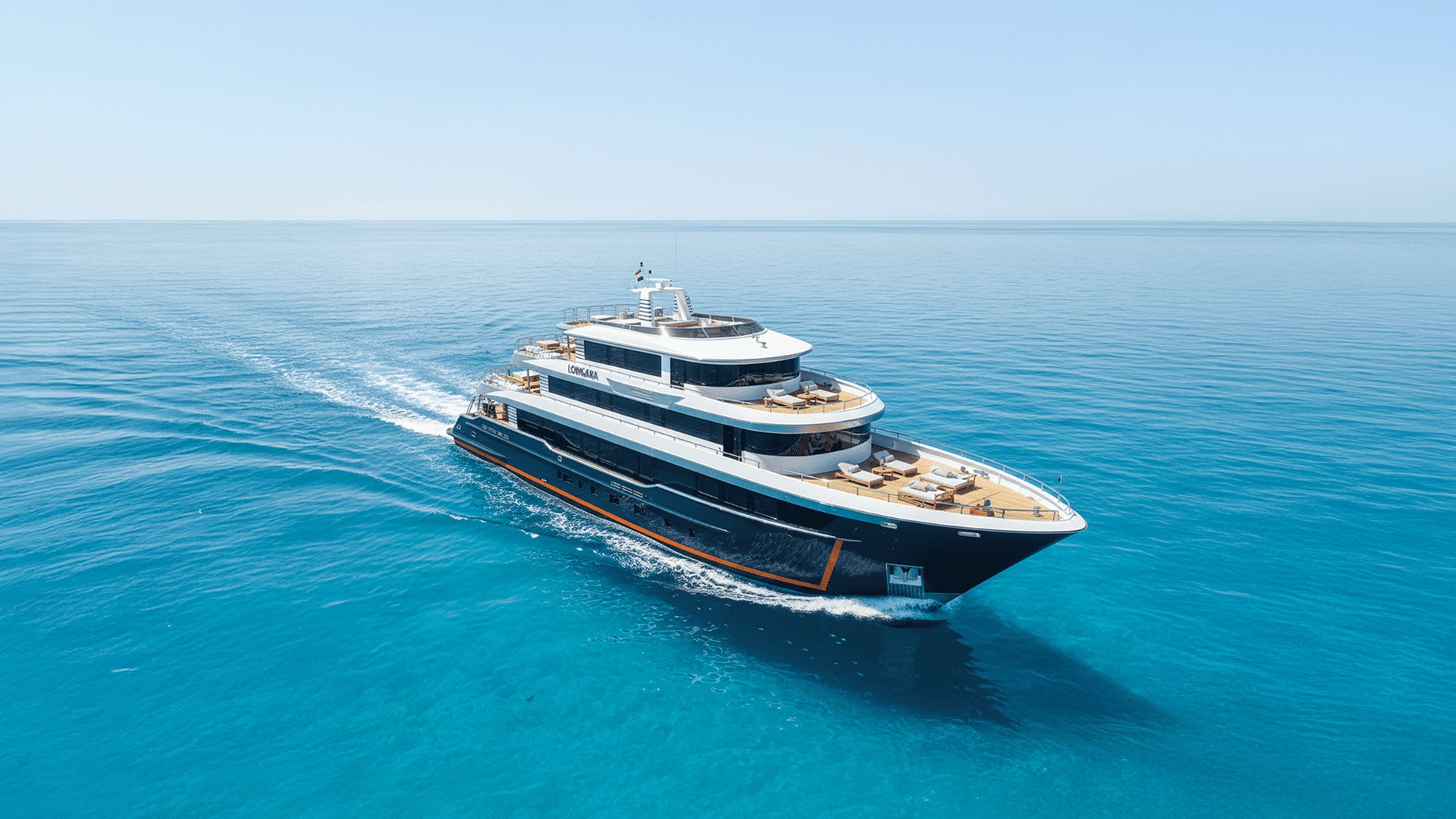
DUNE Longara
Egypt
30 guests
$150/day
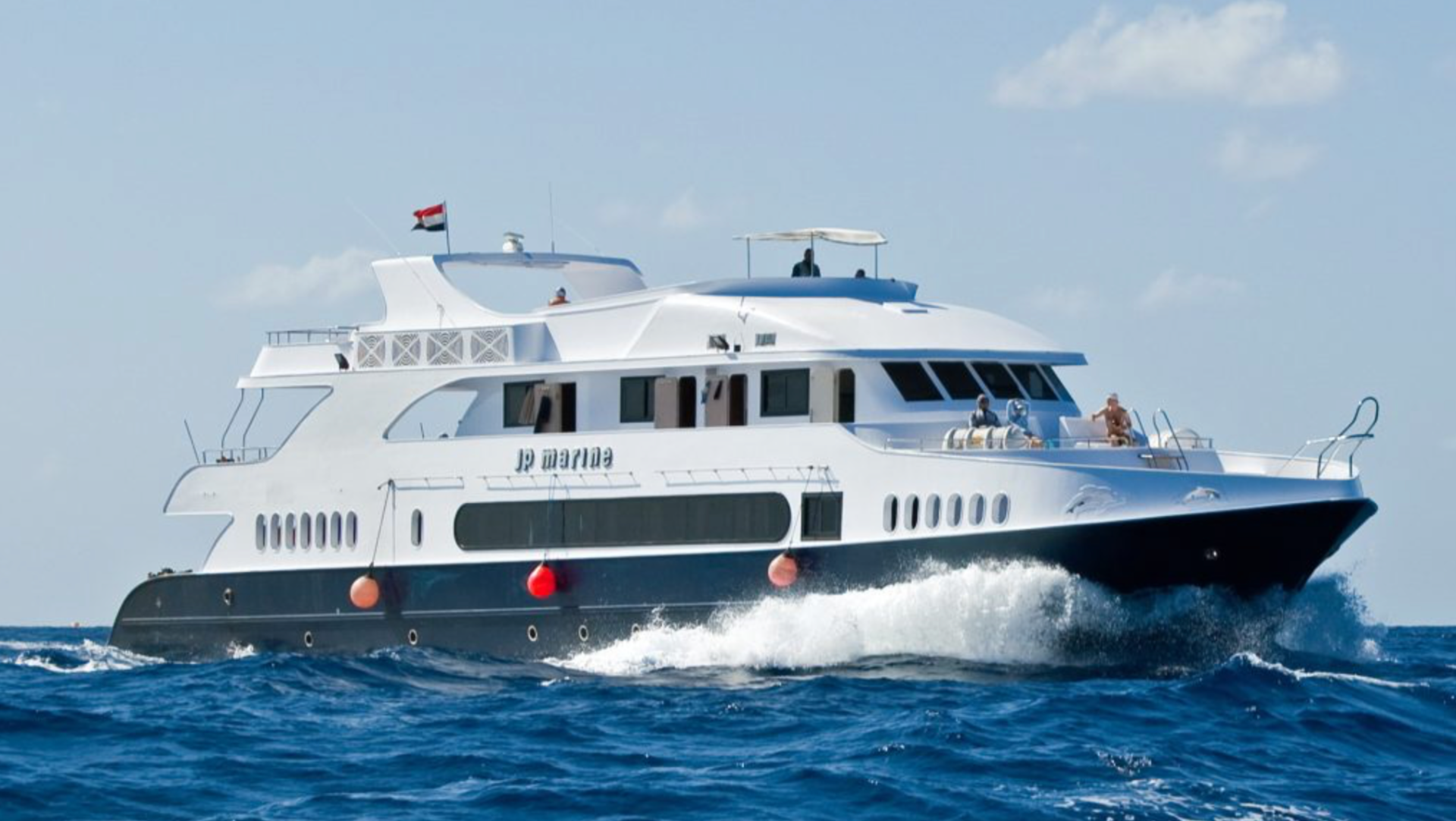
JP Marine
Egypt
28 guests
$109/day
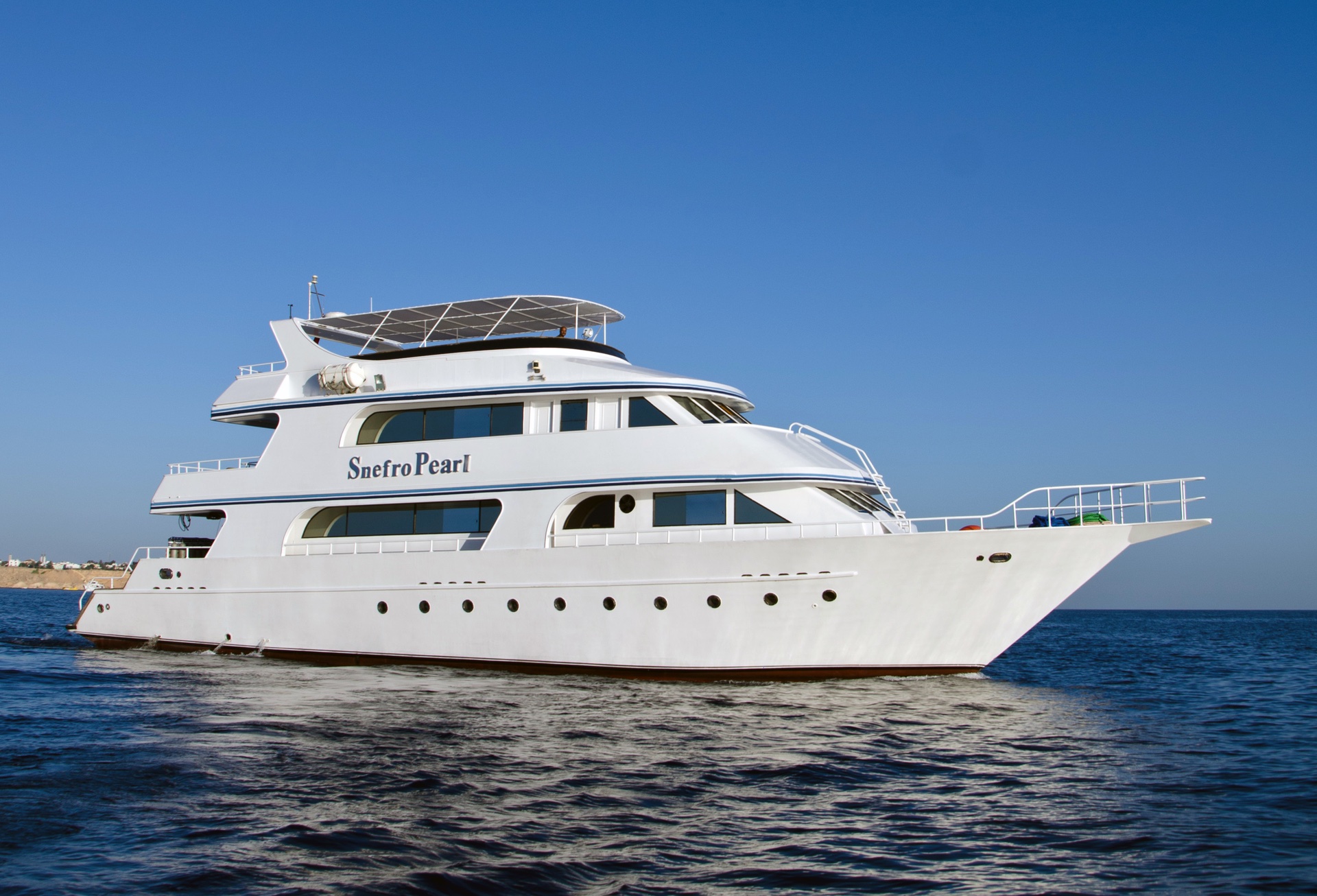
Snefro Pearl
Egypt
12 guests
$150/day
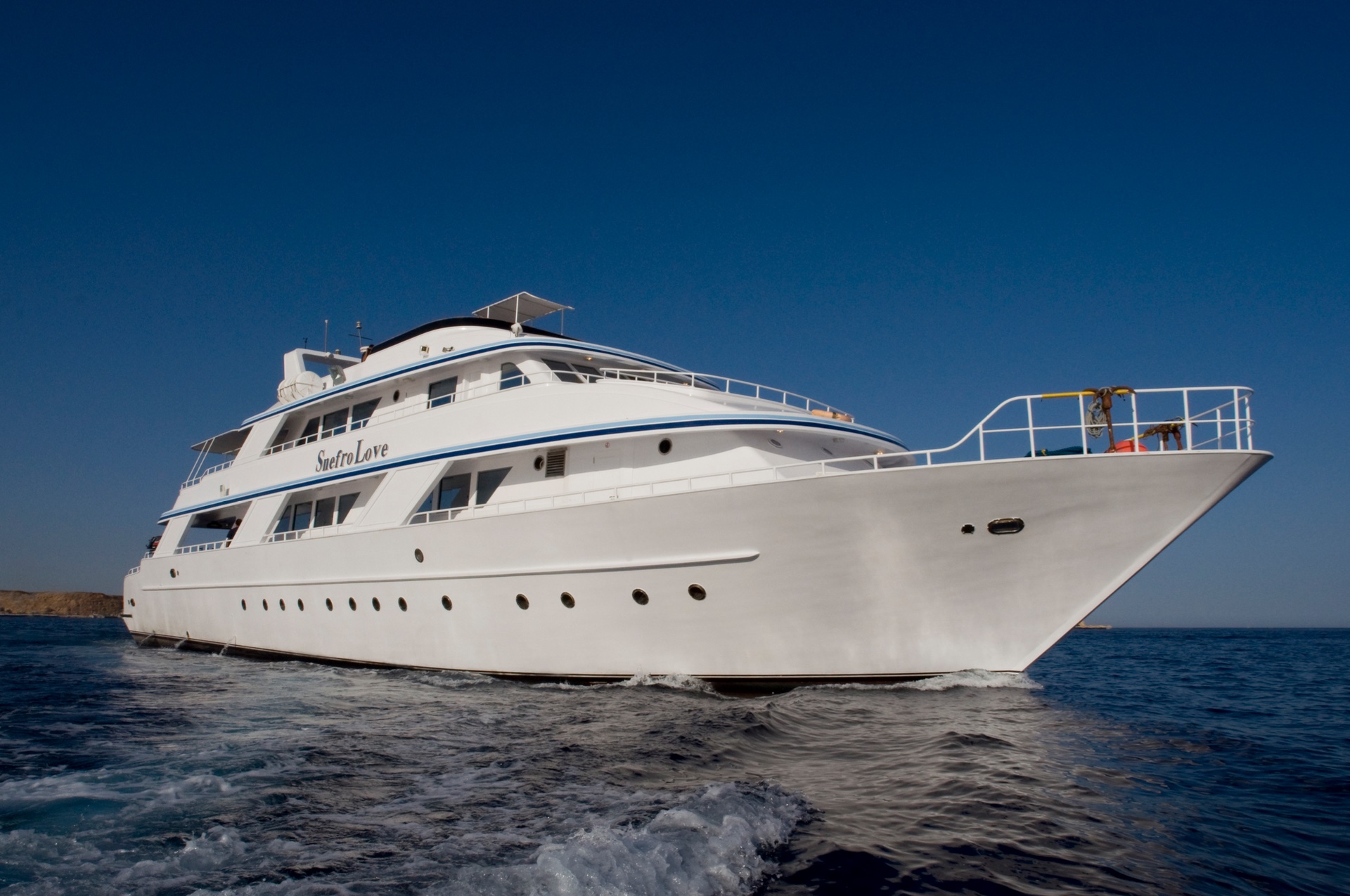
Snefro Love
Egypt
20 guests
$154/day
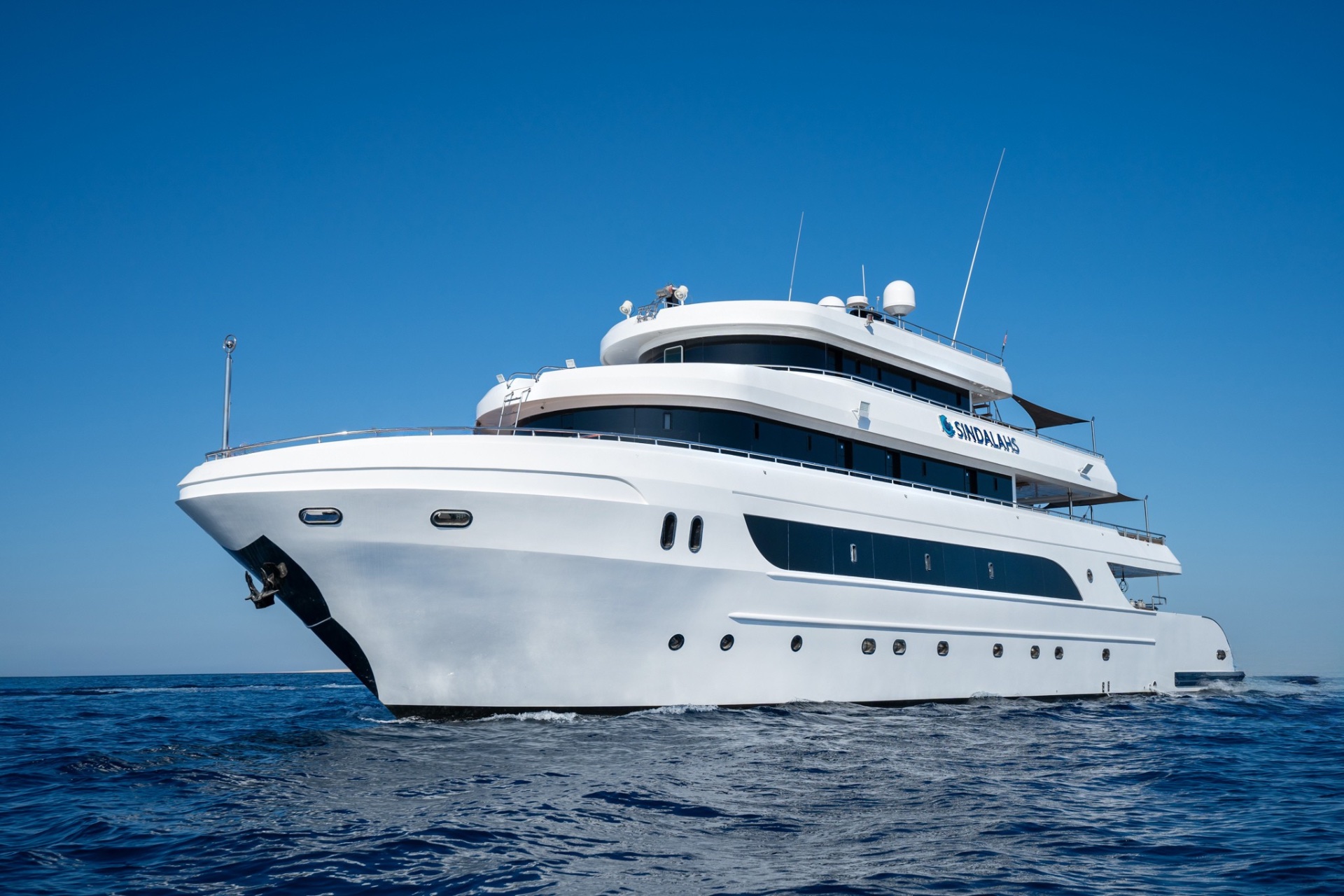
Sindalahs
Egypt
26 guests38 m
$155/day
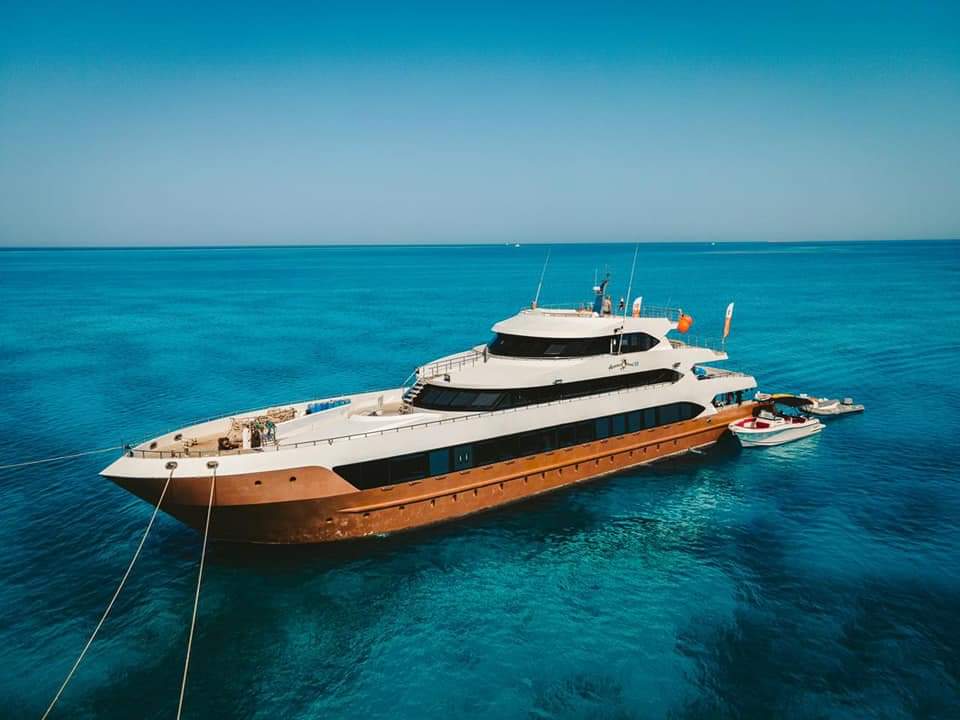
Hammerhead II
Egypt
20 guests
$172/day
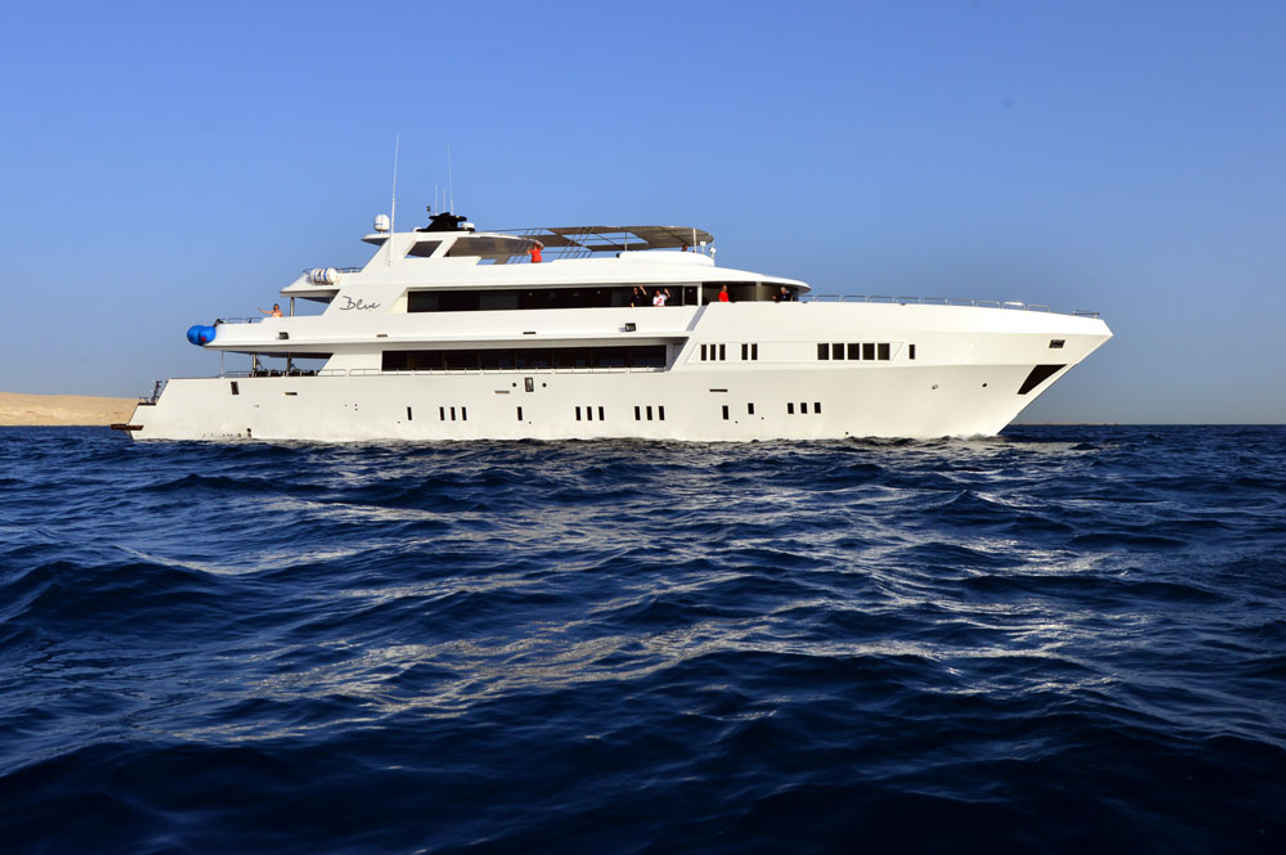
Blue Liveaboard
Egypt
24 guests43 m
$172/day
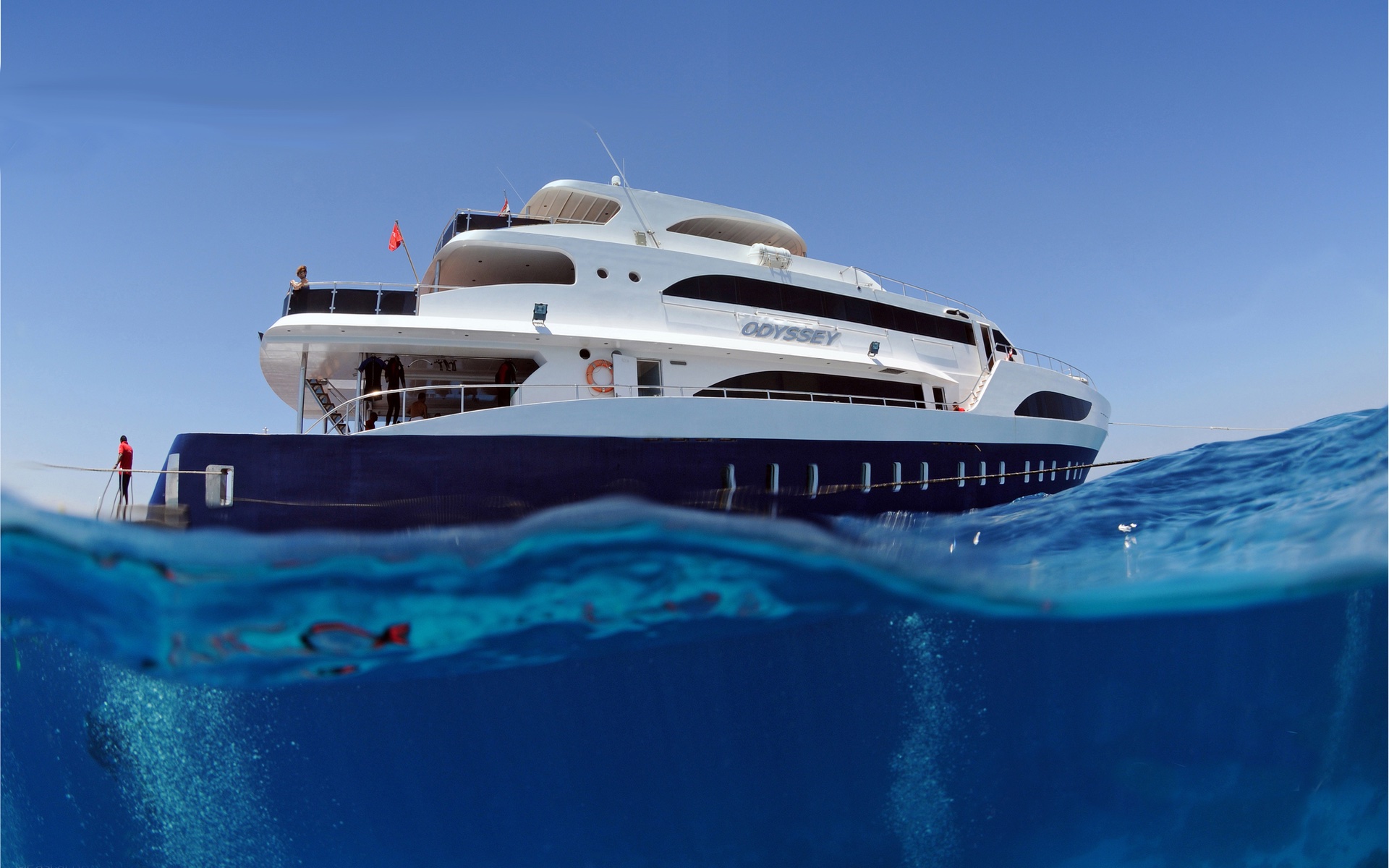
Odyssey
Egypt
26 guests40 m
$185/day
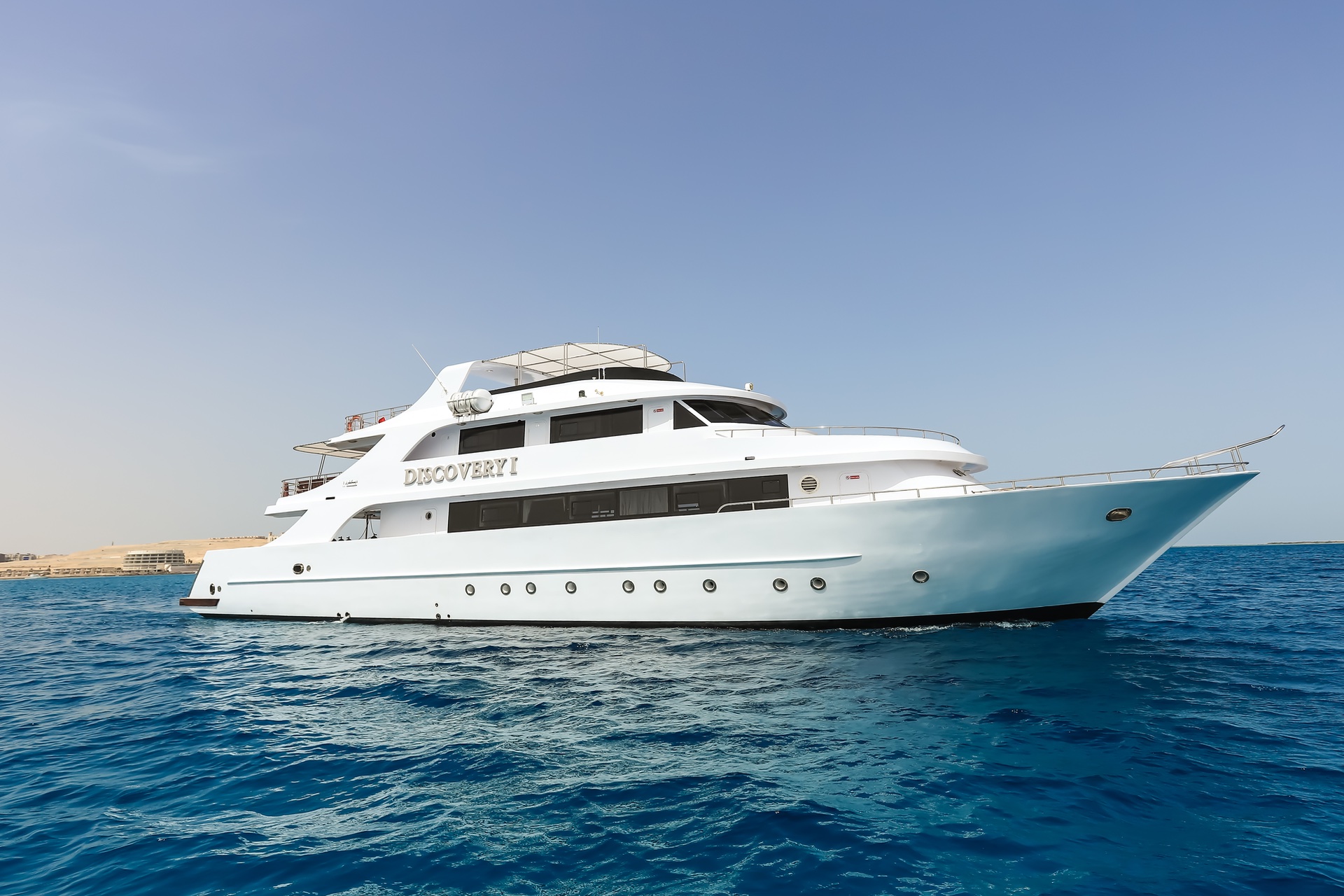
Discovery I
Egypt
20 guests
$104/day
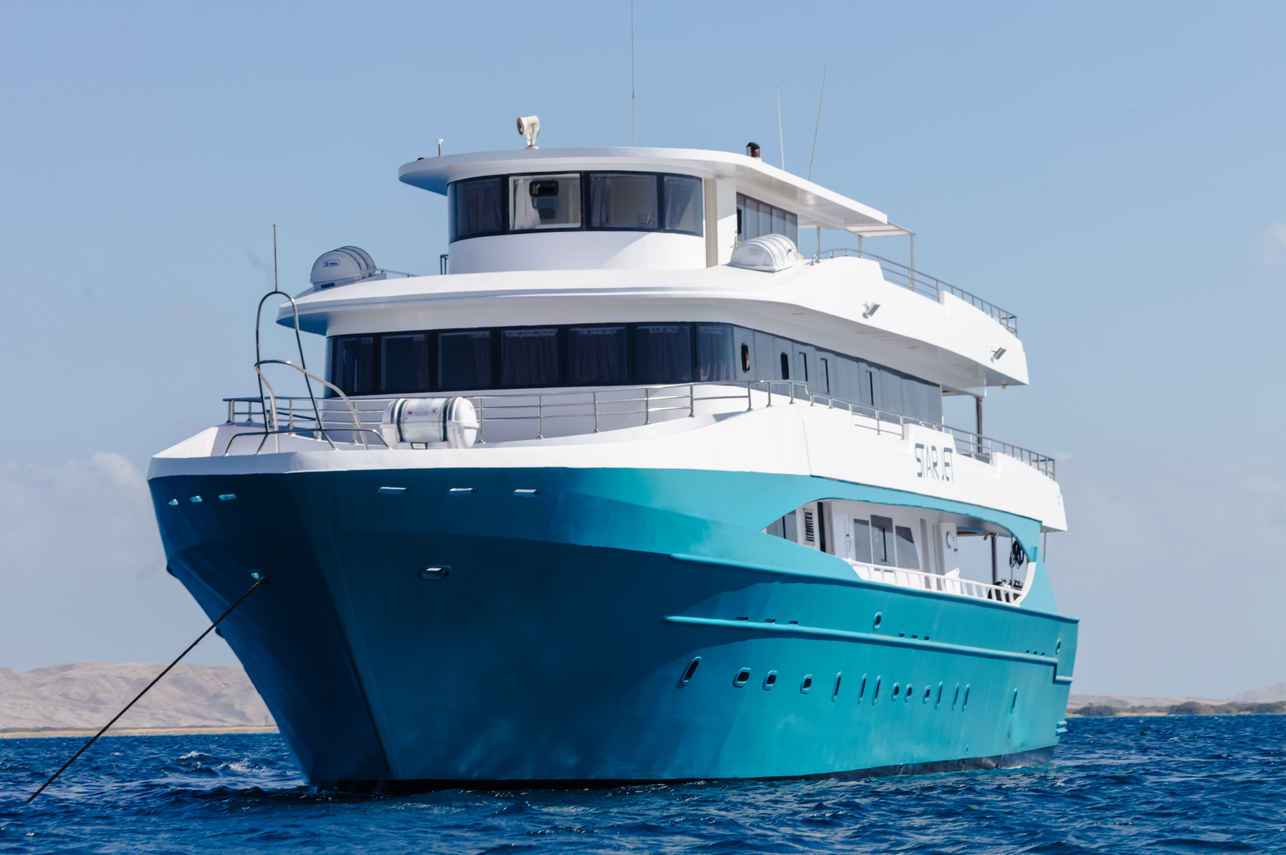
Star Jet
Egypt
28 guests35 m
$145/day
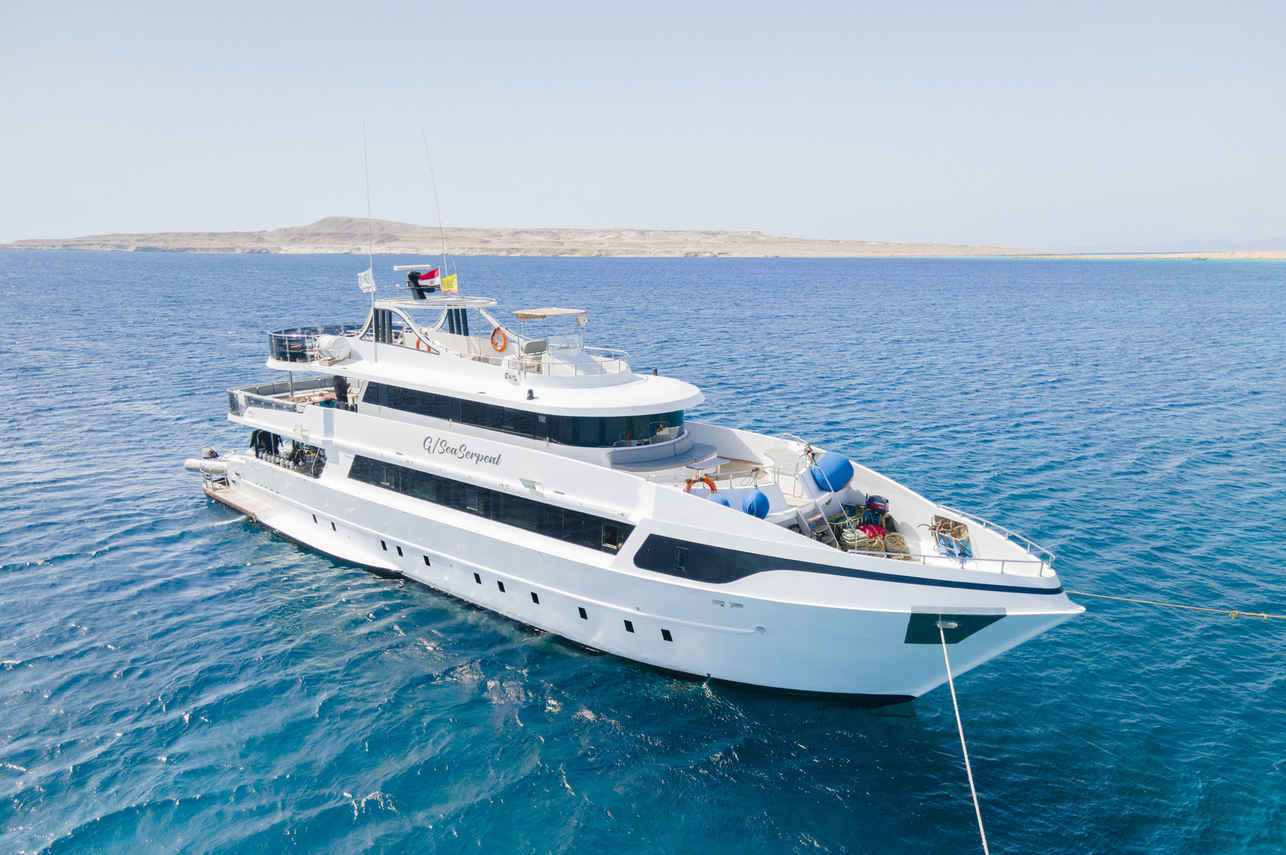
SS Serena Dreams
Egypt
18 guests33 m
$159/day
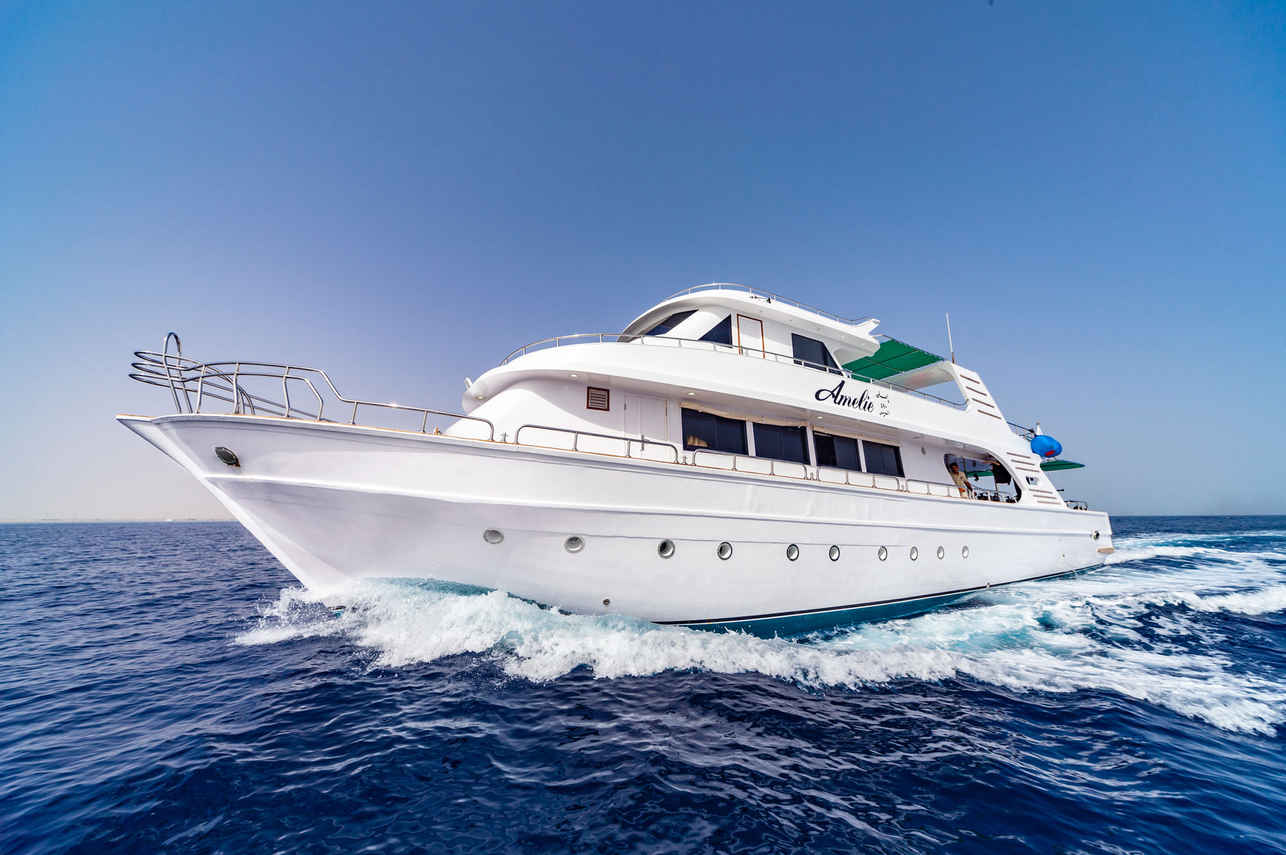
Amelie
Egypt
12 guests23 m
$115/day
Dive sites similar to Shark Observatory
Same character, same waters — six more sites divers love for the exact same reasons.Compare seasons, access and liveaboard routes — then pick the site that fits your trip best.
© Esri — Maxar, Earthstar, GIS
Carless Reef
Egypt
Carless Reef is a renowned advanced dive site near Hurghada, notable for its two prominent coral pinnacles that rise from a sandy bottom at 30 meters.
- Suitable for
- Advanced
- Current
- Strong
- Access
- Dayboat
- Depth
- 15–40 m
- Theme
- Reef / Drift
© Esri — Maxar, Earthstar, GIS
Gordon Reef
Egypt
Gordon Reef is the southernmost of the four prominent coral formations situated in the narrow Straits of Tiran, which separate the Gulf of Aqaba from the main Red Sea.
- Suitable for
- Intermediate
- Current
- Moderate
- Access
- Liveaboard only
- Depth
- 2–300 m
- Theme
- Reef
© Esri — Maxar, Earthstar, GIS
Far Garden
Egypt
Far Garden is a prominent dive site located in Sharm El Sheikh, serving as the northern headland of the adjacent Middle Garden site.
- Suitable for
- Beginner
- Current
- Moderate
- Access
- Shore / dayboat
- Depth
- 1–45 m
- Theme
- Reef / Drift
© Esri — Maxar, Earthstar, GIS
Tobia Arbaa
Egypt
Tobia Arbaa, also widely recognized as the "Seven Pillars," is a highly regarded dive site situated in Egypt, easily accessible via a short speedboat ride from Safaga or Soma Bay.
- Suitable for
- Beginner
- Current
- Mild
- Access
- Liveaboard or dayboat
- Depth
- 10–16 m
- Theme
- Reef
© Esri — Maxar, Earthstar, GIS
Alexandria
Egypt
Alexandria offers a truly unique diving experience in Egypt, differing significantly from the vibrant coral reefs of the Red Sea.
- Suitable for
- Beginner
- Current
- Moderate
- Access
- Liveaboard or dayboat
- Depth
- 5–8 m
- Theme
- Reef
© Esri — Maxar, Earthstar, GIS
Big Brother
Egypt
Big Brother Island, a prominent pinnacle in the southern Red Sea, rises from significant depths approximately 60 miles off the Egyptian coast near El-Quseir.
- Suitable for
- Advanced
- Current
- Strong
- Access
- Liveaboard only
- Depth
- 8–85 m
- Theme
- Drift / Wreck