About Abu Nuhas
Abu Nuhas, often called the "ship's graveyard" of the Red Sea, is a triangular coral reef situated at the northern edge of the Strait of Gubal. Its low-lying, nearly invisible nature beneath the surface, combined with its location in a busy shipping lane for vessels heading to and from the Suez Canal, has led to numerous shipwrecks over more than 150 years. The reef's name, meaning "father of copper," originates from the copper cargo of the Carnatic, which sank in 1869, predating the modern cargo ships that now share its watery resting place. Four primary wrecks—the Giannis D, Carnatic, Chrisoula K, and Kimon M—are clustered on the northern side of the reef. These vessels lie in depths ranging from approximately 4 to 32 meters, allowing divers to explore two wrecks comfortably within a single day. The southern side of the reef, where dive boats typically moor, offers calmer conditions and vibrant coral gardens, providing an excellent location for safety stops or less wreck-focused dives. While the area is renowned for its wrecks, the reef itself is teeming with marine life, including glassfish, anthias, butterflyfish, lionfish, moray eels, and scorpionfish sheltering within the wreck structures. Napoleon wrasse, parrotfish, and jacks are common on the reef, with occasional sightings of reef sharks in deeper sections. The clear waters and diverse ecosystem make Abu Nuhas an engaging site for both wreck enthusiasts and general marine life observers. Due to its exposed location facing the prevailing wind, surface conditions at Abu Nuhas can occasionally be rough, making some trips weather-dependent. Currents vary from mild to strong with the tide, particularly affecting the deeper wrecks. Divers comfortable with moving water and possessing solid buoyancy control will find the site highly rewarding, offering exceptional visibility typically between 15 and 30 meters.
Highlights
Four famous shipwrecksGiannis D's tilted hullCarnatic's atmospheric interiorAbundant reef fishExcellent visibility"Ship's graveyard" historySheltered reef for safety stops
Season calendar
Best months to dive here
Jan
Feb
Mar
Apr
May
Jun
Jul
Aug
Sep
Oct
Nov
Dec
Excellent
Good
Dive site facts: Abu Nuhas
- Depth
- 4–32 m
- Typical dive
- 16–30 m, 50–60 min (on two wrecks)
- Current
- Mild to strong
- Visibility
- 15–35 m
- Water temperature
- 21–30°C
- Entry
- Tender / negative entry
- Level
- Intermediate to Advanced
- Dive type
- Wreck, reef
- Region / port
- Hurghada
- Coordinates
- 27.5833, 33.9167
Conditions & Currents
Abu Nuhas's exposed northern position means that surface conditions can be rough, and currents can range from mild to strong, depending on tidal flow. The deeper wrecks, in particular, may experience more significant current. Divers should be prepared for moving water and maintain solid buoyancy control, especially when navigating around the wreck structures which can be silty in places. Entry is typically by tender, with divers descending quickly onto the wrecks to avoid surface chop. Visibility is generally excellent, ranging from 15 to 30 meters, aided by its open-water location away from harbor silt. While thermoclines are not typically a dominant feature, water temperatures fluctuate seasonally. Always follow your guide's instructions regarding current direction and entry/exit procedures.
Marine life & sighting chances

Glassfish
common
Anthias
common
Butterflyfish
common
Lionfish
common
Moray Eel
common
Scorpionfish
common
Napoleon Wrasse
occasional
Parrotfish
occasional
Jacks
occasional
Reef Shark
rareDive profile & how the dive runs
A typical dive day at Abu Nuhas involves two dives on two different wrecks, often followed by a safety stop along the shallow reef. The Giannis D is frequently the first dive due to its depth and dramatic structure, often explored via its stern section, bridge, and engine room. Divers will navigate along its port side, which lies at a steep angle, observing the A-frame derricks that extend towards the surface, providing a natural turning point. The second dive often focuses on the shallower Carnatic, known for its atmospheric internal structure. Descent is usually via a line to the wreck, with buoyancy carefully maintained to avoid stirring up silt inside. The dive typically progresses along the length of the wreck, exploring various compartments and cargo holds. Safety stops are often conducted on the vibrant, coral-rich southern side of the Abu Nuhas reef, which offers calmer conditions and a different ecological perspective before ascending to the surface.
Underwater photography
Abu Nuhas is a prime location for wreck photography, offering diverse subjects from wide-angle shots of entire vessels to macro details on their encrusted structures. For the Giannis D, a wide-angle lens is ideal to capture the dramatic tilted hull and the A-frame derricks against the blue, especially when sunlight penetrates the shallower sections. The Carnatic's more intact and atmospheric interiors benefit from strobes or video lights to illuminate the darker areas and bring out the textures of the encrusting corals. Be mindful of potential backscatter from silt, especially inside the wrecks; controlled buoyancy is crucial. For marine life on the wrecks, a macro lens can capture the small inhabitants like glassfish, morays, and scorpionfish. Clear conditions in spring and autumn enhance light penetration, perfect for vibrant underwater images.
Combine with nearby dive sites
- SS Thistlegorm
Another iconic Red Sea wreck, often combined on northern wreck itineraries.
- Shaab Abu Nuhas (Carnatic)
One of the four main wrecks at Abu Nuhas, known for its age and copper cargo.
- Ras Mohammed
A national park known for vibrant reefs and diverse marine life.
- Tiran Island
Offers deep walls and strong currents, attracting pelagic species.
- Rosalie Moller
A deep wreck requiring advanced diving skills, sometimes visited on extended northern itineraries.
Getting there & logistics
Diving Abu Nuhas is typically done as a day trip from Hurghada or as part of a northern Red Sea liveaboard itinerary. Hurghada International Airport (HRG) is the primary gateway, with direct flights from many European cities and connections via Cairo for longer international travel. Liveaboards departing from Hurghada offer the most comprehensive access to the wrecks, with typical trips lasting 7 nights/8 days. Daily diving operations from Hurghada also offer special requests to visit Abu Nuhas, often requiring a minimum group size and favorable weather. While there are no specific marine park fees for Abu Nuhas itself, liveaboard trips often include a general Red Sea fee. Divers should inquire about equipment rental in advance if not bringing their own.
Safety & environment
The nearest recompression chamber is located in Hurghada, which is the primary departure point for dives to Abu Nuhas. All divers should ensure they have comprehensive dive insurance that covers emergency medical treatment and evacuation, as incidents requiring medical attention may necessitate transport back to the mainland. Site-specific hazards at Abu Nuhas include strong currents and potential surge, particularly on the northern wreck side. Divers must maintain excellent buoyancy control, especially when exploring wreck interiors, to prevent entanglement or stirring up silt which can reduce visibility. Penetration should only be attempted by appropriately certified divers with proper training and equipment. Always follow the dive guide’s instructions, respect depth limits, and be aware of your air consumption for multi-wreck dives.
Who it suits — and who it doesn't
Suited for
- Certified wreck divers
- Advanced Open Water divers
- Photographers seeking unique wreck shots
- Divers comfortable with currents
- Those interested in maritime history
Less suited for
- Beginner divers without current experience
- Divers with poor buoyancy control
- Those prone to seasickness on rough surfaces
- Divers uninterested in wreck exploration
FAQ
Abu Nuhas FAQ
What makes Abu Nuhas unique among Red Sea dive sites?
Abu Nuhas is renowned as the "ship's graveyard" of the Red Sea, featuring four distinct, diveable wrecks on a single reef. This concentration of vessels, ranging from the historic Carnatic to the modern Giannis D, offers an unparalleled opportunity to explore diverse wreck types and their ecosystems within close proximity.
Which wrecks can be dived at Abu Nuhas?
The four main wrecks at Abu Nuhas are the Giannis D, the Carnatic, the Chrisoula K, and the Kimon M. The Giannis D is particularly famous for its dramatic tilted hull, while the Carnatic is the oldest and most atmospheric. Dive operators typically plan for two wreck dives per day, allowing exploration of two of these iconic sites.
Are there strong currents at Abu Nuhas?
Yes, currents at Abu Nuhas can range from mild to strong, especially on the northern side where the wrecks are located. The exposed nature of the reef means conditions can be variable, and divers should be comfortable with navigating in moving water. Your dive guide will assess conditions and plan dives accordingly.
What marine life can I expect to see at Abu Nuhas?
Beyond the wrecks themselves, Abu Nuhas hosts a vibrant array of marine life. Expect to see schools of glassfish, anthias, and butterflyfish around the structures. Lionfish, moray eels, and scorpionfish often shelter within the wreck compartments. The surrounding reef also teems with Napoleon wrasse, parrotfish, and occasional pelagics like jacks and reef sharks.
Is Abu Nuhas suitable for all diver levels?
Abu Nuhas is generally recommended for intermediate to advanced divers due to potential currents and the nature of wreck diving. Divers should possess good buoyancy control and comfort in deeper environments. While some shallower sections exist, maximizing the experience of the famous wrecks often requires a higher skill level.
Can I combine a trip to Abu Nuhas with other dive sites?
Absolutely. Abu Nuhas is a popular stop on northern Red Sea liveaboard itineraries, often combined with other famous wrecks like the SS Thistlegorm and vibrant reef systems at Ras Mohammed or Tiran Island. Day trips from Hurghada can also be arranged, sometimes as a special request for groups.
Why dive Abu Nuhas from a liveaboard?
Abu Nuhas is one of Egypt's signature dive sites. A liveaboard sleeps you on the water and puts you in the water for three to four guided dives per day, including dawn and night dives that day-boat operators rarely offer. You skip the daily commute back to port and reach quieter, less-crowded sites in the same region on a single trip.
Below are the liveaboards that include Abu Nuhas on their Egypt itineraries.
Liveaboards diving Abu Nuhas
These liveaboards may visit Abu Nuhas on selected itineraries — the exact dive sites depend on departure, weather and conditions.
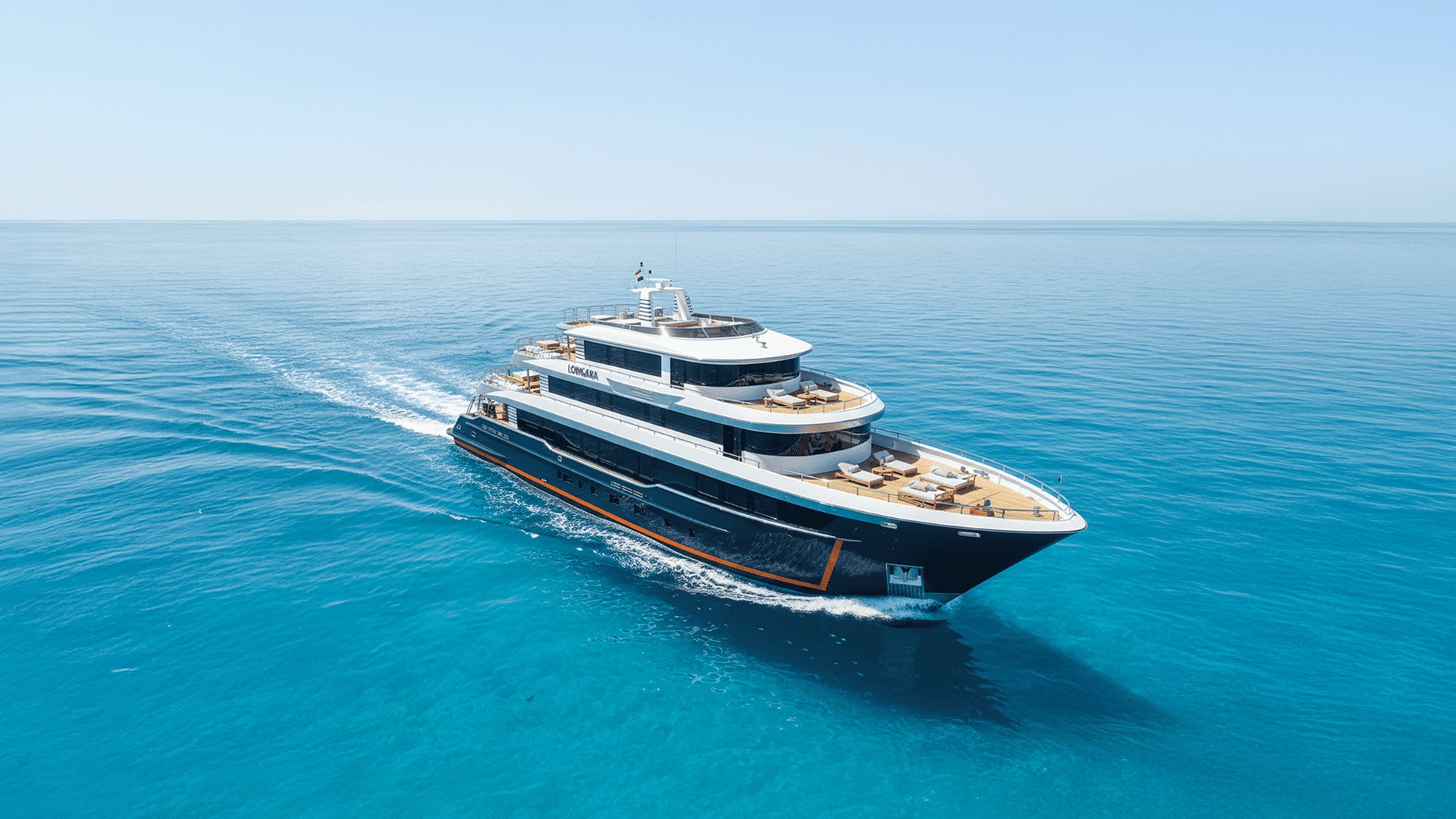
DUNE Longara
Egypt
30 guests
$150/day
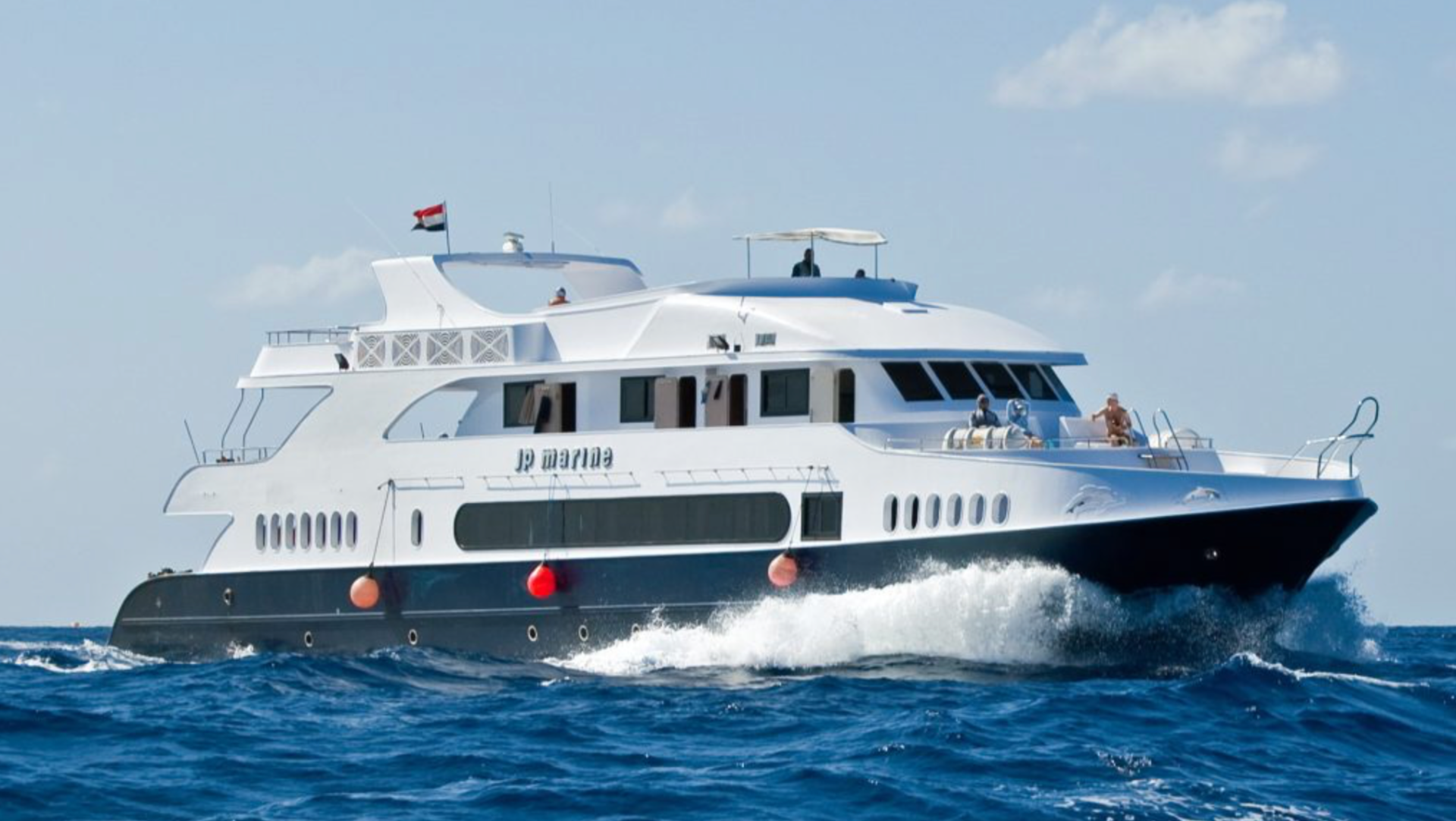
JP Marine
Egypt
28 guests
$109/day
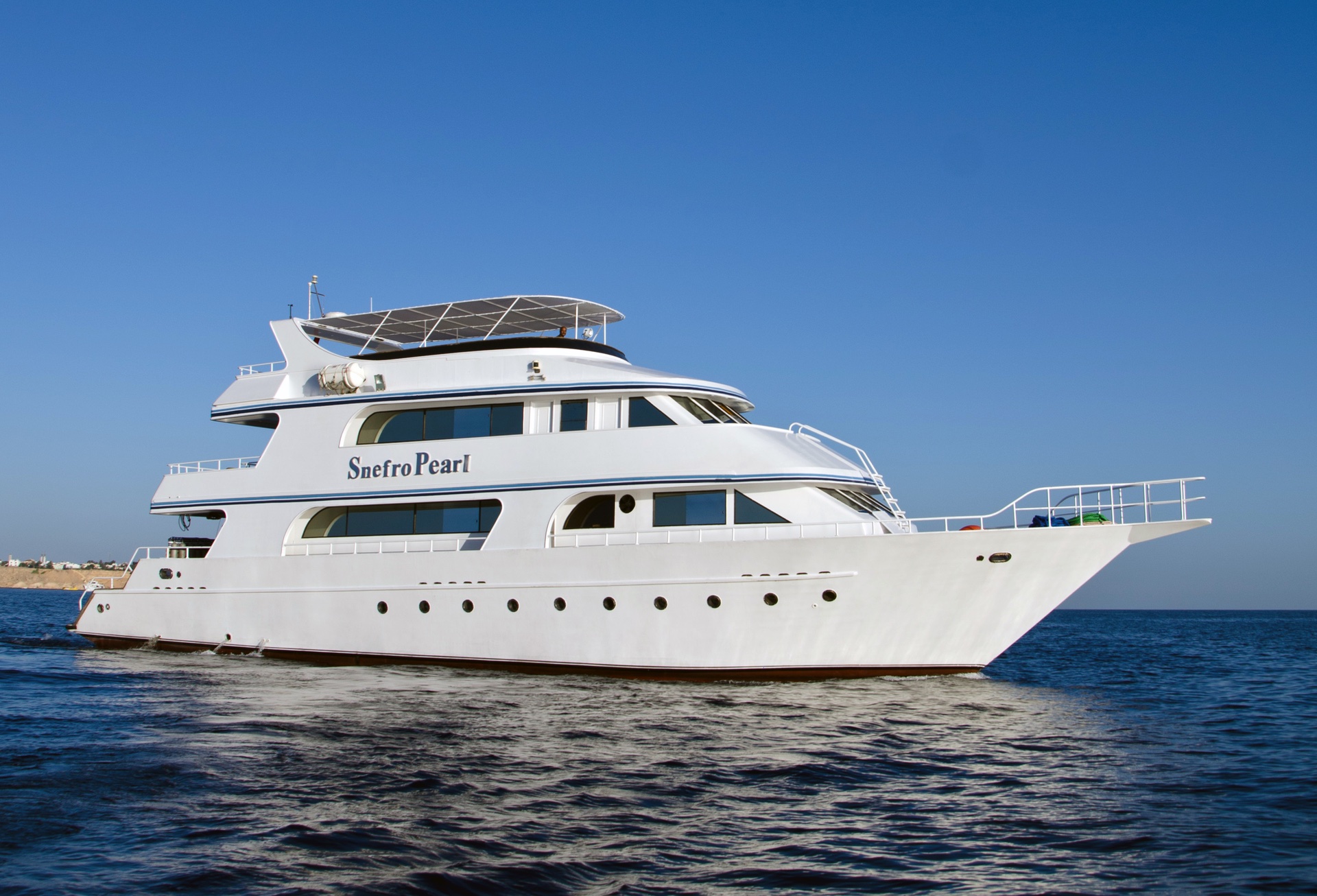
Snefro Pearl
Egypt
12 guests
$150/day
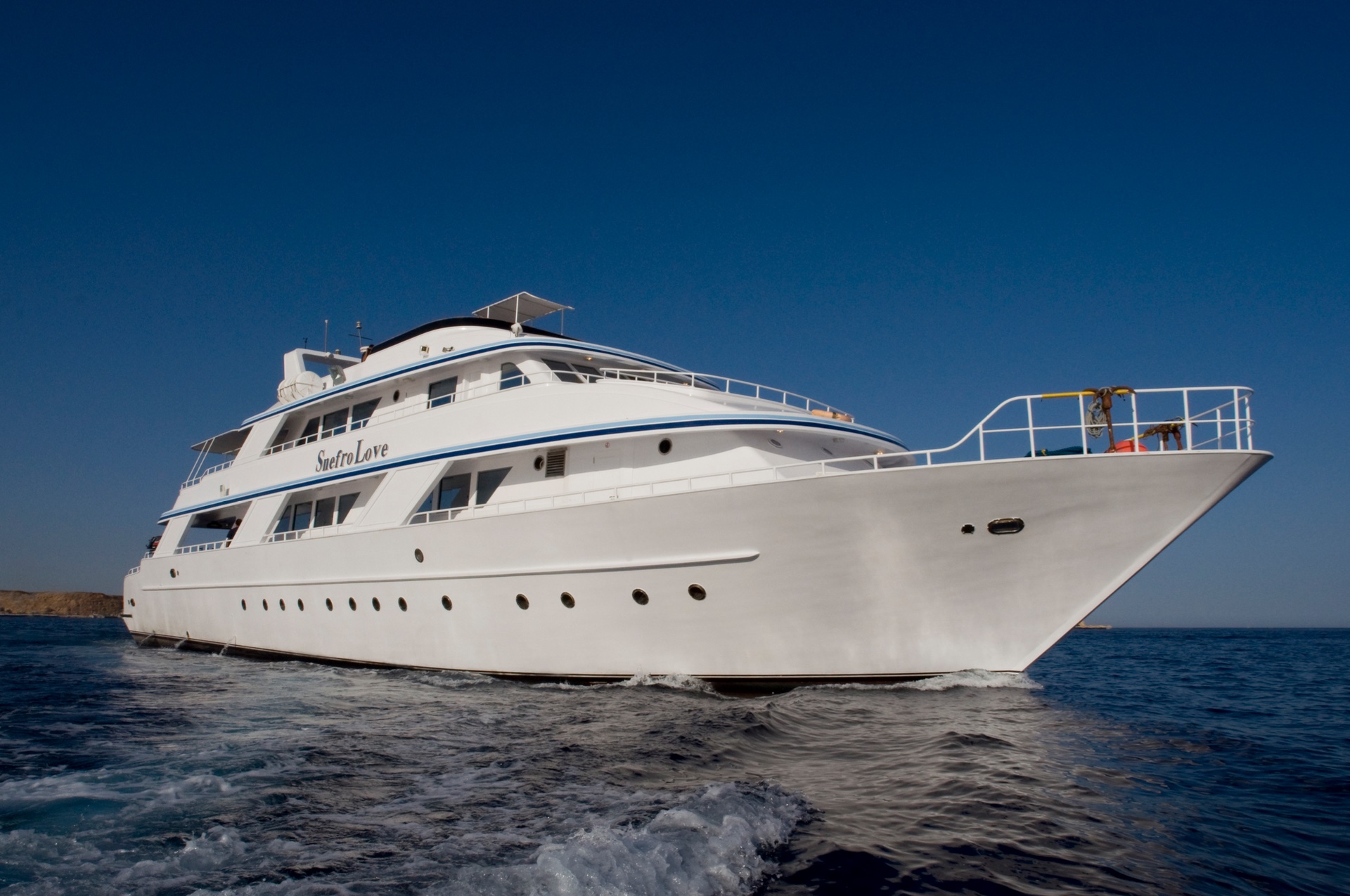
Snefro Love
Egypt
20 guests
$154/day
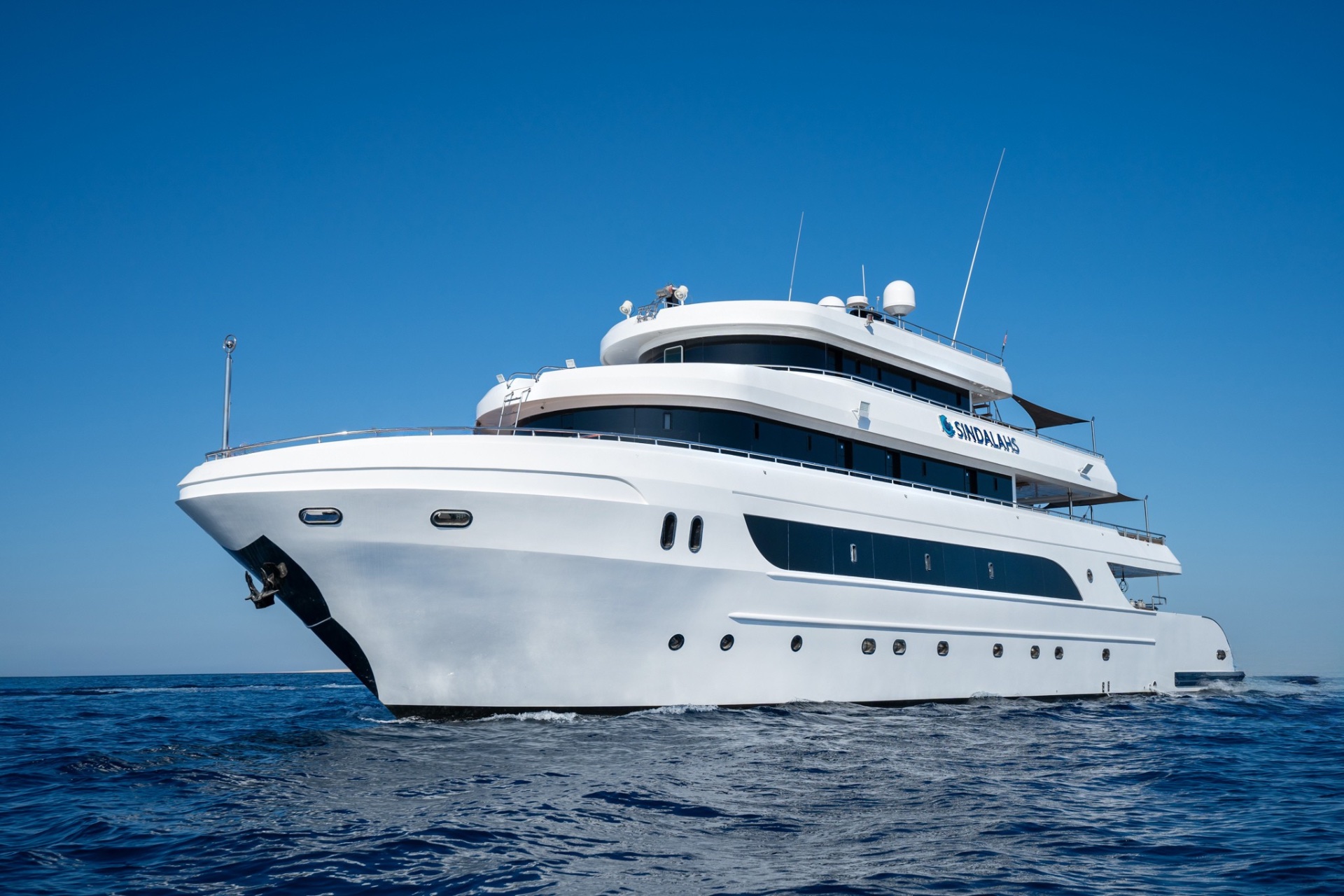
Sindalahs
Egypt
26 guests38 m
$155/day
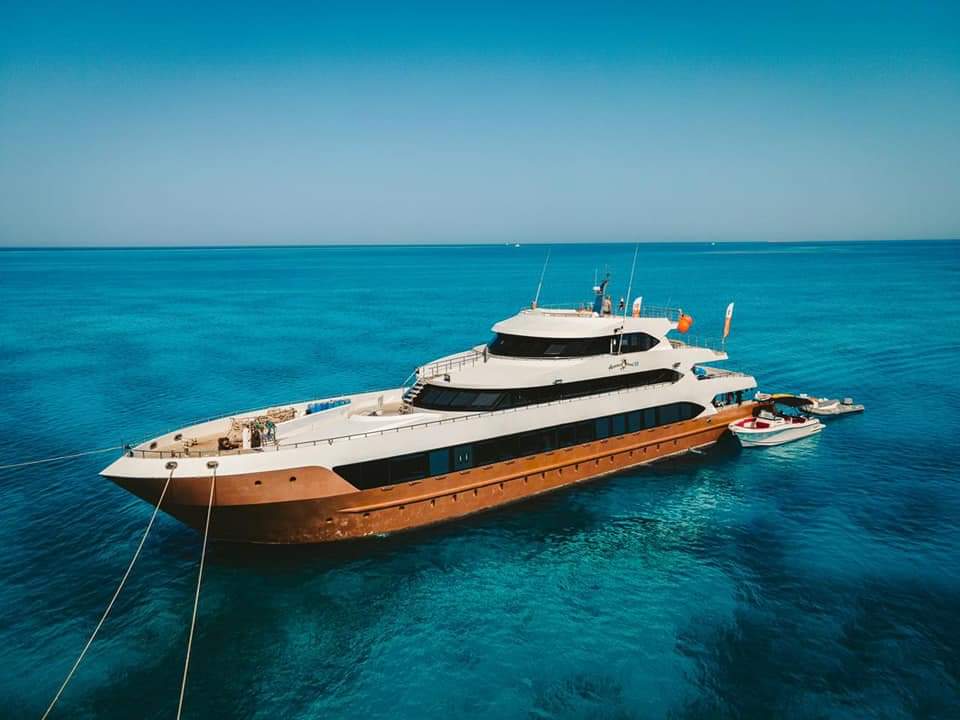
Hammerhead II
Egypt
20 guests
$172/day
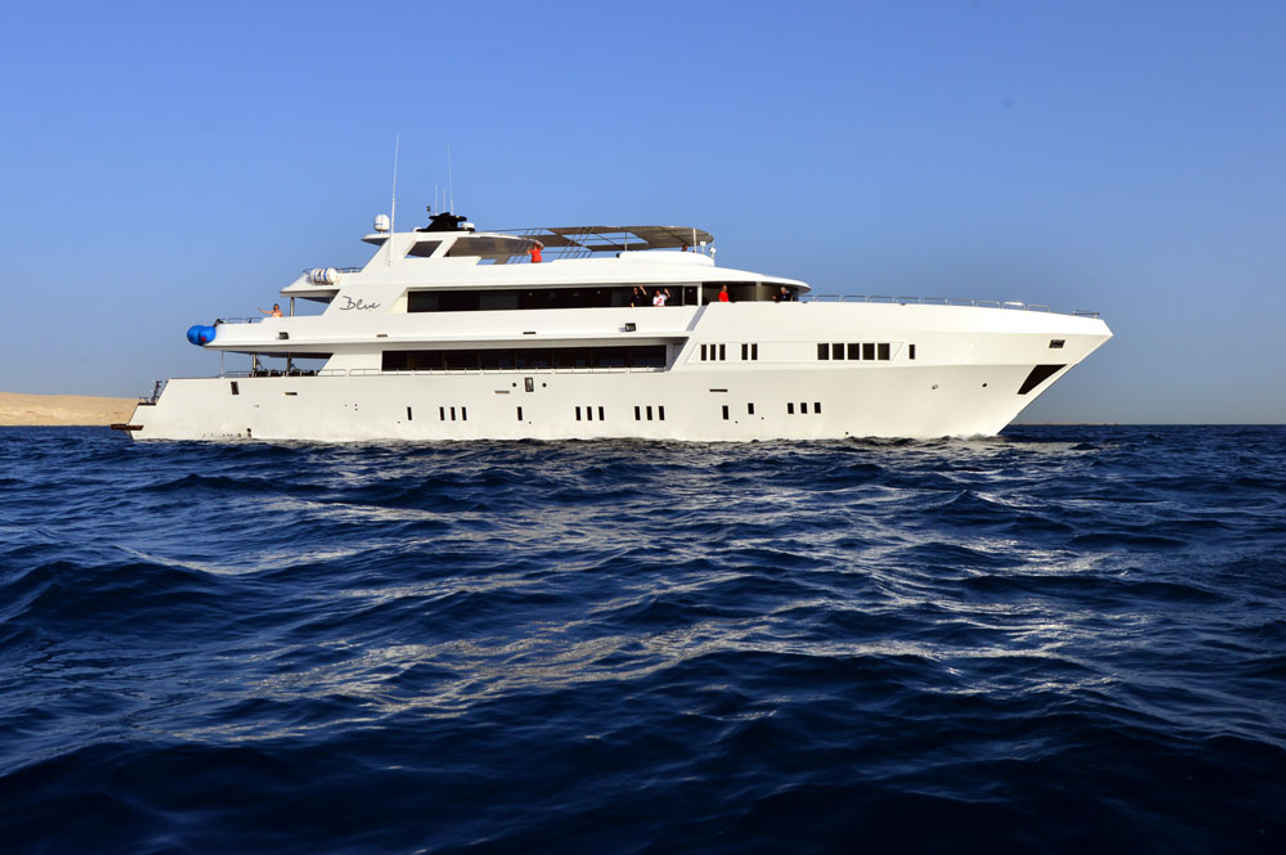
Blue Liveaboard
Egypt
24 guests43 m
$172/day
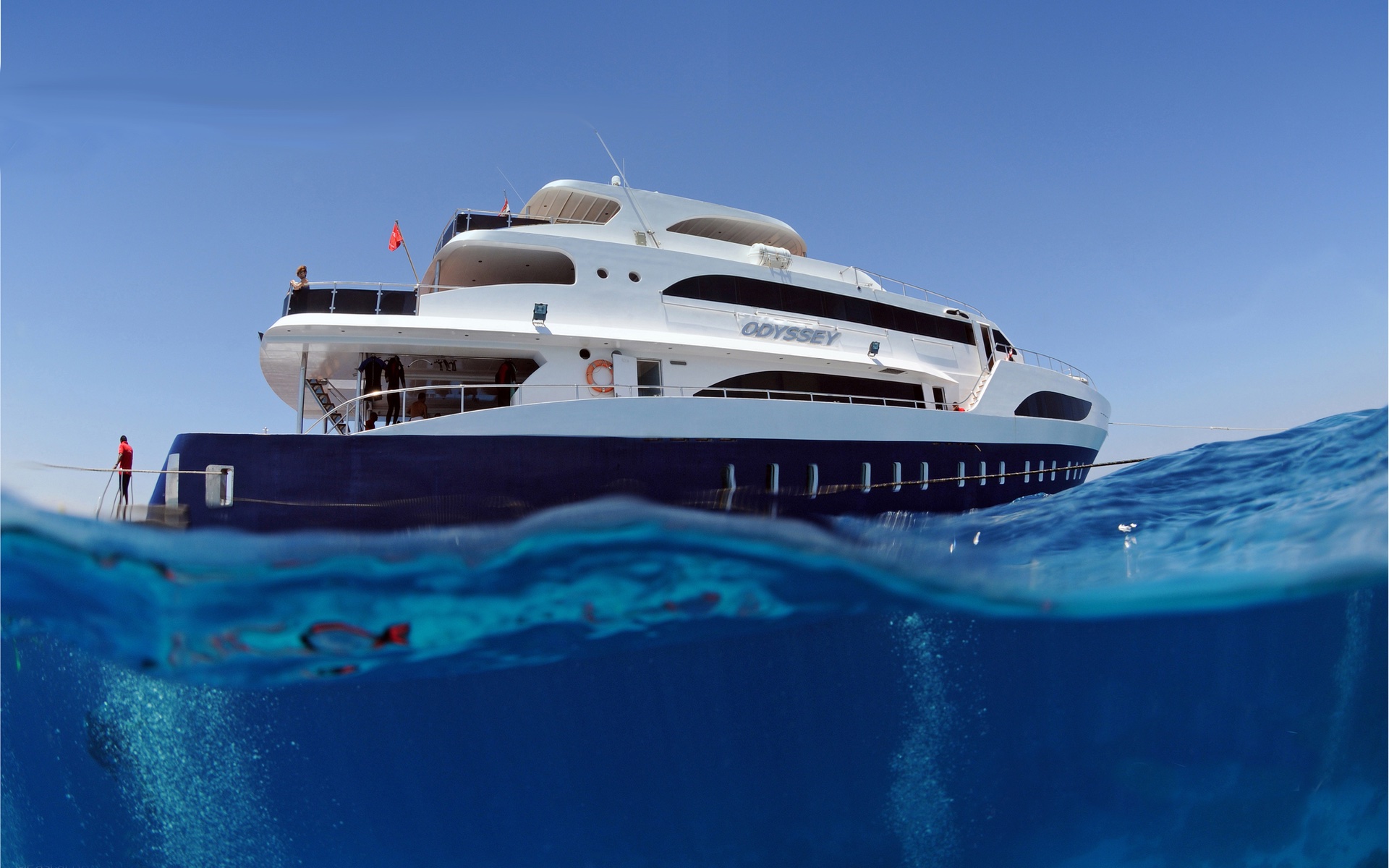
Odyssey
Egypt
26 guests40 m
$185/day
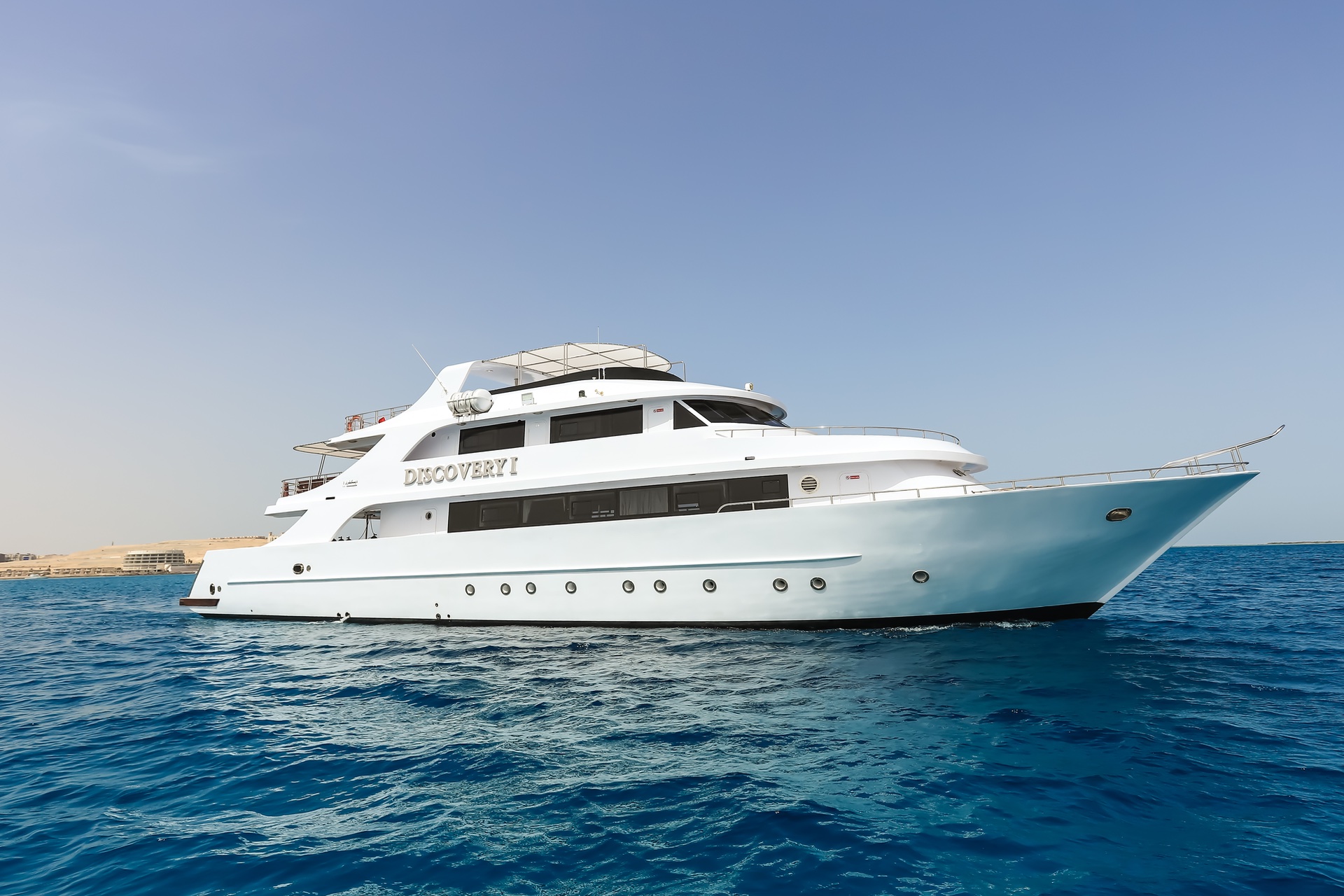
Discovery I
Egypt
20 guests
$104/day
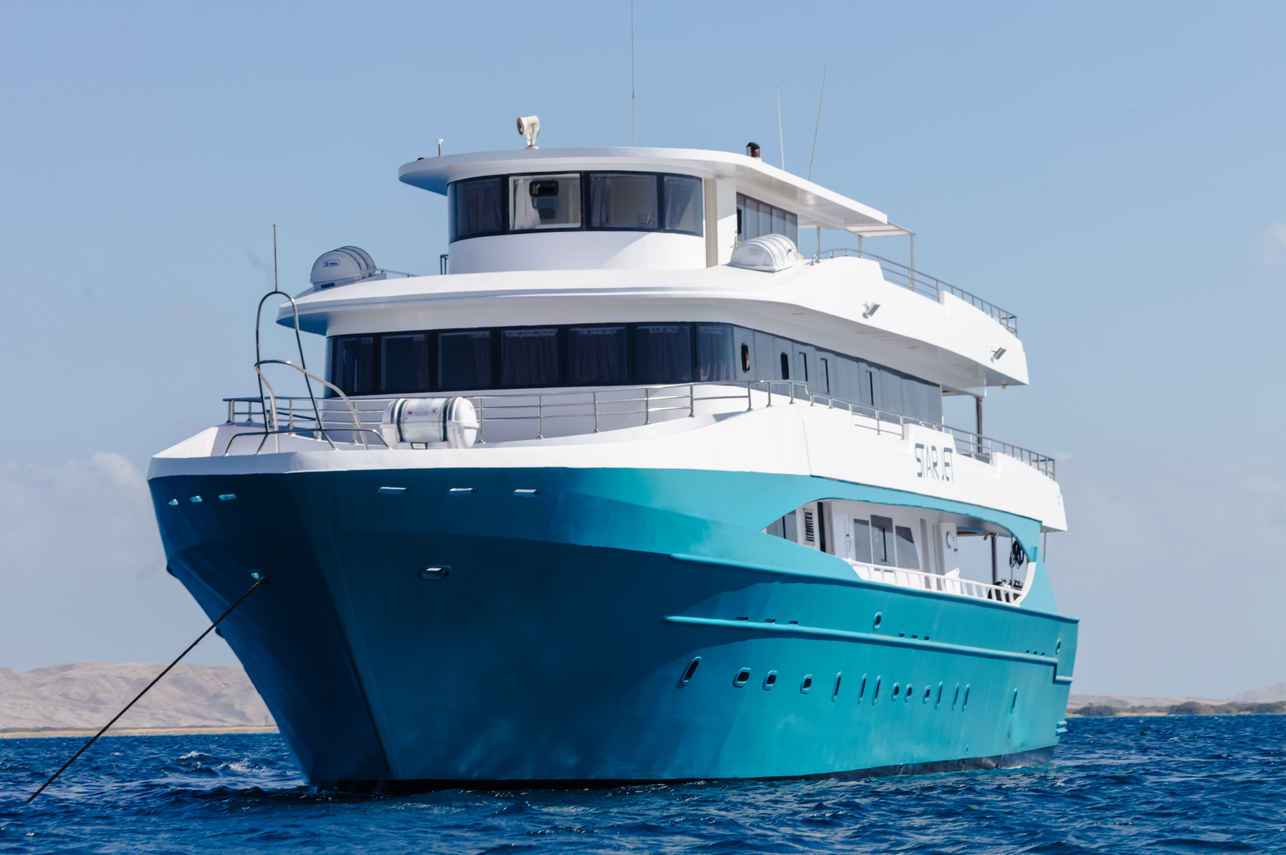
Star Jet
Egypt
28 guests35 m
$145/day
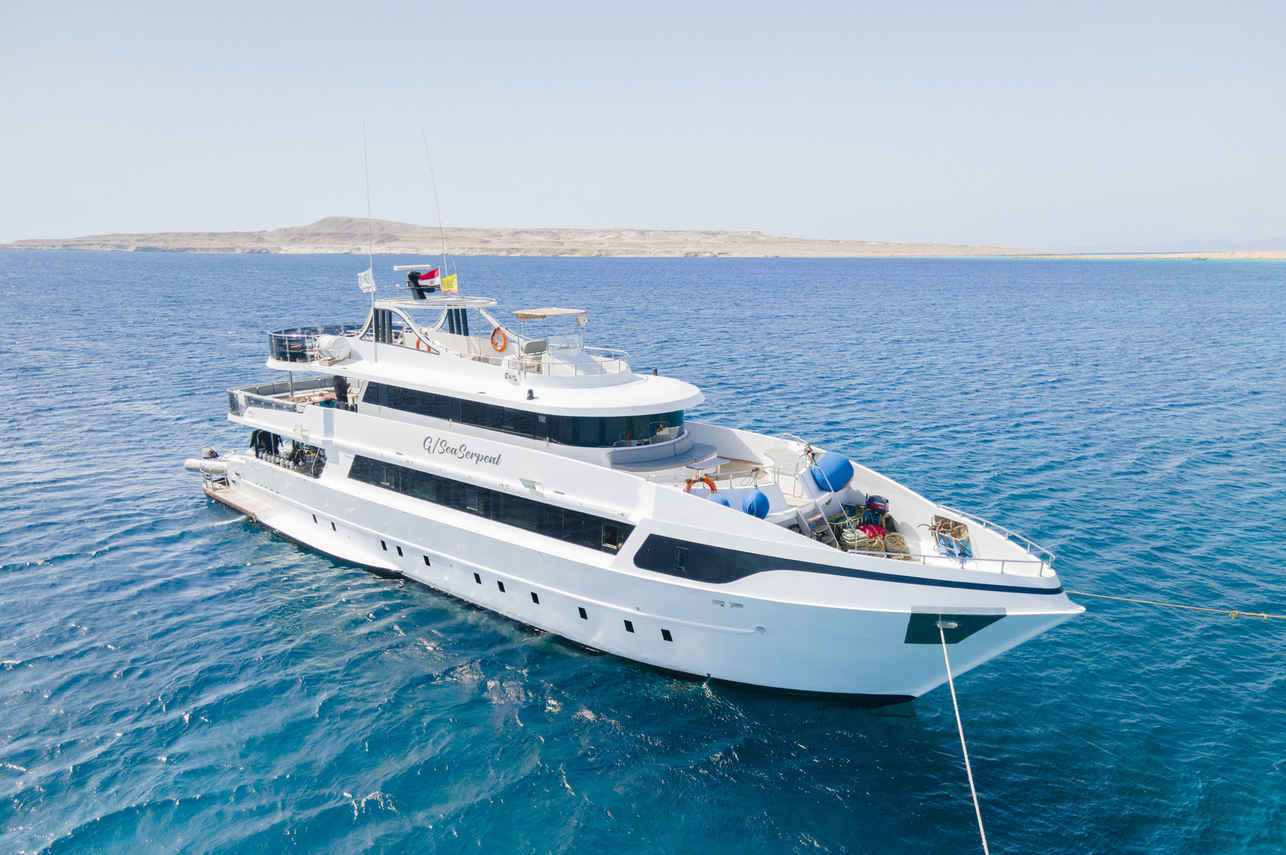
SS Serena Dreams
Egypt
18 guests33 m
$159/day
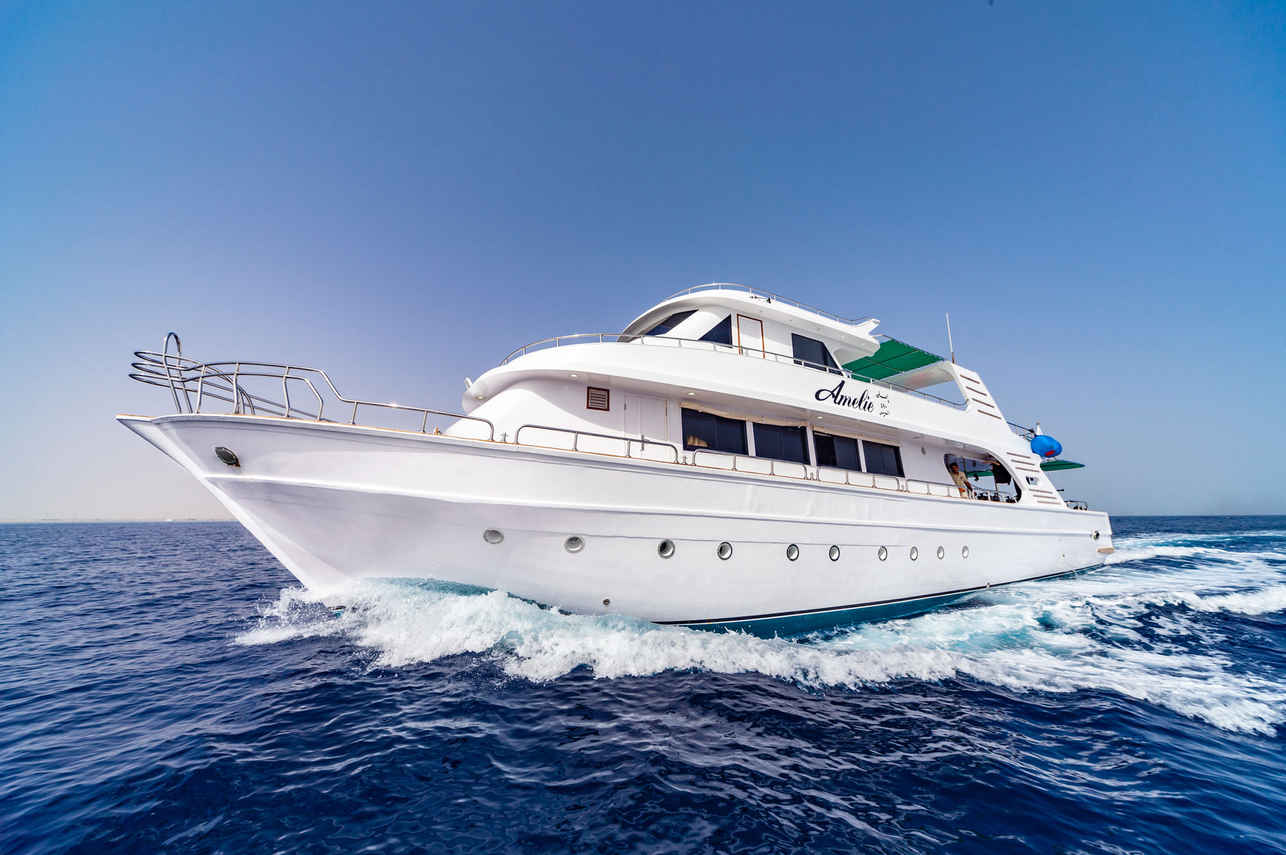
Amelie
Egypt
12 guests23 m
$115/day
Dive sites similar to Abu Nuhas
Same character, same waters — six more sites divers love for the exact same reasons.Compare seasons, access and liveaboard routes — then pick the site that fits your trip best.
The Lara is the remnant of a 137-meter cargo vessel that became stranded on the northern edge of Jackson Reef in 1982. Initially, the ship rested intact on the reef, but it was…
- Suitable for
- Advanced
- Current
- Strong
- Access
- Liveaboard only
- Depth
- 45–55 m
- Theme
- Wreck
© Esri — Maxar, Earthstar, GIS
Big Brother
Egypt
Big Brother Island, a prominent pinnacle in the southern Red Sea, rises from significant depths approximately 60 miles off the Egyptian coast near El-Quseir.
- Suitable for
- Advanced
- Current
- Strong
- Access
- Liveaboard only
- Depth
- 8–85 m
- Theme
- Drift / Wreck
© Esri — Maxar, Earthstar, GIS
Mohamed Hasabella
Egypt
The Mohamed Hasabella is the wreck of a fishing boat located in the waters off Hurghada, Egypt.
- Suitable for
- Advanced
- Current
- Moderate
- Access
- Dayboat
- Depth
- 25–33 m
- Theme
- Wreck
© Esri — Maxar, Earthstar, GIS
The Khanka, often called the “Russian Wreck,” is believed to be a Russian spy ship, specifically a MOMA (Project 861M) Class vessel with an “SSV” (Sudno Svyazyy, or communications vessel) designation on its hull.
- Suitable for
- Intermediate
- Current
- Moderate
- Access
- Liveaboard only
- Depth
- ≤ 24 m
- Theme
- Wreck
© Esri — Maxar, Earthstar, GIS
SS Thistlegorm
Egypt
The SS Thistlegorm is one of the world's most renowned shipwrecks, a British cargo vessel sunk during World War II. It lies in the Strait of Gubal, a narrow passage connecting the…
- Suitable for
- Advanced
- Current
- Strong
- Access
- Liveaboard or dayboat
- Depth
- 18–30 m
- Theme
- Wreck
The Giannis D, a Greek cargo ship, sank in April 1983 after running aground on the northwestern corner of Sha'ab Abu Nuhas, a prominent reef known as the "ship graveyard" in the Strait of Gubal.
- Suitable for
- Advanced
- Current
- Moderate
- Access
- Liveaboard or dayboat
- Depth
- 6–27 m
- Theme
- Wreck / Reef