Napoleon Wrasse
Cheilinus undulatus
About Napoleon Wrasse
Also called humphead wrasse, this impressive reef fish can grow over 2 meters. Distinguished by prominent forehead hump and thick lips.
Quick Facts
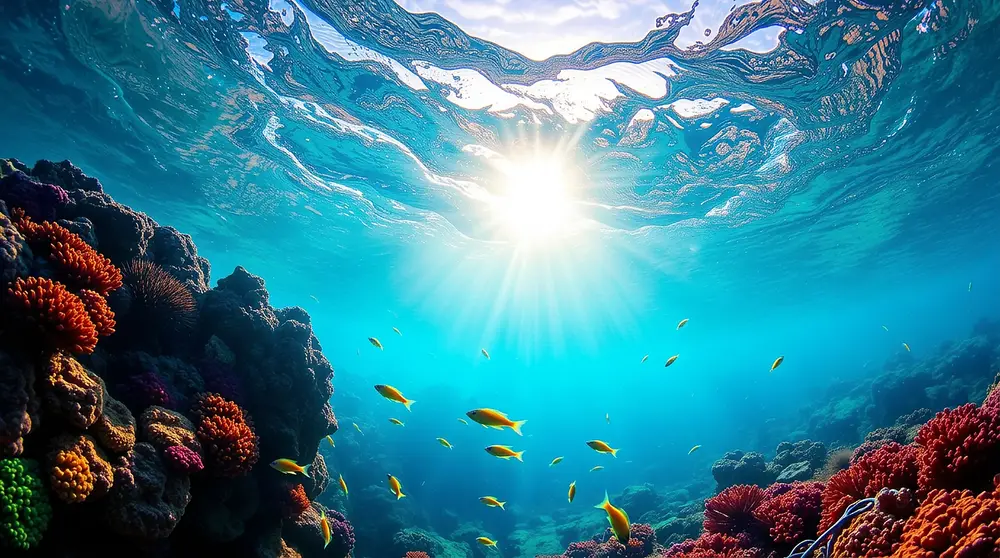
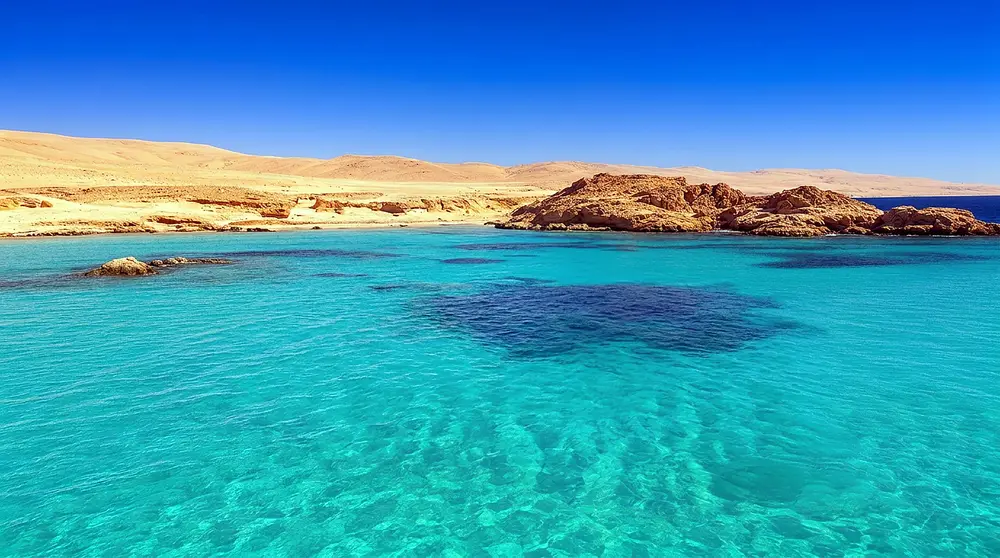
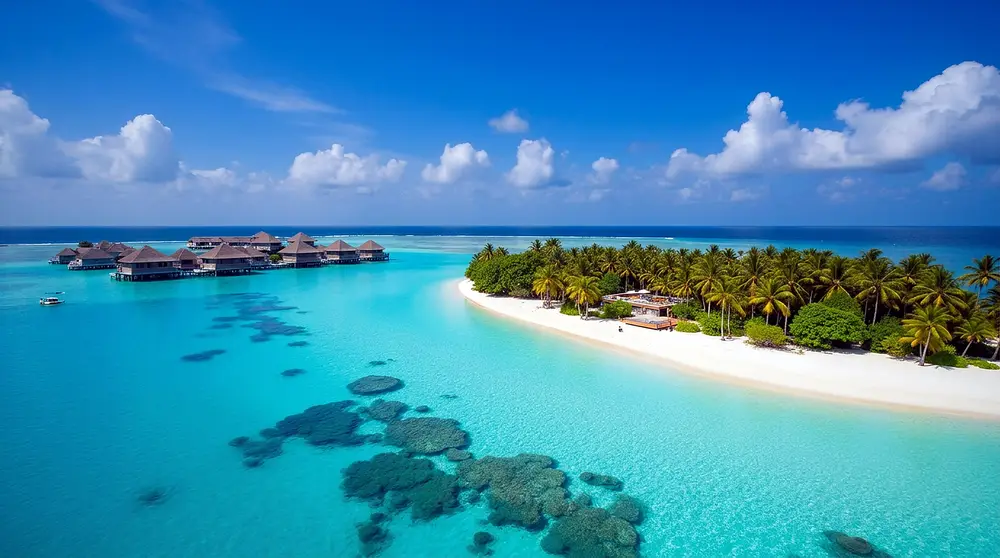
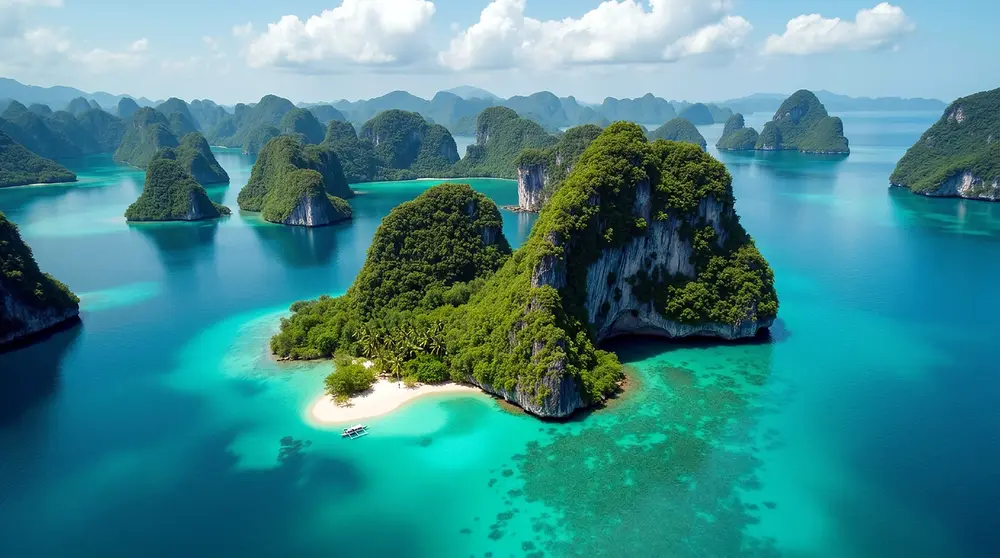
- Habitat: The Napoleon Wrasse, also known as the Humphead Wrasse, is a magnificent coral reef inhabitant found throughout the **Indo-Pacific region**, from the Red Sea and East Africa across to the central Pacific, including popular dive destinations like the **Great Barrier Reef**, the **Maldives**, and the **Philippines**. These impressive fish typically favor the **outer reef slopes** and channels, often at depths ranging from 1 to 100 meters, though they are most commonly encountered between **5 and 30 meters**. Juveniles tend to inhabit shallower, more protected reef areas with high coral cover. Adults often display a preference for areas with **clear water** and abundant stony and soft corals, where they can forage effectively. They are generally seen as solitary individuals or in small, loose groups, migrating between feeding grounds and specific resting sites within their home range. Their presence is often indicative of a **healthy coral ecosystem**.
- Diet: The Napoleon Wrasse is a **voracious carnivore** with a highly specialized diet, primarily feeding on a variety of **reef-associated invertebrates**. Their powerful jaws and **unique dental structure** allow them to crush the shells of mollusks, crustaceans, and echinoderms, including sea urchins and crown-of-thorns starfish. They are one of the few species known to prey on the **toxic crown-of-thorns starfish**, playing a crucial role in controlling populations of this coral predator. Their diet also includes a range of **benthic organisms** and occasionally small fish. They actively forage during daylight hours, often using their strong, protruding teeth to **turn over rocks** and access prey hidden within the reef structure. This active foraging behavior makes them an observable and engaging subject for divers.
- Best season: While Napoleon Wrasse can be encountered year-round in many parts of their extensive range, **peak sightings** often coincide with periods of **stable water temperatures** and visibility. In Southeast Asia, particularly in locations like **Raja Ampat** and **Palau**, the dry season from **October to April** generally offers the best diving conditions, with calmer seas and superb visibility, increasing the likelihood of spotting these impressive fish. For the Great Barrier Reef, the warmer months from **September to May** are excellent, as the water is comfortable and marine life is abundant. In the **Maldives**, the northeast monsoon season from **December to May** brings clear waters and strong currents along outer reefs, which often attract larger pelagic species, including the Napoleon Wrasse. Generally, periods of **minimal current** allow for easier observation as they leisurely cruise the reef, though they can also be seen in channels during stronger flows.
Fun Facts
They are one of the few predators of the toxic crown-of-thorns starfish,All Napoleon wrasses start life as female—some change to male later in life,Their lips become increasingly thick and fleshy with age,They can live for over 30 years and individuals are often recognised at specific dive sites
Diving Tips
Encountering a Napoleon Wrasse is always a highlight for divers. To maximize your chances, dive along **outer reef slopes**, near channels, and in areas with **vibrant coral growth**. Their distinctive **large size**, prominent hump on the forehead of males, and **thick, fleshy lips** make them easily identifiable. They are generally **curious but shy**, so maintain a **slow, calm approach** to avoid startling them. Avoid sudden movements or chasing, as this will only cause them to retreat. Allow the fish to approach you, if it chooses. It is **illegal and unethical** to feed any marine life, including Napoleon Wrasse, as this disrupts their natural foraging behavior and can make them dependent. Remember, these are **protected species**, listed as Endangered by the IUCN. Therefore, **passive interaction** is key; simply observe and enjoy their presence. Maintain **neutral buoyancy** to avoid contact with the reef and to minimize disturbance. When photographing, use **natural light** as much as possible and avoid excessive flash, which can be disorienting. If you observe them being fed or harassed by other divers, report it to your dive operator or local marine authorities. Enjoy the privilege of observing these magnificent, **gentle giants** in their natural habitat.