About Amirantes Atoll
The Amirantes Atoll, part of Seychelles' Outer Islands, stands as a remote diving frontier, renowned for its pristine marine environment and exclusive access. This region offers a unique blend of shallow, light-filled coral gardens and dynamic drop-offs, making it a diverse underwater landscape suitable for various dive interests. Its position on a shallow plateau, interspersed with deeper channels and seamounts, creates a habitat rich in biodiversity, attracting both resident reef dwellers and migratory pelagic species. Diving here reveals a vibrant ecosystem where healthy corals thrive, supporting an abundance of reef fish. Beyond the tranquil lagoons, dramatic walls and pinnacles plunge into deep waters, patrolled by various sharks and manta rays. The unique topography around islands like Desroches, with its extensive cave systems and gulleys, further enhances the exploratory appeal of the atoll, presenting an ever-changing environment for divers. The atoll’s relative isolation ensures uncrowded dive sites, offering a sense of discovery on every descent. The calm conditions within the shallow reefs are ideal for macro photography and leisurely exploration, while the strong tidal shifts near lagoon inlets create powerful drift opportunities, often leading to exhilarating encounters with larger marine life. This contrast defines the diving experience, from serene observation to adrenaline-fueled drifts. Access to the Amirantes is typically via liveaboard, which allows for comprehensive exploration of its numerous, often seldom-visited sites. The best conditions, characterized by calm seas and excellent visibility, are found during specific transitional months, optimizing the chances for incredible marine encounters and maximizing dive opportunities across this spectacular, untouched underwater world.
Highlights
Pristine coral gardensDramatic deepwater drop-offsFrequent pelagic encountersUncrowded, remote dive sitesExtensive cave systemsResident manta ray populationAbundant reef sharksUnique topography and channels
Season calendar
Best months to dive here
Jan
Feb
Mar
Apr
May
Jun
Jul
Aug
Sep
Oct
Nov
Dec
Excellent
Good
Dive site facts: Amirantes Atoll
- Depth
- 8–30 m
- Typical dive
- 15–25 m, 50–60 min
- Current
- Mild to strong, site-dependent
- Visibility
- 15–30 m+
- Water temperature
- 26–30 °C
- Entry
- Liveaboard / Zodiac, often drift entry
- Level
- Advanced Open Water recommended for some sites
- Dive type
- Reef, wall, drift, macro, pelagic
- Night dive
- Possible
- Region / port
- Seychelles Outer Islands
- Coordinates
- -5.35, 53.25
Conditions & Currents
Currents in the Amirantes Atoll can vary significantly, ranging from calm conditions within shallow lagoon flats to powerful, fast-paced drifts, particularly around lagoon inlets and deeper channels. Strong tidal shifts characterize some areas, creating dynamic drift opportunities where divers are carried along by the flow. While exhilarating for pelagic encounters, these strong currents necessitate excellent buoyancy control and active finning to maintain position and avoid contact with the reef. Divers must pay close attention to pre-dive briefings, as entry and exit strategies are often current-dependent, with negative entries sometimes required. Visibility generally remains excellent, frequently exceeding 30 meters, though localized conditions and recent rainfall can cause temporary reductions. Thermoclines are generally not a significant concern, with water temperatures consistently
Marine life & sighting chances

Reef sharks
Year round · common
Manta rays
October to May · common
Eagle rays
Year round · common
Marine turtles
Year round · common
Schooling reef fish
Year round · common
Sailfish
occasional
Whale sharks
occasional
Humphead wrasse
Year round · common
Barracuda
Year round · common
Tuna
Year round · common
Napoleon wrasse
Year round · common
Nudibranchs
Year round · commonDive profile & how the dive runs
Dives in the Amirantes Atoll frequently involve drift diving due to the prevailing currents. The typical profile begins with a negative entry from a Zodiac, allowing divers to quickly descend and establish neutral buoyancy to avoid being swept past the intended site. Once submerged, the dive master will lead the group along a reef wall or over a coral plateau, letting the current carry the divers. Depths often range from 15 to 25 meters, exploring coral formations, caverns, and observing pelagic life in the blue. For instance, a dive might start on a seamount at 18 meters, slowly drifting along a drop-off reaching 30 meters, before ascending gradually to shallower reef sections at 10-12 meters. Turn points are usually dictated by the current or air consumption, with safety stops performed while drifting in the blue or ascending along a protected area if available. The support vessel tracks the divers from the surface, ensuring a pick-up at the end of the drift.
Underwater photography
Underwater photography in the Amirantes Atoll offers diverse opportunities, from wide-angle reefscapes to macro subjects. For capturing the expansive coral gardens, schooling fish, and pelagic encounters, a wide-angle lens is essential. Consider a fisheye for dramatic close-focus wide-angle shots, especially around the vibrant pinnacles and deep walls. For macro enthusiasts, the calm conditions in the shallow lagoon flats are ideal for finding nudibranchs, hawkfish, and other small critters; a 60mm or 100mm macro lens will be beneficial. Dual strobes are highly recommended for illuminating corals and bringing out the true colors, particularly at deeper depths or when shooting against the sun. Given the potential for strong currents during drift dives, excellent buoyancy control is paramount to avoid disturbing delicate marine life and to maintain stable shots. Always respect marine life by maintaining a respectful distance and avoiding contact.
Combine with nearby dive sites
- Desroches Drop-off
Known for dramatic deepwater drop-offs, walls, and extensive cave systems.
- Île Cocos Marine Park
Famous for rich marine life and granite formations, offering excellent snorkeling and diving.
- Aldabra Atoll
A highly remote and protected atoll, recognized for its unique biodiversity and large populations of giant tortoises.
Getting there & logistics
Access to the Amirantes Atoll is primarily via liveaboard vessels departing from Mahé, the main island of Seychelles. Seychelles International Airport (SEZ) on Mahé is the international gateway, served by airlines such as Air Seychelles, Emirates, and Ethiopian Airlines. Trip durations typically range from 7 to 10 days, with itineraries often combining the Amirantes with other Outer Islands such as Alphonse Atoll or Desroches. While there are no specific local fees mentioned for the Amirantes alone, marine park fees are generally applicable in Seychelles, and these are usually incorporated into liveaboard package costs. It is crucial to arrange international flights to Mahé and then domestic transfers or direct liveaboard connections. Given the remote nature of the atoll, liveaboards offer the most practical and comprehensive way to explore its diverse dive sites.
Safety & environment
Diving in the remote Amirantes Atoll demands meticulous adherence to safety protocols. The nearest recompression chamber is located on Mahé, which means evacuation can be time-consuming and complex in an emergency. Divers must ensure they have comprehensive dive insurance that covers emergency medical treatment and evacuation, as rescue operations in such remote areas can be extremely costly. During drift dives, which are common here, close attention to the dive briefing is critical, covering entry procedures, descent timing, and surface signaling. Divers should always carry a delayed surface marker buoy (DSMB) and know how to deploy it, as well as an audible signaling device. Staying with your buddy and maintaining excellent buoyancy control are paramount to prevent separation and avoid accidental contact with the reef or strong currents. Given the potential for powerful currents, divers should be comfortable with these conditions; those with limited drift diving experience may find some sites challenging.
Who it suits — and who it doesn't
Suited for
- Experienced divers seeking remote, uncrowded sites
- Divers interested in pelagic encounters (sharks, mantas, whale sharks)
- Underwater photographers looking for diverse subjects (macro & wide-angle)
- Liveaboard enthusiasts
- Drift diving aficionados
Less suited for
- Absolute beginner divers
- Divers uncomfortable with strong currents
- Those prone to seasickness on liveaboards
- Divers seeking exclusively land-based resort diving
- Individuals without comprehensive dive insurance
FAQ
Amirantes Atoll FAQ
What kind of marine life can I expect to see in the Amirantes Atoll?
The Amirantes Atoll is rich in biodiversity, offering encounters with both vibrant reef life and large pelagic species. You can frequently spot various reef sharks, manta rays, eagle rays, and marine turtles. Schooling reef fish are common, and with some luck, you might see sailfish or even whale sharks, especially during specific seasons.
Are the currents strong in the Amirantes Atoll?
Currents in the Amirantes Atoll can vary significantly. While some shallow reef areas may have mild or no currents, lagoon inlets and deeper channels can experience powerful tidal shifts, leading to strong drift dives. Divers should be proficient in buoyancy control and comfortable with drift diving techniques for certain sites.
When is the best time of year to dive the Amirantes Atoll?
The prime diving seasons for the Amirantes Atoll are during the transitional months of April-May and October-November. During these periods, the seas are generally calmer, water temperatures are comfortable, and underwater visibility is at its best, maximizing the overall dive experience and opportunities for marine life sightings.
Is the Amirantes Atoll suitable for beginner divers?
The Amirantes Atoll is generally recommended for more experienced divers, particularly those with Advanced Open Water certification. While some sheltered areas may be suitable for less experienced divers, the potential for strong currents and the remote nature of the dive sites necessitate good buoyancy control and comfort in varying conditions.
How do I get to the Amirantes Atoll for diving?
The most common and practical way to dive the Amirantes Atoll is by booking a liveaboard trip departing from Mahé, the main island of Seychelles. International flights arrive at Seychelles International Airport (SEZ) on Mahé, from where you will connect with your liveaboard vessel for the journey to the atoll.
What type of dive gear should I bring for the Amirantes Atoll?
Beyond standard dive gear, it's highly recommended to bring a delayed surface marker buoy (DSMB) and an audible signaling device due to the potential for drift dives and the remote location. A dive computer is essential, and consider a reef hook for stronger current situations. Full-body wetsuits (3-5mm) are suitable for the warm water temperatures.
Why dive Amirantes Atoll from a liveaboard?
Amirantes Atoll is one of Seychelles's signature dive sites. A liveaboard sleeps you on the water and puts you in the water for three to four guided dives per day, including dawn and night dives that day-boat operators rarely offer. You skip the daily commute back to port and reach quieter, less-crowded sites in the same region on a single trip.
Below are the liveaboards that include Amirantes Atoll on their Seychelles itineraries.
Liveaboards diving Amirantes Atoll
These liveaboards may visit Amirantes Atoll on selected itineraries — the exact dive sites depend on departure, weather and conditions.
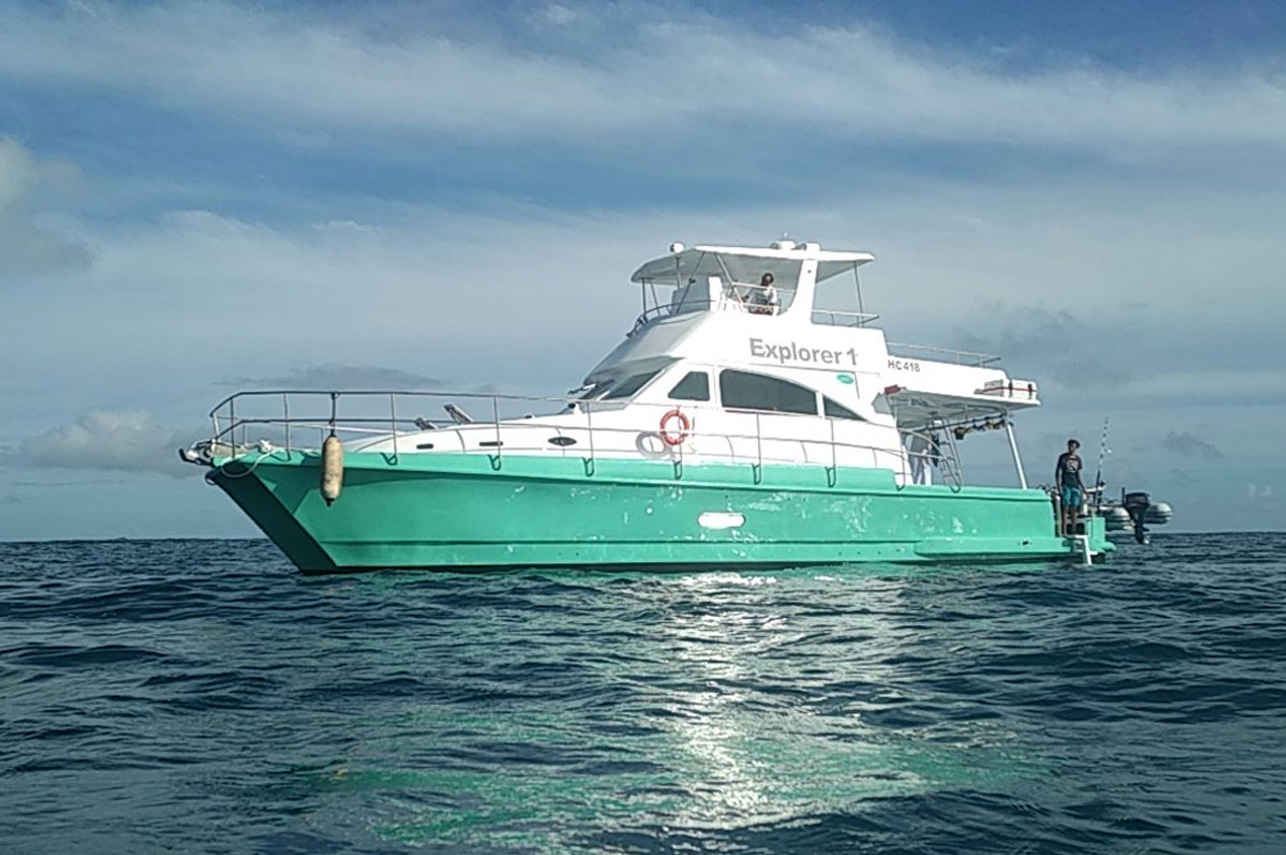
Explorer 1
Seychelles
6 guests17 m
$522/day
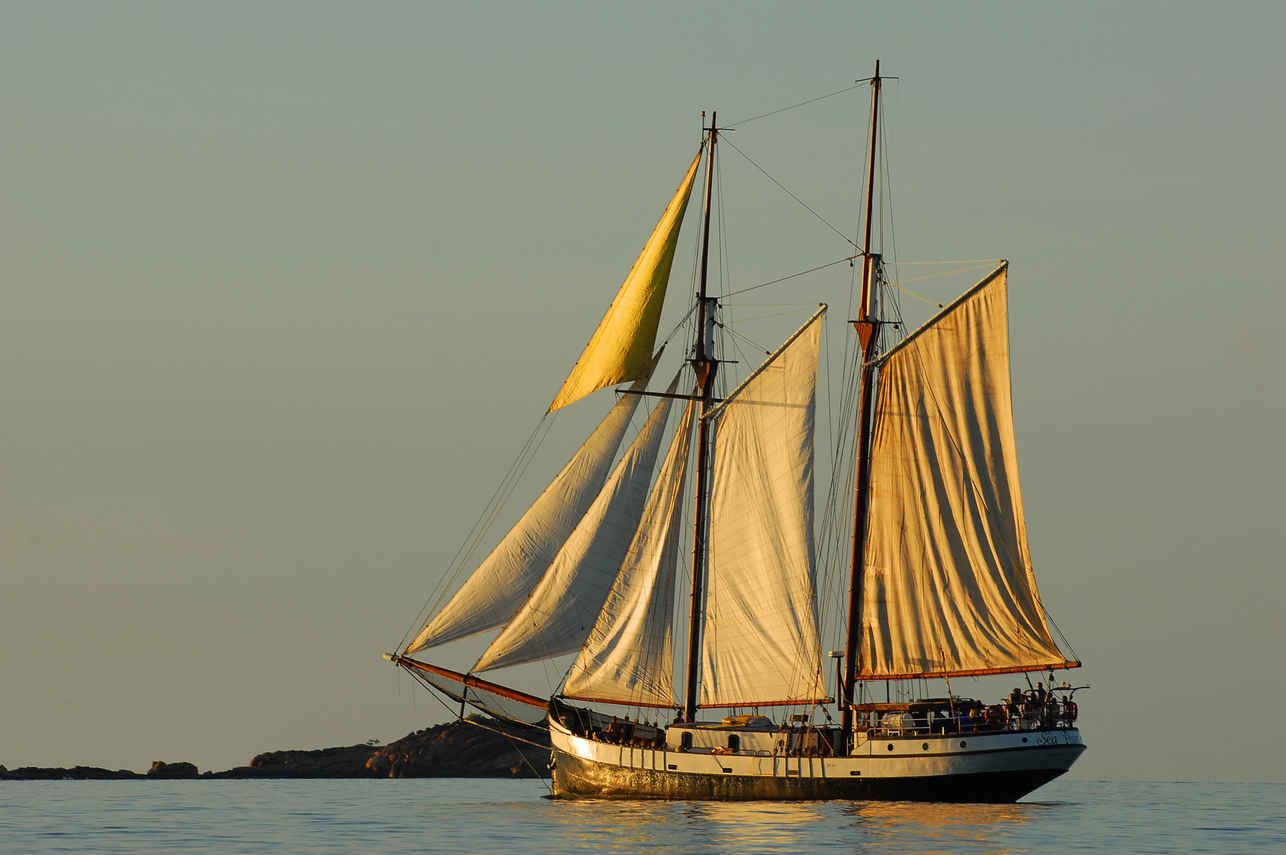
Sea Pearl
Seychelles
16 guests36 m
$241/day
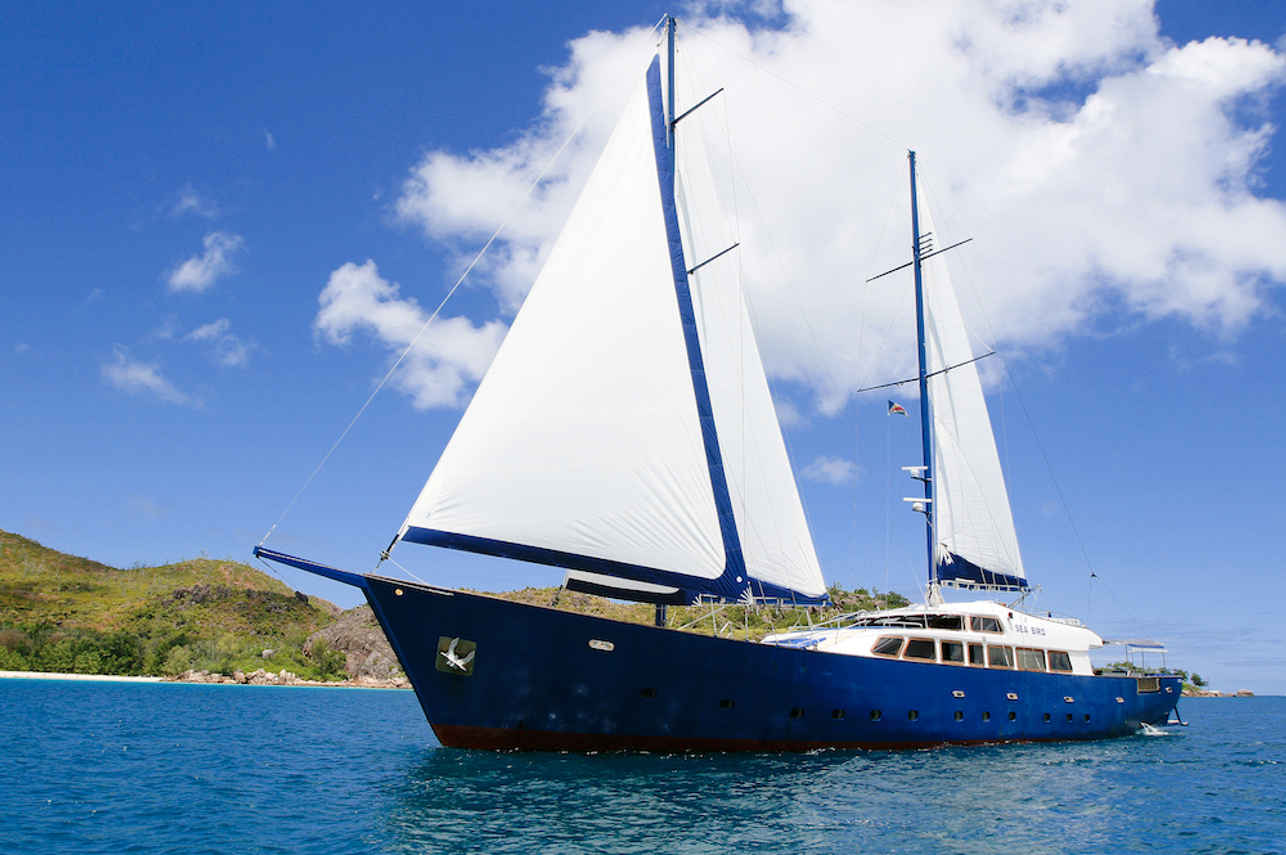
Sea Bird and Sea Star
Seychelles
18 guests42 m
$328/day
Dive sites similar to Amirantes Atoll
Same character, same waters — six more sites divers love for the exact same reasons.Compare seasons, access and liveaboard routes — then pick the site that fits your trip best.
© Esri — Maxar, Earthstar, GIS
Sister Bank
Seychelles
Sister Bank is a notable dive site situated in the Inner Islands of Seychelles, specifically near Praslin Island.
- Suitable for
- Intermediate
- Current
- Mild
- Access
- Liveaboard only
- Depth
- 15–30 m
- Theme
- Reef / Drift
© Esri — Maxar, Earthstar, GIS
Brissare Rocks (Mahé)
Seychelles
Brissare Rocks, located just north of Mahé, is a renowned dive site in Seychelles, widely considered one of Mahé's top five.
- Suitable for
- Intermediate
- Current
- Strong
- Access
- Liveaboard or dayboat
- Depth
- 8–20 m
- Theme
- Cave & cavern / Drift
© Esri — Maxar, Earthstar, GIS
Whale Rock
Seychelles
Whale Rock, located in La Rivière Anglaise, Seychelles, is renowned for its unique underwater geology, featuring large granite formations that extend from the surface to depths of…
- Suitable for
- Intermediate
- Current
- Moderate
- Access
- Liveaboard only
- Depth
- 15–25 m
- Theme
- Drift
© Esri — Maxar, Earthstar, GIS
Lighthouse Reef (Mahé)
Seychelles
Lighthouse Reef, situated near Mahé in the Seychelles, presents a captivating underwater experience characterized by thriving reef ecosystems.
- Suitable for
- Beginner
- Current
- Strong
- Access
- Liveaboard or dayboat
- Depth
- 5–18 m
- Theme
- Reef
Napoleon is a renowned dive site located off Alphonse Island in the Seychelles, celebrated for its rich biodiversity and stunning underwater topography.
- Suitable for
- Intermediate
- Current
- Moderate
- Access
- Liveaboard only
- Depth
- 8–30 m
- Theme
- Reef
© Esri — Maxar, Earthstar, GIS
One Tree Island
Seychelles
One Tree Island is a well-known, shallow dive site located off the coast of Mahé, the largest of the Seychelles' Inner Islands.
- Suitable for
- Beginner
- Current
- Moderate
- Access
- Liveaboard only
- Depth
- ≤ 12 m
- Theme
- Reef