About Alimatha Jetty
Alimatha Jetty, situated in the Vaavu Atoll beside the Alimatha Aquatic Resort's working pier, is celebrated as a premier night dive destination in the Maldives. This shallow, sheltered sand and reef flat comes alive after dusk due to a unique interaction: resort staff clean fish on the pier, and the discarded scraps attract a remarkable concentration of marine predators. Divers typically settle on a sand patch at a shallow depth, usually around 5 meters, to observe the spectacle under the jetty lights. The site is characterized by its relatively calm conditions and clear waters, making it accessible to certified divers. The primary draw is the virtually guaranteed encounter with numerous Tawny Nurse Sharks, often accompanied by large Jenkins and Pink Whiprays, Marble Rays, Blacktip Reef Sharks, and Giant Trevally. Other fascinating residents like Giant Morays, Bluestripe Snappers, and occasionally Hawksbill Turtles also frequent the area, contributing to a bustling underwater environment. While the marine life is extraordinary, divers must maintain strict hands-off protocols due to the dense aggregation of large animals. The dive generally involves observing the feeding activity, navigating carefully around the jetty pilings, and managing buoyancy in mild currents, ensuring a safe yet exhilarating experience.
Highlights
Night dive shark feeding frenzyDozens of Tawny Nurse SharksLarge Jenkins and Pink WhipraysBlacktip Reef SharksGiant Trevally schoolsShallow, sheltered observationUnique resort-driven attraction
Season calendar
Best months to dive here
Jan
Feb
Mar
Apr
May
Jun
Jul
Aug
Sep
Oct
Nov
Dec
Excellent
Good
Dive site facts: Alimatha Jetty
- Depth
- 1–15 m (3–49 ft)
- Typical dive
- 5 m, 50–60 min
- Current
- Mild
- Visibility
- 10–25 m (33–82 ft)
- Water temperature
- 27–31°C (81–86°F)
- Entry
- Tender / Liveaboard
- Level
- Open Water Diver
- Dive type
- Night, reef, animals
- Night dive
- Possible
- Region / port
- Vaavu Atoll / Felidhoo
- Coordinates
- 3.446, 73.565
Conditions & Currents
Alimatha Jetty generally experiences mild to minimal currents, making it comfortable for most certified divers, even during night dives. While the site is largely sheltered, good buoyancy control is always advisable, particularly when navigating the dense aggregation of large marine life and avoiding accidental contact. Divers typically perform a standard entry from a tender and can enjoy a relatively relaxed dive profile. Visibility is usually good, ranging from 10 to 25 meters, but can extend up to 82 feet (25 meters) on optimal days. The water temperature is consistently warm, between 27°C and 31°C (81°F–86°F), eliminating concerns about thermoclines. Divers should be aware of moderate boat traffic around the active resort jetty.
Marine life & sighting chances

Tawny Nurse Shark
common
Jenkins Whipray
commonPink Whipray
occasional
Marble Ray
common
Blacktip Reef Shark
occasional
Giant Trevally
common
Giant Moray
common
Bluestripe Snapper
common
Hawksbill Turtle
occasionalDive profile & how the dive runs
Divers typically enter the water from a tender boat close to the Alimatha Jetty. The dive focuses on a shallow, sheltered sand patch beneath the jetty, where the main marine activity occurs, usually around 5 meters (15 feet) depth. You will often settle on the sand to observe the large gatherings of nurse sharks, whiprays, and other predators drawn by the resort's fish cleaning activities. The dive progresses slowly, allowing ample time for observation of the dynamic feeding interactions. There is no specific 'turn point' as the dive is location-specific; rather, divers remain in the general vicinity of the jetty lights. The safety stop is conducted in the very shallow areas near the sand patch before ascending to the surface.
Underwater photography
Alimatha Jetty is a prime location for wide-angle night photography, capturing the spectacular aggregation of nurse sharks and rays under the jetty lights. A wide-angle lens is essential to encompass the numerous large animals in the frame. External strobes are highly recommended to illuminate subjects and add color, especially given the low light conditions. Be mindful of your positioning to avoid kicking up sediment and reducing visibility for fellow divers and your own shots. Due to the dense concentration of marine life, exercise extreme caution and maintain excellent buoyancy to avoid accidental contact with the animals, particularly the whiprays' tails. Consider using a video light for focusing assistance in the dark, as autofocus can be challenging.
Combine with nearby dive sites
- Miyaru Kandu
Miyaru Kandu, aptly named "Shark Channel," stands out as a premier drift dive destination in the Maldives, particularly within the Vaavu…
- Mulaku Kandu (Meemu)
Mulaku Kandu, located on the northeastern side of the Meemu Atoll, is a premier channel dive in the Maldives, distinguished by its powerful…
- Kandooma Thila (Cocoa Thila)
Kandooma Thila, also known as Cocoa Thila, is a world-class dive site nestled in the South Kaafu Atoll of the Maldives, just a short boat…
- Maaya Thila
Maaya Thila, a protected Marine Reserve located in the North Ari Atoll of the Maldives, is a prominent pinnacle dive site.
Getting there & logistics
Access to Alimatha Jetty is typically arranged through liveaboard cruises operating in the Vaavu Atoll or via day trips from nearby resorts. International flights arrive at Velana International Airport (MLE) near Malé, the capital. From there, transfers to liveaboards or resorts are by seaplane, domestic flight, or speedboat. Liveaboard itineraries usually range from 7 to 10 days, often combining Alimatha Jetty with other renowned sites in the Central Atolls. No specific diving permits are required for this site, but national park fees may apply for certain areas within a liveaboard itinerary.
Safety & environment
Diving at Alimatha Jetty, while thrilling, requires strict adherence to safety protocols due to the unique environment. The dense aggregation of large Tawny Nurse Sharks and barb-tailed Whiprays, especially during their active periods, poses a risk of accidental bumps or contact with their tail barbs; a strict hands-off policy is paramount. Divers must maintain excellent buoyancy control to avoid disturbing the marine life or the sandy bottom. The site experiences moderate boat traffic from the active resort jetty, requiring vigilance during ascent and descent. The nearest recompression chamber is located in Malé, emphasizing the importance of adequate dive insurance. Always follow your dive guide's instructions closely, as they are experienced in managing these specific interactions.
Who it suits — and who it doesn't
Suited for
- Open Water certified divers comfortable with night diving
- Divers seeking close encounters with large marine life
- Underwater photographers focusing on wide-angle animal interactions
- Those interested in unique, predictable animal behavior
Less suited for
- Divers uncomfortable with large animal aggregations
- Individuals with poor buoyancy control
- Those who prefer pristine, untouched coral reefs
- Divers expecting strong currents or drift dives
FAQ
Alimatha Jetty FAQ
What makes Alimatha Jetty a unique dive site?
Alimatha Jetty is unique because it offers a nightly spectacle of marine life drawn by the Alimatha Aquatic Resort's fish cleaning. Discarded fish scraps attract dozens of Tawny Nurse Sharks, whiprays, and other predators, providing an unparalleled opportunity to observe these animals up close in shallow, illuminated waters.
What kind of marine life can I expect to see at Alimatha Jetty?
You can expect to see a remarkable concentration of Tawny Nurse Sharks, often 20-30 individuals, alongside large Jenkins and Pink Whiprays, Marble Rays, and Blacktip Reef Sharks. Giant Trevally, Giant Morays, Bluestripe Snappers, and occasionally Hawksbill Turtles also frequent the area, creating a very active underwater scene.
Is Alimatha Jetty suitable for beginner divers?
Alimatha Jetty is considered an intermediate dive, but an Open Water certification is generally sufficient. The site is shallow with mild currents, making it accessible. However, divers must be comfortable with night diving and maintaining good buoyancy control around large, active marine animals.
What is the best time to visit Alimatha Jetty?
While diving is possible year-round, the period from August to November is often highlighted as a prime time for general Maldives diving, correlating with increased marine activity. Alimatha Jetty's phenomenon is consistent, but overall conditions for a liveaboard trip in the region might be better during these months.
Are there any specific safety considerations for diving at Alimatha Jetty?
Yes, divers must maintain strict hands-off protocols due to the dense aggregation of large nurse sharks and whiprays, which pose a risk of accidental contact with their bodies or tail barbs. Good buoyancy control is crucial, and vigilance is needed due to moderate boat traffic around the active resort jetty. Always follow your dive guide's instructions.
Is Alimatha Jetty typically a night dive?
Yes, Alimatha Jetty is renowned as one of the Maldives' most iconic and exhilarating night dives. The feeding spectacle that draws the large marine life primarily occurs during the evening hours, making it the preferred time to experience the site's unique activity.
Why dive Alimatha Jetty from a liveaboard?
Alimatha Jetty is one of Maldives's signature dive sites. A liveaboard sleeps you on the water and puts you in the water for three to four guided dives per day, including dawn and night dives that day-boat operators rarely offer. You skip the daily commute back to port and reach quieter, less-crowded sites in the same region on a single trip.
Below are the liveaboards that include Alimatha Jetty on their Maldives itineraries.
Liveaboards diving Alimatha Jetty
These liveaboards may visit Alimatha Jetty on selected itineraries — the exact dive sites depend on departure, weather and conditions.
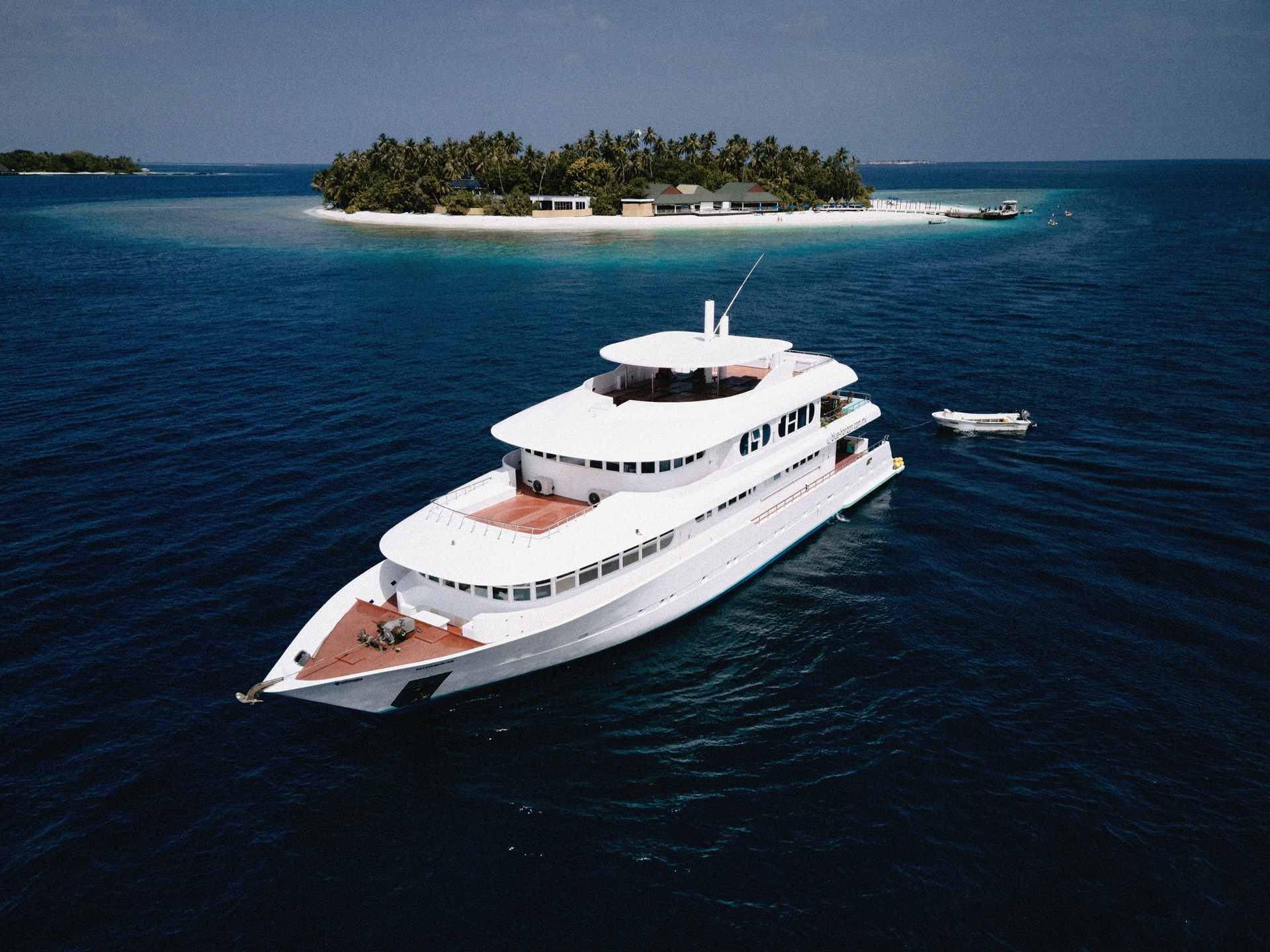
Horizon III
Maldives
25 guests
$204/day
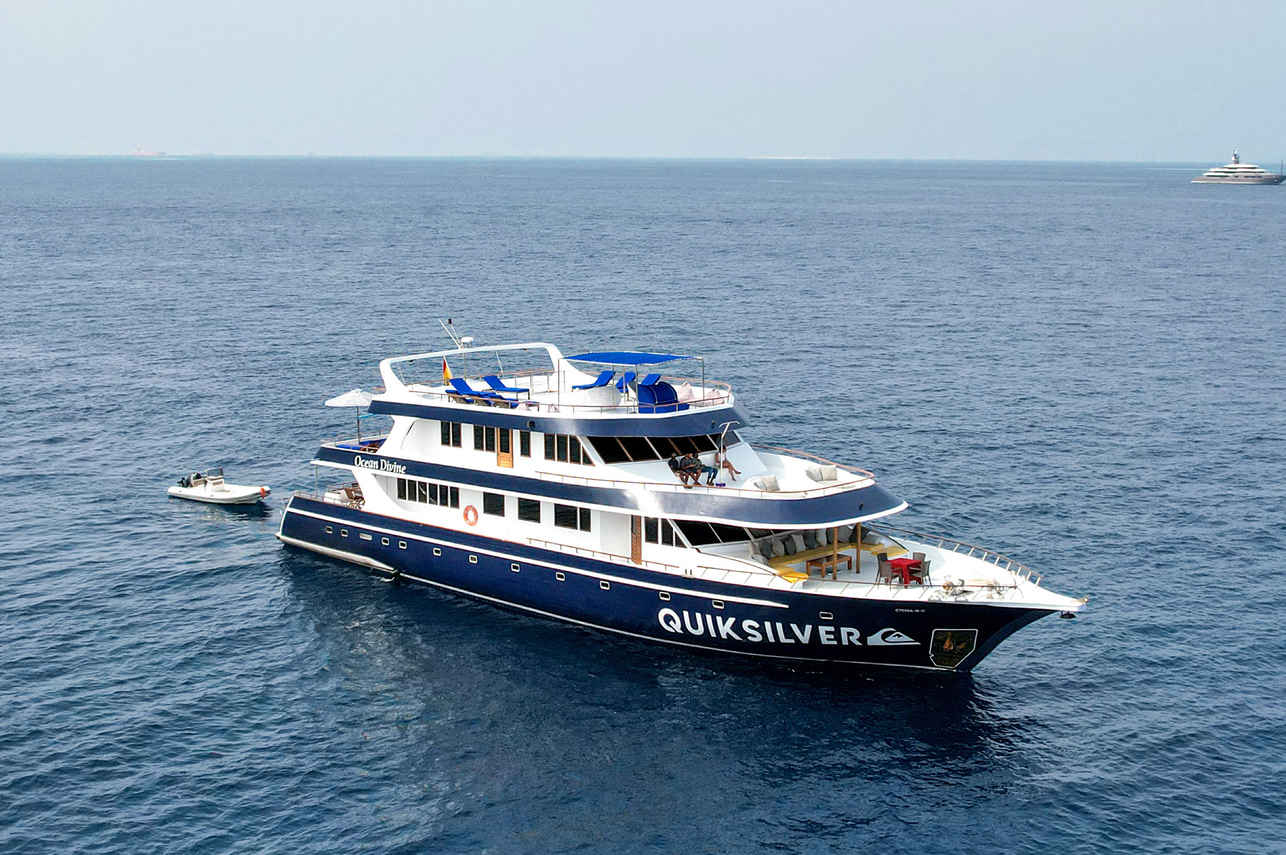
Ocean Divine
Maldives
16 guests33.528 m
$287/day
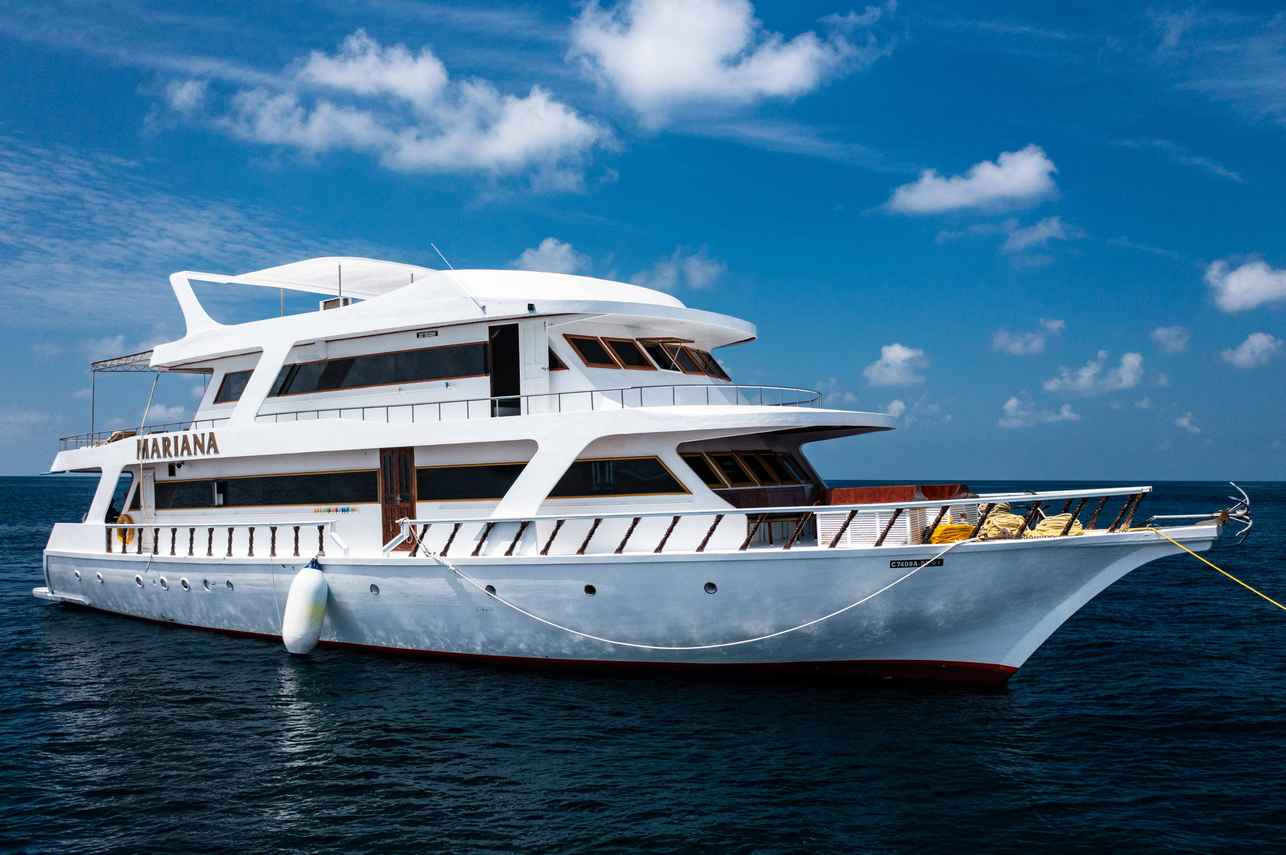
EcoPro Mariana
Maldives
16 guests30 m
$236/day
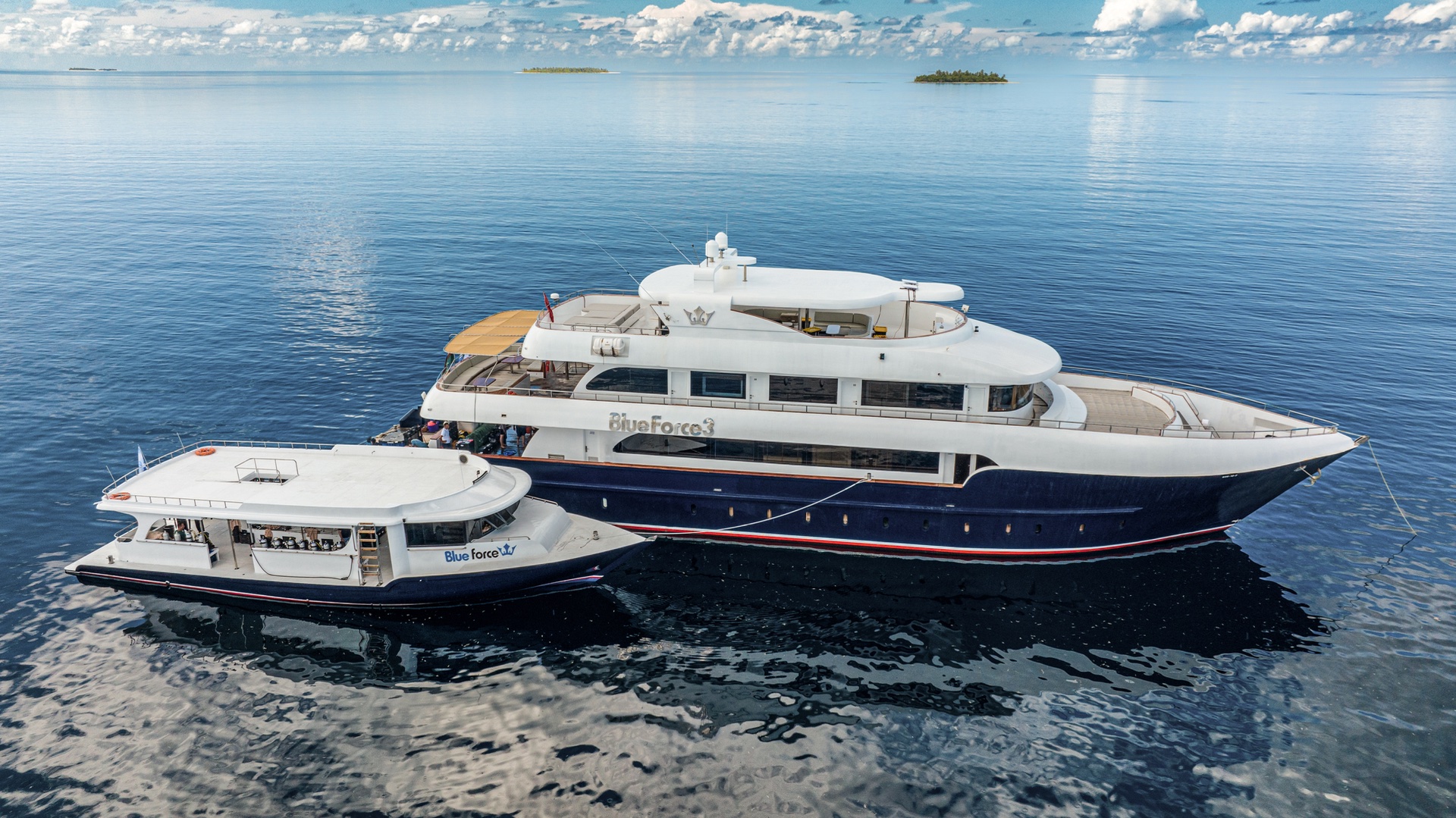
Maldives Blue Force 3
Maldives
26 guests42 m
$211/day
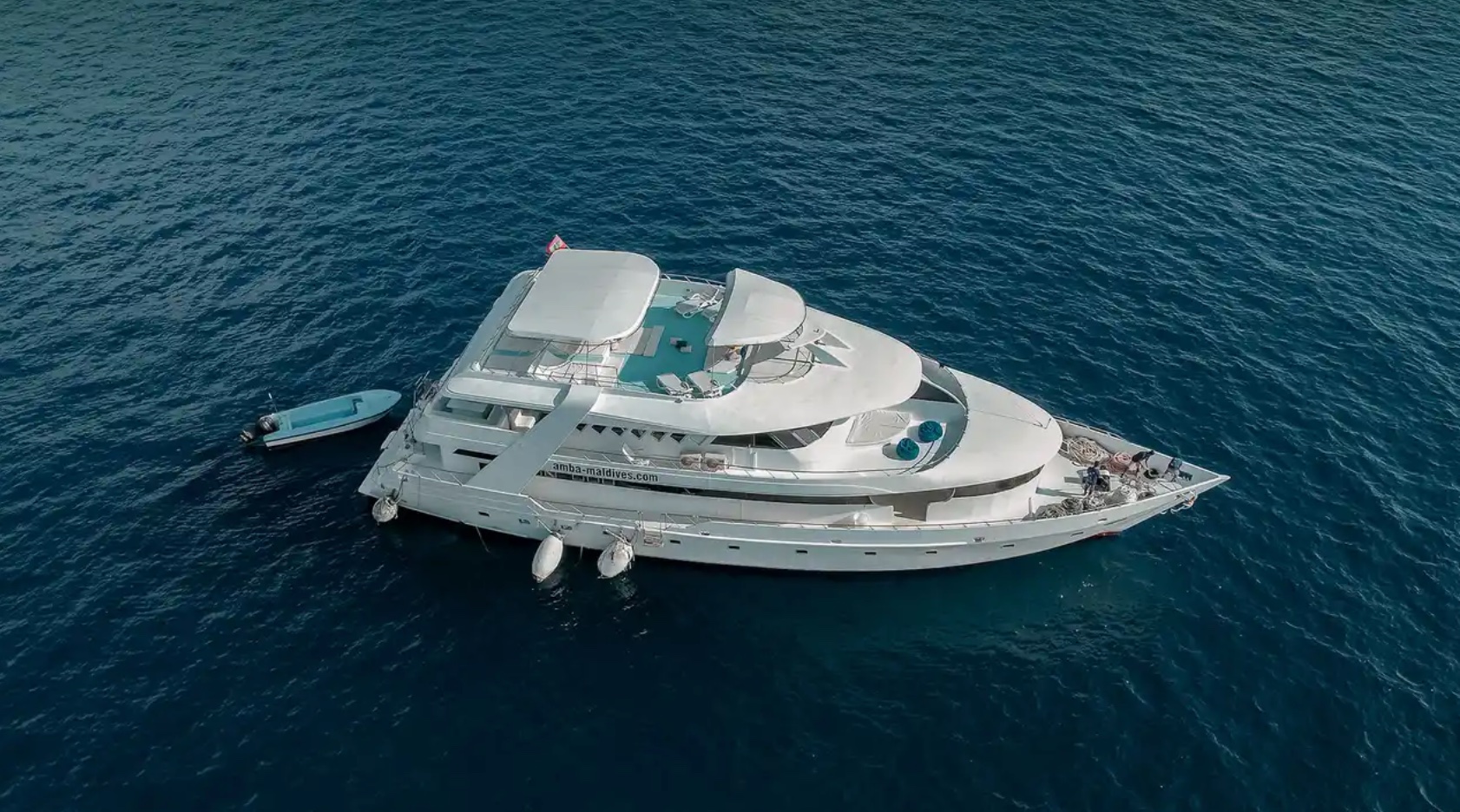
Amba
Maldives
20 guests
$178/day
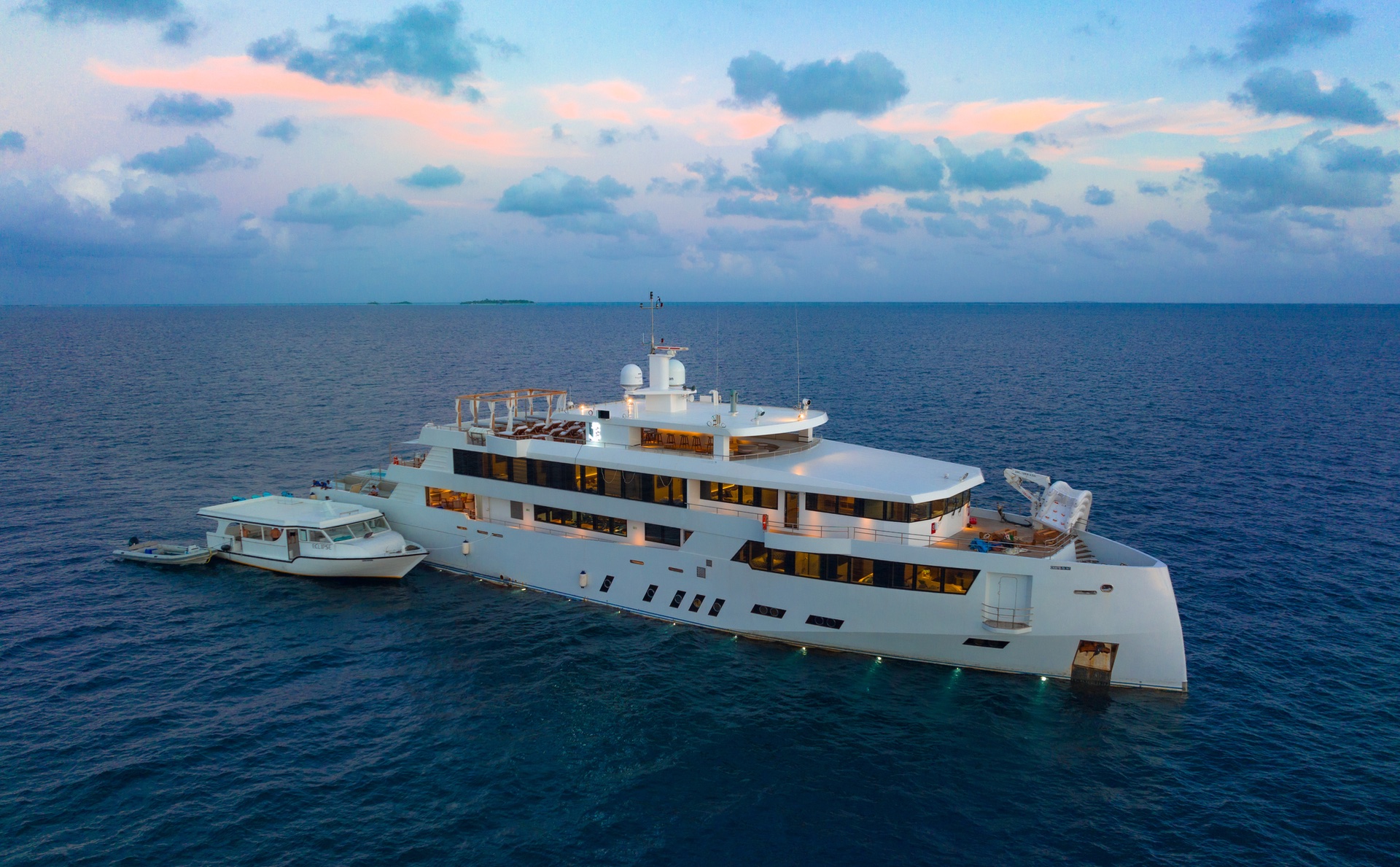
White Pearl
Maldives
26 guests
$375/day
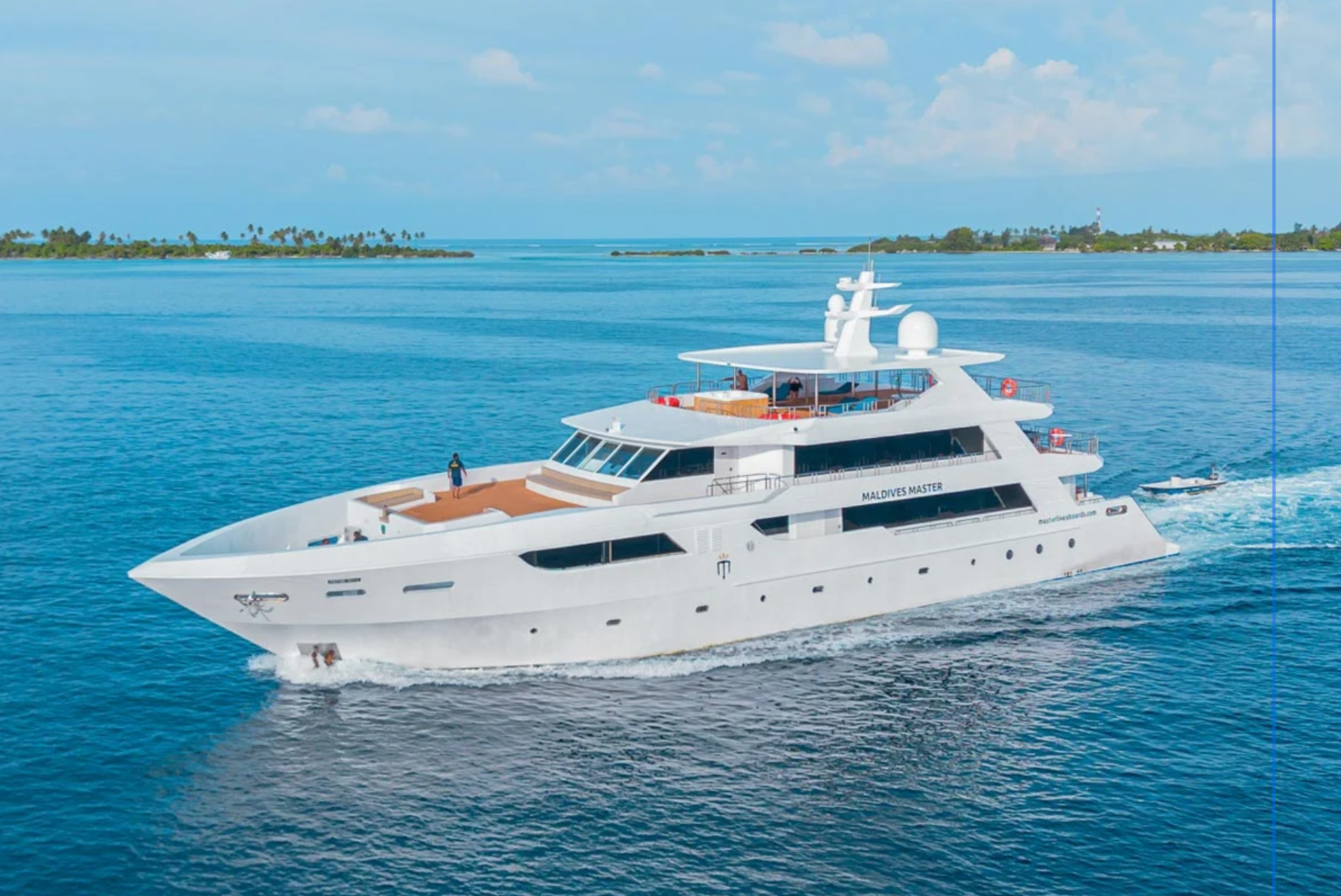
Maldives Master
Maldives
26 guests
$207/day
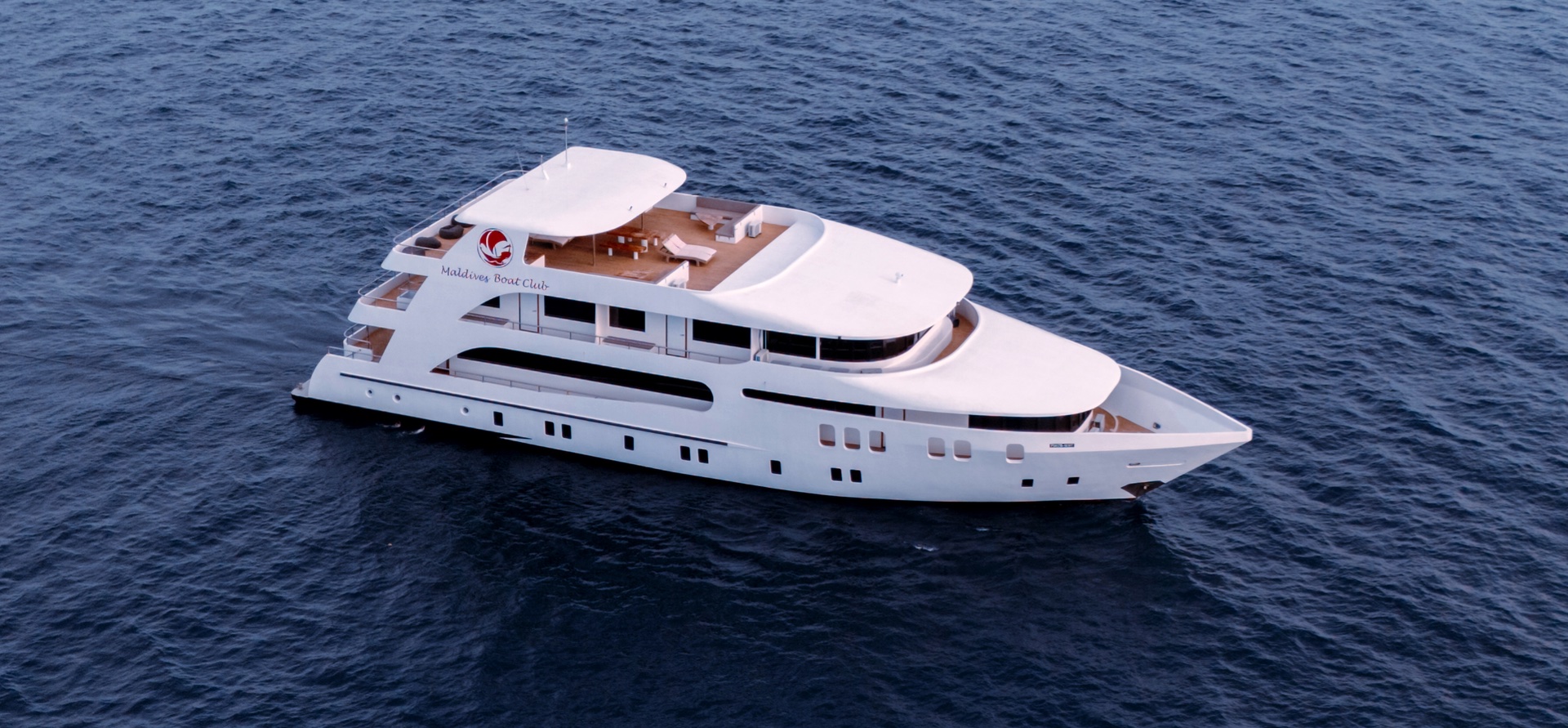
Adora
Maldives
22 guests
$297/day
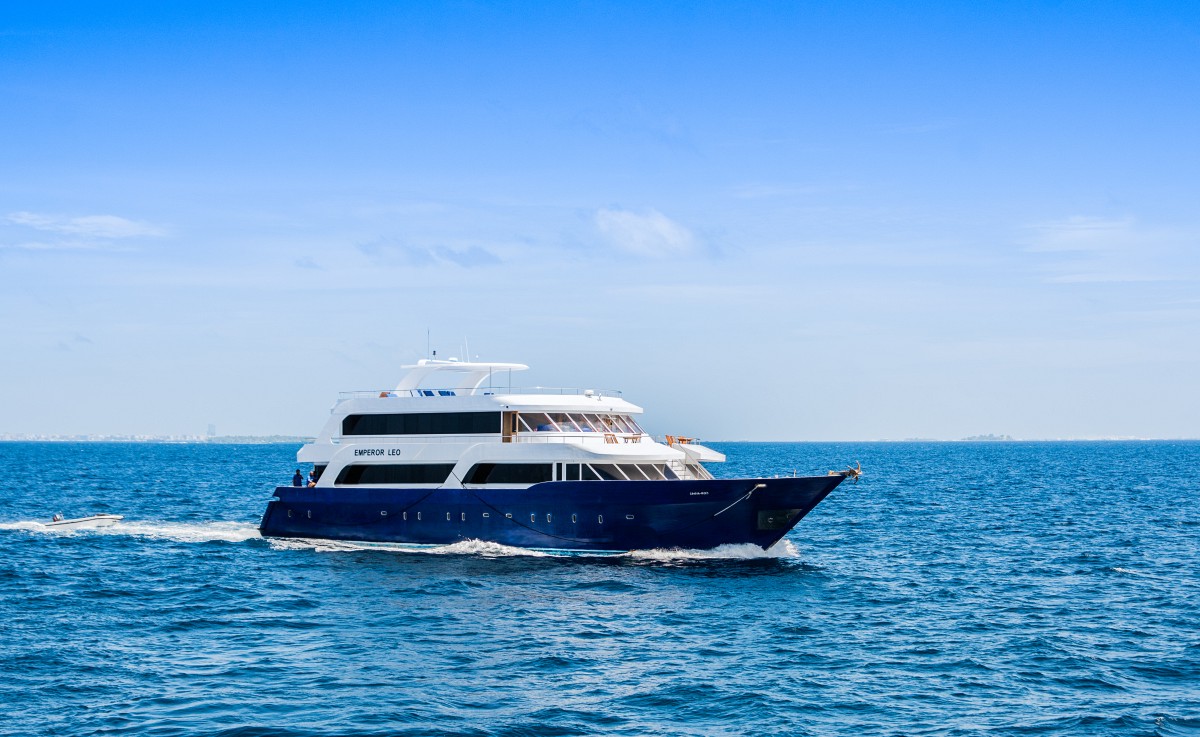
Emperor Leo
Maldives
24 guests35.1 m
$339/day
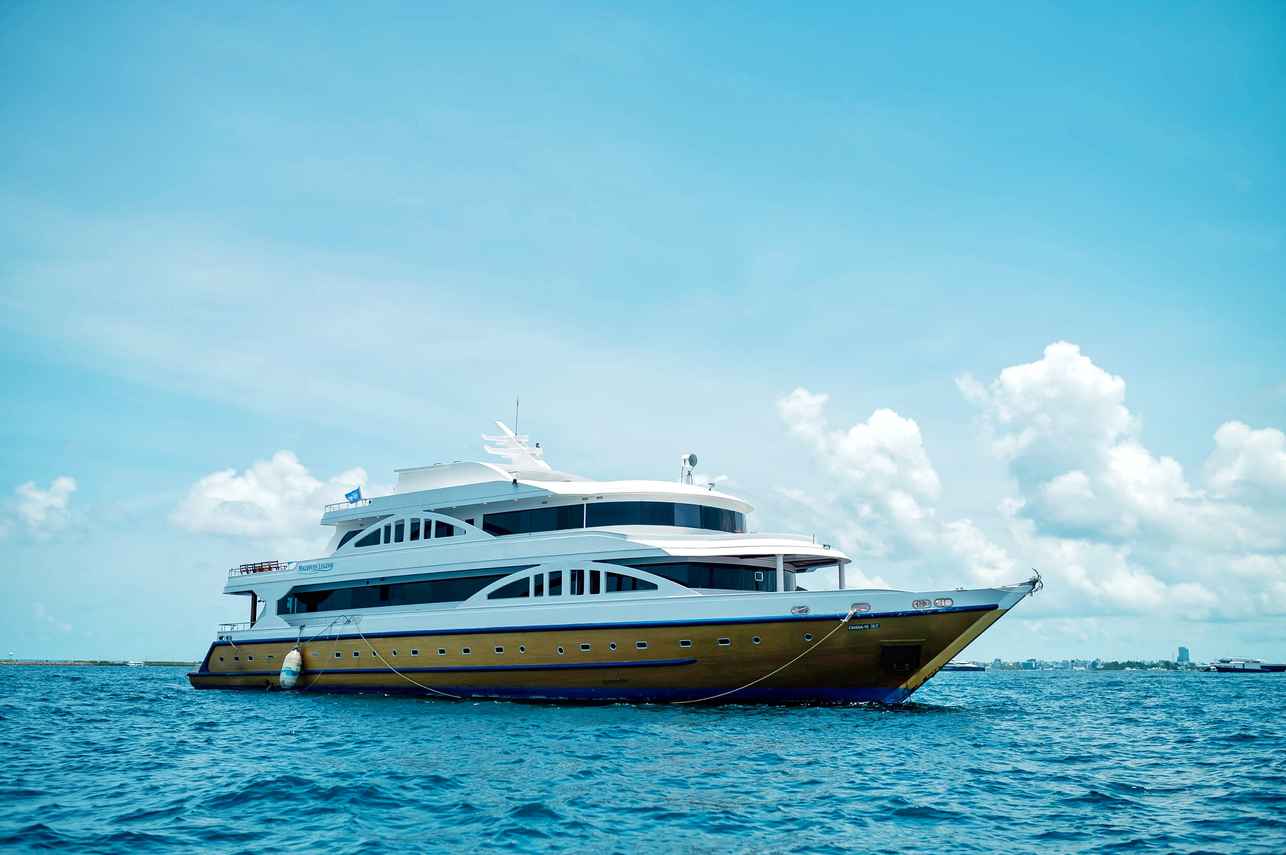
Maldives Legend Zen
Maldives
24 guests41 m
$316/day
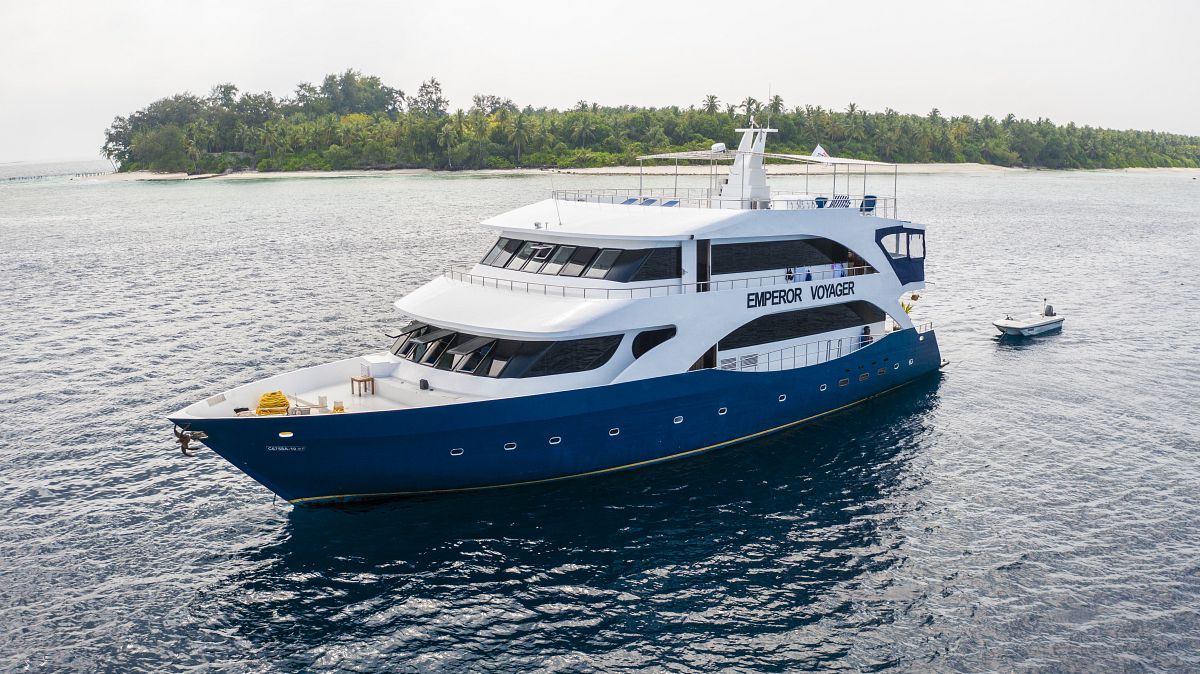
Emperor Voyager
Maldives
20 guests29.9 m
$332/day
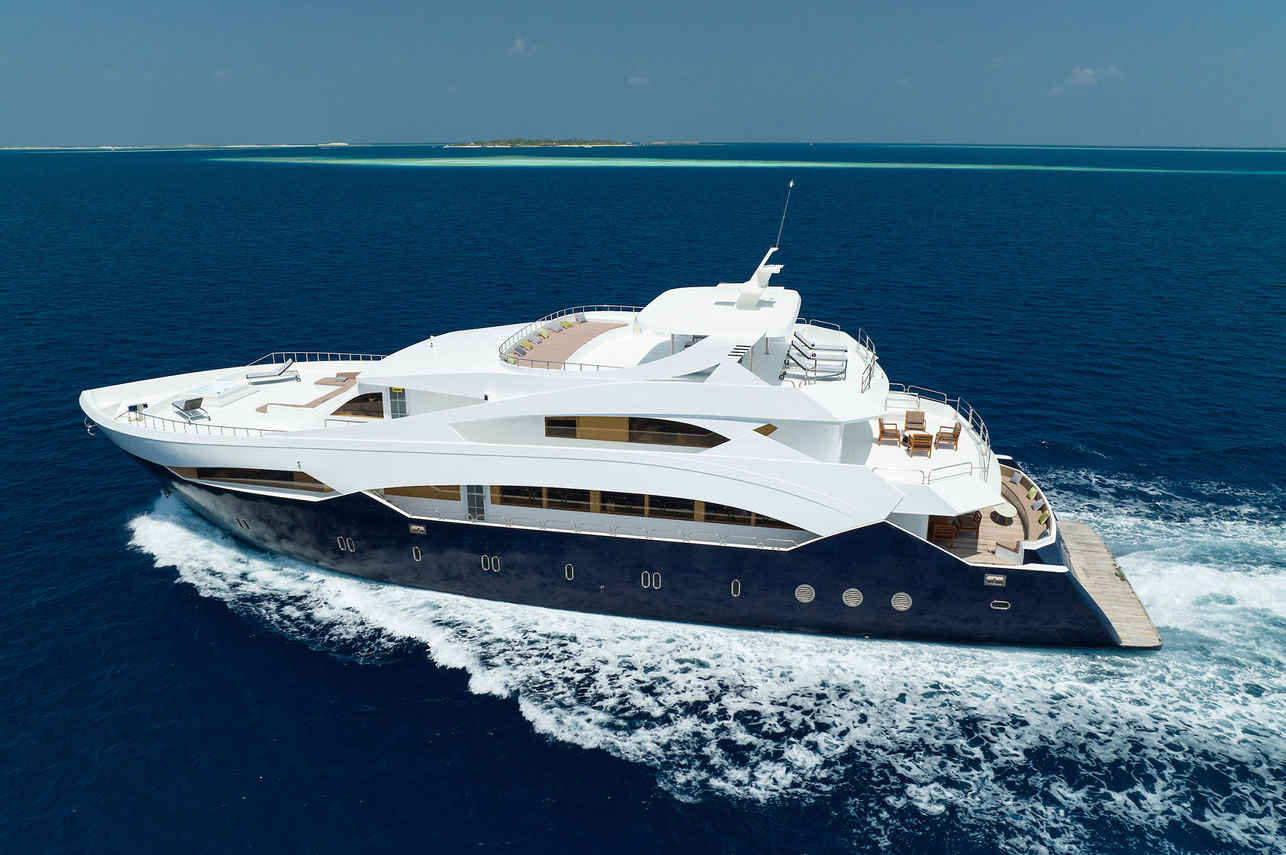
Felicity
Maldives
26 guests41 m
$229/day
Dive sites similar to Alimatha Jetty
Same character, same waters — six more sites divers love for the exact same reasons.Compare seasons, access and liveaboard routes — then pick the site that fits your trip best.
© Esri — Maxar, Earthstar, GIS
Kudimaa Wreck
Maldives
The Kudimaa Wreck is a compelling dive site in the Maldives, offering a fascinating artificial reef environment.
- Suitable for
- Advanced
- Current
- Moderate
- Access
- Liveaboard only
- Depth
- ≤ 30 m
- Theme
- Wreck / Reef
© Esri — Maxar, Earthstar, GIS
Filitheyo Reef (Faafu)
Maldives
Filitheyo Reef, situated in the Faafu Atoll, offers an unspoiled underwater paradise, unique as the only tourist island in the atoll.
- Suitable for
- Beginner
- Current
- Strong
- Access
- Liveaboard or dayboat
- Depth
- 1–30 m
- Theme
- Reef / Wall
© Esri — Maxar, Earthstar, GIS
Embudu Express
Maldives
Embudu Express, also known as Embudu Channel, is a celebrated dive site situated within the Malé Atoll of the Maldives, specifically in the South Malé Atoll.
- Suitable for
- Advanced
- Current
- Ripping
- Access
- Dayboat
- Depth
- 25–30 m
- Theme
- Drift / Reef
© Esri — Maxar, Earthstar, GIS
Gahaa Kandu
Maldives
Gahaa Kandu is a prime dive site within the Fuvahmulah Atoll in the Maldives, renowned for its dynamic underwater environment.
- Suitable for
- Advanced
- Current
- Moderate
- Access
- Liveaboard only
- Depth
- —
- Theme
- Reef
© Esri — Maxar, Earthstar, GIS
Skipjack 1 & 2
Maldives
Skipjack 1 & 2 are two distinct wreck dive sites located within the Lhaviyani Atoll in the northern Maldives.
- Suitable for
- Intermediate
- Current
- Moderate
- Access
- Liveaboard only
- Depth
- ≤ 28 m
- Theme
- Wreck / Reef
© Esri — Maxar, Earthstar, GIS
Maavaru Kandu
Maldives
Maavaru Kandu is a renowned dive site in the Maldives, characterized by its stunning underwater topography.
- Suitable for
- Intermediate
- Current
- Moderate
- Access
- Liveaboard only
- Depth
- 15–50 m
- Theme
- Reef / Drift