About Miyaru Kandu
Miyaru Kandu, aptly named "Shark Channel," stands out as a premier drift dive destination in the Maldives, particularly within the Vaavu Atoll. This marine-protected area features a deep channel connecting the open ocean to the inner atoll lagoon, characterized by a dynamic environment of strong currents and nutrient-rich waters. The site offers a unique topography with numerous small caves and overhangs lining both sides of the channel, providing shelter for diverse marine life. Diving here reveals a stunning underwater landscape. The south side of the channel is adorned with large rocks covered in soft corals, bustling with reef fish. On the north side, a notable cave at 33 meters depth serves as a prime location for spotting grey reef sharks. Beyond the main channel, additional caves and overhangs at deeper levels on the outer reef further enhance exploration opportunities. The excellent visibility often found here makes it a favorite among underwater photographers. Strong currents are a defining feature of Miyaru Kandu, drawing in large pelagic species and sustaining a vibrant ecosystem. Divers can anticipate close interactions with various shark species, including grey reef, blacktip, and occasionally hammerheads, along with barracudas, tuna, and eagle rays. The constant flow of water nurtures extensive coral gardens and colorful reef formations, making every drift a journey through a thriving marine habitat. While incoming currents offer the best visibility, outgoing currents still promise significant marine action, albeit with reduced clarity. This site is primarily accessed via liveaboard, often as part of itineraries combining Vaavu and North Malé atolls. Its advanced nature, due to strong currents and drift diving, means it typically appeals to experienced divers seeking high-adrenaline encounters with apex predators and rich pelagic life. The site maintains a consistent water temperature of 27-30°C throughout the year, ensuring comfortable diving.
Highlights
Grey reef shark encountersChannel drift divingNumerous caves and overhangsVibrant soft coral formationsLarge pelagic sightingsExcellent underwater photography opportunities
Season calendar
Best months to dive here
Jan
Feb
Mar
Apr
May
Jun
Jul
Aug
Sep
Oct
Nov
Dec
Excellent
Good
Aug – Sep & Nov – Apr (NE Monsoon)
Best visibility up to 40m, calm seas, manta rays on the eastern atolls, whale sharks in South Ari Atoll.
May – Jul & Oct (Transition)
Changing conditions, good value, mantas moving between atolls, occasional rain showers.
Dive site facts: Miyaru Kandu
- Depth
- 10–30 m
- Typical dive
- 12–30 m, 40–50 min
- Current
- 1–4 knots (strong)
- Visibility
- 10–30 m
- Water temperature
- 27–30 °C
- Entry
- Boat / Negative entry
- Level
- Advanced
- Dive type
- Drift, channel, shark encounters
- Region / port
- Vaavu Atoll
- Coordinates
- 3.38, 73.51
Conditions & Currents
Miyaru Kandu is defined by its strong currents, which can range from 1 to 4 knots, making it primarily a drift dive. These powerful currents are crucial for bringing nutrient-rich waters into the atoll, sustaining the vibrant ecosystem and attracting large pelagic species. Divers typically experience this site on an incoming current, which generally provides superior visibility, although an outgoing current can still offer significant marine encounters with slightly reduced clarity. Entry usually involves a boat drop-off, often requiring a negative entry to quickly descend and avoid being swept away by the surface current. Divers must be comfortable with drift diving techniques, including maintaining buoyancy and controlling their position in strong flows, as the current dictates the dive profile and exit point. Visibility can vary, but is often excellent during the dry season, providing
Marine life & sighting chances

Grey reef shark
common
Blacktip reef shark
common
Hammerhead shark
occasional
Whitetip reef shark
occasional
Eagle ray
common
Tuna
common
Barracuda
common
Hawksbill turtle
occasional
Green turtle
occasional
Napoleon wrasse
occasional
Fusilier
common
Snapper
common
Nudibranch
occasional
Cleaner shrimp
occasionalDive profile & how the dive runs
Your dive at Miyaru Kandu typically begins with a boat drop-off directly into the channel, often requiring a negative entry to quickly descend and latch onto the reef or drift with the current. The dive primarily follows the channel on an incoming current, allowing for a thrilling drift alongside abundant marine life. You'll navigate through areas featuring numerous small caves and overhangs on both sides. On the north side, a prominent cave at 33 meters depth is a key feature, often revealing grey reef sharks. The dive progresses along the channel walls, adorned with vibrant soft corals and teeming with reef fish, while keeping an eye out into the blue for larger pelagics such as eagle rays, tuna, and barracuda. Towards the end of the drift, you'll gradually ascend, performing your safety stop in the blue water before being picked up by the dive boat.
Underwater photography
Miyaru Kandu is highly recommended for underwater photography, particularly for wide-angle shots due to its excellent visibility and frequent encounters with large pelagic species. A wide-angle lens is essential to capture the scale of the channel, the impressive schools of fish, and the dynamic shark action. Strobes are beneficial to bring out the true colors of the soft corals lining the channel walls and to illuminate subjects in deeper areas or within the caves. Maintaining excellent buoyancy control is crucial, especially in the strong currents, to avoid disturbing the environment and to position yourself effectively for shots. Be ready to react quickly to fast-moving subjects like sharks and rays, adjusting your settings to capture their movements.
Combine with nearby dive sites
- Alimatha Jetty
Often paired for night dives or specific marine encounters.
- Kandooma Thila (Cocoa Thila)
Kandooma Thila, also known as Cocoa Thila, is a world-class dive site nestled in the South Kaafu Atoll of the Maldives, just a short boat…
- Fotteyo Kandu
Another renowned channel dive in Vaavu Atoll, offering similar thrill and pelagic action.
- Maaya Thila
Maaya Thila, a protected Marine Reserve located in the North Ari Atoll of the Maldives, is a prominent pinnacle dive site.
- Alimatha Reef
Alimatha Reef, located in the Central Atolls of the Maldives within Vaavu Atoll, is particularly renowned for its exceptional night diving…
Getting there & logistics
Access to Miyaru Kandu is predominantly via liveaboard itineraries that typically span 7 nights, exploring the Vaavu and North Malé atolls. Liveaboards depart from Malé or nearby marinas, with the journey to Vaavu Atoll taking approximately 4–5 hours. While some operators offer day trips from resorts in South Malé, liveaboards are preferred for optimizing dive times and experiencing the site during optimal slack tide windows. It's advisable to book liveaboard trips at least six months in advance, especially for the peak season from December to March, to secure preferred vessels and itineraries. Nitrox is often included on liveaboards, which can extend bottom times at this deeper, current-rich site.
Safety & environment
Diving at Miyaru Kandu demands adherence to strict safety protocols due to the strong currents and advanced nature of the site. Divers should possess advanced certification and significant experience with drift diving and negative entries. Always dive with a surface marker buoy (SMB) for rapid deployment in case of separation from the group or boat. Recompression chambers in the Maldives are primarily located in Malé, necessitating immediate evacuation by speedboat or seaplane in the event of a dive emergency, highlighting the critical importance of comprehensive dive insurance. Maintain good buoyancy control to avoid damaging corals and stay close to your dive guide, who possesses invaluable knowledge of local current patterns and potential hazards. Ensure your equipment is in excellent working order, and consider a larger tank for longer bottom times.
Who it suits — and who it doesn't
Suited for
- Experienced drift divers
- Advanced Open Water divers
- Divers seeking shark encounters
- Underwater photographers
- Liveaboard enthusiasts
- Those comfortable with strong currents
Less suited for
- Beginner divers
- Divers without drift diving experience
- Those uncomfortable with strong currents
- Divers with limited buoyancy control
- Families with young children
- Divers prone to seasickness on longer boat journeys
FAQ
Miyaru Kandu FAQ
What kind of sharks can I see at Miyaru Kandu?
Miyaru Kandu is famously known as "Shark Channel," offering frequent sightings of grey reef sharks and blacktip reef sharks. Occasionally, lucky divers may also encounter hammerhead sharks patrolling the deeper sections or whitetip reef sharks resting. The strong currents attract these apex predators, making it a reliable spot for shark encounters.
What makes Miyaru Kandu an advanced dive site?
The primary reason Miyaru Kandu is considered an advanced dive site is the presence of strong and unpredictable currents, which can reach up to 4 knots. Divers need experience with drift diving, excellent buoyancy control, and the ability to perform negative entries. It's crucial to be comfortable with dynamic underwater conditions to safely enjoy this thrilling site.
When is the best time of year to dive Miyaru Kandu?
While Miyaru Kandu is diveable year-round, the optimal period is from December to April, during the dry season. This time offers the calmest seas, best visibility (often exceeding 30 meters), and consistent presence of large pelagic species. However, even outside this period, the currents continue to attract significant marine action, albeit with potentially reduced visibility.
What is the typical depth and visibility at Miyaru Kandu?
The dive typically ranges from 10 to 30 meters, with maximum depths reaching 30 meters. Visibility can vary, but is often excellent, especially during the dry season, reaching up to 25-30 meters. During the wet season or with outgoing currents, visibility might drop to around 10-15 meters, but marine life remains abundant.
Do I need special equipment for diving at Miyaru Kandu?
For Miyaru Kandu, it is highly recommended to carry a surface marker buoy (SMB) for safety in case of separation from the group due to currents. A dive computer is essential for monitoring depth and bottom time, and a reef hook can be useful for observing marine life in strong currents without exerting effort. Consider a larger tank if you typically consume air quickly, to maximize your bottom time.
Why dive Miyaru Kandu from a liveaboard?
Miyaru Kandu is one of Maldives's signature dive sites. A liveaboard sleeps you on the water and puts you in the water for three to four guided dives per day, including dawn and night dives that day-boat operators rarely offer. You skip the daily commute back to port and reach quieter, less-crowded sites in the same region on a single trip.
Below are the liveaboards that include Miyaru Kandu on their Maldives itineraries.
Liveaboards diving Miyaru Kandu
These liveaboards may visit Miyaru Kandu on selected itineraries — the exact dive sites depend on departure, weather and conditions.
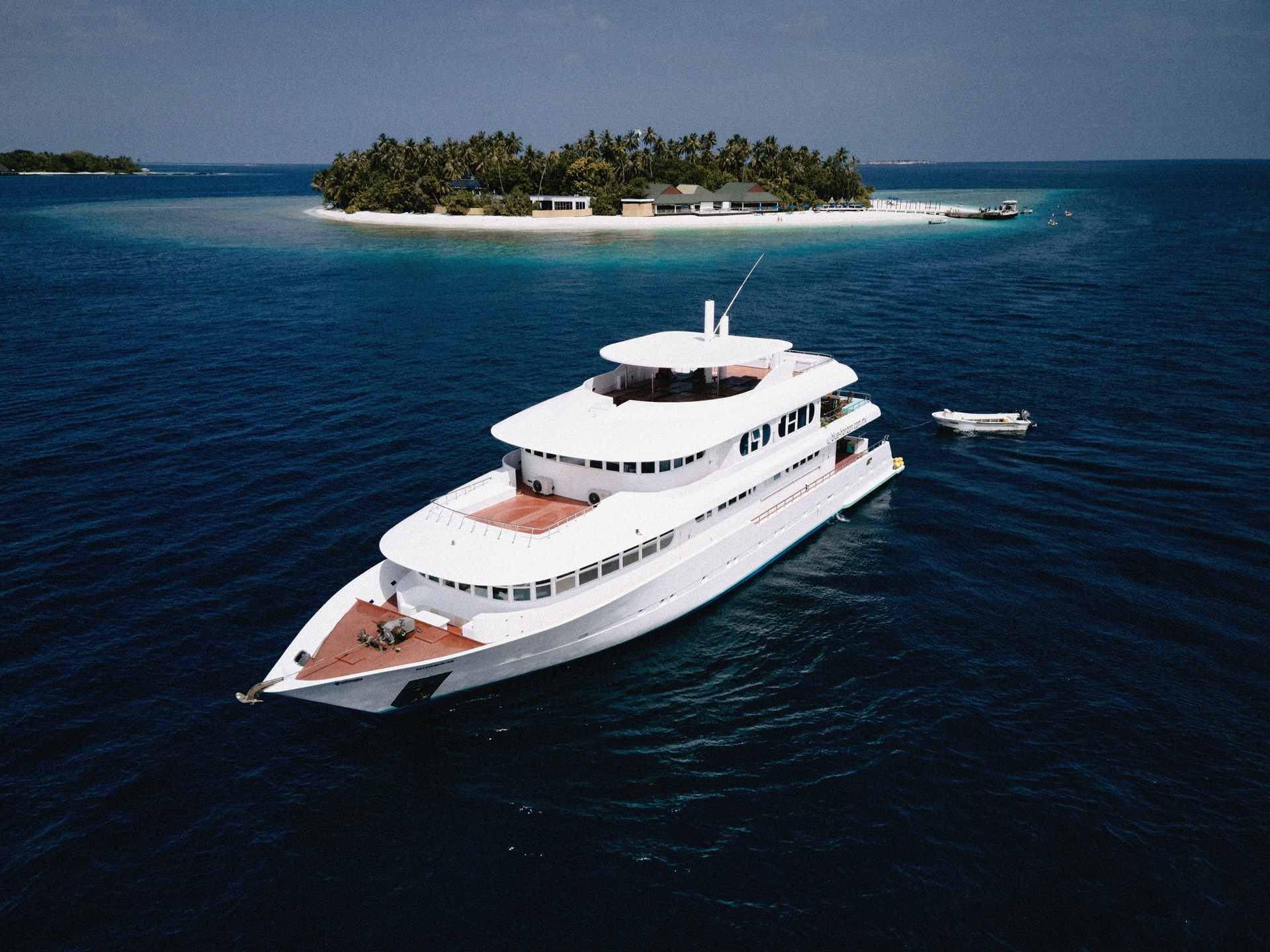
Horizon III
Maldives
25 guests
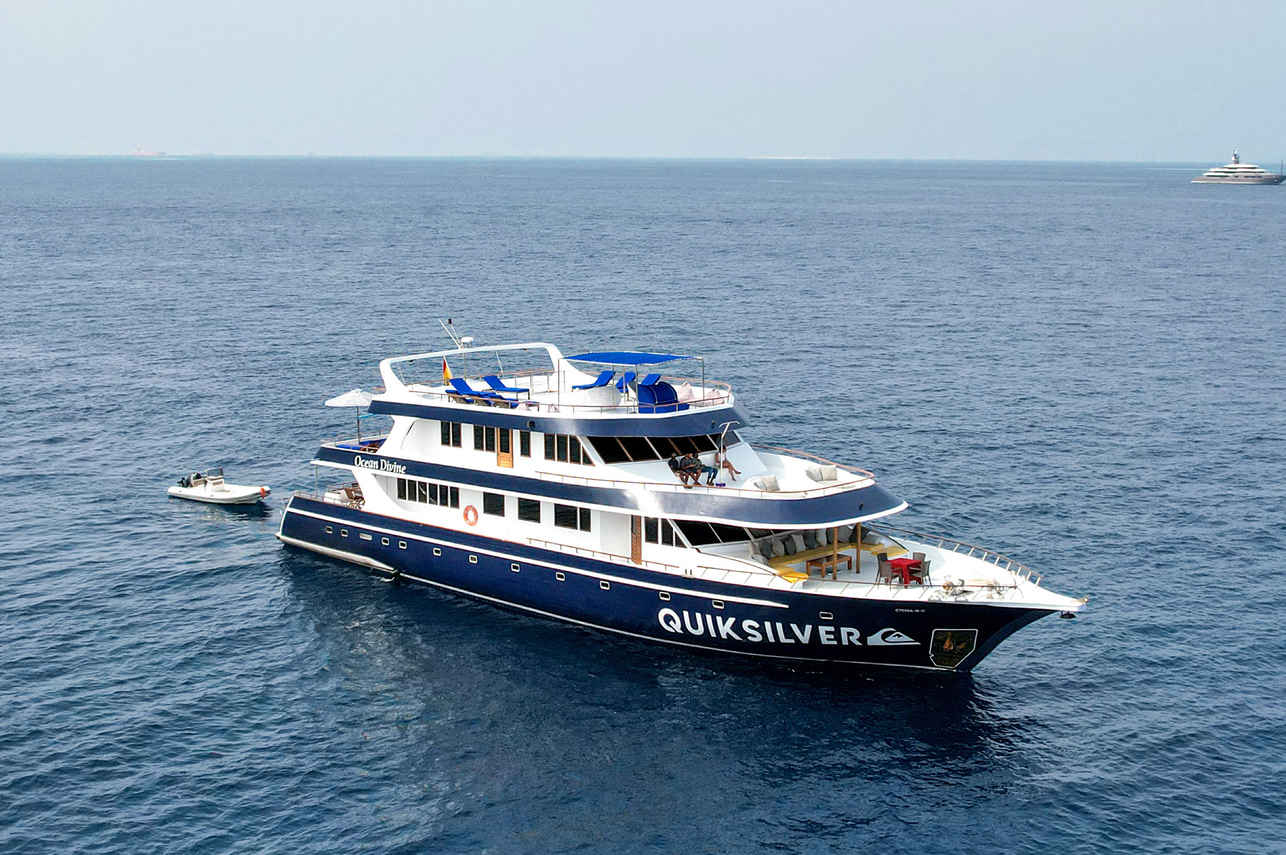
Ocean Divine
Maldives
16 guests33.528 m
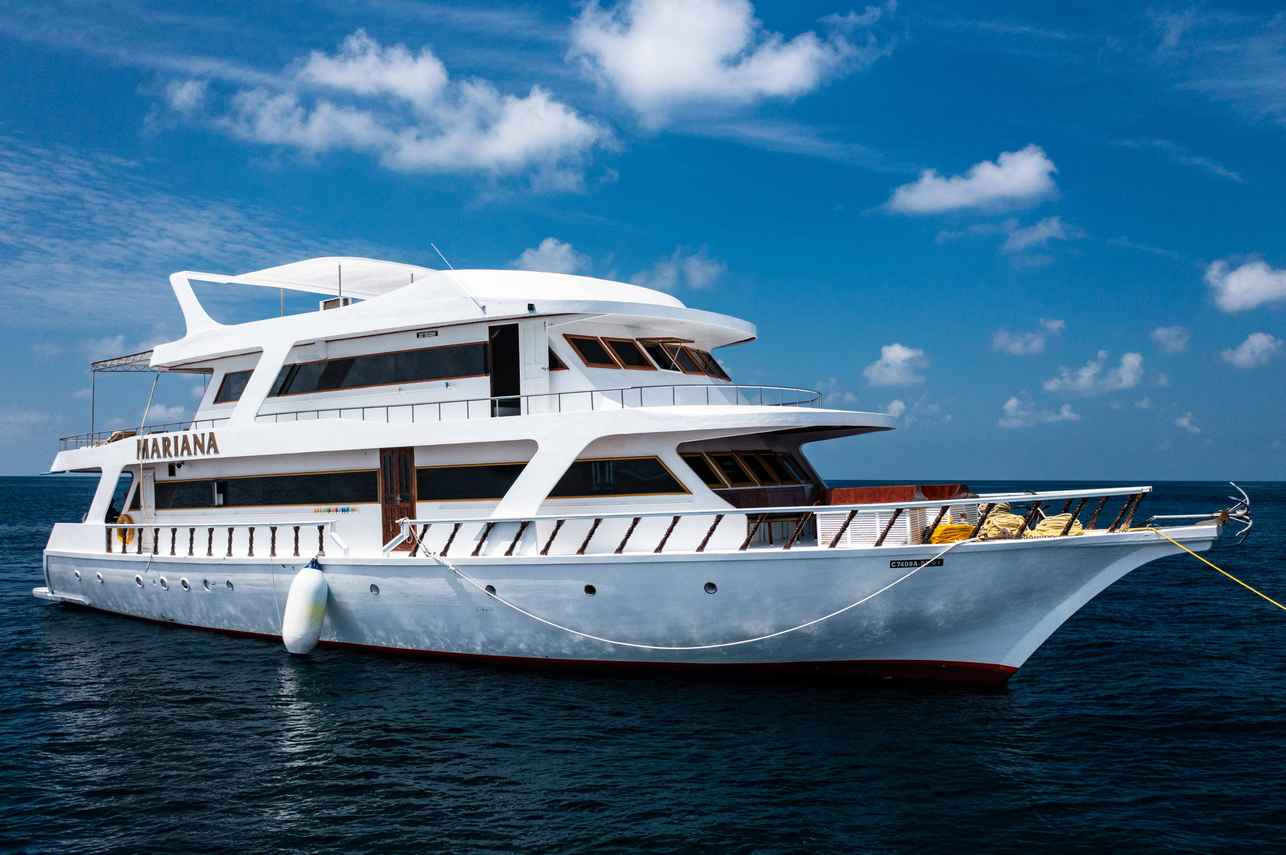
EcoPro Mariana
Maldives
16 guests30 m
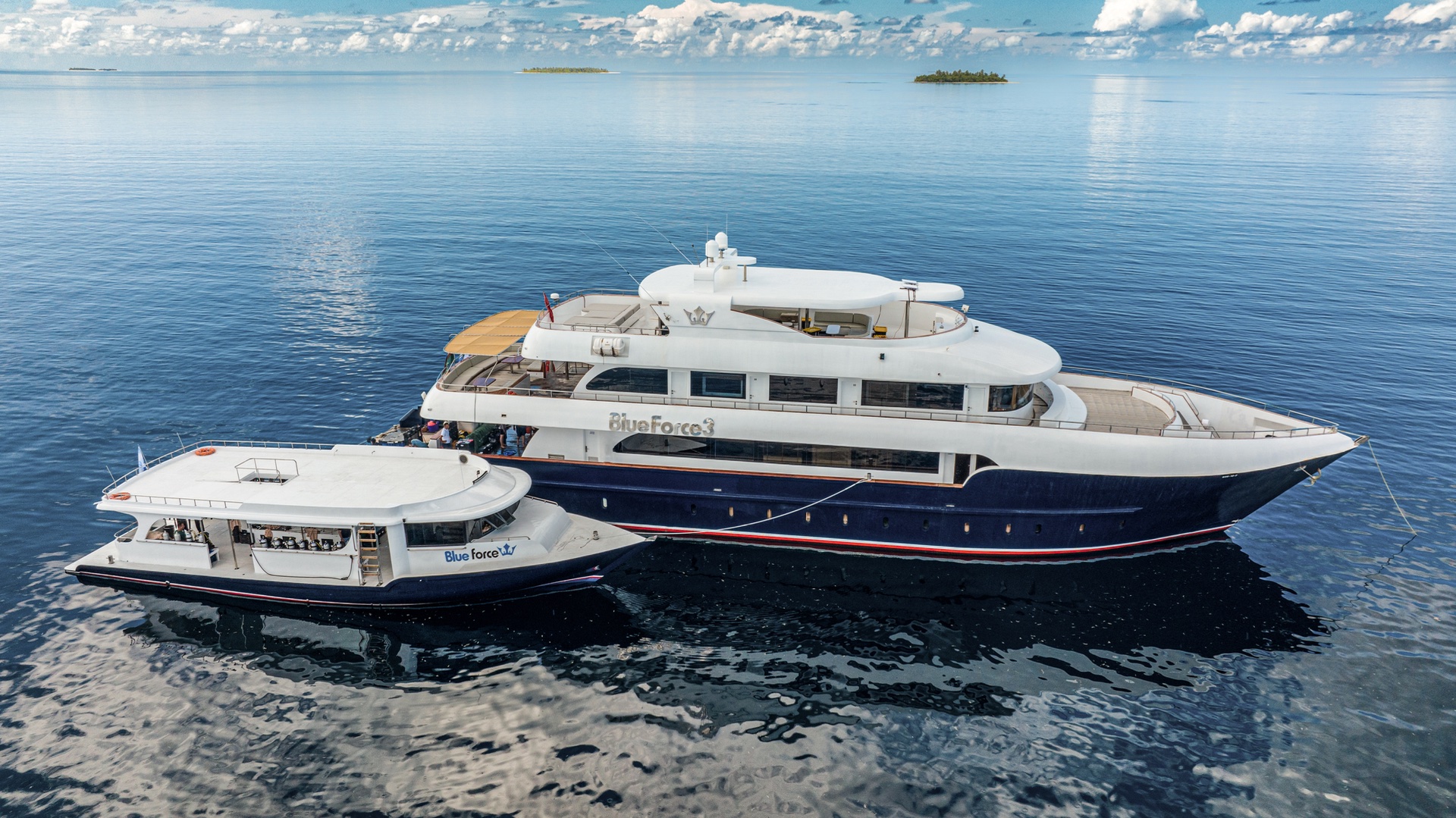
Maldives Blue Force 3
Maldives
26 guests42 m
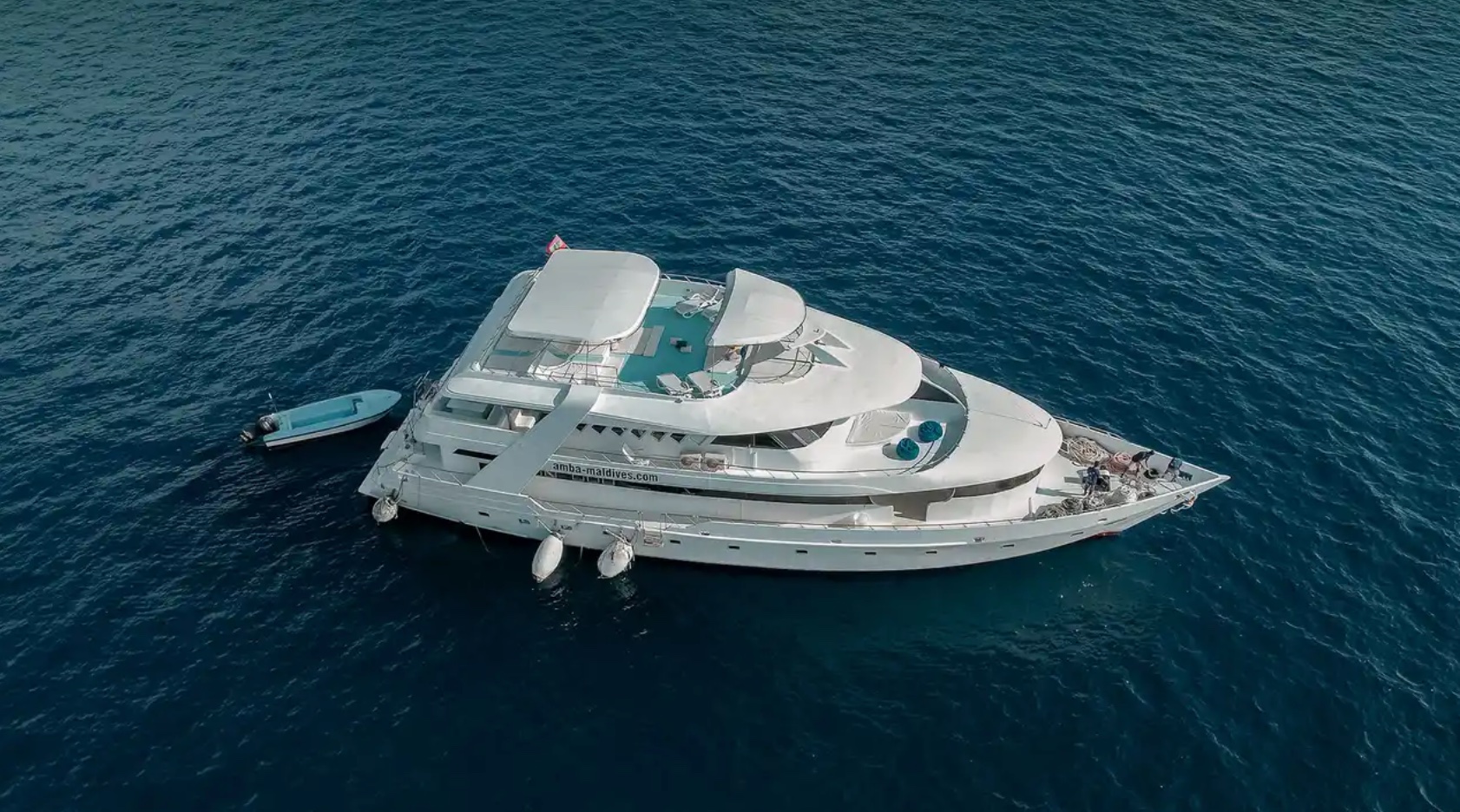
Amba
Maldives
20 guests
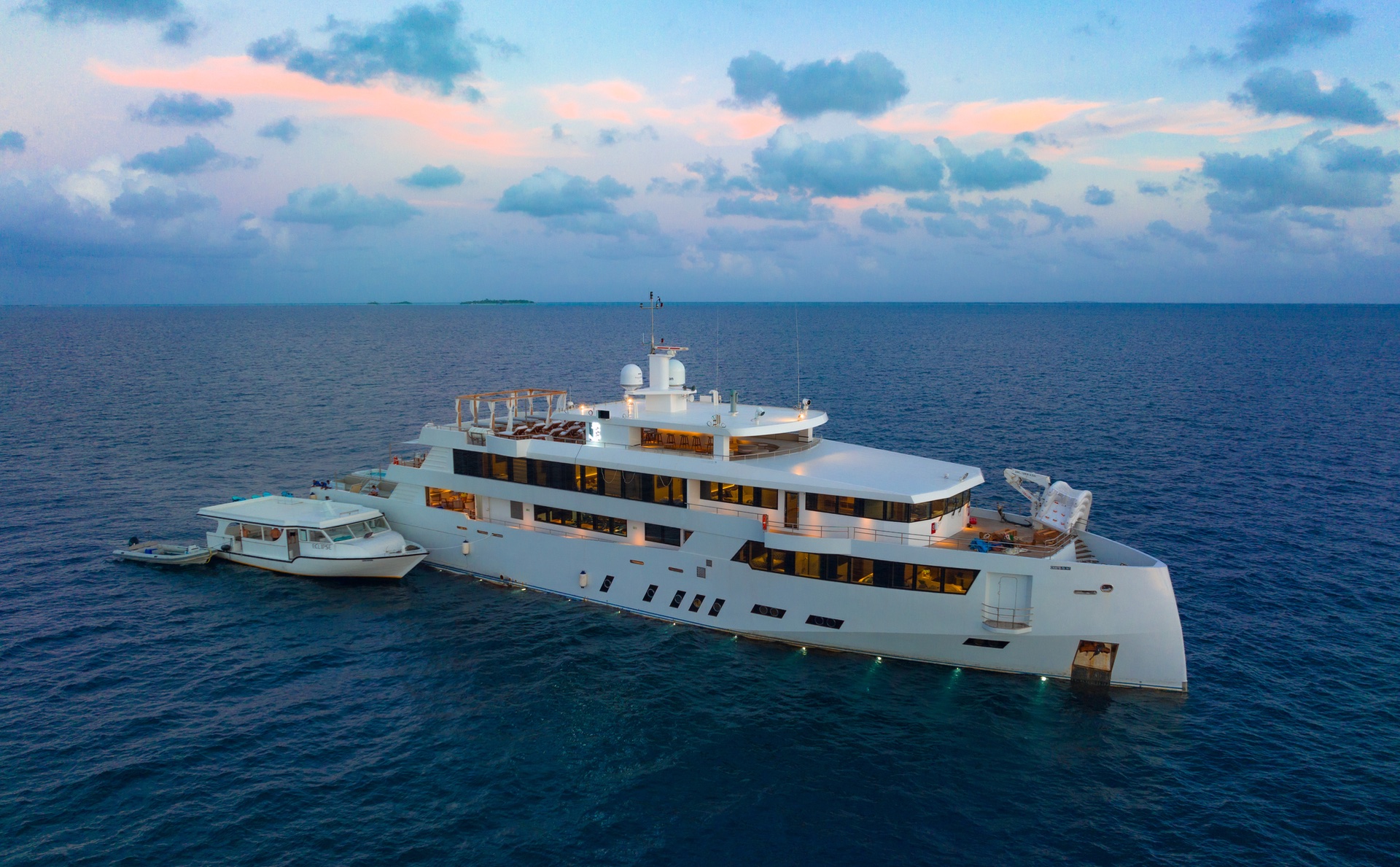
White Pearl
Maldives
26 guests
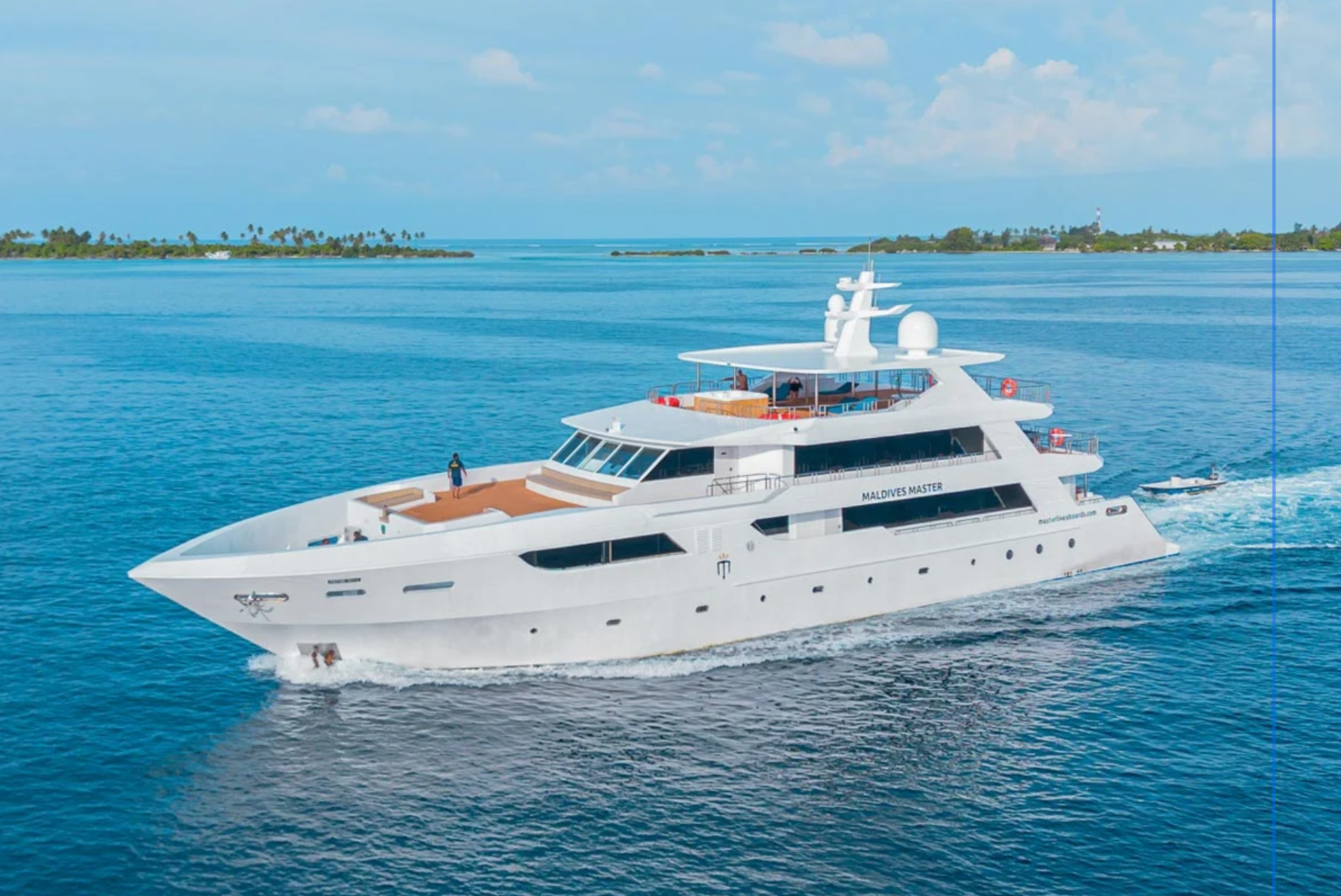
Maldives Master
Maldives
26 guests
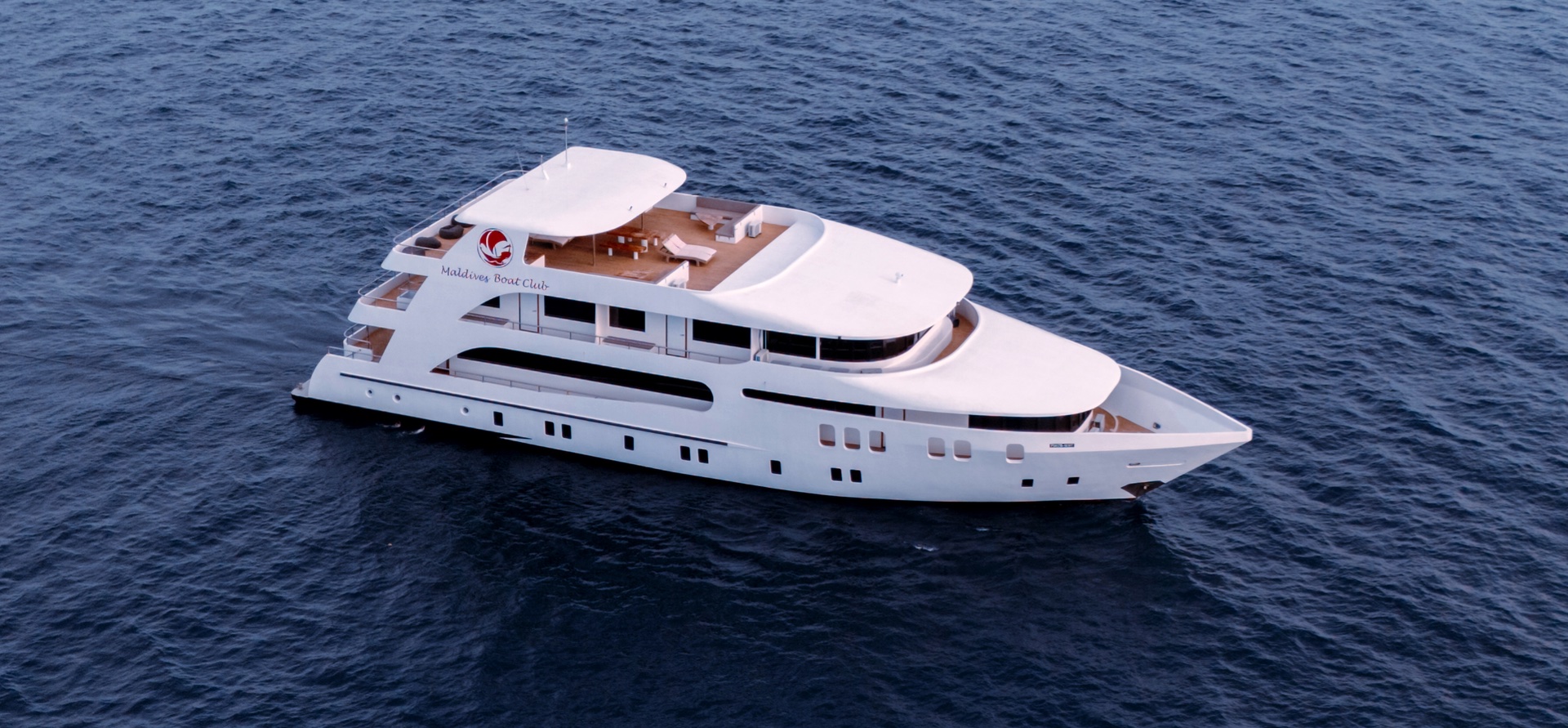
Adora
Maldives
22 guests
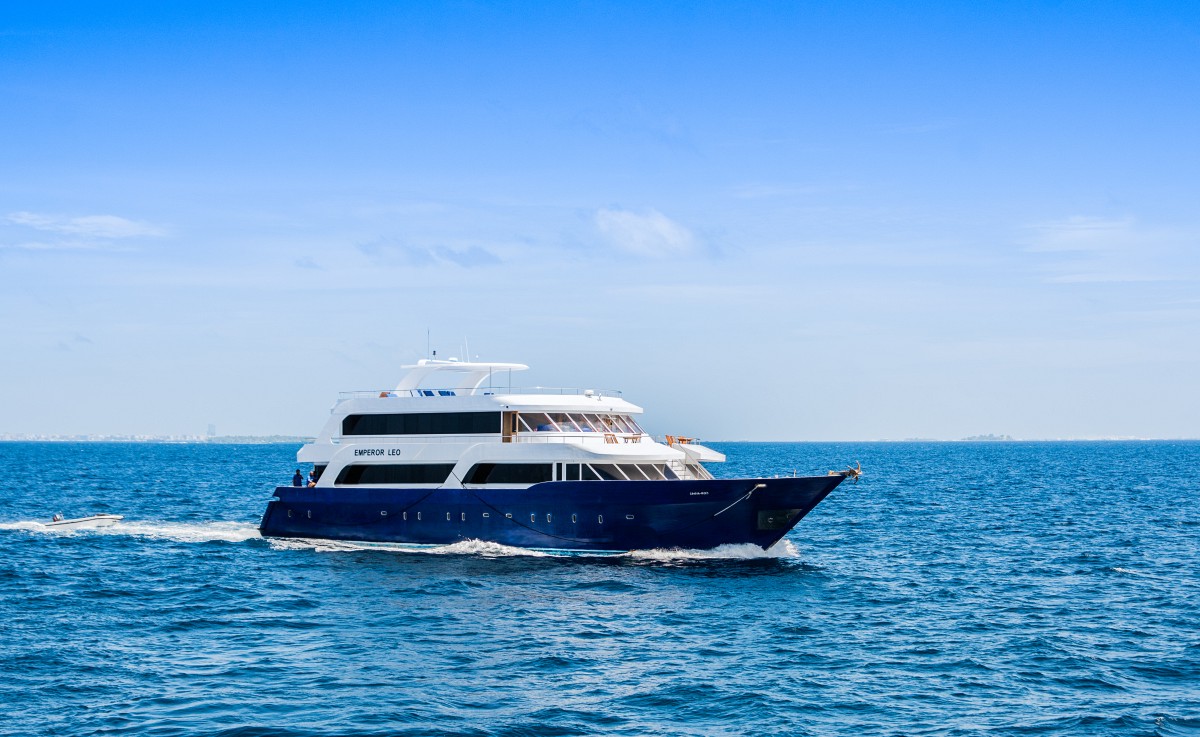
Emperor Leo
Maldives
24 guests35.1 m
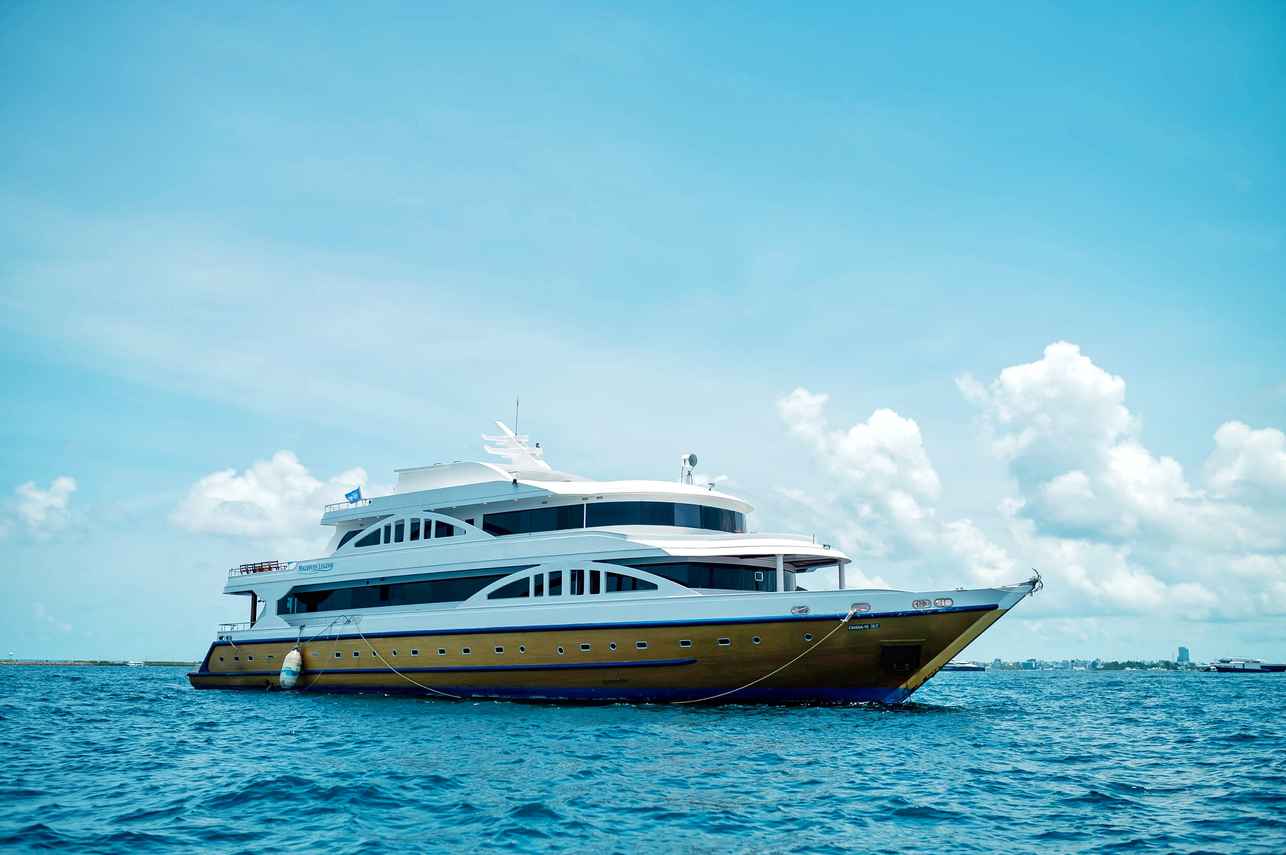
Maldives Legend Zen
Maldives
24 guests41 m
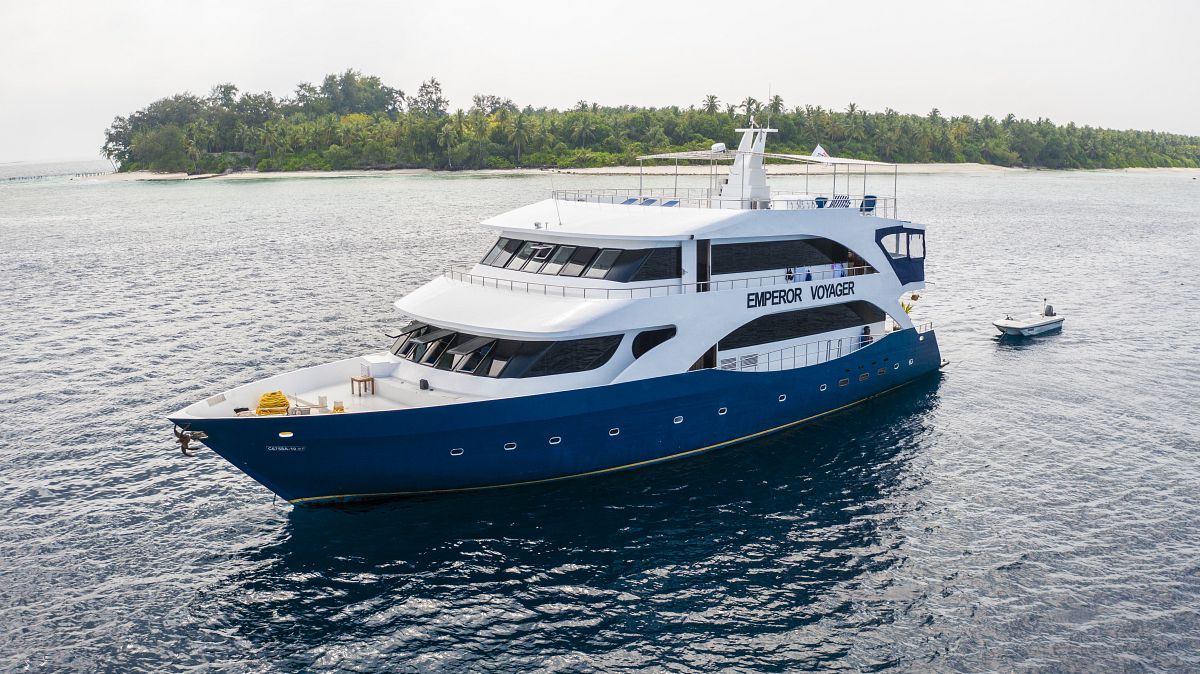
Emperor Voyager
Maldives
20 guests29.9 m
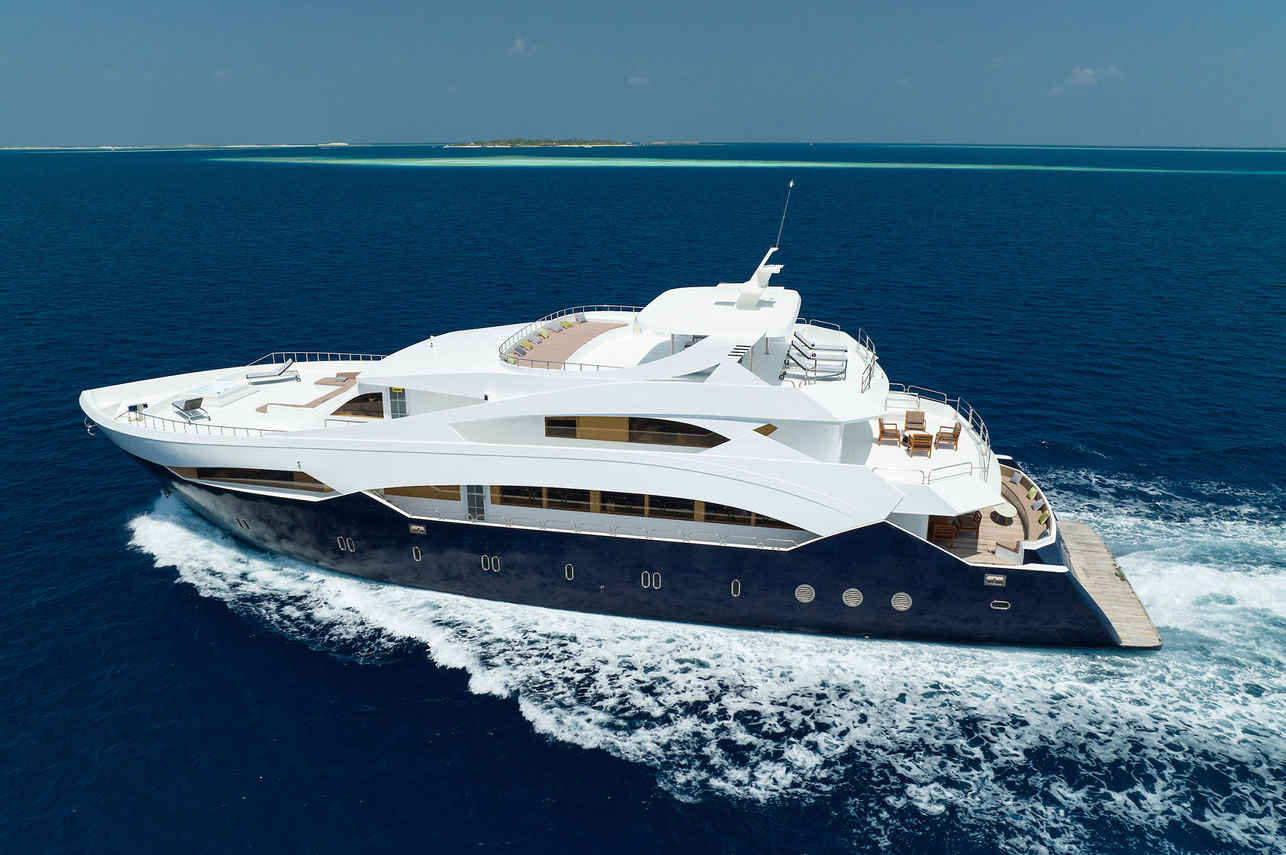
Felicity
Maldives
26 guests41 m
Dive sites similar to Miyaru Kandu
Same character, same waters — six more sites divers love for the exact same reasons.Compare seasons, access and liveaboard routes — then pick the site that fits your trip best.
© Esri — Maxar, Earthstar, GIS
7th Heaven
Maldives
7th Heaven is a vibrant channel reef located in the South Ari Atoll of the Maldives.
- Suitable for
- Intermediate
- Current
- Strong
- Access
- Liveaboard only
- Depth
- 10–30 m
- Theme
- Reef / Drift
The dive site known as "Abyss" is not specifically mentioned or described in the provided sources.
- Suitable for
- Intermediate
- Current
- Moderate
- Access
- Liveaboard or dayboat
- Depth
- 18–50 m
- Theme
- Reef
© Esri — Maxar, Earthstar, GIS
Addu Kandu
Maldives
Addu Kandu, also known as Addu Channel, is a significant natural waterway situated within the Addu Atoll, which is the southernmost atoll in the Maldives.
- Suitable for
- Advanced
- Current
- Strong
- Access
- Liveaboard only
- Depth
- 10–35 m
- Theme
- Drift
© Esri — Maxar, Earthstar, GIS
Aldabra Atoll
Seychelles
Aldabra Atoll, a remote UNESCO World Heritage Site in the Seychelles, offers an unparalleled diving experience that transports you back to a pristine, pre-industrial marine ecosystem.
- Suitable for
- Advanced
- Current
- Strong
- Access
- Liveaboard or dayboat
- Depth
- 5–40 m
- Theme
- Cave & cavern / Drift
© Esri — Maxar, Earthstar, GIS
Aldebaran Wreck
Seychelles
The Aldebaran Wreck, a 28-meter (92-foot) fishing vessel, was intentionally sunk on July 11, 2008, by the Seychelles Tourism Board to create an artificial reef.
- Suitable for
- Advanced
- Current
- Moderate
- Access
- Liveaboard or dayboat
- Depth
- 28–40 m
- Theme
- Wreck
© Esri — Maxar, Earthstar, GIS
Alimatha Jetty
Maldives
Alimatha Jetty, situated in the Vaavu Atoll beside the Alimatha Aquatic Resort's working pier, is celebrated as a premier night dive destination in the Maldives.
- Suitable for
- Beginner
- Current
- Moderate
- Access
- Liveaboard or dayboat
- Depth
- 2–12 m
- Theme
- Reef