About Alimatha Reef
Alimatha Reef, located in the Central Atolls of the Maldives within Vaavu Atoll, is particularly renowned for its exceptional night diving experiences. This site is celebrated for attracting a large population of nurse sharks and stingrays, providing divers with unique opportunities for close-up observations in their natural habitat after dark. The reef itself, though often explored at a shallow average depth, presents a rich marine environment that supports these impressive gatherings. During the day, Alimatha Reef serves as a good introductory site with an average depth of 13 meters, suitable for exploration by divers of various experience levels. The topography includes vibrant reef structures that house diverse fish populations. While visibility can sometimes be moderate, the site maintains warm water temperatures consistently around 30°C. The unique attraction of nurse sharks and stingrays is a year-round phenomenon, making Alimatha a consistent highlight for those seeking big animal encounters. The site's accessible nature and the predictable presence of these creatures contribute to its popularity. It is often included in itineraries that combine the Vaavu Atoll with other central Maldivian diving hotspots, especially for divers interested in both daytime reef exploration and thrilling night dives.
Highlights
Nurse shark night divesStingray encountersVaavu Atoll locationVibrant reef ecosystemWarm water divingCentral Atolls highlight
Season calendar
Best months to dive here
Jan
Feb
Mar
Apr
May
Jun
Jul
Aug
Sep
Oct
Nov
Dec
Excellent
Good
Dive site facts: Alimatha Reef
- Depth
- 13 m average
- Typical dive
- 13 m, 29 min reported
- Current
- 1 knot
- Visibility
- 10–25 m
- Water temperature
- 30 °C
- Entry
- Boat
- Level
- Open Water
- Dive type
- Night dive, reef
- Night dive
- Possible and highly recommended
- Region / port
- Vaavu Atoll, Central Maldives
- Coordinates
- 3.2081° N, 73.1766° E
Conditions & Currents
Currents at Alimatha Reef are generally manageable, noted at around 1 knot, making it accessible for a wider range of divers. While not a strong drift dive site, divers should be aware of the prevailing flow, especially during night dives. Entry is typically from a boat, with a standard descent. Visibility is often around 10 meters, though it can extend up to 25 meters, allowing for good observation of marine life. Water temperatures remain consistently warm at approximately 30°C. Due to the nocturnal activity, night diving at Alimatha requires careful planning and adherence to dive guide instructions, particularly concerning interactions with marine life.
Marine life & sighting chances


Dive profile & how the dive runs
A typical dive at Alimatha Reef often focuses on the main reef structure, especially during night dives. Entry is usually via a boat drop, allowing for a direct descent to the productive areas. The dive route generally follows the reef, moving at a relaxed pace due to the mild currents. Depths are typically shallow, averaging around 13 meters, which allows for longer bottom times and extended observation of the marine interactions. The main attraction is the predictable presence of nurse sharks and stingrays, particularly active after sunset. Divers are encouraged to maintain good buoyancy and observe these animals from a respectful distance. The dive concludes with a gradual ascent, and the safety stop is typically performed in open water above the reef before surfacing for boat pick-up.
Underwater photography
Alimatha Reef is a prime location for capturing unique nocturnal marine encounters, specifically with nurse sharks and stingrays. For wide-angle photography, consider a fisheye or wide-angle lens to frame the dynamic interactions of multiple sharks and rays. Strobes are essential to illuminate subjects and restore natural colors in the low-light conditions of a night dive. Be mindful of not overpowering your subjects with excessive flash, which can disturb their natural behavior. For close-up shots of individual animals, a macro lens may also be effective. Maintaining excellent buoyancy is crucial, especially at night, to avoid disturbing the sand or the animals.
Combine with nearby dive sites
- Miyaru Kandu
Miyaru Kandu, aptly named "Shark Channel," stands out as a premier drift dive destination in the Maldives, particularly within the Vaavu…
- Kunavashi Kandu
- Fotteyo Kandu
A famous channel dive in Vaavu Atoll
- Dhiggiri Kandu
Dhiggiri Kandu is a renowned channel dive in the Maldives, characterized by its current-sculpted reef edges and abundant pelagic activity…
Getting there & logistics
Alimatha Reef is located in the Vaavu Atoll, part of the Central Atolls region of the Maldives. Access to Vaavu Atoll is typically via liveaboard itineraries that often combine several central atolls, or through transfers to resort islands within the atoll. The nearest international airport is Velana International Airport (MLE) in Malé. From there, divers usually transfer to their liveaboard or resort via domestic flight or speedboat. Dive trips exploring Alimatha often last 7 to 10 days, allowing sufficient time to experience its unique night diving and other nearby sites. There are no specific park fees mentioned for Alimatha, but liveaboard and resort packages generally include diving permits.
Safety & environment
Diving at Alimatha Reef, particularly during its famous night dives, requires careful attention to safety protocols. While currents are generally mild, divers should remain aware of their surroundings and maintain good buoyancy, especially when observing marine life at close quarters. Always follow the instructions of your dive guide, particularly regarding interactions with nurse sharks and stingrays. The nearest recompression chambers are located in Malé, necessitating comprehensive dive insurance that covers emergency medical evacuation. Divers should ensure their equipment is in good working order and carry appropriate signaling devices for night dives. Be prepared for potential boat traffic, especially during surface intervals.
Who it suits — and who it doesn't
Suited for
- Divers seeking unique night diving experiences
- Photographers interested in nocturnal marine life
- Divers comfortable with animal interactions
- Open Water certified divers for day dives
- Liveaboard guests exploring Central Atolls
Less suited for
- Divers uncomfortable with low visibility (during night dives)
- Those who prefer strong current drift diving only
- Divers who dislike close encounters with marine life
- Absolute beginners (for night dives without prior experience)
FAQ
Alimatha Reef FAQ
What makes Alimatha Reef a unique dive site?
Alimatha Reef is globally recognized for its exceptional night dives, where large numbers of nurse sharks and stingrays gather. This creates a rare opportunity for divers to observe these impressive creatures in their active nocturnal environment, offering a truly memorable and close-up marine encounter that sets it apart from many other Maldivian dive sites.
What marine life can I expect to see at Alimatha Reef?
The primary draw of Alimatha Reef is the consistent presence of nurse sharks and stingrays, especially during night dives. In addition to these main attractions, the reef hosts various fish species and healthy coral formations. While large pelagics are not the main focus here, it's a vibrant ecosystem that supports a diverse range of reef inhabitants.
What are the typical dive conditions at Alimatha Reef?
Dive conditions at Alimatha Reef are generally favorable, with an average depth of 13 meters and consistently warm water temperatures around 30°C. Currents are usually mild, reported at about 1 knot, making it a relatively calm site. Visibility can range from 10 to 25 meters, providing good viewing opportunities, particularly for its famed night dives.
Is Alimatha Reef suitable for beginner divers?
Yes, Alimatha Reef is considered suitable for Open Water certified divers for daytime explorations due to its shallow average depth and mild currents. However, its signature night dives, while popular, are best enjoyed by divers with some night diving experience or under close supervision, given the unique environment and marine life interactions.
How is Alimatha Reef usually accessed for diving?
Alimatha Reef is typically accessed via liveaboards operating in the Central Atolls, specifically the Vaavu Atoll. These liveaboard itineraries often combine several dive sites across the region, with Alimatha being a highlight, particularly for its night diving experiences. Day trips from nearby resorts within Vaavu Atoll are also possible.
Why dive Alimatha Reef from a liveaboard?
Alimatha Reef is one of Maldives's signature dive sites. A liveaboard sleeps you on the water and puts you in the water for three to four guided dives per day, including dawn and night dives that day-boat operators rarely offer. You skip the daily commute back to port and reach quieter, less-crowded sites in the same region on a single trip.
Below are the liveaboards that include Alimatha Reef on their Maldives itineraries.
Liveaboards diving Alimatha Reef
These liveaboards may visit Alimatha Reef on selected itineraries — the exact dive sites depend on departure, weather and conditions.
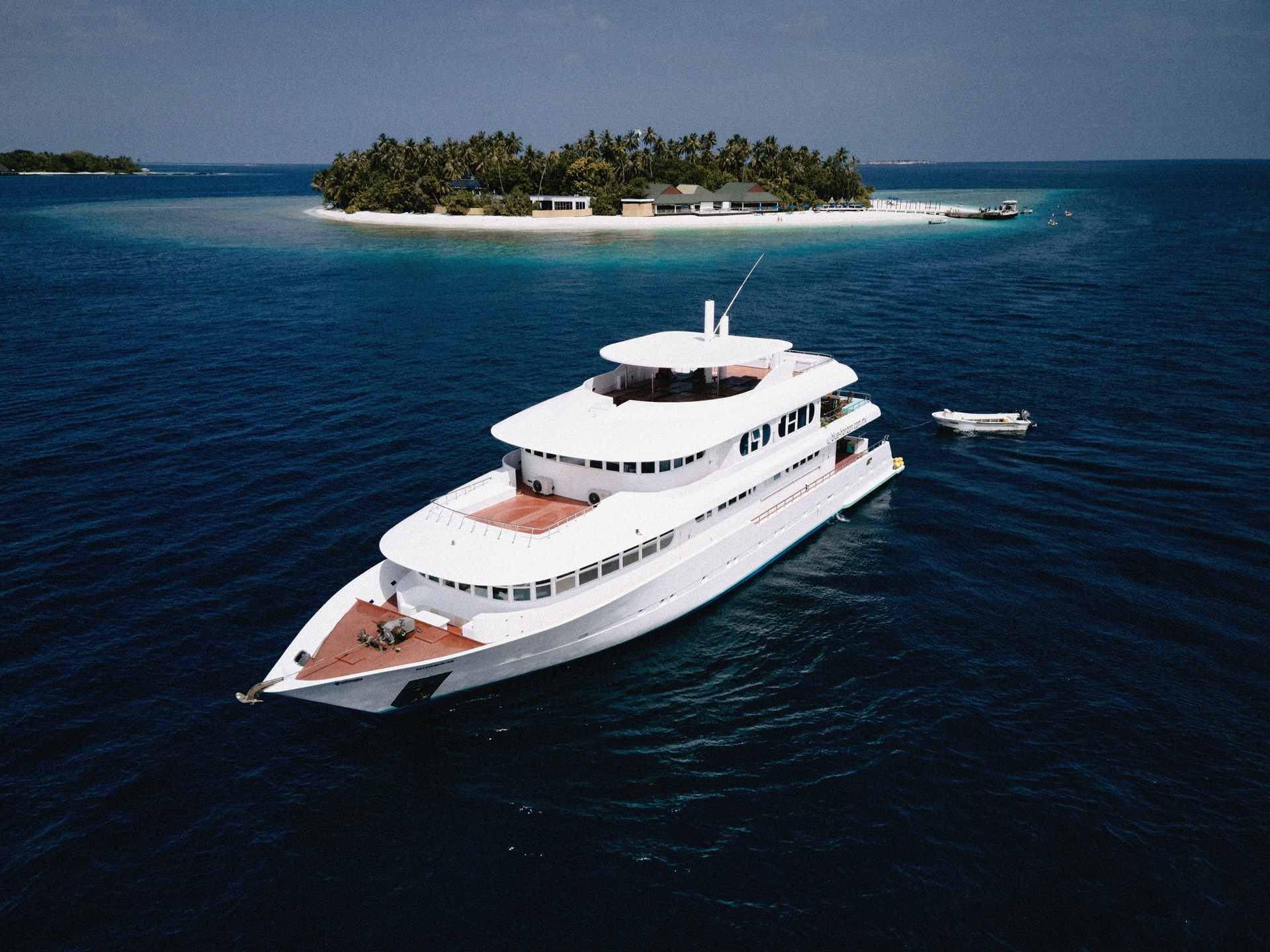
Horizon III
Maldives
25 guests
$204/day
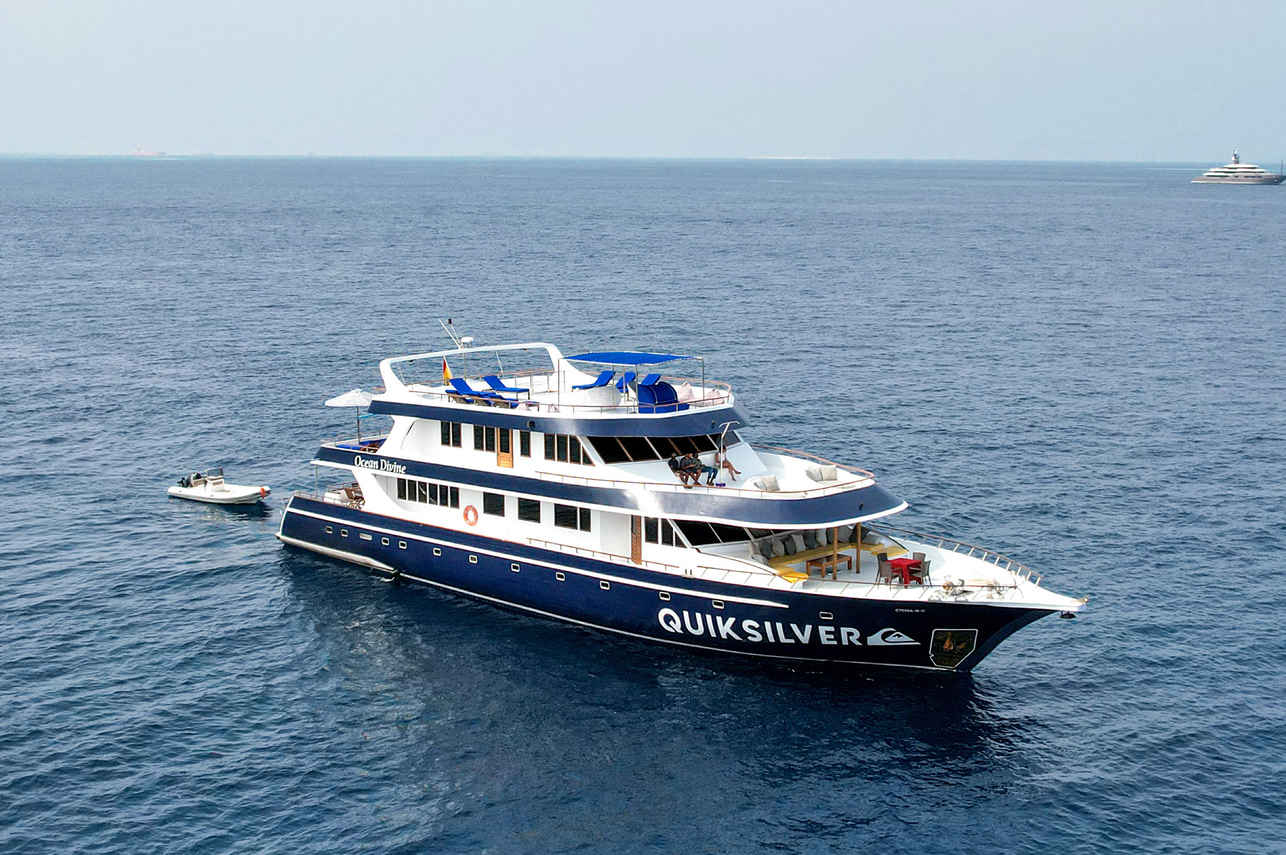
Ocean Divine
Maldives
16 guests33.528 m
$287/day
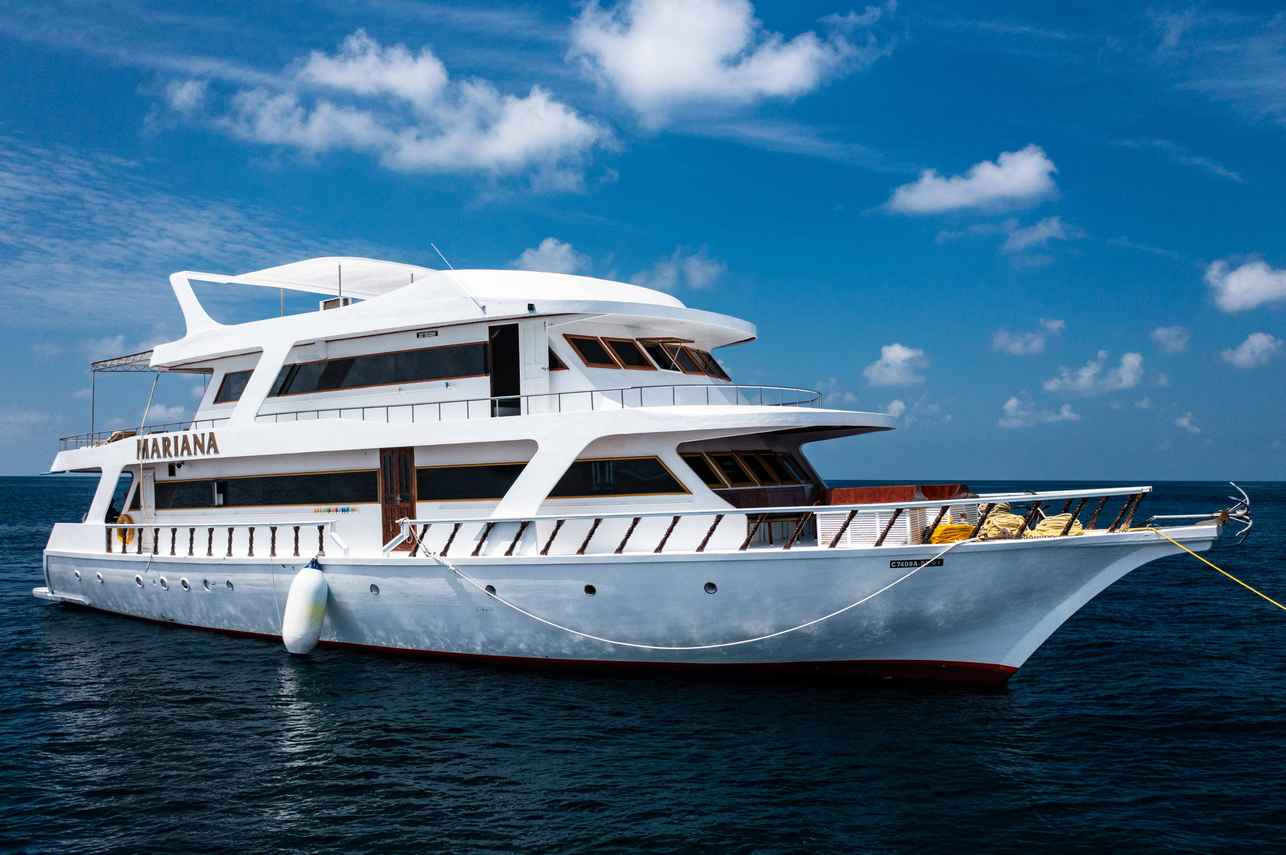
EcoPro Mariana
Maldives
16 guests30 m
$236/day
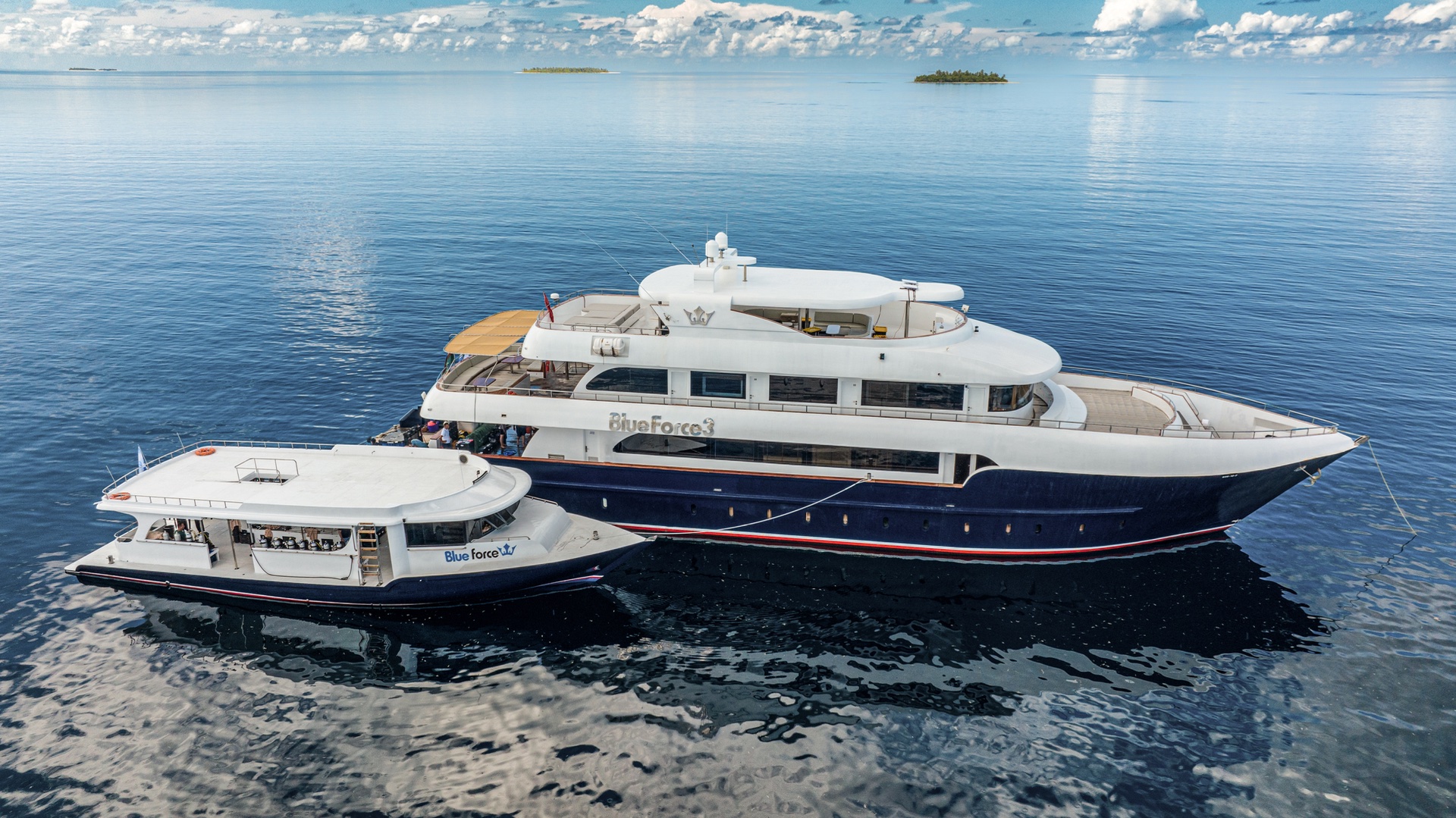
Maldives Blue Force 3
Maldives
26 guests42 m
$211/day
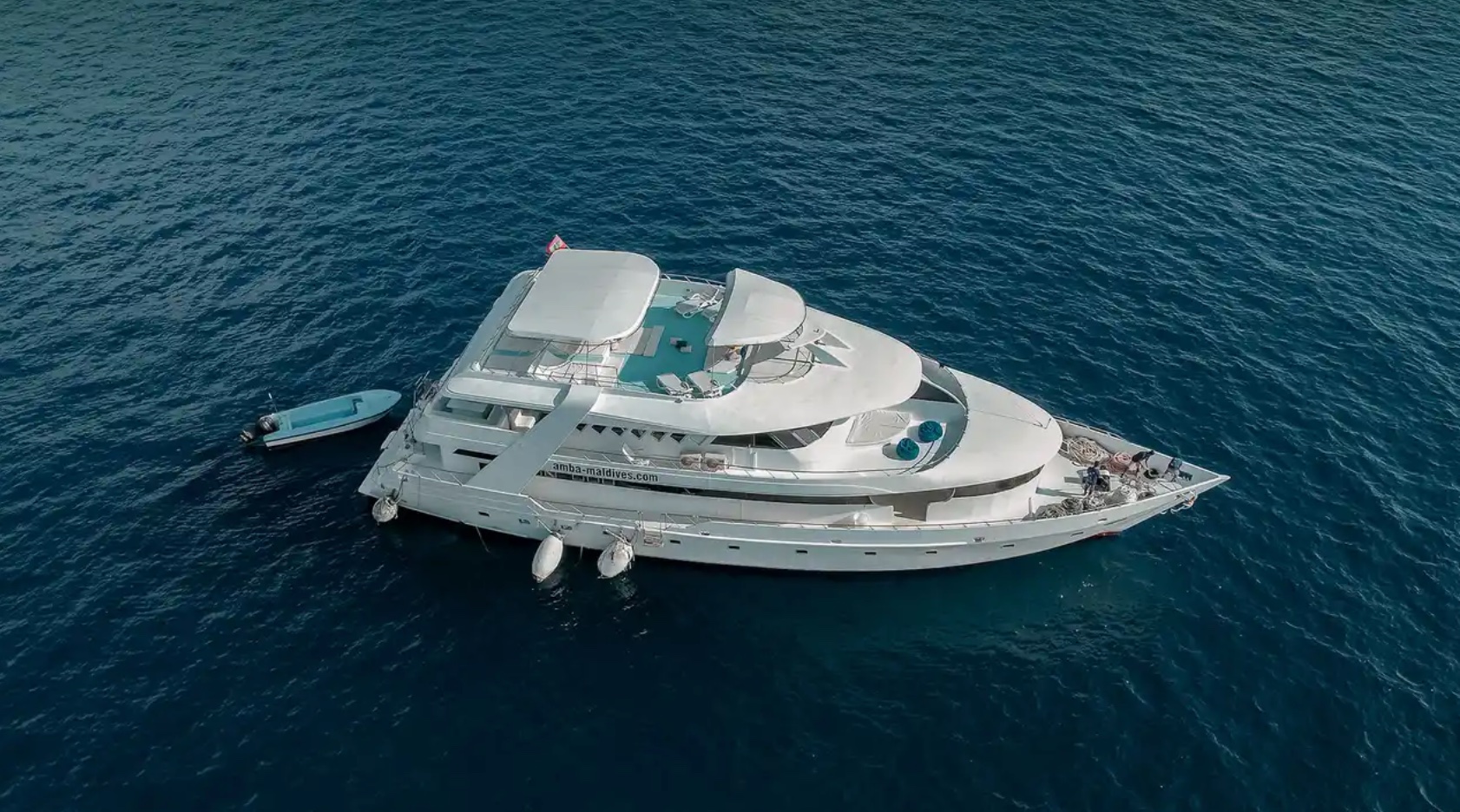
Amba
Maldives
20 guests
$178/day
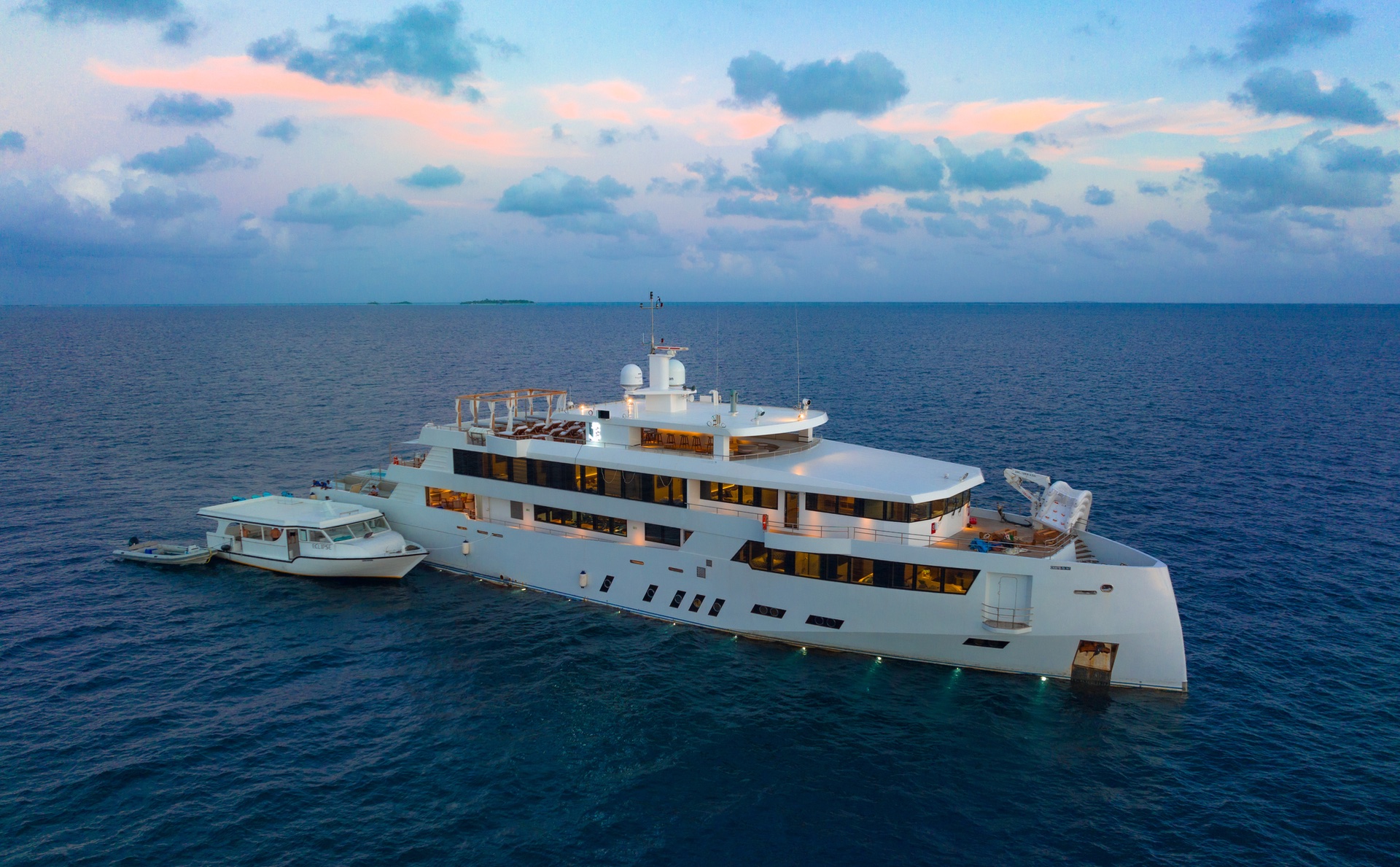
White Pearl
Maldives
26 guests
$375/day
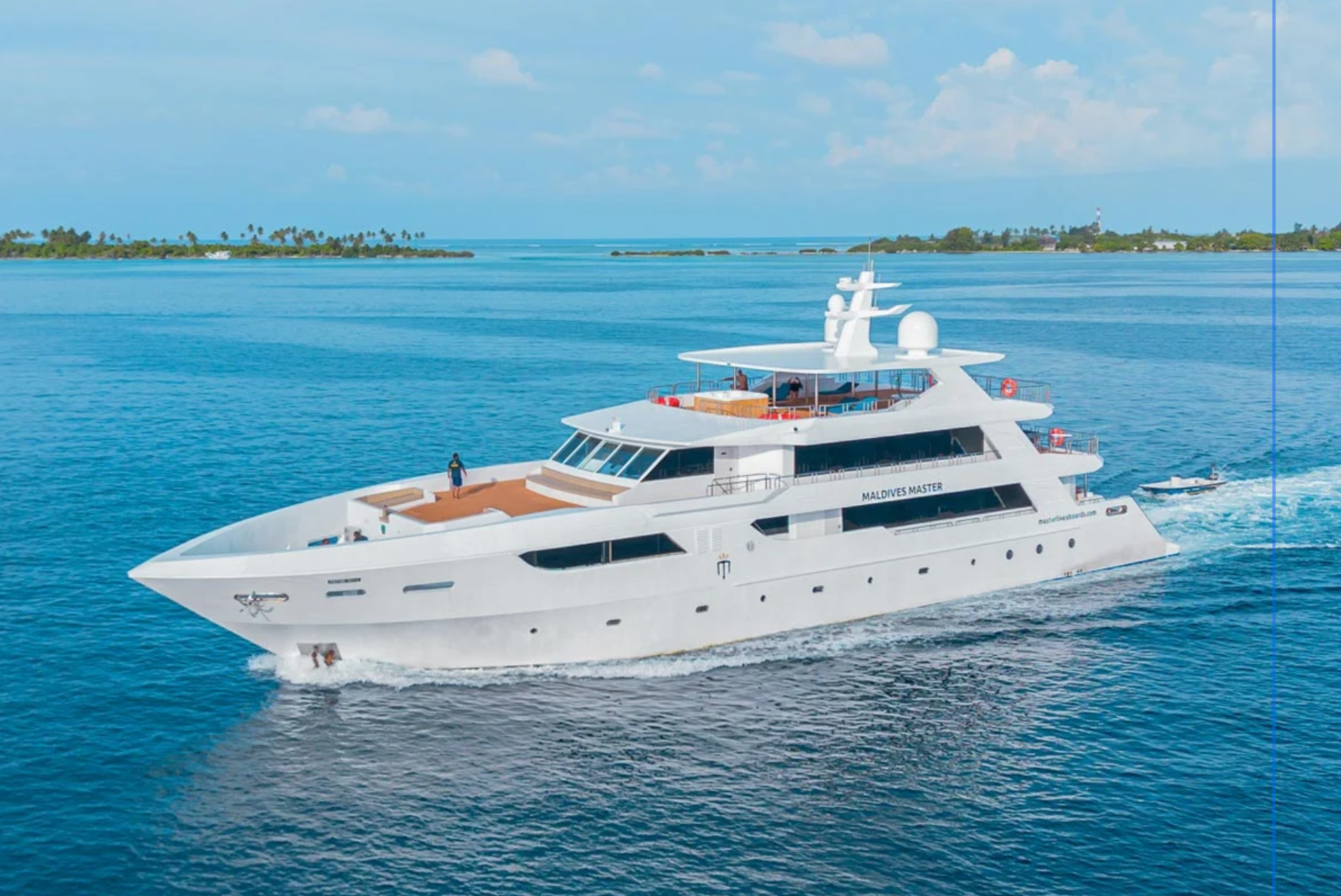
Maldives Master
Maldives
26 guests
$207/day
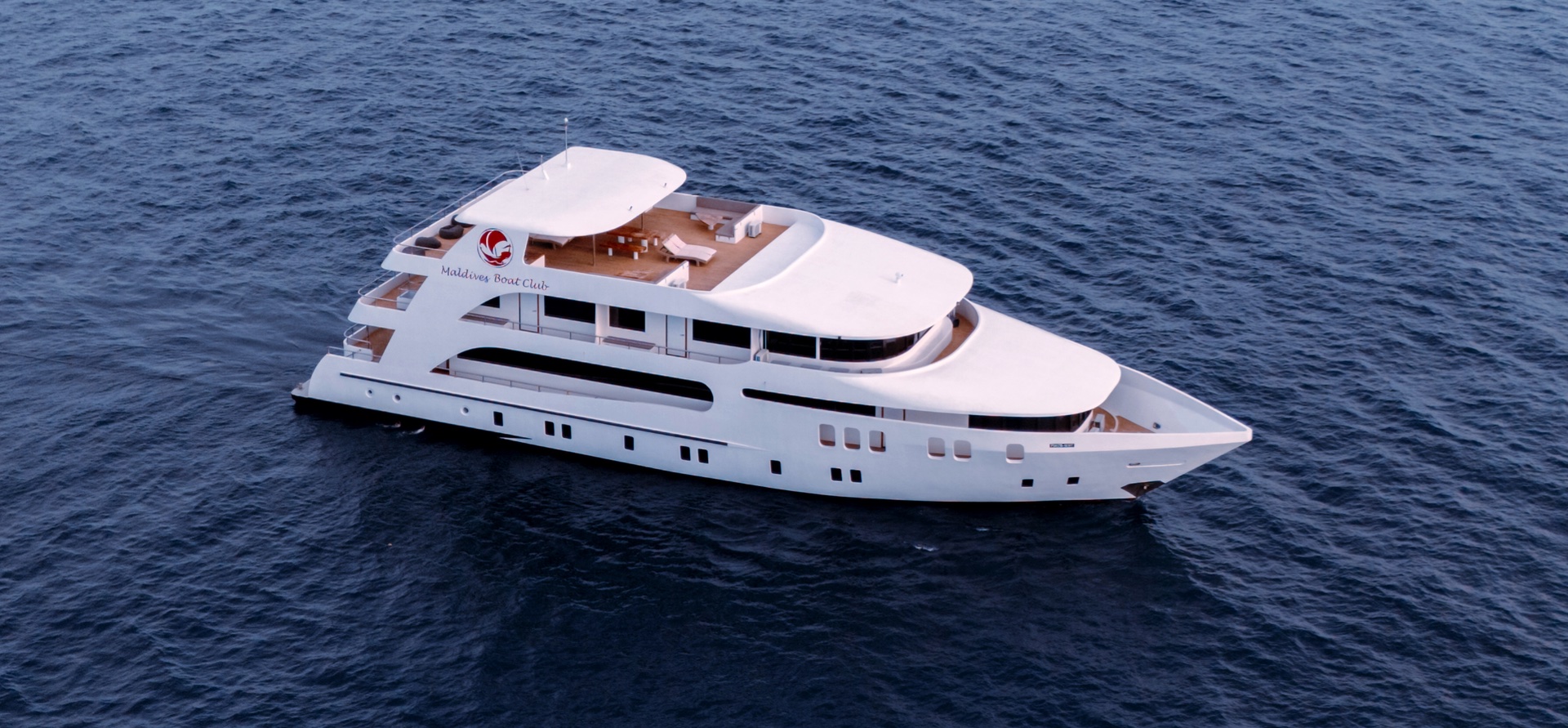
Adora
Maldives
22 guests
$297/day
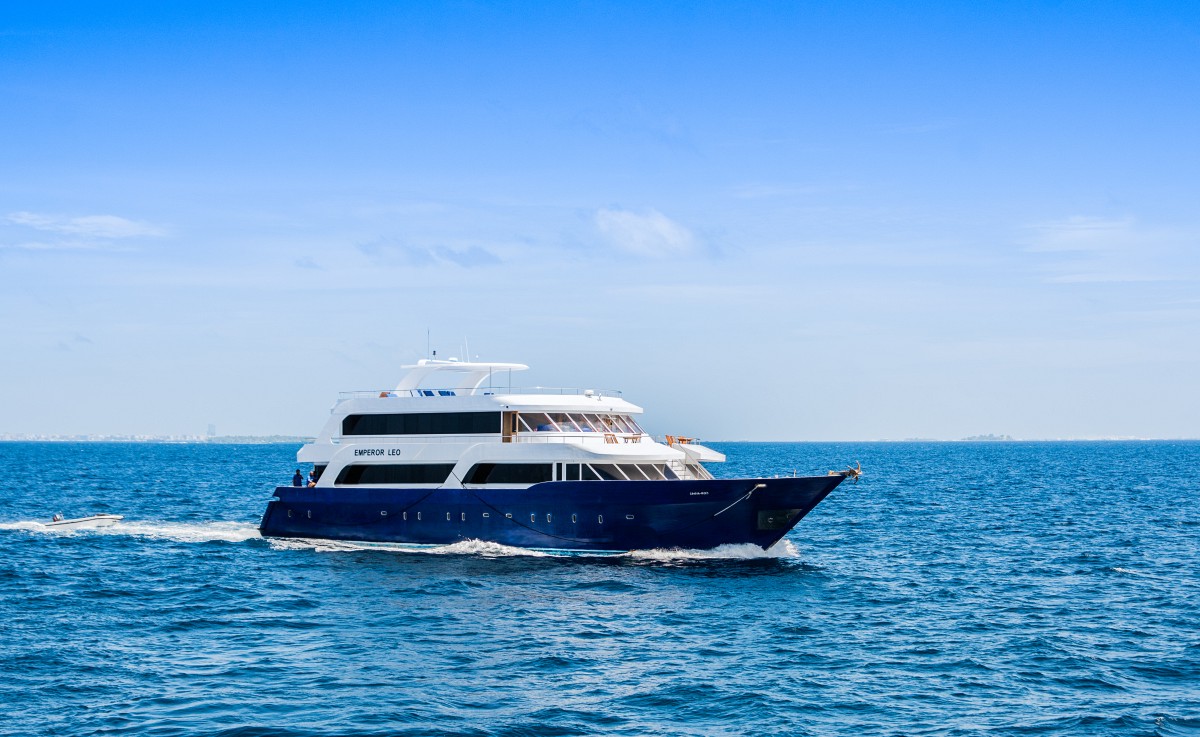
Emperor Leo
Maldives
24 guests35.1 m
$339/day
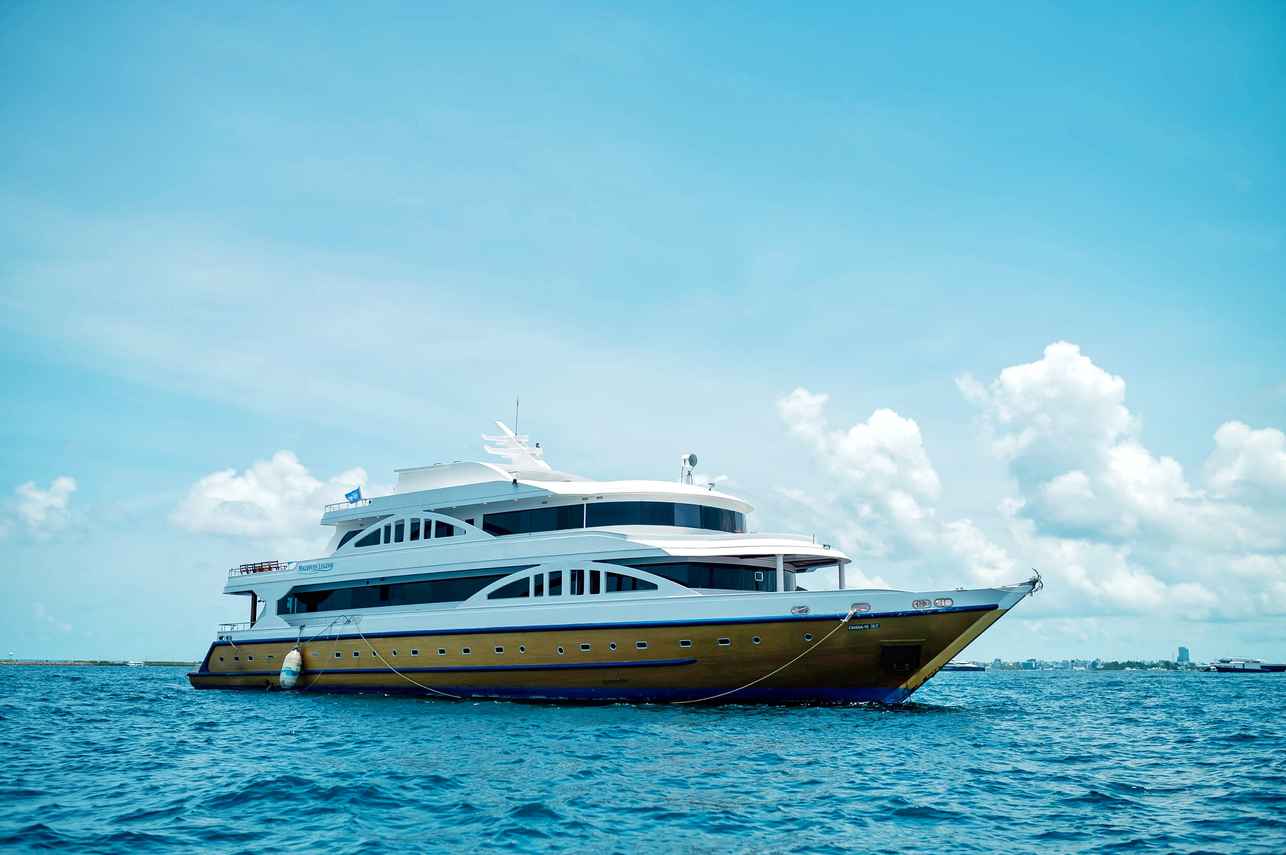
Maldives Legend Zen
Maldives
24 guests41 m
$316/day
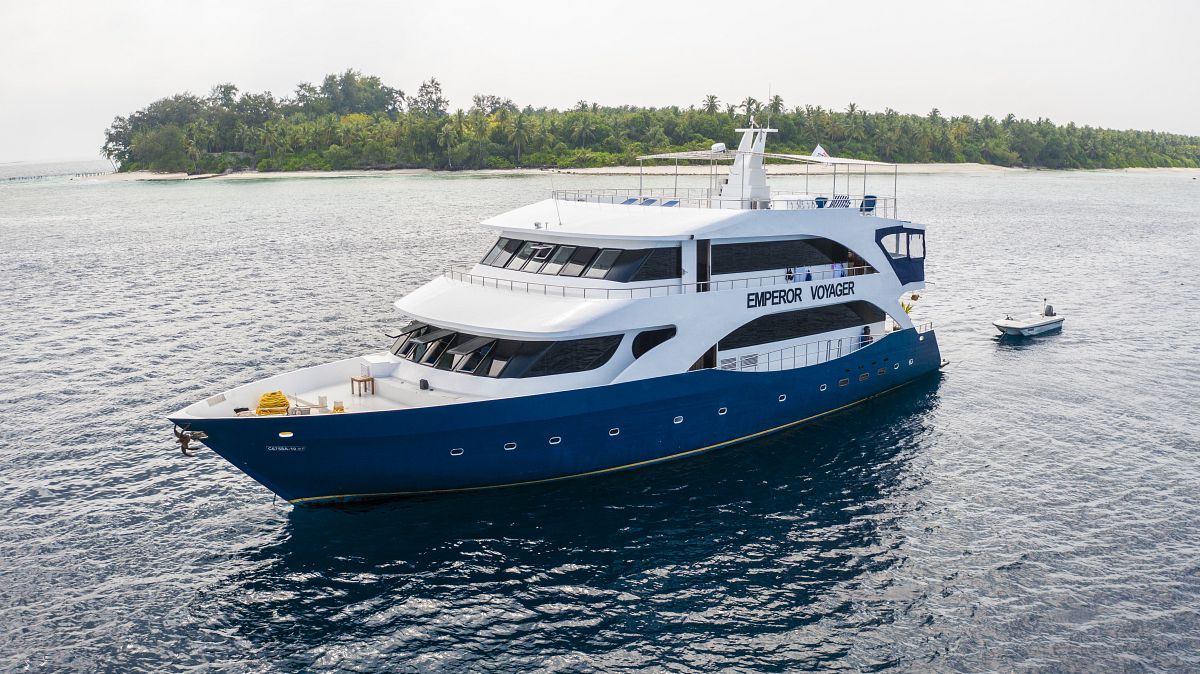
Emperor Voyager
Maldives
20 guests29.9 m
$332/day
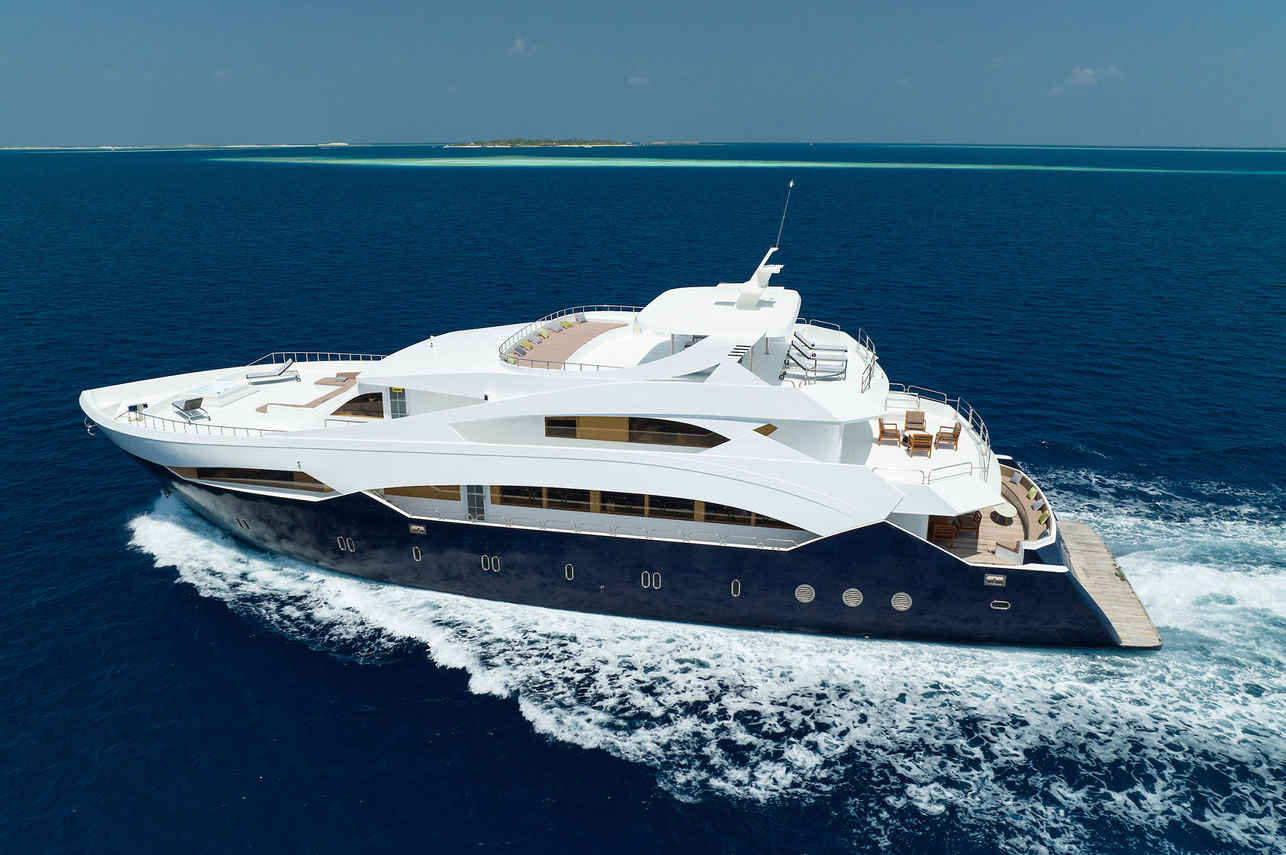
Felicity
Maldives
26 guests41 m
$229/day
Dive sites similar to Alimatha Reef
Same character, same waters — six more sites divers love for the exact same reasons.Compare seasons, access and liveaboard routes — then pick the site that fits your trip best.
© Esri — Maxar, Earthstar, GIS
Emas Thila (North Malé)
Maldives
Emas Thila is a renowned submerged reef pinnacle located in the South Ari Atoll, a protected Marine Protected Area in the Maldives.
- Suitable for
- Intermediate
- Current
- Strong
- Access
- Liveaboard or dayboat
- Depth
- 8–30 m
- Theme
- Cave & cavern / Pinnacle
© Esri — Maxar, Earthstar, GIS
Kudimaa Wreck
Maldives
The Kudimaa Wreck is a compelling dive site in the Maldives, offering a fascinating artificial reef environment.
- Suitable for
- Advanced
- Current
- Moderate
- Access
- Liveaboard only
- Depth
- ≤ 30 m
- Theme
- Wreck / Reef
© Esri — Maxar, Earthstar, GIS
Fushi Kandu (Lhaviyani)
Maldives
Fushi Kandu, located in the Lhaviyani Atoll, is an exciting channel dive site in the Maldives, offering some of the most dynamic drift diving experiences in the Indian Ocean.
- Suitable for
- Advanced
- Current
- Strong
- Access
- Liveaboard or dayboat
- Depth
- 15–35 m
- Theme
- Channel / Drift
© Esri — Maxar, Earthstar, GIS
Gan Corner (Addu Atoll)
Maldives
Gan Corner, locally known as Gan Kandu, is a prominent channel dive site nestled in the southwestern part of Addu (Seenu) Atoll, situated conveniently near the islands of Gan and Feydhoo.
- Suitable for
- Advanced
- Current
- Strong
- Access
- Liveaboard or dayboat
- Depth
- 5–40 m
- Theme
- Channel / Drift
© Esri — Maxar, Earthstar, GIS
Hithadhoo Corner (Addu)
Maldives
Hithadhoo Corner, situated in Addu Atoll, offers a unique opportunity for exceptional diving and snorkeling.
- Suitable for
- Advanced
- Current
- Moderate
- Access
- Liveaboard or dayboat
- Depth
- 3–30 m
- Theme
- Channel / Drift
© Esri — Maxar, Earthstar, GIS
Guraidhoo Corner
Maldives
Guraidhoo Corner, situated at the southern tip of Guraidhoo Island, stands as a marine protected area often celebrated for its exceptional fish diversity and photographic opportunities within the Maldives.
- Suitable for
- Advanced
- Current
- Ripping
- Access
- Liveaboard or dayboat
- Depth
- 5–35 m
- Theme
- Channel / Drift