About Fushi Kandu (Lhaviyani)
Fushi Kandu, located in the Lhaviyani Atoll, is an exciting channel dive site in the Maldives, offering some of the most dynamic drift diving experiences in the Indian Ocean. The local term "kandu" denotes a channel, and this site perfectly embodies the concept of an underwater highway, where potent currents bring nutrient-rich waters through the passage. This natural funnel effect concentrates marine life, providing divers with exceptional encounters with pelagic species. Fushi Kandu is particularly recognized as both a feeding ground and a cleaning station for large marine animals. The consistent currents deliver plankton and small fish, which in turn draw in a variety of creatures such as manta rays, whale sharks, and numerous shark species. The channel's walls are adorned with vibrant soft corals and sea fans, thriving in the nutrient-rich flow and creating stunning underwater landscapes that also shelter smaller reef inhabitants. The dive site's geography features a channel that ascends from deeper areas, with depths ranging from 10 to 40 meters. Visibility typically spans 15 to 25 meters, though this can fluctuate with current intensity and plankton levels. Strong to very strong currents are characteristic here, making it an advanced dive suitable only for experienced divers comfortable with challenging conditions. It is frequently included in 10-night liveaboard itineraries covering the Central Atolls and Lhaviyani, offering a reliable location for spectacular pelagic action.
Highlights
Thrilling channel drift divingManta ray cleaning stationShark encounters (reef, white tip)Vibrant soft coral wallsLarge pelagic sightingsStrong current experience
Season calendar
Best months to dive here
Jan
Feb
Mar
Apr
May
Jun
Jul
Aug
Sep
Oct
Nov
Dec
Good
Dive site facts: Fushi Kandu (Lhaviyani)
- Depth
- 10–40 m
- Current
- Strong to very strong
- Visibility
- 15–25 m
- Water temperature
- 26–29°C
- Entry
- Negative entry / Liveaboard tender
- Level
- Advanced only
- Dive type
- Drift, channel, pelagic
- Region / port
- Lhaviyani Atoll / Central Maldives
- Coordinates
- 5.428, 73.492
Conditions & Currents
Fushi Kandu is famous for its strong to very strong currents, which can exceed 2-3 knots, making it a challenging site suitable only for advanced divers. The channel's unique topography acts as a funnel, accelerating water flow and creating upwellings that deliver nutrient-rich waters, attracting prolific marine life. Divers should anticipate negative entries to quickly reach the desired depth before being swept away, and proficiency in deploying a reef hook is essential to maintain position and observe the rich pelagic action. Surface marker buoy (SMB) deployment is crucial for safety, especially given the dynamic current patterns. While these currents contribute to the site's vibrant ecosystem and frequent pelagic encounters, they demand excellent buoyancy control, substantial drift diving experience, and careful gas management.
Marine life & sighting chances

Manta ray
common
Whale shark
occasional
Grey reef shark
common
Whitetip reef shark
common
Hammerhead shark
occasional
Tuna
common
Barracuda
common
Sea turtle
common
Moray eel
common
Napoleon wrasse
common
Snapper
common
Colourful reef fish
common
Crustacean
commonDive profile & how the dive runs
Diving Fushi Kandu typically begins with a negative entry to rapidly descend and reach the channel floor before the strong currents sweep you away. The route often follows the channel, allowing divers to drift along the current, observing the vibrant soft corals and sea fans adorning the walls. Divers will use reef hooks to hold their position and watch for passing pelagics such as manta rays, various shark species, and large schools of tuna or barracuda. The dive progresses along the channel, maintaining depths suitable for observing marine life congregating in the nutrient-rich flow. The turn point is determined by gas consumption and current strength, with the ascent initiated gradually while ensuring a safety stop, often in calmer areas if available, or while deploying an SMB in the blue water.
Underwater photography
Fushi Kandu is a prime location for wide-angle photography, given the consistent presence of large pelagics like manta rays, sharks, and whale sharks. A wide-angle lens is essential to capture the scale of these magnificent creatures and the expansive channel scenery. Due to strong currents, precise buoyancy control is critical to maintain position and avoid kicking up sediment or contacting delicate corals. Using strobes can help bring out the vibrant colors of the soft corals on the channel walls, but be mindful of the current's impact on strobe positioning and synchronization. For static shots while hooked in, ensure your setup is secure. Patience is key, as marine life will often approach divers holding still. Always prioritize safe conduct and respect marine life by maintaining distance and minimizing disturbance.
Combine with nearby dive sites
- Kuredu Island Resort
Location of a recompression chamber
- Maaya Thila
A renowned thila in North Ari Atoll, sometimes combined with Lhaviyani itineraries
- Manta Point (Lankanfinolhu)
A reliable manta cleaning station in North Malé Atoll
- Kandooma Thila (Cocoa Thila)
A popular thila in South Malé Atoll, often part of Central Atolls itineraries
Getting there & logistics
Access to Fushi Kandu is primarily via liveaboard trips that include the Lhaviyani Atoll in their itinerary. These liveaboards typically depart from Malé International Airport (MLE), with transfers to the vessel occurring at specific times, usually 12:30 or 16:00. Guests are advised to fly into Malé (MLE) and arrange independent transfers from their hotels to the airport meeting point if not arriving directly. Liveaboard itineraries visiting Lhaviyani Atoll often last 7 or 10 nights, sometimes combined with other Central Atolls or Baa Atoll sites, depending on weather and sea conditions. There may be mandatory fees and taxes payable onboard the liveaboard. Given the advanced nature of the diving, divers should ensure their insurance covers potential emergency evacuation and recompression chamber costs.
Safety & environment
Diving at Fushi Kandu requires rigorous adherence to safety protocols due to the strong to very strong currents. Divers must be comfortable with negative entries, drift diving techniques, and proficient in using reef hooks. All divers are mandated to carry a dive computer, an SMB, and a reel on every dive, and to make a mandatory safety stop. Comprehensive dive insurance covering emergency evacuation and recompression chamber costs is compulsory. The nearest recompression chamber in the Lhaviyani Atoll is located at Kuredu Island Resort. Other chambers are available on Bandos Island, Kuramathi Resort, Kandima Maldives Resort, and ADK Hospital in Malé. Emergency evacuations can be costly and require immediate payment, so adequate insurance is critical. Divers must follow the instructions of the cruise director and dive guides, as those lacking necessary experience or skills may be denied participation in some dives for their own safety and that of the group.
Who it suits — and who it doesn't
Suited for
- Experienced drift divers
- Advanced Open Water certified divers
- Divers seeking large pelagic encounters
- Underwater photographers with wide-angle setups
- Divers comfortable with strong currents and negative entries
Less suited for
- Open Water divers without deep dive training
- Inexperienced divers
- Divers uncomfortable with strong currents
- Beginner photographers
- Divers without comprehensive dive insurance
FAQ
Fushi Kandu (Lhaviyani) FAQ
What kind of currents can I expect at Fushi Kandu?
Fushi Kandu is known for its strong to very strong currents, which can reach speeds of 2-3 knots. These currents are a key feature of the dive site, attracting a rich variety of marine life. Divers must be highly experienced in drift diving and comfortable with these challenging conditions.
What marine life is commonly seen at Fushi Kandu?
This channel dive is a hotspot for pelagic species. Divers frequently encounter manta rays, grey reef sharks, and whitetip reef sharks. Occasionally, whale sharks and hammerhead sharks are also sighted, along with schools of tuna and barracuda. The reef also hosts sea turtles, moray eels, and colorful reef fish.
Is Fushi Kandu suitable for beginner divers?
No, Fushi Kandu is explicitly recommended for advanced divers only due to the strong to very strong currents and the need for advanced drift diving techniques. Divers should have extensive experience, be comfortable with negative entries, and proficient in using a reef hook.
What is the best time of year to dive Fushi Kandu?
The best time to dive Fushi Kandu is from December to April. During these months, the weather and sea conditions are generally more favorable, offering better visibility and more stable currents. While diving is possible year-round, the period from June to November, characterized by the southwest monsoon, can bring more rain and stronger winds.
What essential equipment do I need for diving Fushi Kandu?
Given the strong currents, essential equipment includes a dive computer, a surface marker buoy (SMB), and a reel. Proficiency in using a reef hook is also highly recommended to safely maintain position in the current. Additionally, comprehensive dive insurance is mandatory for all divers.
How do I get to Fushi Kandu?
Fushi Kandu is typically accessed via liveaboard cruises that include the Lhaviyani Atoll in their itinerary. These trips usually depart from Malé International Airport (MLE). Guests will transfer from the airport to their liveaboard vessel, which then travels to the various dive sites, including Fushi Kandu.
Why dive Fushi Kandu (Lhaviyani) from a liveaboard?
Fushi Kandu (Lhaviyani) is one of Maldives's signature dive sites. A liveaboard sleeps you on the water and puts you in the water for three to four guided dives per day, including dawn and night dives that day-boat operators rarely offer. You skip the daily commute back to port and reach quieter, less-crowded sites in the same region on a single trip.
Below are the liveaboards that include Fushi Kandu (Lhaviyani) on their Maldives itineraries.
Liveaboards diving Fushi Kandu (Lhaviyani)
These liveaboards may visit Fushi Kandu (Lhaviyani) on selected itineraries — the exact dive sites depend on departure, weather and conditions.
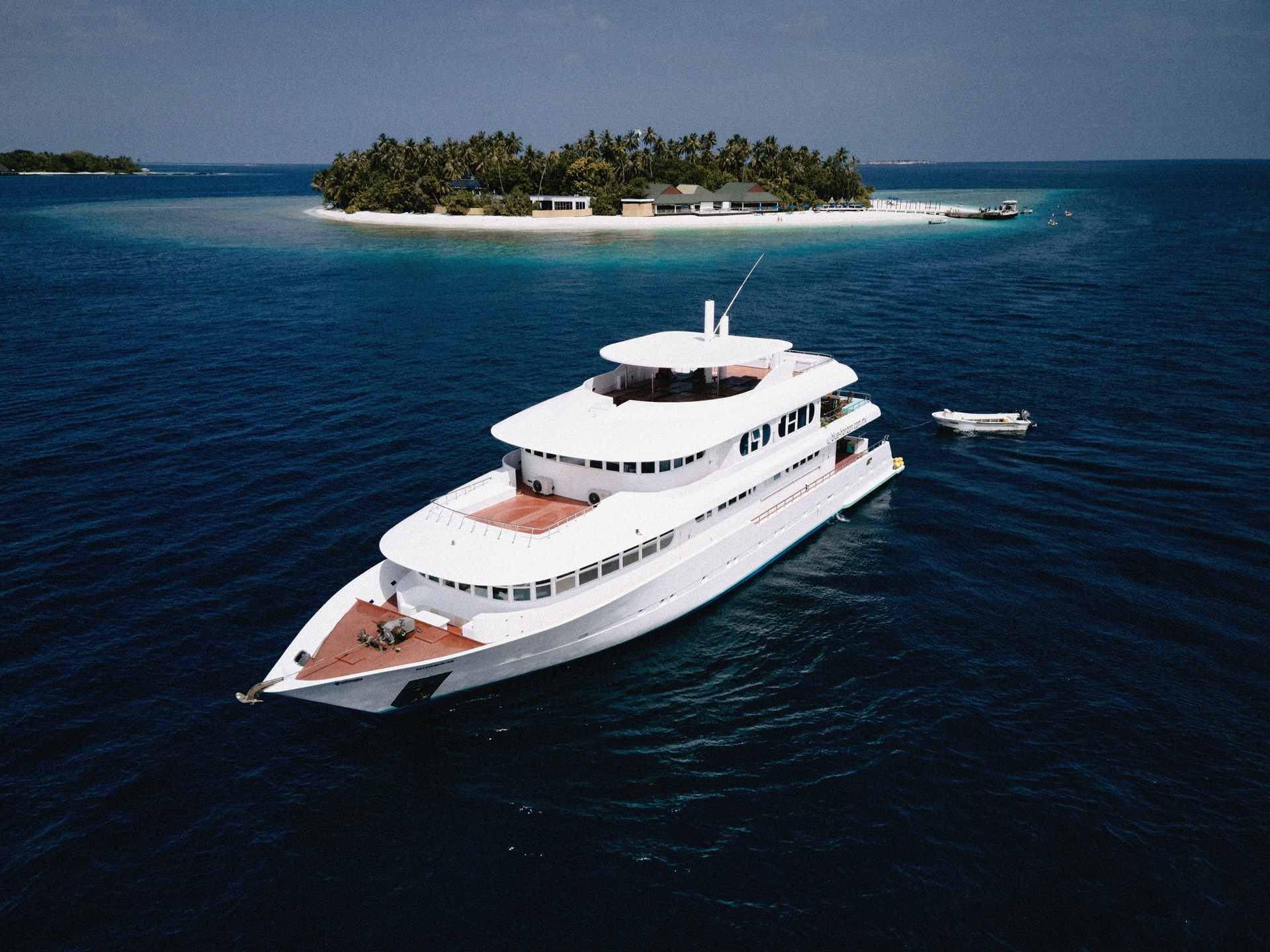
Horizon III
Maldives
25 guests
$204/day
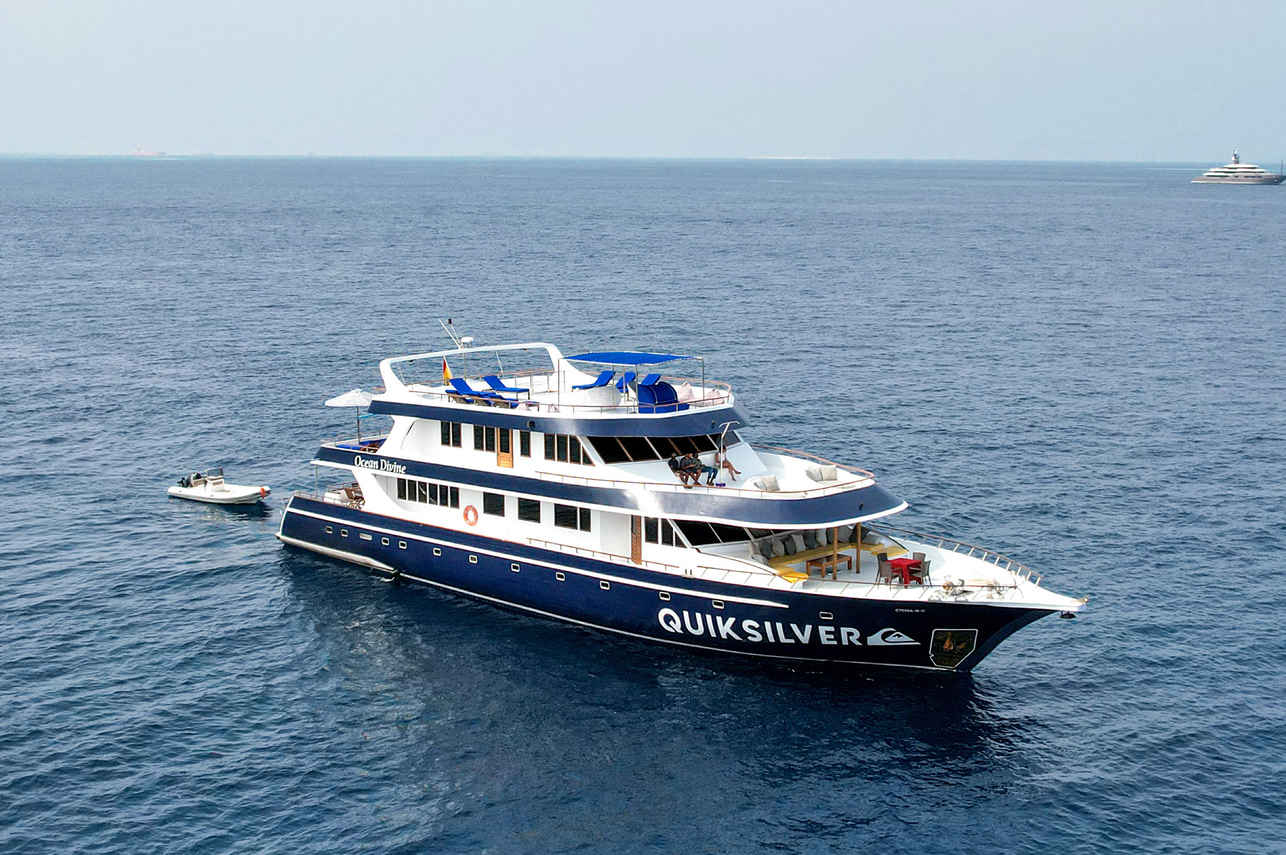
Ocean Divine
Maldives
16 guests33.528 m
$287/day
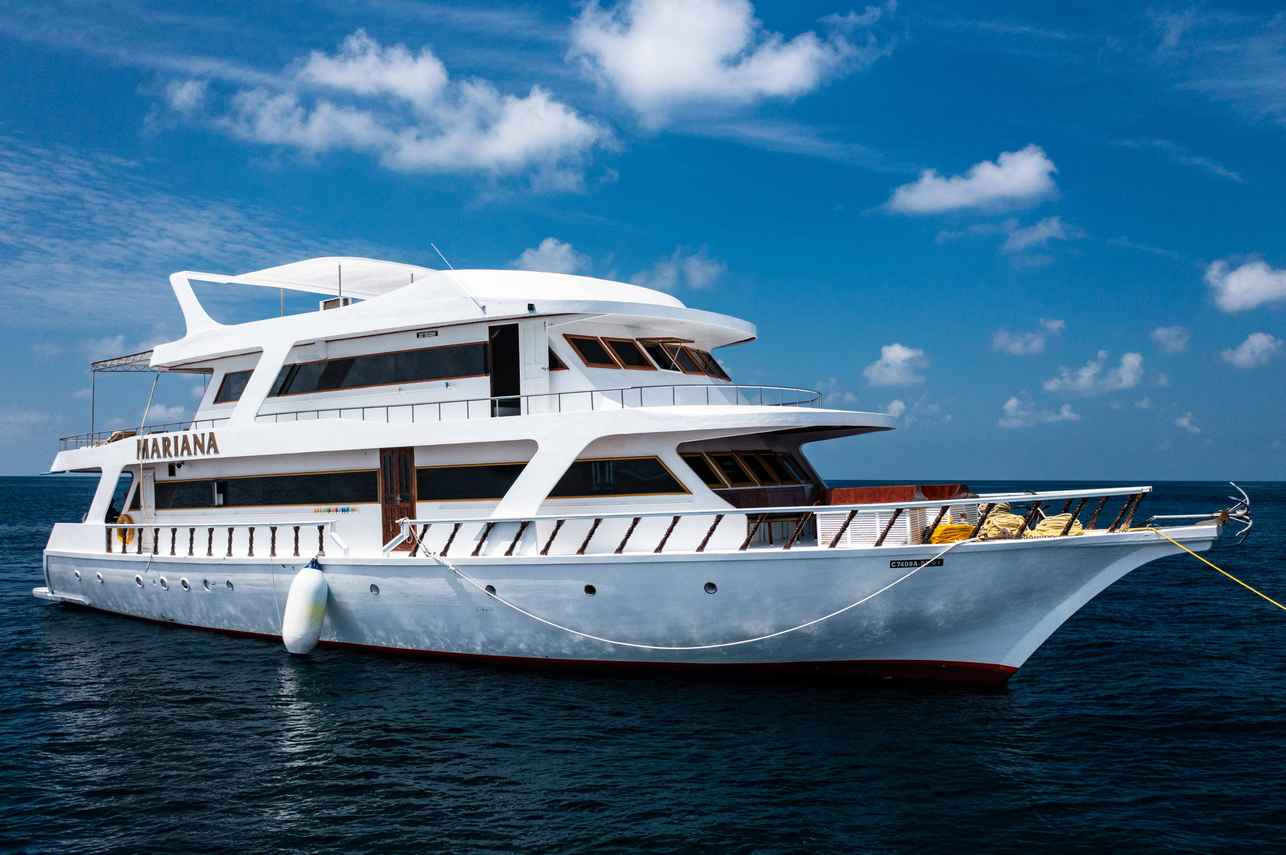
EcoPro Mariana
Maldives
16 guests30 m
$236/day
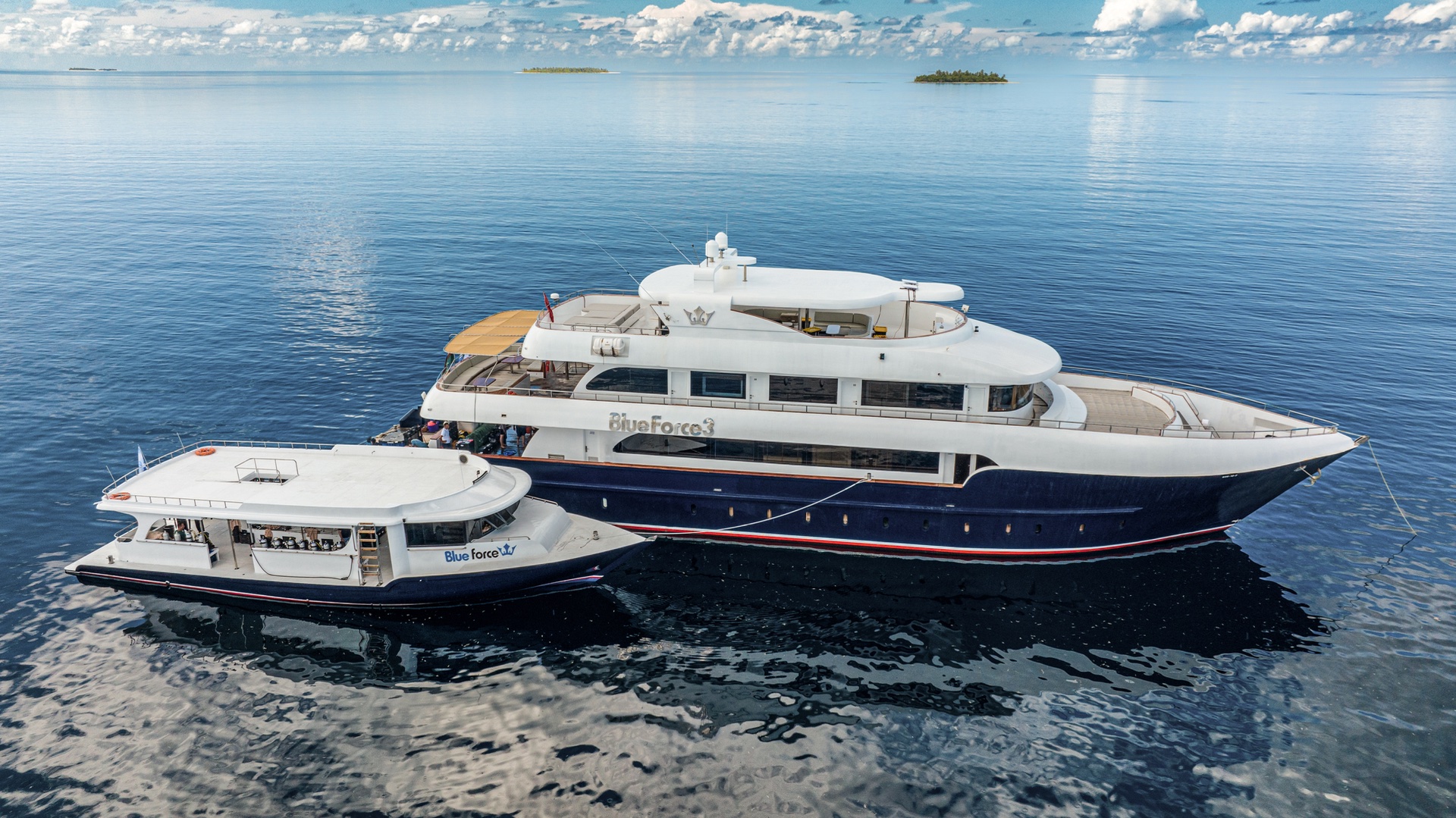
Maldives Blue Force 3
Maldives
26 guests42 m
$236/day
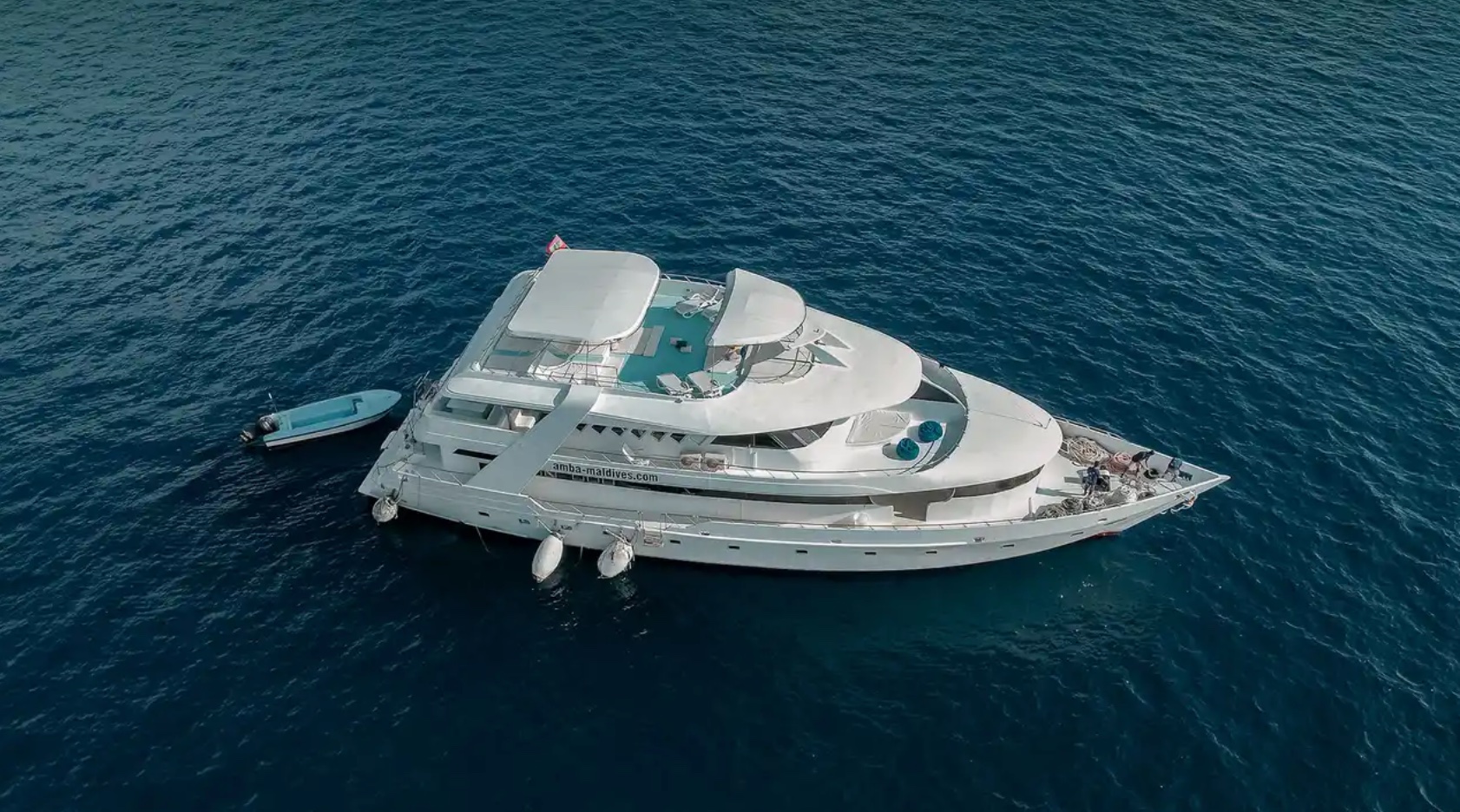
Amba
Maldives
20 guests
$198/day
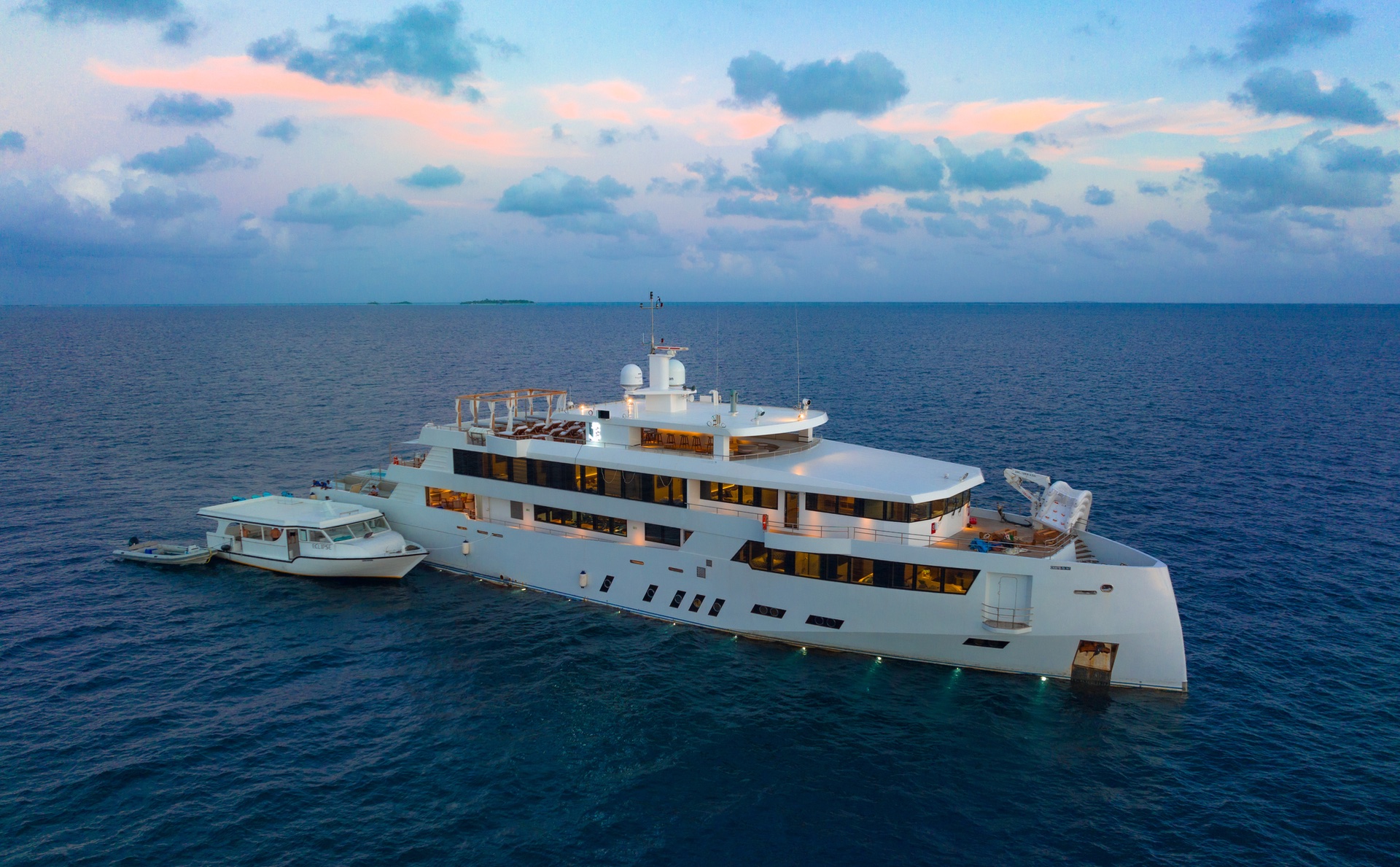
White Pearl
Maldives
26 guests
$375/day
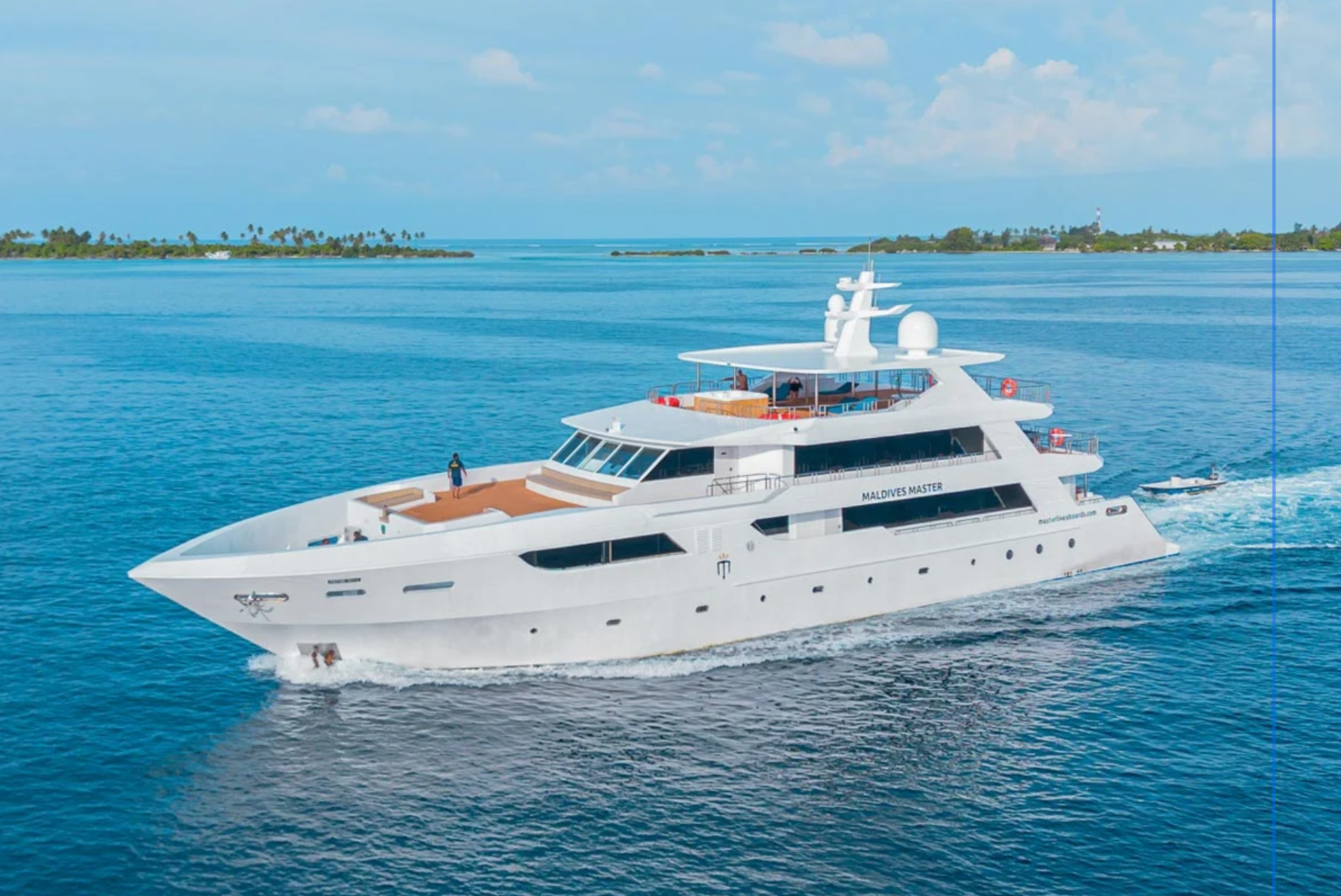
Maldives Master
Maldives
26 guests
$207/day
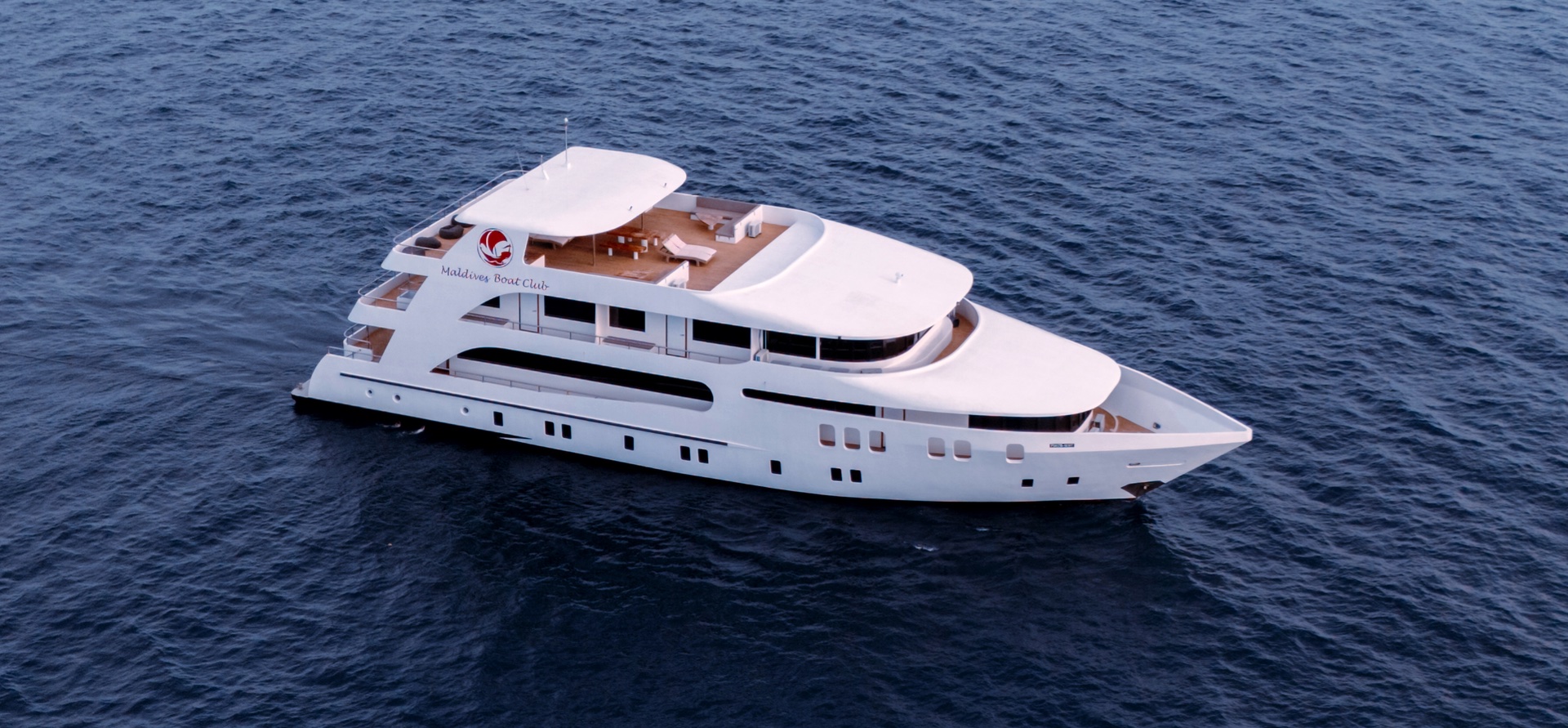
Adora
Maldives
22 guests
$297/day
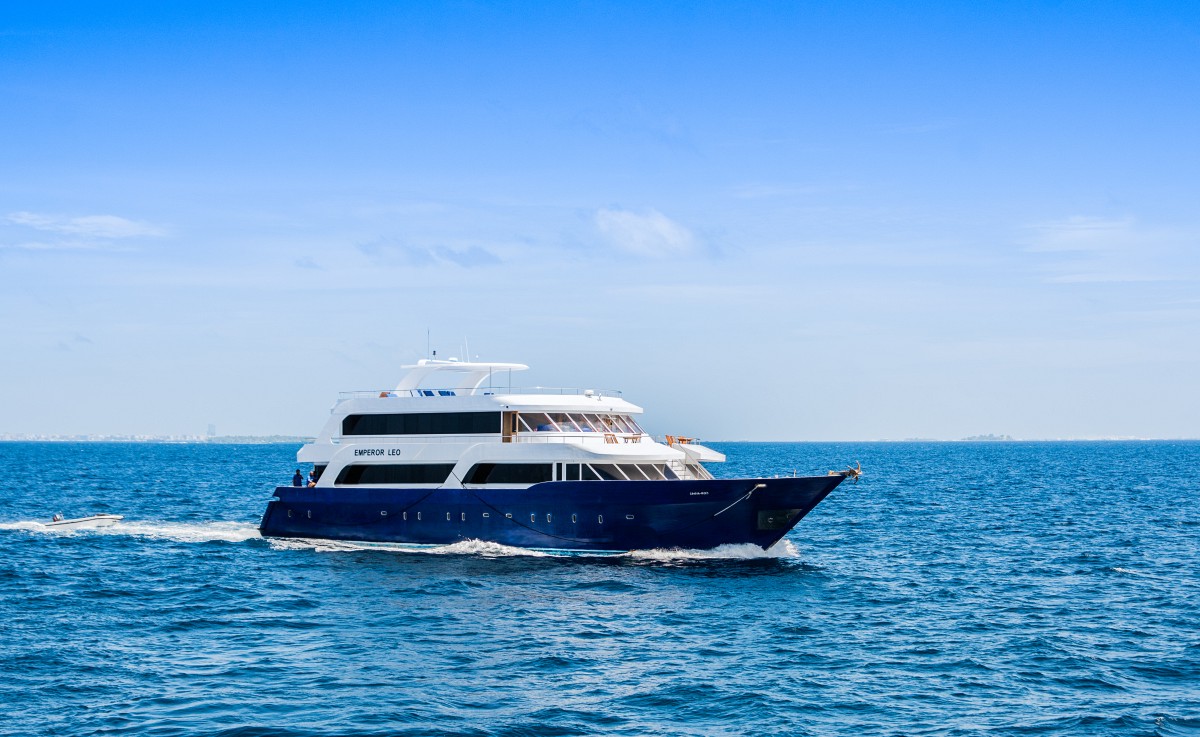
Emperor Leo
Maldives
24 guests35.1 m
$277/day
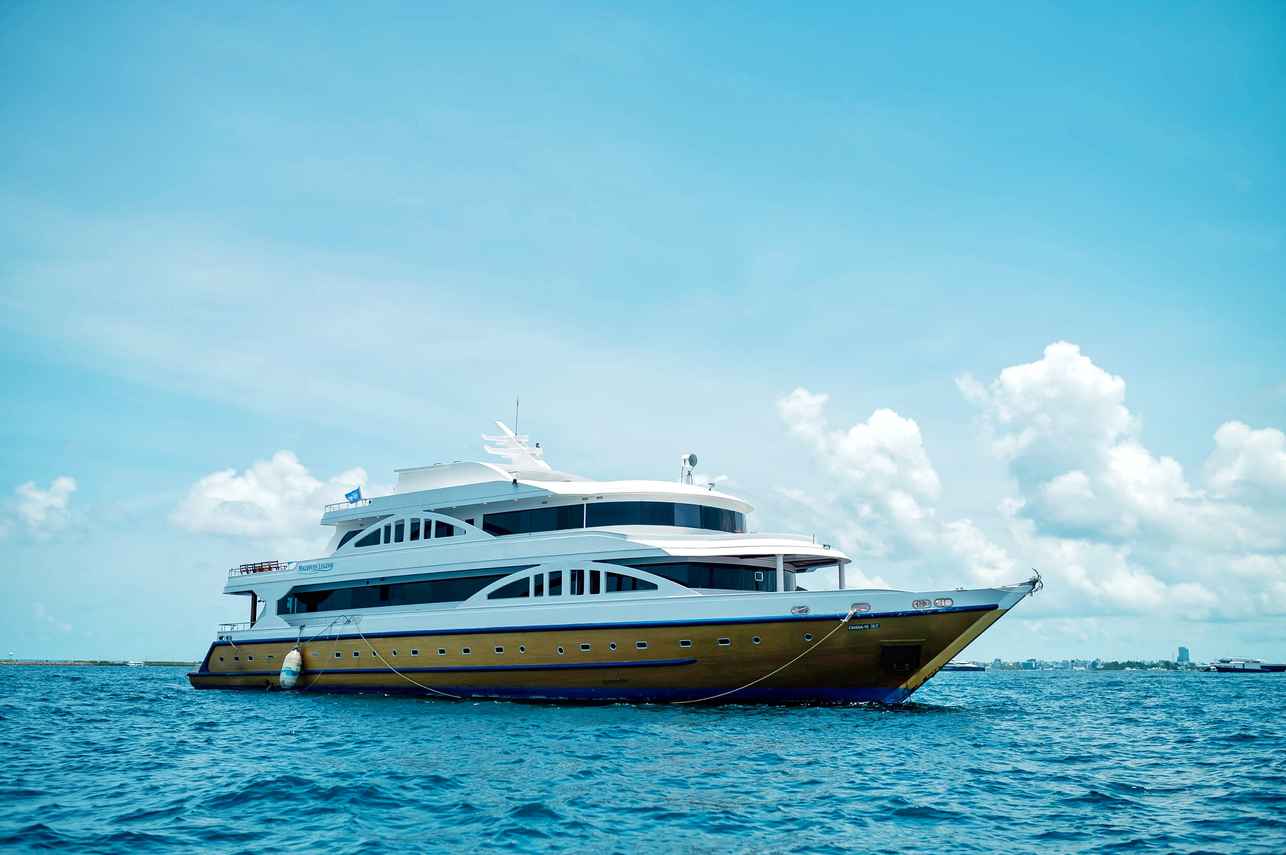
Maldives Legend Zen
Maldives
24 guests41 m
$316/day
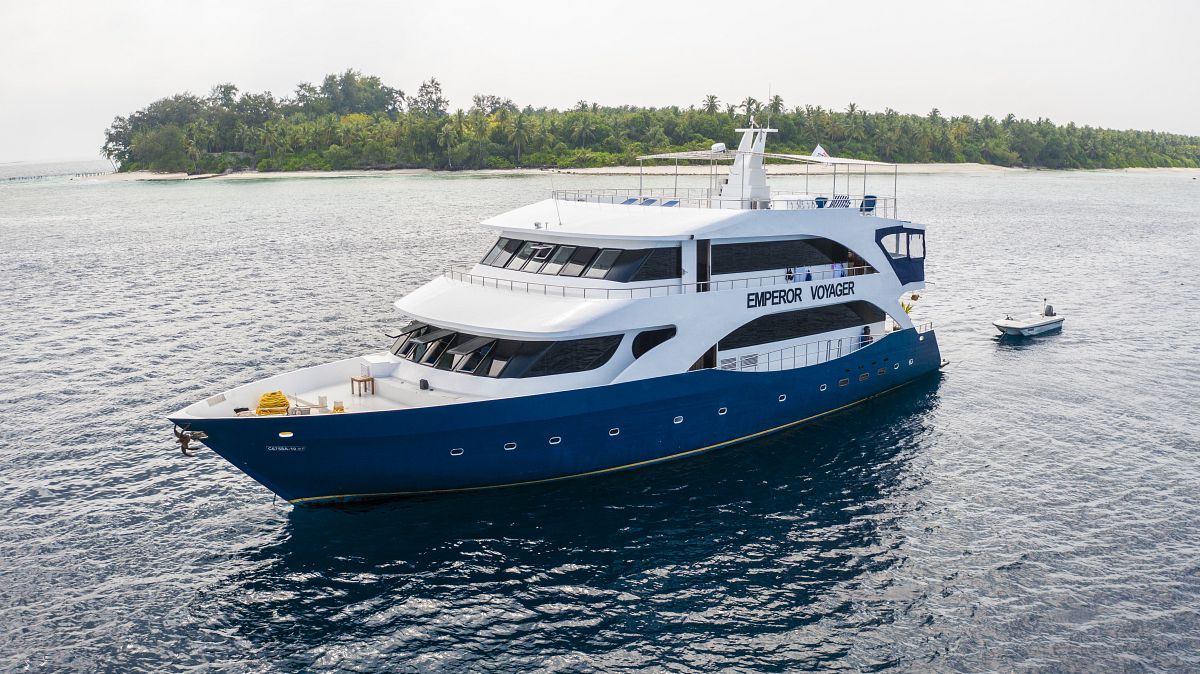
Emperor Voyager
Maldives
20 guests29.9 m
$325/day
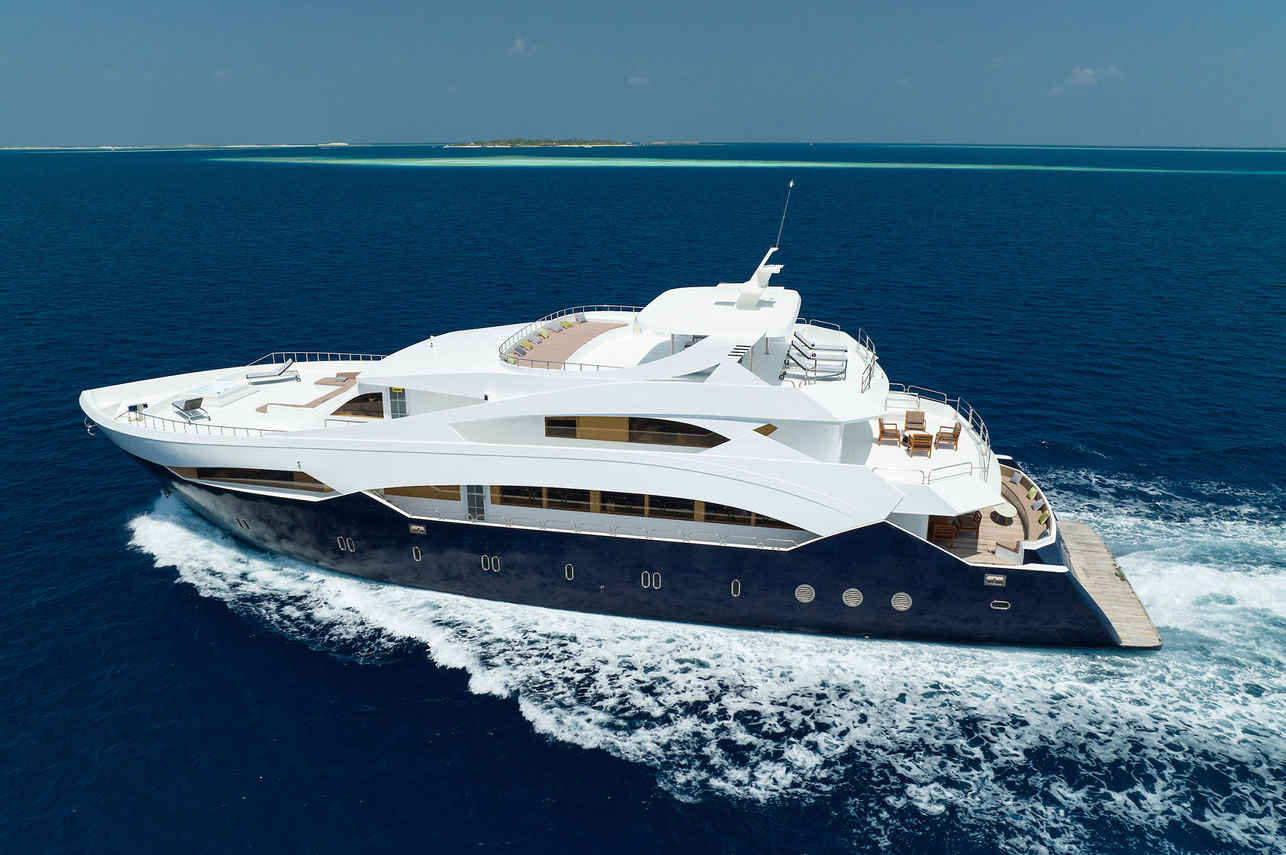
Felicity
Maldives
26 guests41 m
$229/day
Dive sites similar to Fushi Kandu (Lhaviyani)
Same character, same waters — six more sites divers love for the exact same reasons.Compare seasons, access and liveaboard routes — then pick the site that fits your trip best.
© Esri — Maxar, Earthstar, GIS
Kudimaa Wreck
Maldives
The Kudimaa Wreck is a compelling dive site in the Maldives, offering a fascinating artificial reef environment.
- Suitable for
- Advanced
- Current
- Moderate
- Access
- Liveaboard only
- Depth
- ≤ 30 m
- Theme
- Wreck / Reef
© Esri — Maxar, Earthstar, GIS
Blizzard Ridge
Australia
Blizzard Ridge is a renowned dive site situated within Lighthouse Bay on Ningaloo Reef, Western Australia, easily accessible from Exmouth.
- Suitable for
- Beginner
- Current
- Moderate
- Access
- Liveaboard or dayboat
- Depth
- ≤ 15 m
- Theme
- Reef
© Esri — Maxar, Earthstar, GIS
Andilana Reef
Madagascar
Andilana Reef, situated near Nosy Be on Madagascar's northwestern coast, presents a captivating underwater landscape that appeals to divers of all experience levels.
- Suitable for
- Intermediate
- Current
- Mild
- Access
- Liveaboard or dayboat
- Depth
- 6–22 m
- Theme
- Cave & cavern / Reef
© Esri — Maxar, Earthstar, GIS
Aldebaran Wreck
Seychelles
The Aldebaran Wreck, a 28-meter (92-foot) fishing vessel, was intentionally sunk on July 11, 2008, by the Seychelles Tourism Board to create an artificial reef.
- Suitable for
- Advanced
- Current
- Moderate
- Access
- Liveaboard or dayboat
- Depth
- 28–40 m
- Theme
- Wreck
© Esri — Maxar, Earthstar, GIS
Rottnest Island
Australia
Rottnest Island, located approximately 18 kilometers off Perth, Western Australia, offers exceptional diving characterized by its distinctive limestone formations.
- Suitable for
- Intermediate
- Current
- Mild
- Access
- Dayboat
- Depth
- 8–22 m
- Theme
- Reef / Cave & cavern
© Esri — Maxar, Earthstar, GIS
North Island
Seychelles
North Island is an exclusive dive location within the Seychelles, known for its pristine underwater environment and the opportunity to explore newly discovered sites.
- Suitable for
- Intermediate
- Current
- Moderate
- Access
- Liveaboard only
- Depth
- 18–35 m
- Theme
- Reef