About Alphonse Atoll
Alphonse Atoll, part of the Alphonse island group, is located approximately 400 kilometers (250 miles) southwest of Mahé in the Seychelles Outer Islands. This remote area, consisting of Alphonse Atoll and St. François Atoll separated by a deep channel, offers a frontier-like diving experience with abundant marine life and largely untouched reefs. It's renowned for its exclusivity and a strong focus on conservation, providing a sense of seclusion where other dive groups are rarely encountered. The atoll features a variety of dive topography, from shallow patch reefs and light-filled coral gardens to near-vertical drop-offs, walls, and pinnacles. Maximum depths around pinnacles can reach 25 meters, while walls extend to 16 meters or more, with specific sites like West End reaching 40 meters. The deep channel between the atolls acts as a migratory route, drawing large pelagic species into the region. Divers can explore crevices, large coral formations, and unique gulleys and caverns, particularly around nearby Desroches, which shares geological characteristics with Alphonse. Alphonse is home to a diverse array of marine life including reef sharks (silvertip, bull, gray, nurse, whitetip), eagle rays, and marine turtles year-round. Manta ray encounters are frequent from October to May, and green sea turtles are commonly sighted. Other notable species include dogtooth tuna, schooling snapper, emperor fish, jacks, barracuda, and large Napoleon wrasse. Macro enthusiasts will find nudibranchs, flatworms, leaf scorpionfish, octopus, and various crabs and shrimp. Alphonse Island operates as a 5-star PADI accredited dive resort, offering numerous dive sites suitable for all certification levels. Diving often takes place in calm conditions, ideal for photography, with very high visibility, often reaching 30 meters (100 feet). While many come for the world-class fly-fishing, the dive sites are uncrowded, allowing for intimate marine encounters. Diving around the outer islands generally means short boat rides to multiple sites, some accessible within 30 minutes.
Highlights
Dramatic outer reef wallsDynamic channel driftsAbundant pelagic lifeGorgonian fan forestsUncrowded dive sitesHealthy hard and soft coralsExclusive island experienceTurtle sightings
Season calendar
Best months to dive here
Jan
Feb
Mar
Apr
May
Jun
Jul
Aug
Sep
Oct
Nov
Dec
Excellent
Good
Dive site facts: Alphonse Atoll
- Depth
- 8–35 m
- Current
- Mild to strong
- Visibility
- 15–30 m
- Water temperature
- 28–30 °C
- Entry
- Boat
- Level
- Intermediate to advanced
- Dive type
- Reef, wall, drift, big_animals
- Night dive
- Possible
- Region / port
- Outer Islands, Seychelles
- Coordinates
- 7.0047° S, 52.7253° E
Conditions & Currents
Currents at Alphonse Atoll are varied, ranging from calm conditions within shallow lagoon flats and some patch reefs to powerful and constantly changing flows in the passes and channels. Sites such as Flyaway Highway, Bluewater Stop, and Channel are known for strong currents, often necessitating the use of reef hooks. Tidal shifts filtering through the atolls can create strong drifts, attracting pelagic species. While some areas offer sheltered, light-filled coral gardens ideal for macro photography, other sites present an adrenaline rush for experienced divers. Divers should be prepared for varying current strengths and plan their gas accordingly, especially on deeper wall and drift dives.
Marine life & sighting chances

Reef sharks
Year round · common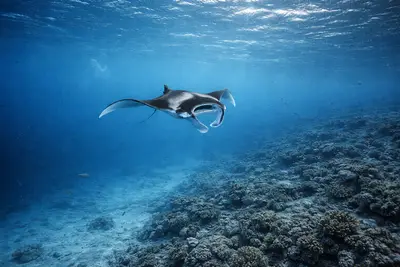
Manta rays
October to May · common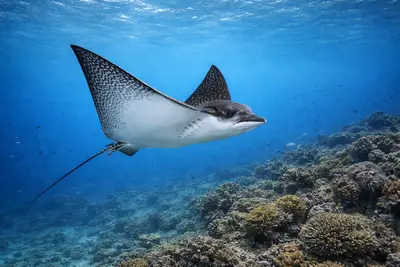
Eagle rays
Year round · common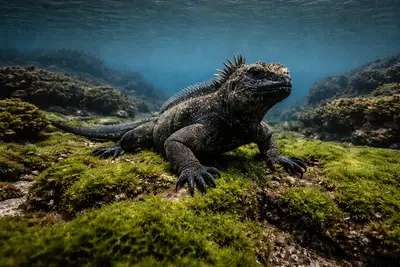
Marine turtles
Year round · common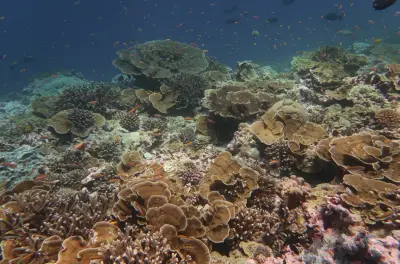
Schooling reef fish
Year round · common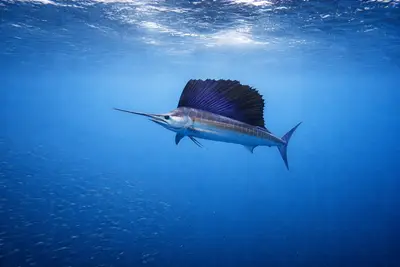
Sailfish
occasional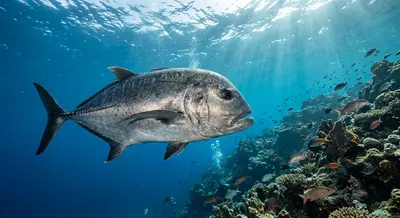
Trevally
common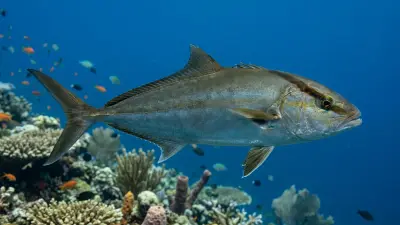
Jacks
common
Barracuda
common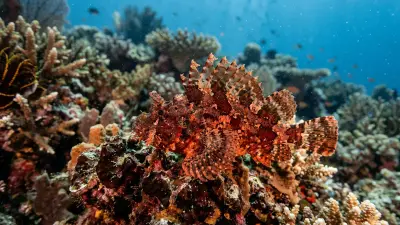
Leaf scorpionfish
occasional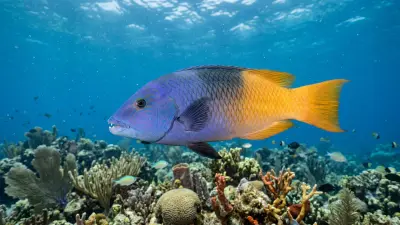
Humphead wrasse
occasional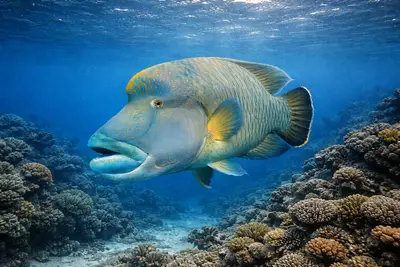
Napoleon wrasse
occasionalDive profile & how the dive runs
Diving at Alphonse Atoll typically involves tender entries from purpose-built boats, with dive sites ranging from sheltered coral gardens to exposed outer reef walls and dynamic channels. A common dive profile may begin with a descent along a vertical drop-off or wall, exploring dense gorgonian fan forests and overhangs. Divers often drift along these walls, carried by currents that can vary in strength, while observing pelagic species patrolling the deeper blue. shallower sections of the reef or pinnacles serve as turnaround points. Depending on the site, divers might explore sandy bottom areas for macro life or spend time at known cleaning stations like 'Trigger Hill' for manta ray encounters. Safety stops are typically performed in the shallower reef areas, allowing for observation of reef fish and turtles before surfacing near the tender for exit.
Underwater photography
Alphonse Atoll offers diverse photographic opportunities, from wide-angle shots of dramatic walls and large pelagics to macro subjects in calmer reef areas. For capturing vast coral landscapes, schooling fish, or mantas and sharks, a wide-angle lens is essential. Strobes are recommended to bring out the vibrant colors of corals and reef fish, particularly in deeper sections. When photographing pelagics, anticipate fast action and be ready to adjust settings quickly; patience is key for capturing sailfish and sharks. In areas with powerful currents, maintaining excellent buoyancy is crucial to avoid stirring up sediment and to safely position yourself for shots. Always prioritize marine life etiquette, giving animals space and avoiding any disturbance.
Combine with nearby dive sites
- Aldabra Atoll
Further south, offers even more remote diving, often combined on extended itineraries.
- Desroches Drop-off
Part of the Outer Islands, known for unique topography and dramatic deepwater drop-offs.
- Amirantes Atoll
Located on a shallow plateau with coral gardens and strong tidal shifts bringing pelagics.
- Napoleon
A site near Alphonse Island, noted for soft corals, abundant fish, and manta rays.
Getting there & logistics
Access to Alphonse Atoll is primarily via a 45-minute light aircraft flight from Seychelles International Airport (SEZ) on Mahé. These flights are specific to the Alphonse Island Resort and require booking well in advance. Mahé is served by international airlines including Emirates, Ethiopian Airlines, and Qatar Airways. Accommodation is at the exclusive Alphonse Island Lodge, which also manages diving operations. Divers are often guests of the resort, making for an integrated and seamless experience. Trips are generally land-based from the resort, offering daily boat dives. There are no permits or park fees mentioned explicitly for diving, but the exclusive nature of the resort implies these are integrated into the package costs. The remote location ensures a low-crowd diving experience, though logistical chains can sometimes involve delays.
Safety & environment
While diving at Alphonse Atoll is generally safe due to its professional operations, its extreme remoteness necessitates preparedness. The nearest recompression chamber is located in Mahé, requiring an emergency evacuation by air, which can be challenging and time-consuming. It is paramount that all divers have comprehensive dive insurance that specifically covers emergency medical evacuation and hyperbaric treatment. Site-specific hazards include strong and unpredictable currents at certain dive sites, which demand excellent buoyancy control and comfort with drift diving; reef hooks are sometimes necessary. Divers should always follow the dive guides' instructions, maintain appropriate dive profiles, and ensure all gear is in excellent working condition. Given the isolation, self-sufficiency and conservative dive planning are highly recommended.
Who it suits — and who it doesn't
Suited for
- Experienced divers comfortable with currents
- Photographers seeking diverse subjects (macro and wide-angle)
- Divers desiring uncrowded, pristine sites
- Those looking for abundant pelagic encounters
- Travelers seeking exclusive, high-end diving experiences
Less suited for
- Beginner divers without current experience
- Budget-conscious travelers
- Those who prefer large dive groups
- Divers seeking extensive soft coral gardens (patchy in places)
- Individuals with limited time for travel
FAQ
Alphonse Atoll FAQ
How do I get to Alphonse Atoll?
Alphonse Atoll is reached by a dedicated 45-minute light aircraft flight from Mahé International Airport (SEZ). These flights are typically arranged through the Alphonse Island Resort, and it's essential to book your seats well in advance due to limited availability. Mahé itself is accessible via major international airlines.
What kind of marine life can I expect to see at Alphonse Atoll?
Alphonse Atoll is celebrated for its abundant pelagic life and healthy reef ecosystems. Divers frequently encounter reef sharks, eagle rays, and marine turtles year-round. From October to May, manta rays are a common sight, and you can also expect to see large schools of trevally, jacks, barracuda, and occasionally sailfish.
Are the currents strong at Alphonse Atoll?
Currents at Alphonse Atoll can vary significantly depending on the dive site and tidal conditions. While some sheltered areas offer calm conditions, sites like Flyaway Highway and the atoll's channels are known for powerful and constantly changing currents, often requiring advanced diving skills and the use of reef hooks. Your dive guide will assess conditions daily.
Is Alphonse Atoll suitable for beginner divers?
Alphonse Atoll is generally recommended for intermediate to advanced divers who are comfortable with varying current conditions and deeper dives along walls and channels. While some calmer sites exist, the most rewarding diving often involves currents and exposure to open ocean environments, making prior experience beneficial.
What is the best time of year to dive Alphonse Atoll?
The optimal time for diving Alphonse Atoll is during the transitional months of April to May and October to November. During these periods, the ocean is typically very calm, providing excellent visibility of up to 30 meters and comfortable water temperatures around 29°C. Manta ray sightings are also more frequent from October to May.
Why dive Alphonse Atoll from a liveaboard?
Alphonse Atoll is one of Seychelles's signature dive sites. A liveaboard sleeps you on the water and puts you in the water for three to four guided dives per day, including dawn and night dives that day-boat operators rarely offer. You skip the daily commute back to port and reach quieter, less-crowded sites in the same region on a single trip.
Below are the liveaboards that include Alphonse Atoll on their Seychelles itineraries.
Liveaboards diving Alphonse Atoll
These liveaboards may visit Alphonse Atoll on selected itineraries — the exact dive sites depend on departure, weather and conditions.
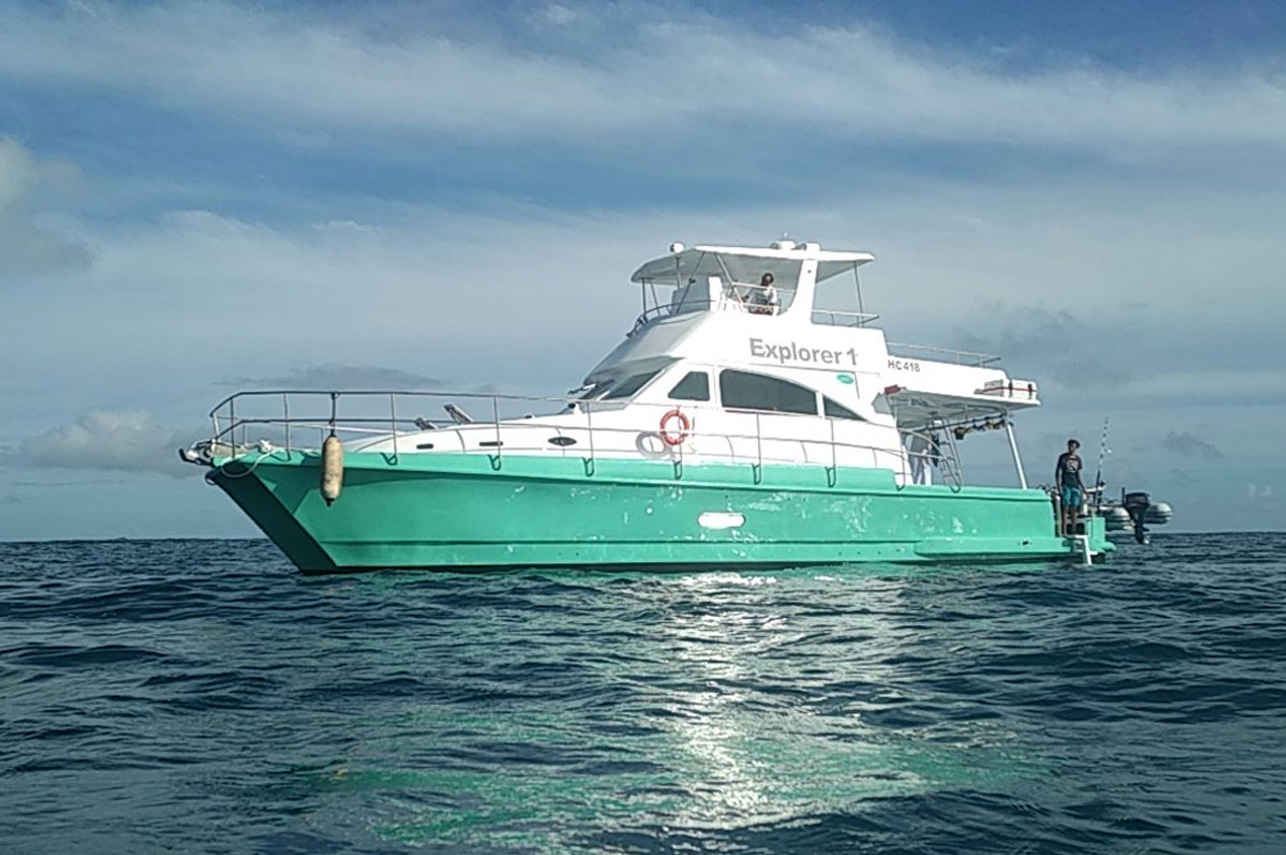
Explorer 1
Seychelles
6 guests17 m
$522/day
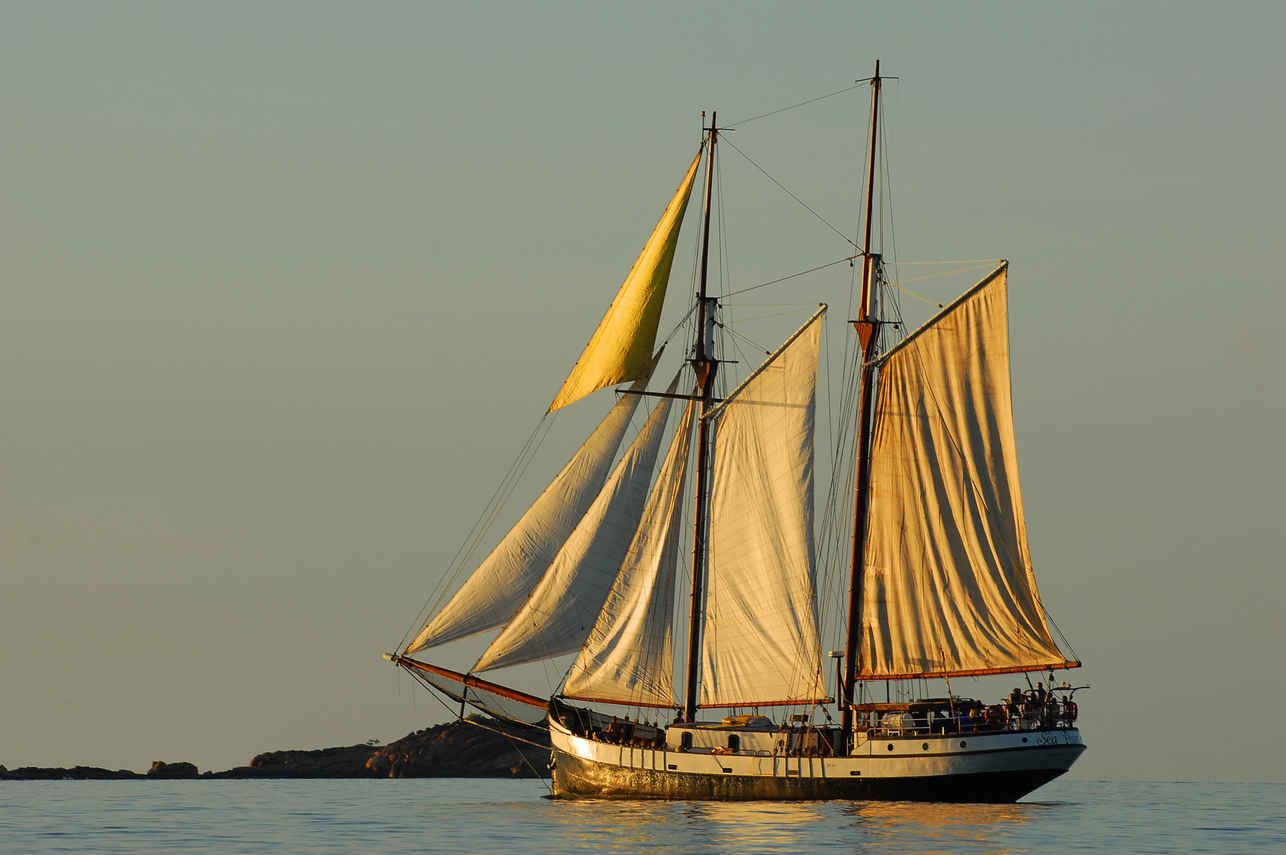
Sea Pearl
Seychelles
16 guests36 m
$211/day
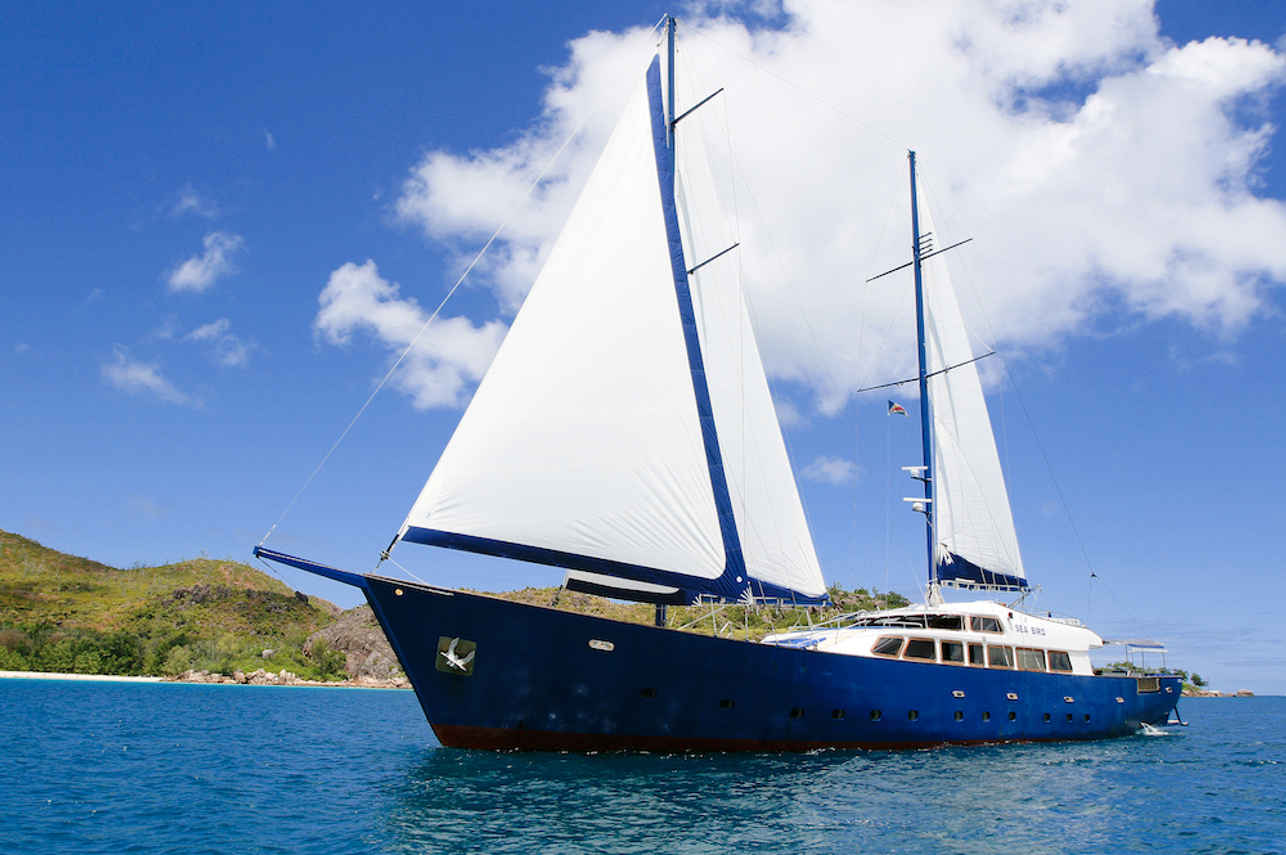
Sea Bird and Sea Star
Seychelles
18 guests42 m
$287/day
Dive sites similar to Alphonse Atoll
Same character, same waters — six more sites divers love for the exact same reasons.Compare seasons, access and liveaboard routes — then pick the site that fits your trip best.
© Esri — Maxar, Earthstar, GIS
Sister Bank
Seychelles
Sister Bank is a notable dive site situated in the Inner Islands of Seychelles, specifically near Praslin Island.
- Suitable for
- Intermediate
- Current
- Mild
- Access
- Liveaboard only
- Depth
- 15–30 m
- Theme
- Reef / Drift
© Esri — Maxar, Earthstar, GIS
Brissare Rocks (Mahé)
Seychelles
Brissare Rocks, located just north of Mahé, is a renowned dive site in Seychelles, widely considered one of Mahé's top five.
- Suitable for
- Intermediate
- Current
- Strong
- Access
- Liveaboard or dayboat
- Depth
- 8–20 m
- Theme
- Cave & cavern / Drift
© Esri — Maxar, Earthstar, GIS
Whale Rock
Seychelles
Whale Rock, located in La Rivière Anglaise, Seychelles, is renowned for its unique underwater geology, featuring large granite formations that extend from the surface to depths of…
- Suitable for
- Intermediate
- Current
- Moderate
- Access
- Liveaboard only
- Depth
- 15–25 m
- Theme
- Drift
© Esri — Maxar, Earthstar, GIS
Lighthouse Reef (Mahé)
Seychelles
Lighthouse Reef, situated near Mahé in the Seychelles, presents a captivating underwater experience characterized by thriving reef ecosystems.
- Suitable for
- Beginner
- Current
- Strong
- Access
- Liveaboard or dayboat
- Depth
- 5–18 m
- Theme
- Reef
Napoleon is a renowned dive site located off Alphonse Island in the Seychelles, celebrated for its rich biodiversity and stunning underwater topography.
- Suitable for
- Intermediate
- Current
- Moderate
- Access
- Liveaboard only
- Depth
- 8–30 m
- Theme
- Reef
© Esri — Maxar, Earthstar, GIS
One Tree Island
Seychelles
One Tree Island is a well-known, shallow dive site located off the coast of Mahé, the largest of the Seychelles' Inner Islands.
- Suitable for
- Beginner
- Current
- Moderate
- Access
- Liveaboard only
- Depth
- ≤ 12 m
- Theme
- Reef