About Sister Bank
Sister Bank is a notable dive site situated in the Inner Islands of Seychelles, specifically near Praslin Island. It is widely recognized for its thriving marine biodiversity and impressive coral structures, making it a favored location for divers across various skill levels. This site is conveniently located between Praslin and the Sister Islands, often included in liveaboard itineraries exploring the region. The underwater topography at Sister Bank is characterized by striking rock formations and natural swim-throughs, creating diverse habitats for marine species. Depths at the site reach a maximum of 30 meters, with visibility typically ranging from 15 to 30 meters, allowing for excellent appreciation of the submerged landscape. The area is home to an array of reef fish and larger pelagic species. Divers frequently encounter shoals of snapper and the rare Armitage angelfish seeking shelter within the formations. Other common sightings include shoaling bumphead parrotfish, fusiliers, Hawksbill turtles, clown triggerfish, barracudas, and occasional grey reef sharks. Diving at Sister Bank is typically a boat entry and is often enjoyed as a drift dive due to the mild currents. The site's conditions, including good visibility and warm water temperatures, contribute to a comfortable and rewarding dive, though an intermediate certification is recommended to fully appreciate its features.
Highlights
Dramatic rock formationsNatural swim-throughsRare Armitage angelfishShoaling bumphead parrotfishHawksbill turtlesBarracudas and reef sharksVibrant coral gardensExcellent visibility
Season calendar
Best months to dive here
Jan
Feb
Mar
Apr
May
Jun
Jul
Aug
Sep
Oct
Nov
Dec
Excellent
Good
Dive site facts: Sister Bank
- Depth
- Up to 30 m
- Typical dive
- 15–30 m, 50 min
- Current
- Mild
- Visibility
- 15–30 m
- Water temperature
- 24–30 °C
- Entry
- Boat
- Level
- Intermediate
- Dive type
- Drift, reef, rock formations
- Region / port
- Praslin, Inner Islands
- Coordinates
- 4.9012° S, 55.0534° E
Conditions & Currents
Sister Bank experiences mild currents, making it well-suited for drift diving over its distinctive rock formations. While currents are generally manageable, they can occasionally be stronger, particularly around canyon drop-offs, which may attract larger pelagic species. Surface conditions typically present no surge. Divers should be prepared for boat entry and exit procedures. Visibility generally ranges from 15 to 30 meters, providing clear views of the underwater environment, and water temperatures remain warm, between 24°C and 30°C, throughout the year. The currents are instrumental in supporting the rich marine life observed at this site, necessitating good buoyancy control and dive planning for intermediate-level divers.
Marine life & sighting chances


Bumphead parrotfish
common
Hawksbill turtle
common
Grey reef shark
occasional
Barracuda
common
Snapper
common
Fusilier
common
Clown triggerfish
common
Napoleon wrasse
occasional
Giant grouper
occasionalReef shark
occasional
Whale shark
October-November · occasionalDive profile & how the dive runs
Diving at Sister Bank typically involves a boat entry, followed by a drift along the site's distinctive topography. Divers descend over dramatic rock formations, navigating through various swim-throughs and overhangs that provide shelter for diverse marine life. The average dive depth is between 15 to 30 meters, allowing exploration of vibrant coral gardens and rocky outcrops. Keep an eye out for shoals of snapper and bumphead parrotfish within the formations, and barracudas and Hawksbill turtles in the open water. The dive concludes with a gradual ascent, often incorporating a safety stop along shallower parts of the reef or in the blue, before surfacing for boat pick-up. Average dive time is around 50 minutes, depending on air consumption and depth profile.
Underwater photography
Sister Bank offers excellent opportunities for wide-angle photography, capturing the grandeur of its dramatic rock formations, swim-throughs, and expansive coral gardens. A wide-angle lens is ideal for showcasing the topography and large schools of fish like bumphead parrotfish and fusiliers. For deeper shots or to enhance coral colors, external strobes are highly recommended. While wide-angle is primary, a macro lens can still be rewarding for capturing rarer species like the Armitage angelfish or other smaller reef inhabitants found tucked into crevices. Buoyancy control is paramount, especially when navigating swim-throughs, to avoid contact with delicate coral and rock surfaces. Maintain a respectful distance from marine life, particularly turtles and sharks.
Combine with nearby dive sites
- St. Pierre
Known for shallow dives and macro photography, located within Curieuse Marine Park.
- Ave Maria (Praslin)
Features vertical walls, diverse fish life, and frequent turtle sightings.
- White Bank
Submerged granite boulders with sponges, corals, napoleons, and barracuda.
- South Marianne Island
Advanced site with strong currents, attracting grey reef sharks, eagle rays, and dramatic topography.
- Curieuse Marine Park
Offers diverse dive experiences including St. Pierre, with opportunities to see giant tortoises on land.
Getting there & logistics
Access to Sister Bank is primarily via liveaboard trips departing from Praslin. The main international airport for Seychelles is Victoria International Airport (SEZ) on Mahé. Divers typically fly into SEZ, then take a domestic flight with Air Seychelles or a high-speed ferry to Praslin to meet their liveaboard. Liveaboard itineraries exploring the Praslin area, including Sister Bank, commonly span 8 days and 7 nights. While some basic gear can be rented on liveaboards, divers are encouraged to bring their own equipment. No specific dive permits are generally required for Sister Bank, but national park fees may apply to certain parts of the broader itinerary.
Safety & environment
For dive safety in Seychelles, the nearest recompression chamber is located in Victoria, Mahé, requiring evacuation by boat or air in an emergency. Divers are strongly advised to have comprehensive dive insurance that covers medical emergencies, recompression treatment, and evacuation. At Sister Bank, divers should be aware of the potential for mild to moderate currents, especially during drift dives; maintaining good buoyancy and following the dive guide's instructions are crucial. Always dive within certification limits. Due to the presence of large pelagics and occasional stronger currents, an intermediate certification is recommended. Always verify local conditions with dive operators, as information may not be guaranteed accurate or current.
Who it suits — and who it doesn't
Suited for
- Intermediate to advanced divers comfortable with drift diving
- Photographers seeking wide-angle opportunities of unique topography and large schools of fish
- Divers interested in diverse reef fish and pelagic encounters
- Liveaboard guests exploring the Inner Islands of Seychelles
- Divers looking for vibrant coral gardens and rock formations
Less suited for
- Beginner divers without drift diving experience
- Divers uncomfortable with potential currents
- Those seeking only macro-focused dive sites
- Divers who prefer shore-entry dives
FAQ
Sister Bank FAQ
What kind of marine life can I expect to see at Sister Bank?
Sister Bank is rich in marine life, offering sightings of shoals of snapper, fusiliers, and impressive bumphead parrotfish. You might also encounter Hawksbill turtles, clown triggerfish, barracudas, and occasionally grey reef sharks. A rare highlight is the Armitage angelfish, which can sometimes be spotted sheltering in the rock formations.
Is Sister Bank suitable for beginner divers?
Sister Bank is generally recommended for intermediate-level divers due to its characteristic drift diving conditions and maximum depths of 30 meters. While currents are usually mild, experience with drift diving and good buoyancy control are beneficial to fully enjoy the site's features and navigate its swim-throughs safely.
What are the typical dive conditions like at Sister Bank?
Dive conditions at Sister Bank typically include mild currents, making it ideal for drift dives. Visibility is generally excellent, ranging from 15 to 30 meters, providing clear views of the underwater landscape. Water temperatures are warm, usually between 24°C and 30°C, throughout the year, ensuring comfortable diving without significant surge.
When is the best time of year to dive Sister Bank?
The best time to dive Sister Bank is during the calmest periods from April to May and again from October to November. During these months, the seas are serene, water temperatures reach their warmest at around 29°C, and visibility can extend beyond 30 meters, offering optimal diving conditions.
How do I get to Sister Bank, and what kind of trips include it?
Sister Bank is best accessed via liveaboard trips that often depart from Praslin, an island reachable by domestic flight or ferry from Mahé. Liveaboard itineraries typically explore the Inner Islands, combining Sister Bank with other nearby sites like Ave Maria and St. Pierre, offering comprehensive dive tours of the region.
Are there any specific hazards or safety considerations at Sister Bank?
The primary safety consideration at Sister Bank is managing the mild to moderate currents during drift dives; good buoyancy control and listening to your dive guide are key. While generally safe, the presence of larger pelagics and varied topography requires divers to be attentive. Always have appropriate dive insurance for potential emergencies and be aware that the nearest recompression chamber is on Mahé.
Why dive Sister Bank from a liveaboard?
Sister Bank is one of Seychelles's signature dive sites. A liveaboard sleeps you on the water and puts you in the water for three to four guided dives per day, including dawn and night dives that day-boat operators rarely offer. You skip the daily commute back to port and reach quieter, less-crowded sites in the same region on a single trip.
Below are the liveaboards that include Sister Bank on their Seychelles itineraries.
Liveaboards diving Sister Bank
These liveaboards may visit Sister Bank on selected itineraries — the exact dive sites depend on departure, weather and conditions.
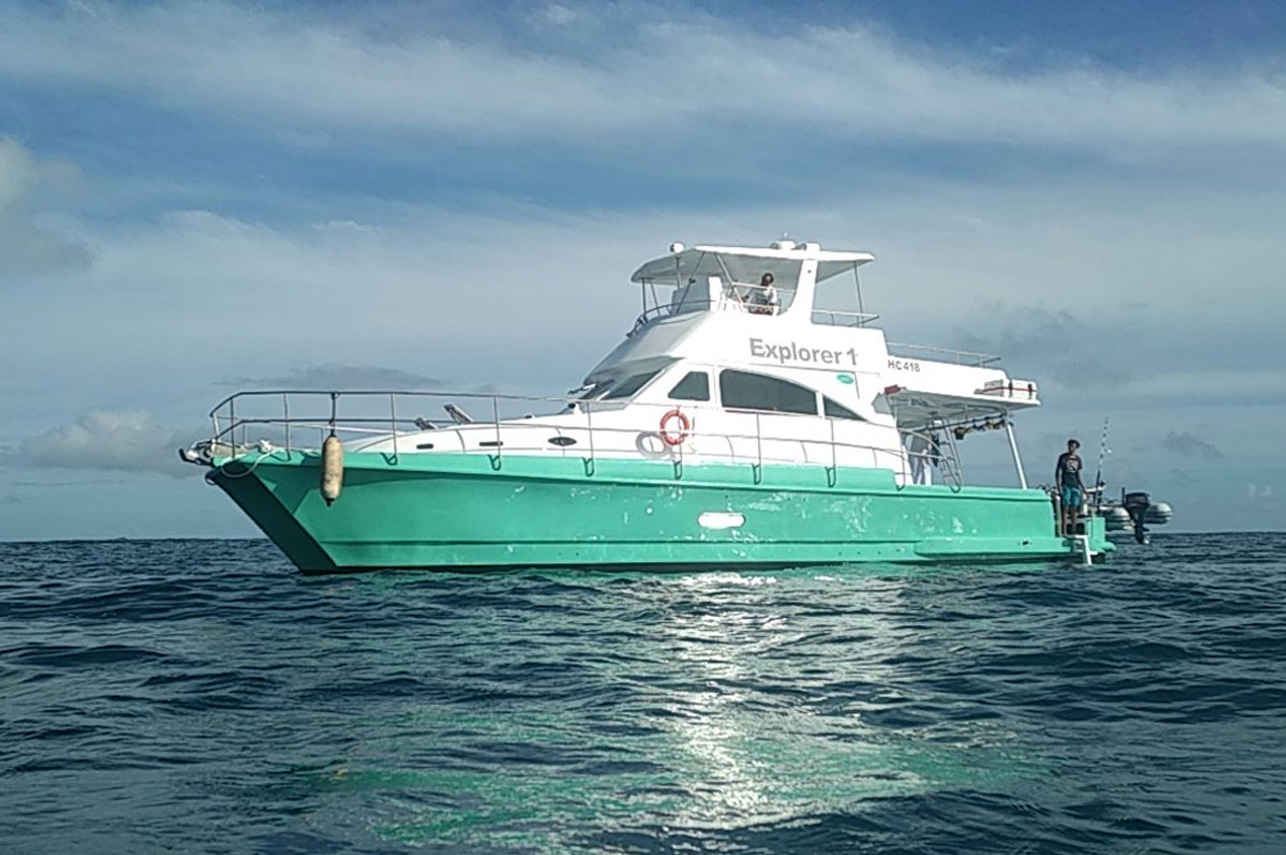
Explorer 1
Seychelles
6 guests17 m
$522/day
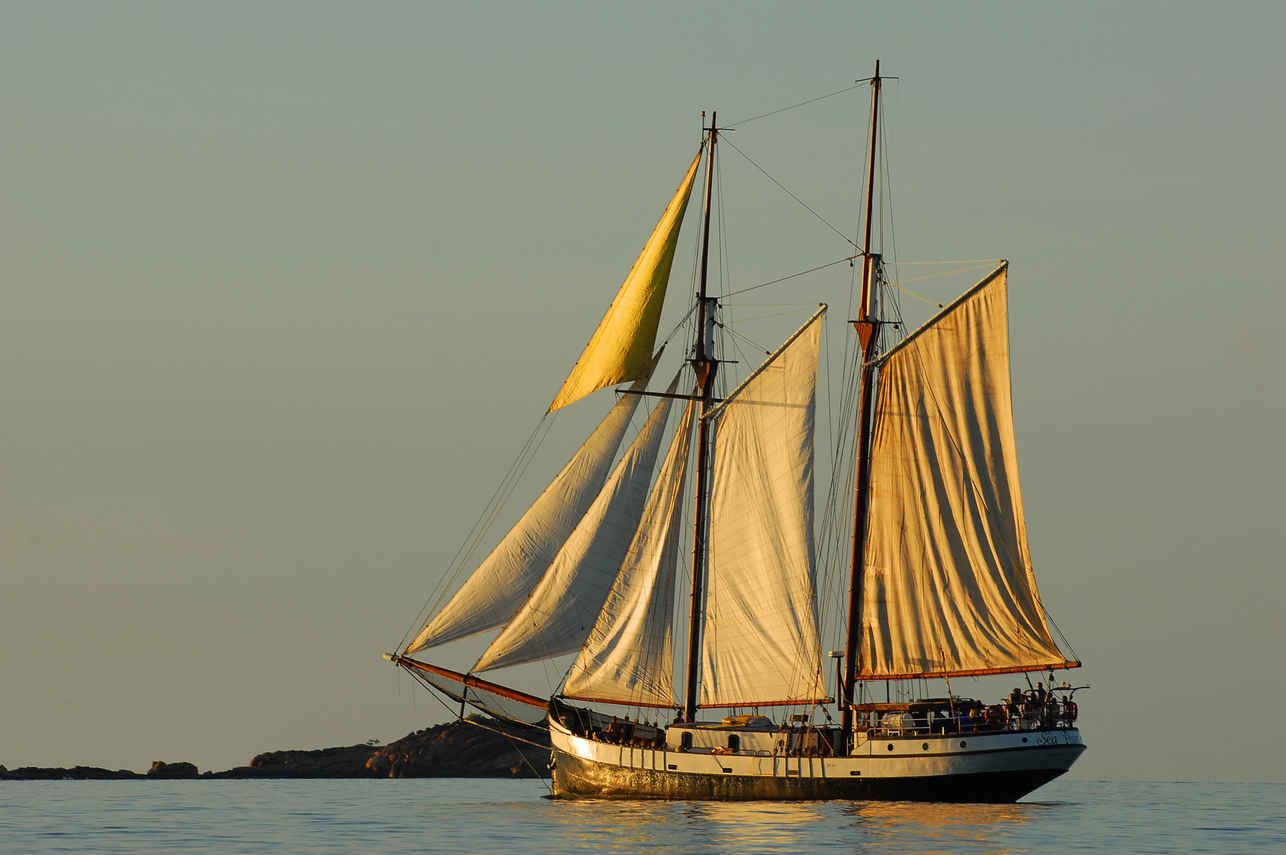
Sea Pearl
Seychelles
16 guests36 m
$212/day
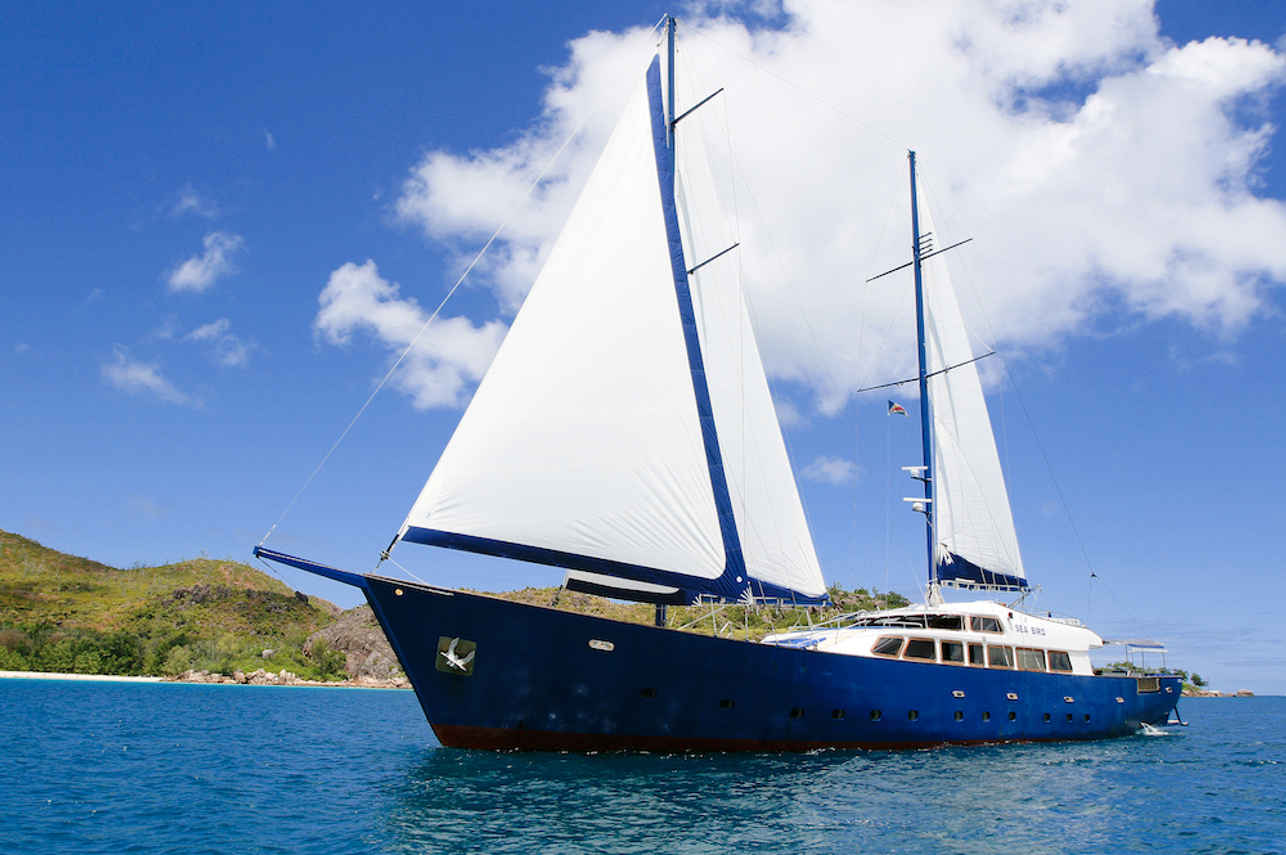
Sea Bird and Sea Star
Seychelles
18 guests42 m
$288/day
Dive sites similar to Sister Bank
Same character, same waters — six more sites divers love for the exact same reasons.Compare seasons, access and liveaboard routes — then pick the site that fits your trip best.
© Esri — Maxar, Earthstar, GIS
Brissare Rocks (Mahé)
Seychelles
Brissare Rocks, located just north of Mahé, is a renowned dive site in Seychelles, widely considered one of Mahé's top five.
- Suitable for
- Intermediate
- Current
- Strong
- Access
- Liveaboard or dayboat
- Depth
- 8–20 m
- Theme
- Cave & cavern / Drift
© Esri — Maxar, Earthstar, GIS
Whale Rock
Seychelles
Whale Rock, located in La Rivière Anglaise, Seychelles, is renowned for its unique underwater geology, featuring large granite formations that extend from the surface to depths of…
- Suitable for
- Intermediate
- Current
- Moderate
- Access
- Liveaboard only
- Depth
- 15–25 m
- Theme
- Drift
© Esri — Maxar, Earthstar, GIS
Lighthouse Reef (Mahé)
Seychelles
Lighthouse Reef, situated near Mahé in the Seychelles, presents a captivating underwater experience characterized by thriving reef ecosystems.
- Suitable for
- Beginner
- Current
- Strong
- Access
- Liveaboard or dayboat
- Depth
- 5–18 m
- Theme
- Reef
Napoleon is a renowned dive site located off Alphonse Island in the Seychelles, celebrated for its rich biodiversity and stunning underwater topography.
- Suitable for
- Intermediate
- Current
- Moderate
- Access
- Liveaboard only
- Depth
- 8–30 m
- Theme
- Reef
© Esri — Maxar, Earthstar, GIS
One Tree Island
Seychelles
One Tree Island is a well-known, shallow dive site located off the coast of Mahé, the largest of the Seychelles' Inner Islands.
- Suitable for
- Beginner
- Current
- Moderate
- Access
- Liveaboard only
- Depth
- ≤ 12 m
- Theme
- Reef
© Esri — Maxar, Earthstar, GIS
St. Pierre
Seychelles
St. Pierre Islet is a distinctive granite pinnacle rising from depths of around 25 meters, situated north of Praslin.
- Suitable for
- Beginner
- Current
- Moderate
- Access
- Liveaboard only
- Depth
- 4–25 m
- Theme
- Reef