About Lighthouse Reef (Mahé)
Lighthouse Reef, situated near Mahé in the Seychelles, presents a captivating underwater experience characterized by thriving reef ecosystems. This site is a prime example of the rich biodiversity found in the inner islands, where granite formations meet vibrant coral gardens. Divers explore a diverse landscape of hard and soft corals, providing habitat for an array of tropical fish and larger pelagic species. The topography at Lighthouse Reef features granite boulders and reef structures that create numerous hiding spots and feeding grounds. Depths vary, offering sections suitable for different experience levels, from shallower, colorful coral areas to deeper sections where more elusive marine life can be spotted. Visibility often reaches excellent levels, enhancing the experience of exploring the intricate reef. Throughout the year, divers encounter a steady display of marine life, including schools of reef fish, octopuses, and moray eels. Seasonal visitors like whale sharks are also attracted to the nutrient-rich waters during specific times. The site's calm conditions and minimal currents make it an accessible and enjoyable dive for many, providing ample opportunity for observation and photography.
Highlights
Diverse reef ecosystemVibrant coral formationsAbundant tropical fishCalm diving conditionsExcellent visibilityAccessible for various levels
Season calendar
Best months to dive here
Jan
Feb
Mar
Apr
May
Jun
Jul
Aug
Sep
Oct
Nov
Dec
Excellent
Good
Dive site facts: Lighthouse Reef (Mahé)
- Depth
- 5–18 m
- Current
- Low to none
- Visibility
- 10–30 m
- Water temperature
- 26–30 °C
- Entry
- Boat
- Level
- OWD
- Dive type
- Reef
- Night dive
- Possible
- Region / port
- Mahé Island, Seychelles
- Coordinates
- -4.615, 55.475
Conditions & Currents
Lighthouse Reef generally experiences low to non-existent currents, contributing to a calm and stable dive environment. This makes the site highly suitable for divers who prefer relaxed exploration without significant water movement challenges. Entry and exit are typically straightforward due to the placid conditions. Visibility is consistently excellent, often ranging between 10 and 30 meters, and is not notably affected by current-induced particulate matter. The consistent lack of strong currents also enables divers to enjoy extended bottom times and meticulous reef exploration, with minimal concerns about drift or surge, making it particularly advantageous for detailed observation and safety.
Marine life & sighting chances

Lionfish
common
Octopus
common
Moray eels
common
Stingrays
occasional
Parrotfish
common
Angelfish
common
Butterflyfish
common
Nudibranchs
common
Hawksbill Sea Turtle
common
Green Sea Turtle
common
Reef Shark
occasionalDive profile & how the dive runs
A dive at Lighthouse Reef typically starts with a boat entry directly over the reef. Divers descend slowly, beginning their exploration along the vibrant coral gardens that adorn the granite reef structures. The route usually follows a gradual depth progression, allowing for ample time to observe the diverse marine life in various depth bands. You can navigate around the reef, exploring crevices and overhangs where smaller creatures often hide. The relatively mild currents permit a relaxed pace, providing excellent opportunities for photography and close observation. The turn point is determined by air consumption or planned bottom time. The ascent typically follows a controlled path back towards the boat, with the safety stop conducted at 5 meters over a shallower part of the reef.
Underwater photography
Lighthouse Reef offers excellent opportunities for both wide-angle and macro photography due to its diverse reef system and calm conditions. For wide-angle shots, a fisheye or wide-angle lens is ideal to capture the expansive coral formations and schools of fish, especially when positioned to include the striking granite backdrops. External strobes are highly recommended to bring out the vibrant colors of the hard and soft corals. Macro enthusiasts will find a macro lens perfect for detailing smaller inhabitants like nudibranchs, lionfish, and various invertebrates within the reef's nooks. The stable environment allows for precise focusing and composition. Divers should maintain excellent buoyancy control to avoid disturbing the delicate coral and stirring up sediment, ensuring clear shots and preserving the reef.
Combine with nearby dive sites
- Ennerdale Wreck
A deeper tanker wreck also near Mahé.
- White Bank
A bank dive site known for pelagic encounters.
- Shark Bank (Mahé)
Known for potential shark sightings.
- Brissare Rocks (Mahé)
A site with granite formations, caves, and abundant marine life, also near Mahé.
- Twin Barges Wreck
An artificial reef site with abundant marine life and calm conditions.
Getting there & logistics
Access to Lighthouse Reef is primarily via day trips departing from Mahé, the largest island in the Seychelles. Seychelles International Airport (SEZ) on Mahé serves as the main international gateway, with direct flights from major hubs such as Dubai, Doha, Paris, and Frankfurt. Liveaboards typically depart from Victoria harbour on Mahé. While no specific permits are mentioned for Lighthouse Reef itself, divers should confirm any marine park fees or local regulations with their dive operator. Most dive trips combine Lighthouse Reef with other nearby sites around Mahé, offering a varied itinerary over typical multi-day liveaboard or land-based dive packages.
Safety & environment
The nearest recompression chamber is located in Mahé, underscoring the importance of proper dive planning and adherence to safety protocols. In case of a dive emergency, evacuation would involve transport by boat to the nearest medical facility, then potentially to the recompression chamber. Dive insurance with comprehensive coverage for emergency medical treatment and evacuation is highly recommended for all divers visiting the Seychelles. Lighthouse Reef is known for calm conditions, but divers should still practice good buoyancy control to protect the reef and avoid injury. Always dive with a reputable operator and follow your dive guide's instructions.
Who it suits — and who it doesn't
Suited for
- Open Water divers
- Underwater photographers
- Divers seeking calm conditions
- Reef exploration enthusiasts
- Night divers
Less suited for
- Divers seeking strong current drift dives
- Those uninterested in macro life
- Divers preferring deep wreck penetrations
FAQ
Lighthouse Reef (Mahé) FAQ
What kind of marine life can I expect to see at Lighthouse Reef?
At Lighthouse Reef, you can expect to encounter a diverse range of marine life. Common sightings include lionfish, octopuses, moray eels, and parrotfish. You might also spot angelfish, butterflyfish, nudibranchs, and both hawksbill and green sea turtles among the corals.
What are the typical diving conditions at Lighthouse Reef?
Lighthouse Reef is known for its remarkably calm and stable diving conditions, with low to non-existent currents. Visibility is generally excellent, often ranging from 10 to 30 meters, and water temperatures are comfortably between 26 and 30 °C. These mild conditions make it suitable for divers of all levels.
Is Lighthouse Reef suitable for beginner divers?
Yes, Lighthouse Reef is highly suitable for beginner divers, including those with Open Water certification. The calm conditions, excellent visibility, and absence of strong currents provide a relaxed environment for exploration. It's an ideal site for building confidence and enjoying the vibrant reef ecosystem.
Can I do night dives at Lighthouse Reef?
Yes, night dives are possible at Lighthouse Reef. The calm, current-free environment makes it an appealing location for nocturnal exploration. Stable conditions are paramount for safety and detailed observation during night dives, allowing you to discover different marine creatures that emerge after dark.
What is the best time of year to dive Lighthouse Reef?
The best time to dive Lighthouse Reef is during the transitional months of March to May and September to November. During these periods, the seas are typically calmest, water temperatures are at their warmest, and visibility is optimal, often exceeding 30 meters. This ensures the most comfortable and rewarding dive experience.
Why dive Lighthouse Reef (Mahé) from a liveaboard?
Lighthouse Reef (Mahé) is one of Seychelles's signature dive sites. A liveaboard sleeps you on the water and puts you in the water for three to four guided dives per day, including dawn and night dives that day-boat operators rarely offer. You skip the daily commute back to port and reach quieter, less-crowded sites in the same region on a single trip.
Below are the liveaboards that include Lighthouse Reef (Mahé) on their Seychelles itineraries.
Liveaboards diving Lighthouse Reef (Mahé)
These liveaboards may visit Lighthouse Reef (Mahé) on selected itineraries — the exact dive sites depend on departure, weather and conditions.
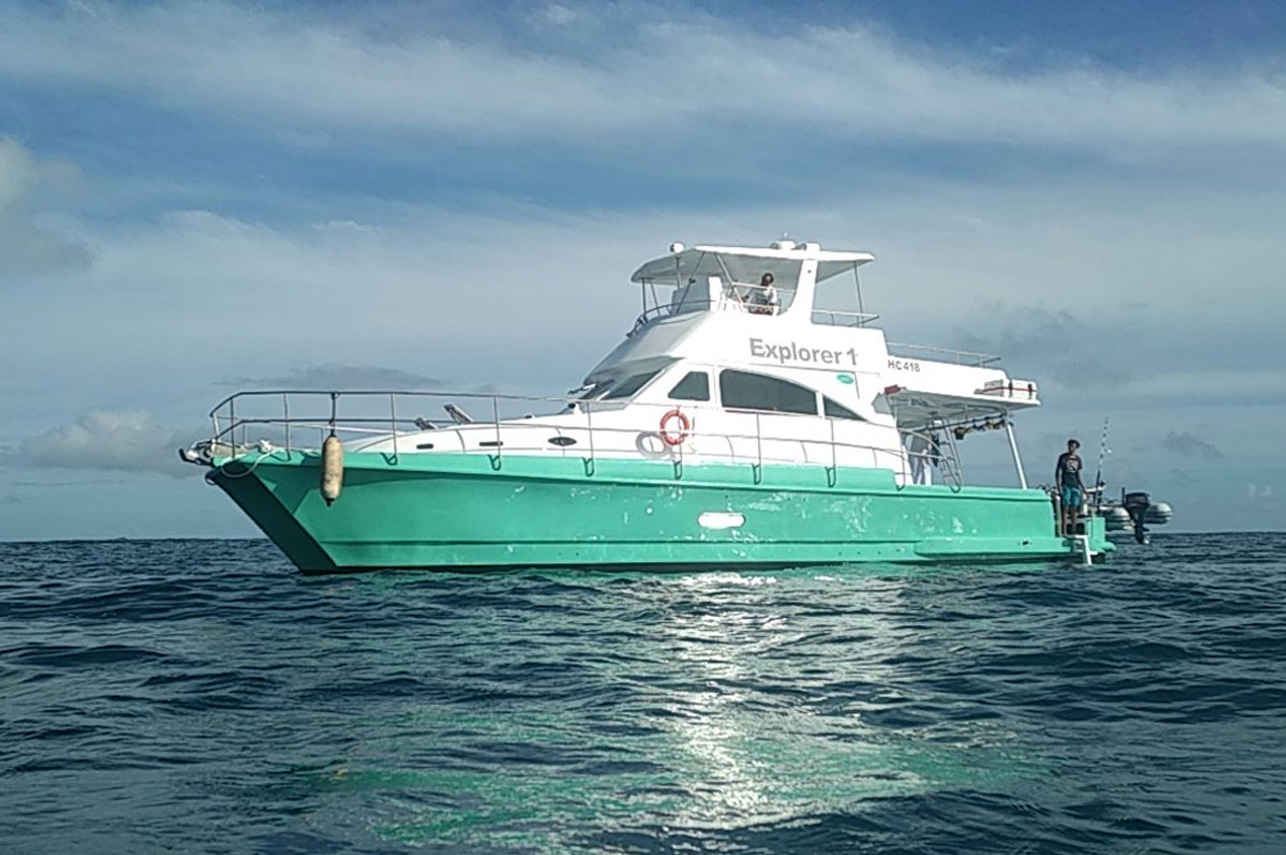
Explorer 1
Seychelles
6 guests17 m
$522/day
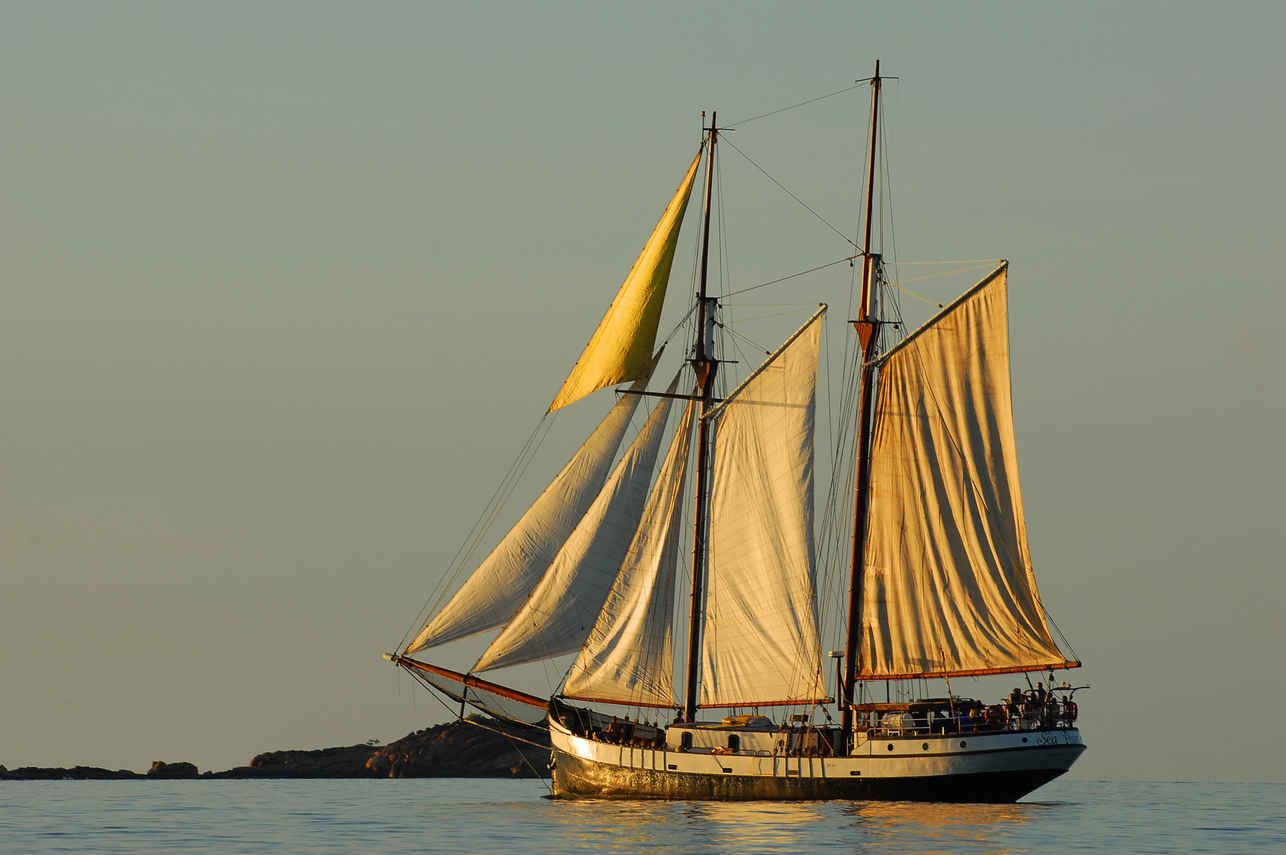
Sea Pearl
Seychelles
16 guests36 m
$212/day
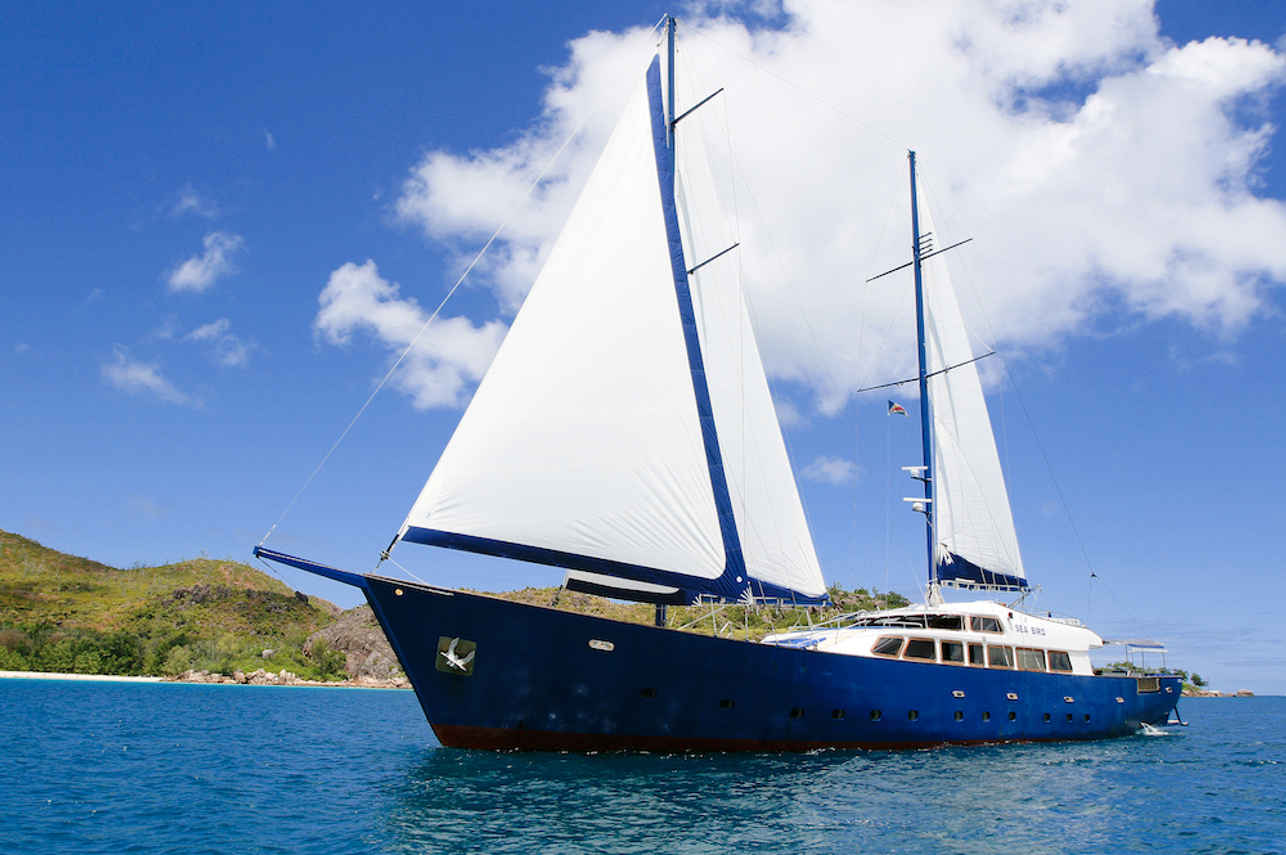
Sea Bird and Sea Star
Seychelles
18 guests42 m
$288/day
Dive sites similar to Lighthouse Reef (Mahé)
Same character, same waters — six more sites divers love for the exact same reasons.Compare seasons, access and liveaboard routes — then pick the site that fits your trip best.
© Esri — Maxar, Earthstar, GIS
Sister Bank
Seychelles
Sister Bank is a notable dive site situated in the Inner Islands of Seychelles, specifically near Praslin Island.
- Suitable for
- Intermediate
- Current
- Mild
- Access
- Liveaboard only
- Depth
- 15–30 m
- Theme
- Reef / Drift
© Esri — Maxar, Earthstar, GIS
Brissare Rocks (Mahé)
Seychelles
Brissare Rocks, located just north of Mahé, is a renowned dive site in Seychelles, widely considered one of Mahé's top five.
- Suitable for
- Intermediate
- Current
- Strong
- Access
- Liveaboard or dayboat
- Depth
- 8–20 m
- Theme
- Cave & cavern / Drift
Napoleon is a renowned dive site located off Alphonse Island in the Seychelles, celebrated for its rich biodiversity and stunning underwater topography.
- Suitable for
- Intermediate
- Current
- Moderate
- Access
- Liveaboard only
- Depth
- 8–30 m
- Theme
- Reef
© Esri — Maxar, Earthstar, GIS
One Tree Island
Seychelles
One Tree Island is a well-known, shallow dive site located off the coast of Mahé, the largest of the Seychelles' Inner Islands.
- Suitable for
- Beginner
- Current
- Moderate
- Access
- Liveaboard only
- Depth
- ≤ 12 m
- Theme
- Reef
© Esri — Maxar, Earthstar, GIS
St. Pierre
Seychelles
St. Pierre Islet is a distinctive granite pinnacle rising from depths of around 25 meters, situated north of Praslin.
- Suitable for
- Beginner
- Current
- Moderate
- Access
- Liveaboard only
- Depth
- 4–25 m
- Theme
- Reef
© Esri — Maxar, Earthstar, GIS
North Island
Seychelles
North Island is an exclusive dive location within the Seychelles, known for its pristine underwater environment and the opportunity to explore newly discovered sites.
- Suitable for
- Intermediate
- Current
- Moderate
- Access
- Liveaboard only
- Depth
- 18–35 m
- Theme
- Reef