About White Bank
White Bank is a captivating dive site situated off Praslin, a highlight among the Seychelles' granitic Inner Islands. This submerged bank features impressive granite boulders that form a dynamic underwater landscape, providing shelter and foraging grounds for numerous species. It's often combined with nearby sites like Ave Maria for day trips, making it an accessible and rewarding destination for divers. The topography consists of large granite formations that extend from around 15 meters down to an average depth of 17-19 meters, though parts can reach 22 meters. These geological structures are covered in a rich tapestry of sponges and hard and soft corals, creating a colorful and intricate environment. The site is known for its mild to moderate currents, which contribute to the excellent visibility and healthy marine ecosystem. Marine life at White Bank is abundant and varied, ranging from schools of reef fish to larger pelagics. You can expect to encounter napoleon wrasse, giant groupers, and schools of barracuda and jackfish. Hawksbill turtles are common, and the site occasionally offers glimpses of whitetip reef sharks. During certain seasons, whale sharks are also a rare but thrilling possibility in the wider region. Diving White Bank typically involves exploring the boulder formations, observing the diverse coral growth, and keeping an eye out for both resident reef fish and transient pelagic species. Its manageable depths and generally good conditions make it suitable for a range of dive levels, while the dynamic marine encounters ensure an engaging experience for all.
Highlights
Submerged granite boulder formationsVibrant sponge and coral coverNapoleon wrasse and giant groupersSchools of barracuda and jackfishHawksbill turtle sightingsOccasional whitetip reef sharksDrift diving opportunities
Season calendar
Best months to dive here
Jan
Feb
Mar
Apr
May
Jun
Jul
Aug
Sep
Oct
Nov
Dec
Excellent
Good
Dive site facts: White Bank
- Depth
- 15–22 m
- Typical dive
- 17–19 m, 49–53 min
- Current
- Mild to moderate (1-2 knots)
- Visibility
- 10–25 m
- Water temperature
- 26–30 °C
- Entry
- Tender / Negative entry
- Level
- Open Water Diver
- Dive type
- Drift, Reef, Boulder
- Night dive
- Possible (selected areas)
- Region / port
- Praslin, Seychelles
- Coordinates
- -4.2, 55.78
Conditions & Currents
Currents at White Bank are typically mild to moderate, generally ranging from 1 to 2 knots. This makes it an ideal spot for drift dives, allowing divers to effortlessly glide over the impressive granite formations and observe marine life. While usually manageable, conditions can vary, especially during certain moon phases or weather patterns. Divers should be prepared for potential stronger currents by ensuring good buoyancy control and staying close to the dive guide. Entry is typically by tender, and a negative entry may be advised to descend quickly to the sheltered parts of the reef. Visibility is generally excellent, often exceeding 25 meters, but can reduce to 10 meters during plankton blooms, which coincidentally can attract larger pelagics like whale sharks.
Marine life & sighting chances

Napoleon Wrasse
occasional
Giant Grouper
occasional
Barracuda
common
Jackfish
common
Hawksbill Turtle
common
Whitetip Reef Shark
occasional
Yellowfin Soldierfish
common
Angelfish
common
Spiny Lobster
occasional
Whale Shark
September - November · rareDive profile & how the dive runs
Your dive at White Bank typically begins with a tender drop, often requiring a negative entry due to the potential for mild currents. You'll descend directly onto the top of the submerged granite formations, which start at around 15 meters. The dive usually progresses by drifting along the boulder-strewn reef, exploring the crevices and overhangs for hidden marine life like spiny lobsters and morays. You'll observe the vibrant sponges and corals that cover the rocks, keeping an eye on the blue for schools of barracuda, jackfish, and potentially napoleon wrasse or giant groupers. The maximum depth reached is generally around 19-22 meters. The dive will turn based on air consumption and no-decompression limits, and your safety stop will be conducted in the shallower sections of the bank, around 5 meters, before surfacing for tender pickup.
Underwater photography
White Bank offers fantastic opportunities for wide-angle and macro photography. For wide-angle shots, a fisheye or wide-angle lens is ideal to capture the grandeur of the granite boulders and the schooling fish. Consider using strobes to bring out the true colors of the abundant sponges and corals. For macro subjects, such as colorful nudibranchs or smaller reef inhabitants within crevices, a macro lens with a diopter will be beneficial. Be mindful of your buoyancy, especially when photographing close to the reef, to avoid accidental contact and protect the delicate ecosystem. Patience is key when waiting for barracuda or jackfish schools to pass by, or for hawksbill turtles to pose for a shot.
Combine with nearby dive sites
- Ave Maria
Often combined with White Bank for day trips, known for its canyons and crevices.
- St. Pierre
A shallow, beginner-friendly site within Curieuse Marine Park, excellent for macro.
- Channel Rocks
Known for strong currents and encounters with larger pelagics like eagle rays and sharks.
- South Marianne Island
An advanced dive site with strong currents, dramatic topography, and frequent shark sightings.
Getting there & logistics
Access to White Bank is typically from Praslin, which is reachable via domestic flights or high-speed ferry from Mahé. Mahé hosts the Seychelles International Airport (SEZ), serviced by airlines such as Air Seychelles, Emirates, and Qatar Airways. Dive trips to White Bank are usually organized by local dive centers on Praslin, such as White Tip Divers or Cote D'or Octopus, and are often part of a multi-dive itinerary. Most trips are day excursions; liveaboard options are also available for extended diving around Praslin and nearby islands. There may be marine park fees applicable, which are usually included in dive package costs. Ensure your trip allows ample time to account for travel between islands.
Safety & environment
Diving at White Bank generally presents manageable conditions, but divers should always carry appropriate dive insurance covering emergency medical treatment and evacuation. The nearest recompression chamber is located on Mahé, necessitating an emergency evacuation in the event of a decompression illness. Divers should maintain excellent buoyancy control to avoid contact with the fragile coral and sponges, especially photographers who are prone to higher contact rates. Given the potential for mild to moderate currents, good physical fitness and current-diving experience are beneficial. Always follow your dive guide's instructions, especially regarding entry and exit procedures and maintaining group cohesion. Be aware of boat traffic when surfacing and deploy a Surface Marker Buoy (SMB).
Who it suits — and who it doesn't
Suited for
- Open Water certified divers comfortable with drift dives
- Underwater photographers seeking diverse subjects
- Divers interested in granite boulder topography
- Those looking for a mix of reef and pelagic encounters
Less suited for
- Absolute beginner divers without buoyancy control
- Divers uncomfortable with potential currents
- Those prone to touching the reef (especially photographers)
- Divers seeking only calm, current-free sites
FAQ
White Bank FAQ
What kind of marine life can I expect to see at White Bank?
White Bank is home to a diverse array of marine species. You can frequently spot schools of barracuda and jackfish, along with angelfish and yellowfin soldierfish. Hawksbill turtles are common, and there are occasional sightings of napoleon wrasse, giant groupers, and whitetip reef sharks. During specific seasons, there's a rare chance to encounter whale sharks.
Is White Bank suitable for beginner divers?
Yes, White Bank is generally suitable for Open Water certified divers. While currents can be mild to moderate, making it a good drift dive, the average depth of 17-19 meters is within recreational limits. Divers should have good buoyancy control and be comfortable with the possibility of some current.
What are the typical dive conditions like at White Bank?
Diving conditions at White Bank are usually favorable. Water temperatures range from 26-30°C, and visibility is often excellent, up to 25 meters, though it can drop to 10 meters at certain times. Currents are typically between 1-2 knots, providing a gentle drift over the reef formations.
When is the best time of year to dive White Bank?
The prime diving season for White Bank is from March to May and again from September to November. During these months, the water is warmest, averaging 29°C, and visibility is consistently at its best, often reaching 30 meters. This period offers the most comfortable and clear diving experiences.
Can I do a night dive at White Bank?
While some areas around Praslin offer night diving, White Bank itself is primarily known for its day dives. Night dives are possible at selected, more sheltered sites in the region, focusing on nocturnal marine life. Check with local dive operators for specific night diving opportunities and conditions.
What is the typical depth and duration of a dive at White Bank?
Dives at White Bank typically reach an average depth of 17-19 meters, though some areas may extend to 22 meters. The duration of a dive generally ranges from 49 to 53 minutes, depending on individual air consumption and the dive plan set by the guide.
Why dive White Bank from a liveaboard?
White Bank is one of Seychelles's signature dive sites. A liveaboard sleeps you on the water and puts you in the water for three to four guided dives per day, including dawn and night dives that day-boat operators rarely offer. You skip the daily commute back to port and reach quieter, less-crowded sites in the same region on a single trip.
Below are the liveaboards that include White Bank on their Seychelles itineraries.
Liveaboards diving White Bank
These liveaboards may visit White Bank on selected itineraries — the exact dive sites depend on departure, weather and conditions.
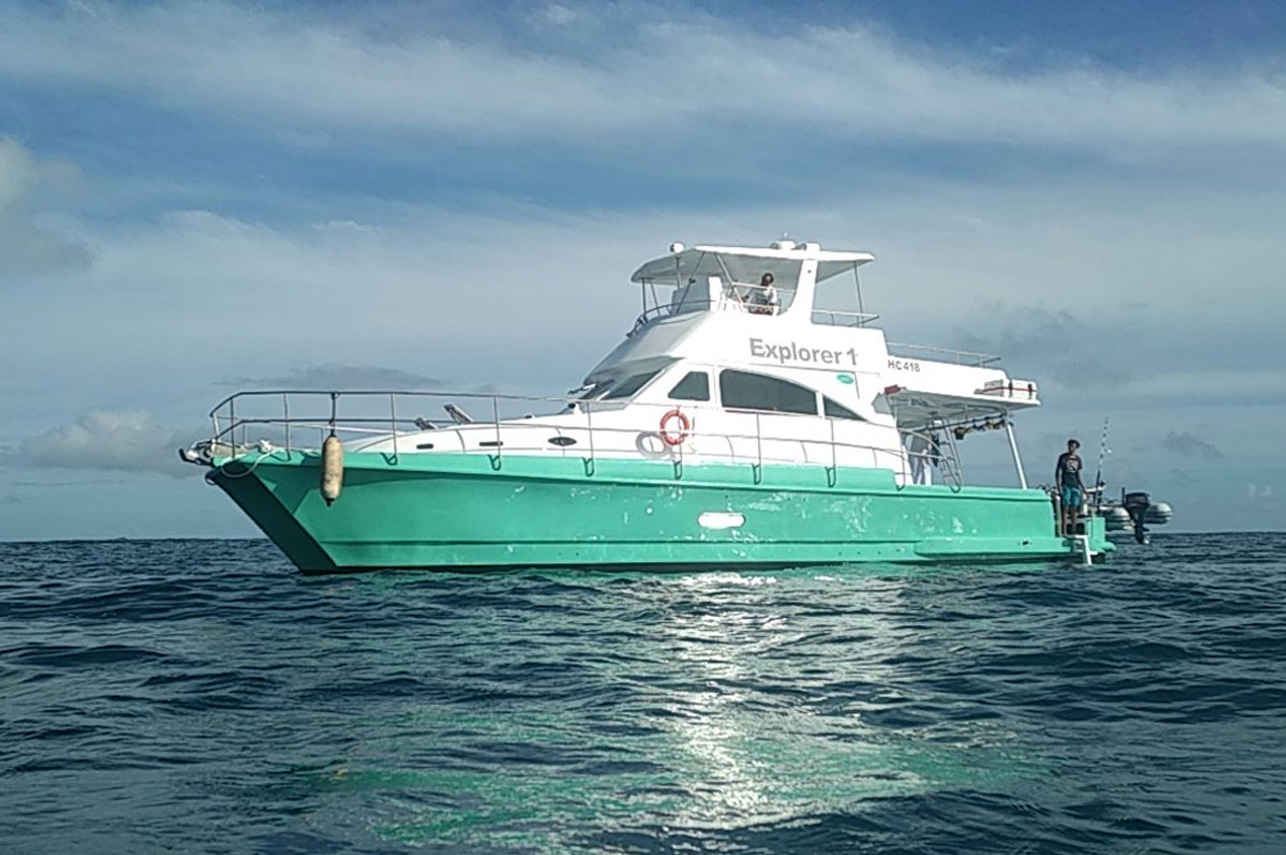
Explorer 1
Seychelles
6 guests17 m
$522/day
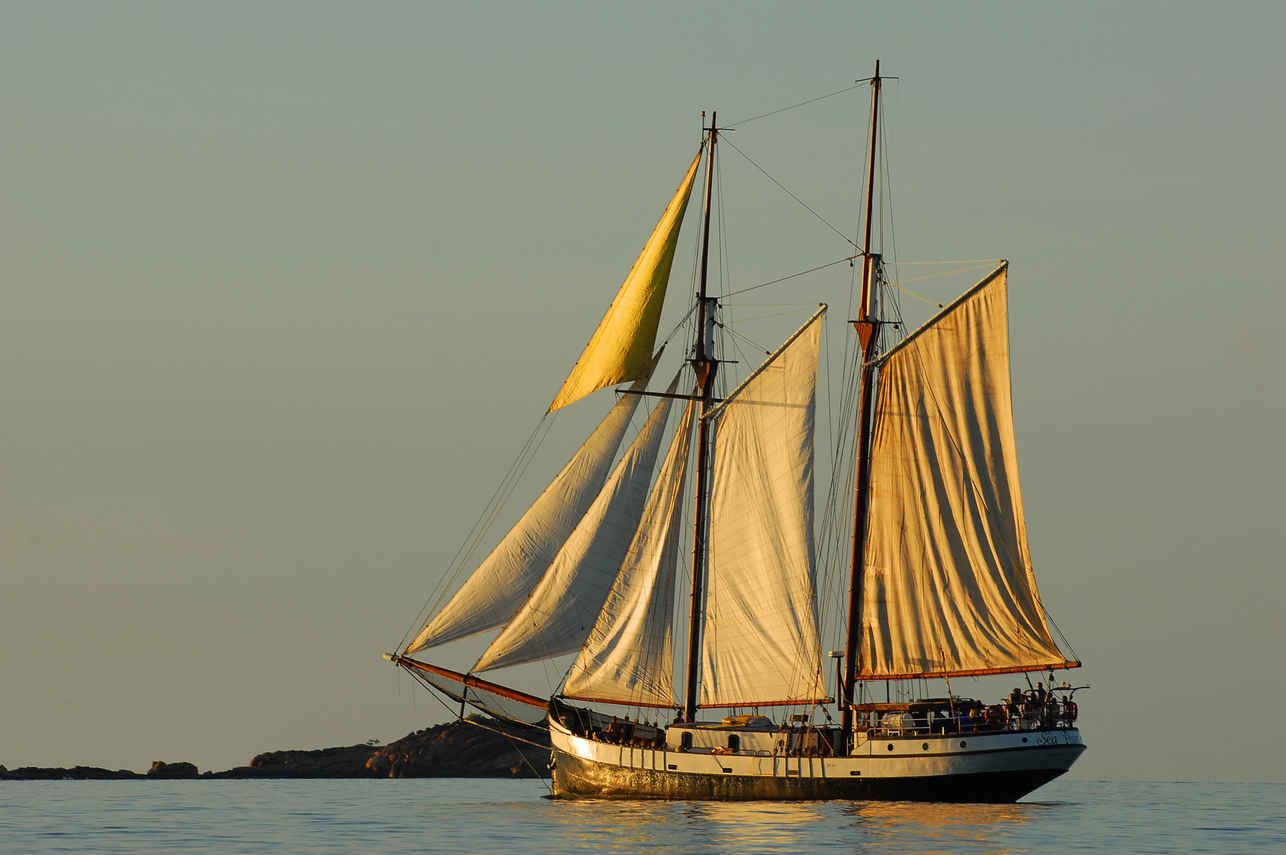
Sea Pearl
Seychelles
16 guests36 m
$212/day
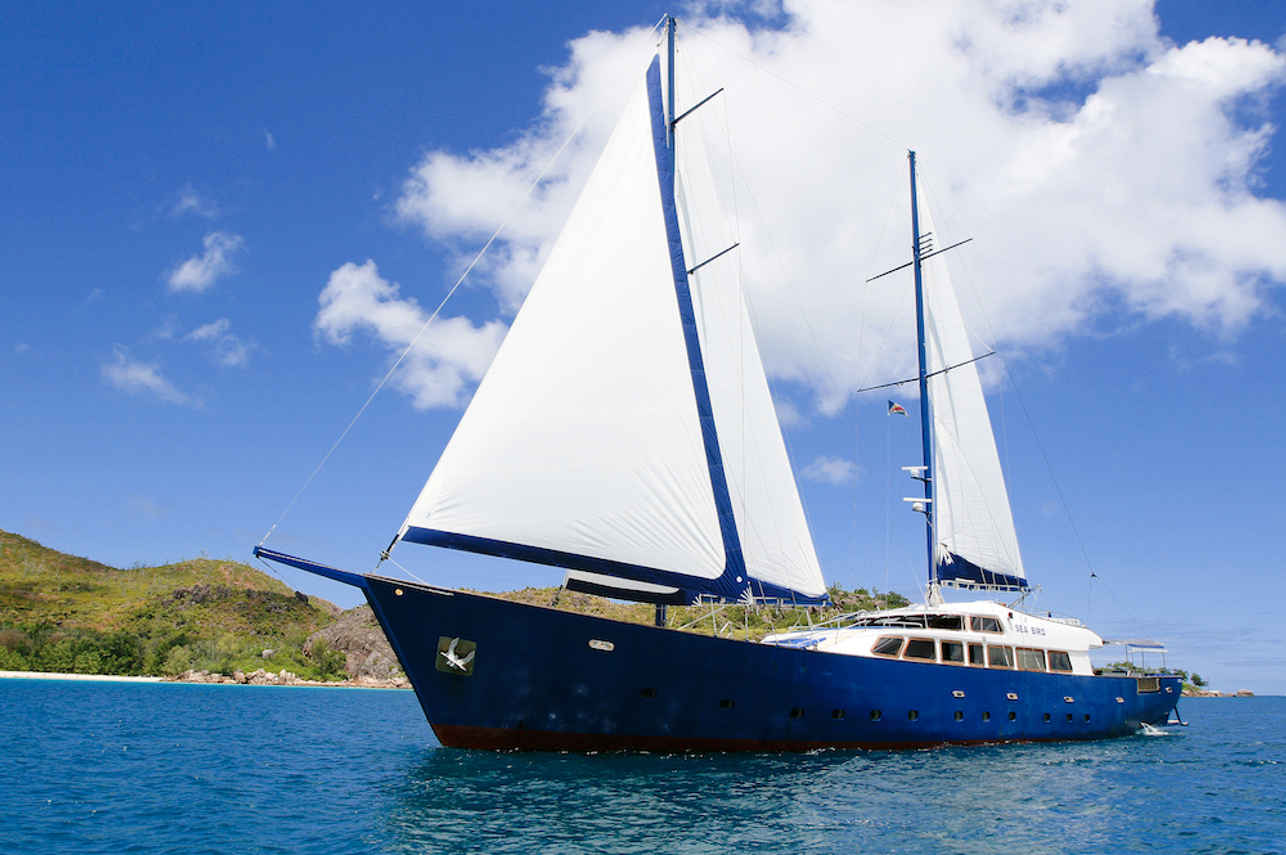
Sea Bird and Sea Star
Seychelles
18 guests42 m
$288/day
Dive sites similar to White Bank
Same character, same waters — six more sites divers love for the exact same reasons.Compare seasons, access and liveaboard routes — then pick the site that fits your trip best.
© Esri — Maxar, Earthstar, GIS
Sister Bank
Seychelles
Sister Bank is a notable dive site situated in the Inner Islands of Seychelles, specifically near Praslin Island.
- Suitable for
- Intermediate
- Current
- Mild
- Access
- Liveaboard only
- Depth
- 15–30 m
- Theme
- Reef / Drift
© Esri — Maxar, Earthstar, GIS
Brissare Rocks (Mahé)
Seychelles
Brissare Rocks, located just north of Mahé, is a renowned dive site in Seychelles, widely considered one of Mahé's top five.
- Suitable for
- Intermediate
- Current
- Strong
- Access
- Liveaboard or dayboat
- Depth
- 8–20 m
- Theme
- Cave & cavern / Drift
© Esri — Maxar, Earthstar, GIS
Lighthouse Reef (Mahé)
Seychelles
Lighthouse Reef, situated near Mahé in the Seychelles, presents a captivating underwater experience characterized by thriving reef ecosystems.
- Suitable for
- Beginner
- Current
- Strong
- Access
- Liveaboard or dayboat
- Depth
- 5–18 m
- Theme
- Reef
Napoleon is a renowned dive site located off Alphonse Island in the Seychelles, celebrated for its rich biodiversity and stunning underwater topography.
- Suitable for
- Intermediate
- Current
- Moderate
- Access
- Liveaboard only
- Depth
- 8–30 m
- Theme
- Reef
© Esri — Maxar, Earthstar, GIS
One Tree Island
Seychelles
One Tree Island is a well-known, shallow dive site located off the coast of Mahé, the largest of the Seychelles' Inner Islands.
- Suitable for
- Beginner
- Current
- Moderate
- Access
- Liveaboard only
- Depth
- ≤ 12 m
- Theme
- Reef
© Esri — Maxar, Earthstar, GIS
St. Pierre
Seychelles
St. Pierre Islet is a distinctive granite pinnacle rising from depths of around 25 meters, situated north of Praslin.
- Suitable for
- Beginner
- Current
- Moderate
- Access
- Liveaboard only
- Depth
- 4–25 m
- Theme
- Reef